

Retractable lidar robot vacuum technology is shaking up the world of automated floor cleaning by finally delivering reliable navigation in the tightest spaces, including under beds and sofas. If you struggle to keep hard-to-reach spots clean or want the best combination of thin design and advanced mapping, this guide shows you how retractable LiDAR modules work, their real pros and cons, and critical steps before choosing one.
Key Takeaways
- Retractable LiDAR modules enable powerful robot vacuums to reach under furniture as low as 8 centimeters, opening up more of your floor to daily cleaning.
- While offering best-in-class navigation, long-term durability and maintenance of retractable components are still unproven due to the newness of these models.
- The market is growing rapidly, but reliable pricing, cleaning coverage data, and user complaint trends remain limited for this new category.
- What Is a Retractable LiDAR Robot Vacuum and Why Does It Matter?
- How to Choose and Use a Retractable LiDAR Robot Vacuum: Step-by-Step
- Advanced Analysis: Real Problems and Common Pitfalls
- Conclusion: Should You Buy a Retractable LiDAR Robot Vacuum?
- FAQ: Retractable LiDAR Robot Vacuums
What Is a Retractable LiDAR Robot Vacuum and Why Does It Matter?
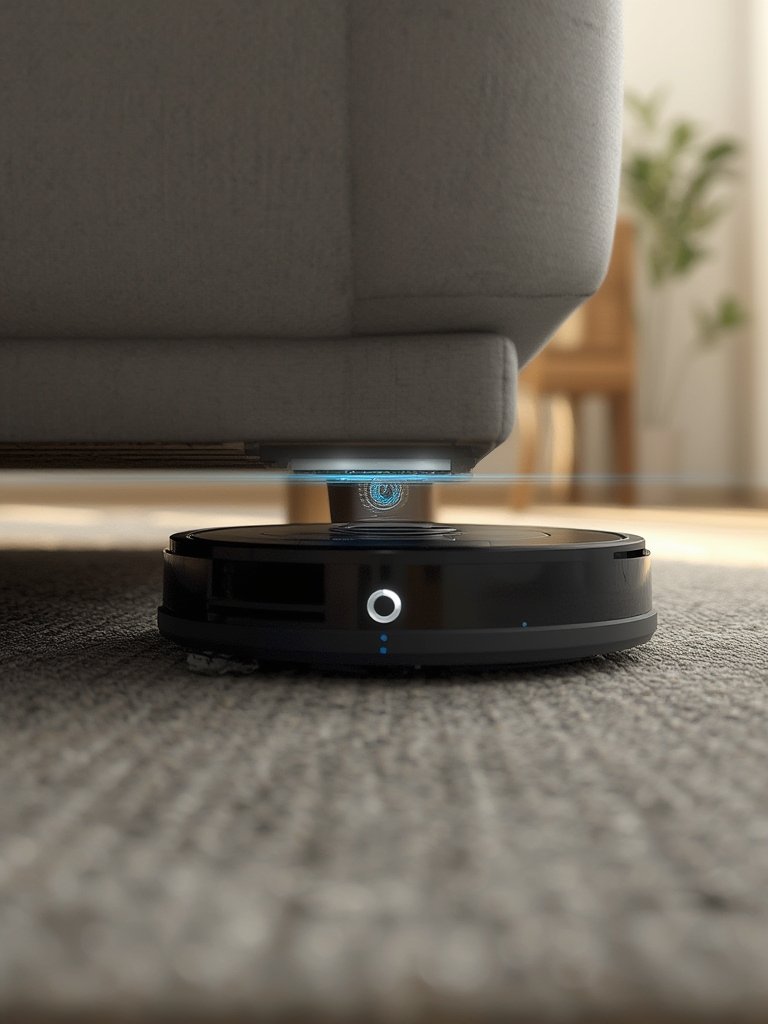
A retractable LiDAR robot vacuum combines high-precision, LiDAR-based room mapping with a unique, collapsing laser module that tucks flush into the robot’s body. This innovative design allows the robot to sweep and vacuum under furniture with clearance as low as 8 centimeters, such as low-profile couches, beds, or cabinets. Previous generation robot vacuums with fixed LiDAR units were simply too tall—so dust, crumbs, and allergens would quickly accumulate in these forgotten zones.
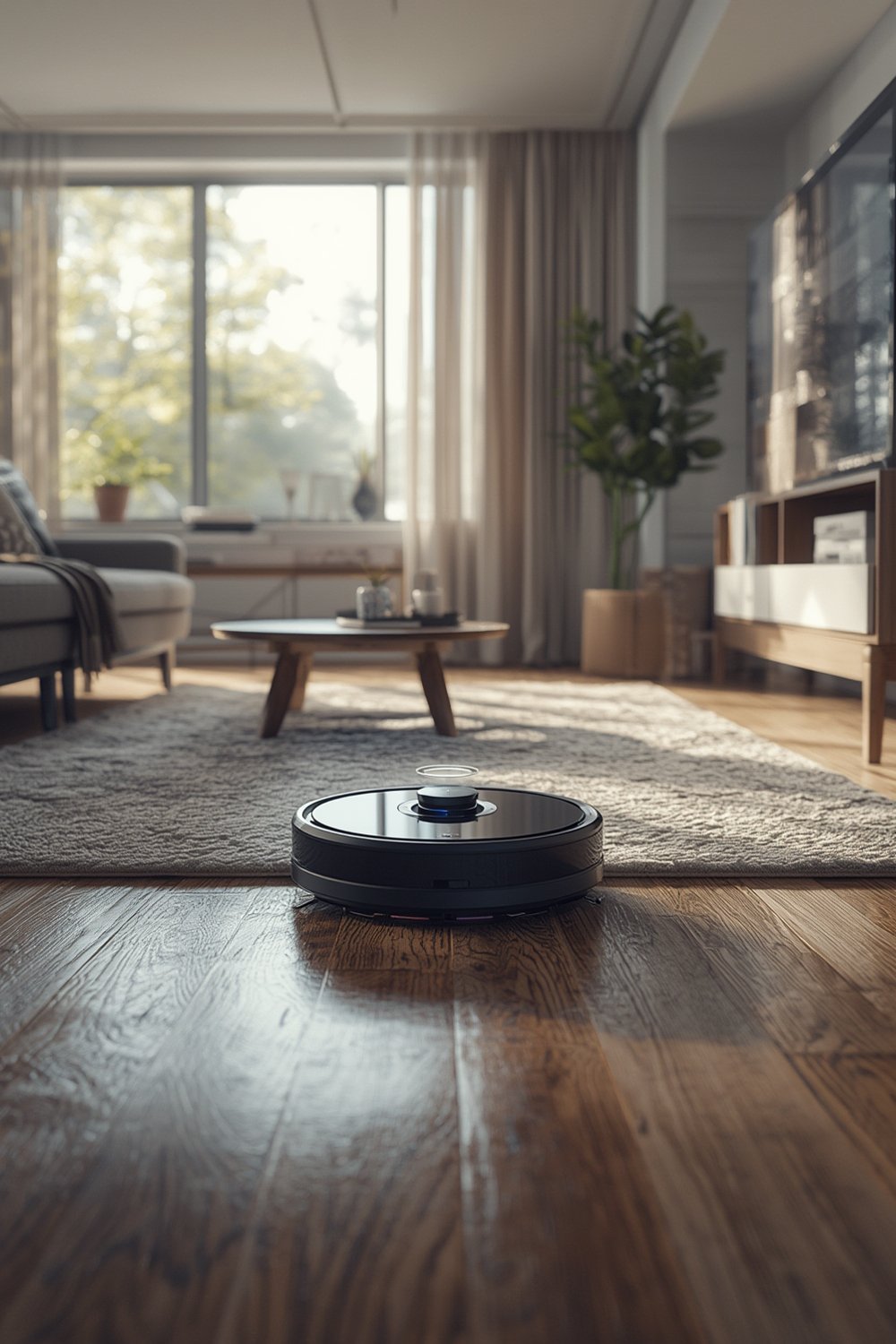
What makes these vacuums a leap forward is that they preserve the advanced navigation you’d want in an upscale robot (think: precise object detection, accurate multi-room mapping, and robust obstacle recognition) while also offering a slimmer body. As of 2024, flagship examples like the Roborock V20 use dual-vision 3D ToF solid-state LiDAR, FlexiArm cleaning for corners, and are as thin as 8.2 centimeters.[Roborock V20 specs]
Retractable lidar robot vacuums matter especially for anyone living in apartments, homes with lower beds or couches, or just looking to maximize cleaning coverage without manual lift-and-move sessions. Innovation is accelerating, with over 20 new robotic vacuum solutions recently unveiled with retractable LiDAR to fit under furniture under 80mm.[Market trends]
How to Choose and Use a Retractable LiDAR Robot Vacuum: Step-by-Step
Ready to take advantage of slim, high-precision mapping and cleaning? Here’s how you can make the most out of the latest retractable lidar robot vacuum models.
- Determine Your Main Cleaning Goals: Do you want 100% under-sofa coverage, minimal missed spots, or extreme automation? If cleaning under low furniture is your top priority, slim form factor is essential.
- Compare Body Heights and Navigation Specs: Only select models with retractable LiDAR modules and an official body height under 8.2 cm (check manufacturer specs). Confirm navigation includes multi-level mapping and strong obstacle avoidance for best results.
- Evaluate Cleaning Systems: Look for features like FlexiArm Design™ for corners, DuoRoller Riser Brushes for pet hair, and app-based mapping adjustment. Not all slim models clean edges or corners equally.
- Plan for Maintenance: Retractable components can be moving parts with long-term wear. Ask about replacement part availability, and clarify warranty coverage for retractable units, not just general hardware.
- Read Actual User Reviews: Because retractable LiDAR models are newest to market, user feedback on reliability is limited. Search for verified reviews discussing performance under beds, furniture, and any recurring mechanical issues.
- Set Up and Map Your Home: Place the dock in an open, central spot. Allow the vacuum to map your home fully on the first clean cycle. Most systems let you adjust or label rooms in-app.
- Regularly Check and clean LiDAR modules: Even retractable sensors need periodic dusting and inspection for smooth movement. Keep the module clean and test the retraction mechanism every few weeks.
- Optimize Schedules and Zones: Set routines for different rooms or do spot cleans in high-traffic areas. If running while you’re home, use zone scheduling to minimize interference with daily use.
Still choosing the right model? For those in multi-level homes or with thresholds, consider reading this threshold climbing robot vacuum guide. If you want a top pick for 2026, explore top robot vacuum mop combos rated for complex cleaning.
If you’re making larger energy upgrades—or optimizing your home for efficient cleaning—see our practical advice on energy efficiency upgrades.
Advanced Analysis: Real Problems and Common Pitfalls
No new robot vacuum category is perfect. Retractable LiDAR robot vacuums introduce unique engineering solutions but come with real-world risks and trade-offs to consider.
| Factor | Retractable LiDAR Robot Vacuums | Standard LiDAR Robot Vacuums |
|---|---|---|
| Under-Furniture Cleaning | Excellent – Can fit under <8cm clearance with retracted module | Limited – Fixed turret too tall for couches, beds, and some cabinets |
| Navigation Precision | Comparable* – Dual solid-state LiDAR offers high accuracy, but early models unproven in highly cluttered areas | Excellent – Track record of strong mapping and path planning |
| Component Durability | Unknown – Moving retractable module may wear or require more maintenance over time | Proven – Fewer moving parts, typically high long-term reliability |
| Price | Likely Premium – Pricing not consistently published, but these models target mid to high-end market | Wide Range – Entry models affordable, ultra-premium models comparable in price to retractable units |
Potential Pitfalls:
- Limited Durability Data: There is no clear, verified user data yet on how retractable LiDAR modules hold up over years of use. Mechanical failure risk may be higher compared to fixed-LiDAR robots.
- Unknown Cleaning Metrics: While the design promises better under-furniture coverage, no industry-wide statistics currently measure cleaning percentages or missed spots for retractable models.
- Maintenance Requirements: Moving LiDAR modules may require extra cleaning, lubrication, or repairs, compared to simpler, fully fixed-turret robots.
- Price Transparency: Price data specifically for retractable lidar robot vacuum models is lacking. Premium features may cost more than standard LiDAR, with entry-level options just starting to emerge.[Premium robot vacuum pricing]
These products represent cutting-edge innovation, but you should be realistic: some trade-offs and uncertainties remain in 2024, especially regarding the lifespan of new retractable mechanics. As competition heats up, it is likely that more reliable, affordable, and thoroughly tested models will emerge.
Need more insights into specialized cleaning challenges? If you live with pets or want advanced cleaning for machine-washable rugs, check our kid and pet friendly rug guide. For other smart home upgrades like safety lighting, see our smart night light review.
Conclusion: Should You Buy a Retractable LiDAR Robot Vacuum?
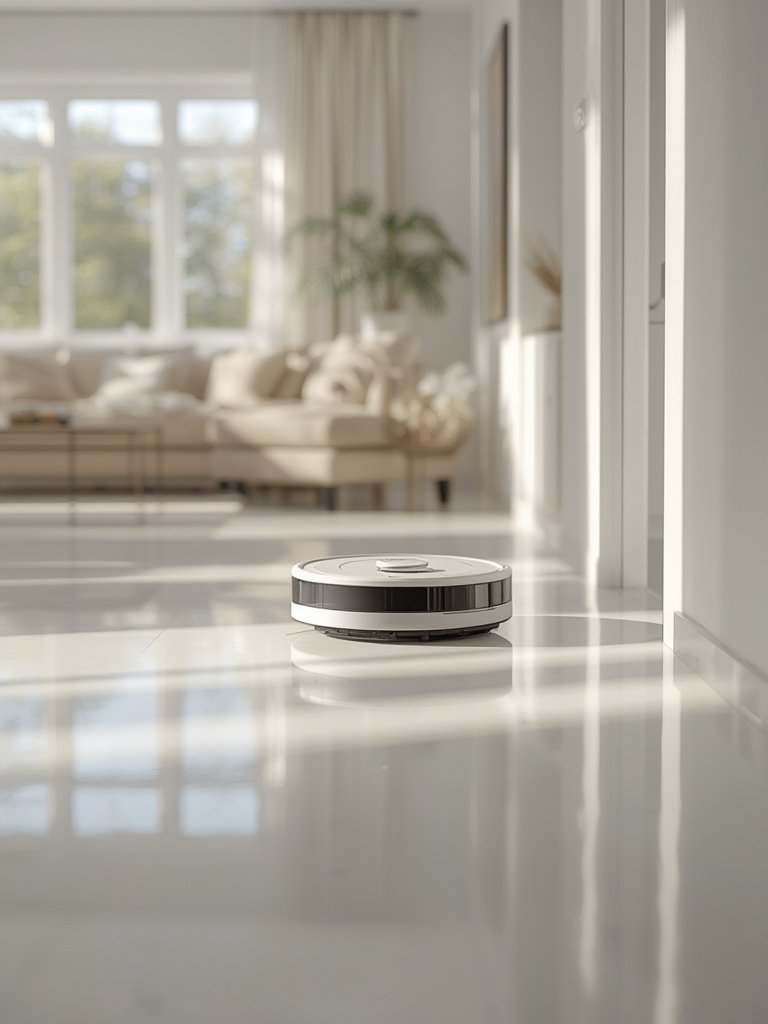
Retractable lidar robot vacuum designs stand at the forefront of robotic cleaning, letting you tackle every inch of your home—including those forgotten spots beneath low beds and sofas. If maximum coverage and next-level navigation are top priorities, this new technology is an exciting option, though long-term durability and price transparency still lag behind more established robots. Watch the market for upcoming reliability reports and broader consumer adoption, and always match the robot’s clearance with your unique home layout.
Ready to take the next step? Research, measure your home clearances, and upgrade your cleaning routine with a retractable lidar robot vacuum that fits—and actually reaches—all your cleaning zones.
FAQ: Retractable LiDAR Robot Vacuums
What is a retractable LiDAR in a robot vacuum?
It is a laser mapping module that collapses into the vacuum’s body. This allows the unit to navigate accurately while reducing device height, so the robot can move under low furniture for more thorough cleaning.
Will retractable LiDAR robot vacuums clean better under beds and couches?
Generally, yes—if the furniture clearance is 8.2 centimeters (or higher), these vacuums can fit and clean areas that taller models cannot. However, actual cleaning coverage can depend on the room layout and how well the retractable mechanism functions over time.
Are retractable LiDAR robots more expensive than standard robot vacuums?
Currently, they tend to be priced in the premium range due to new technology and added features. Verified pricing for entry-level retractable LiDAR models remains limited, so compare closely before purchasing.
Is durability a concern for retractable LiDAR modules?
Yes, since moving components introduce more wear and potential points of failure. There is not enough long-term data yet regarding reliability, but it’s wise to check manufacturer warranties and watch for user reports.
Where can I learn more about robot vacuums with advanced features?
Check expert guides such as our robot vacuum mop combo reviews or roller mop robot vacuum comparisons for deep dives into the latest innovations.