

Mop swapping robot vacuum designs are rapidly changing how homes handle floor cleaning. If you’re considering a device that promises less hassle and cleaner floors with automatic mop pad changes, this guide breaks down what works, what doesn’t, and how to actually benefit from these robots—minus the myths.
Key Takeaways
- Mop swapping robot vacuum models offer high convenience but still require regular maintenance and can carry surprising extra ownership costs.
- True fully automatic mop swapping is rare in 2024; most premium robots only wash and dry pads, not fully replace them autonomously.
- Room-specific cleaning modes and mapping tech have improved, but perfect pad handling and hygiene are still not fully solved—buyer beware.
The Core Concept: What is a Mop Swapping Robot Vacuum and Why Should You Care?
A mop swapping robot vacuum combines two cleaning automations in one: vacuuming dry debris and scrubbing hard floors with a water-using mop. The “mop swapping” idea means the robot can either swap, lift, or wash its mopping pads without you having to crouch and manually remove a dirty pad. The point is to save time, reduce contact with messes, and make floor cleaning more consistent.
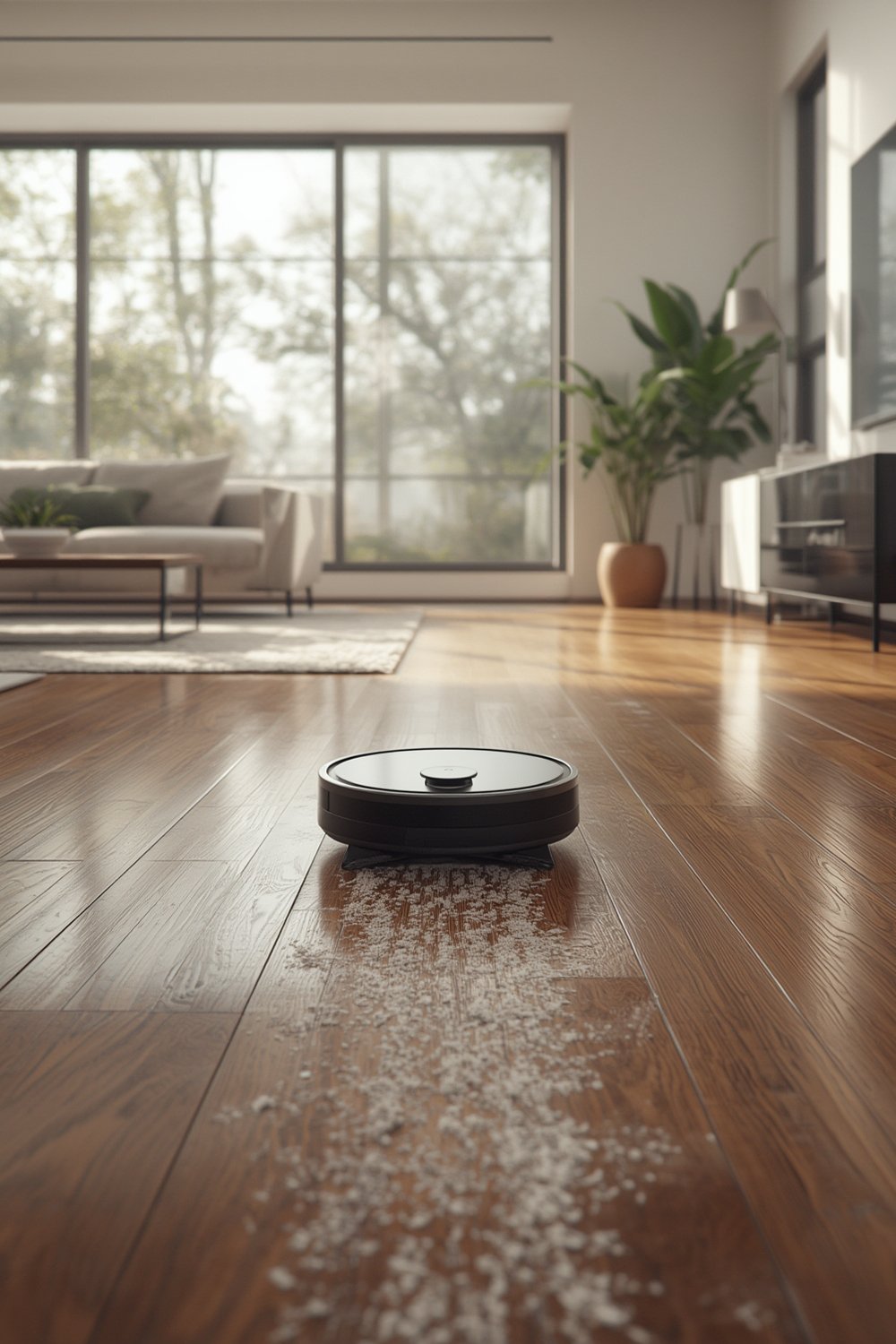
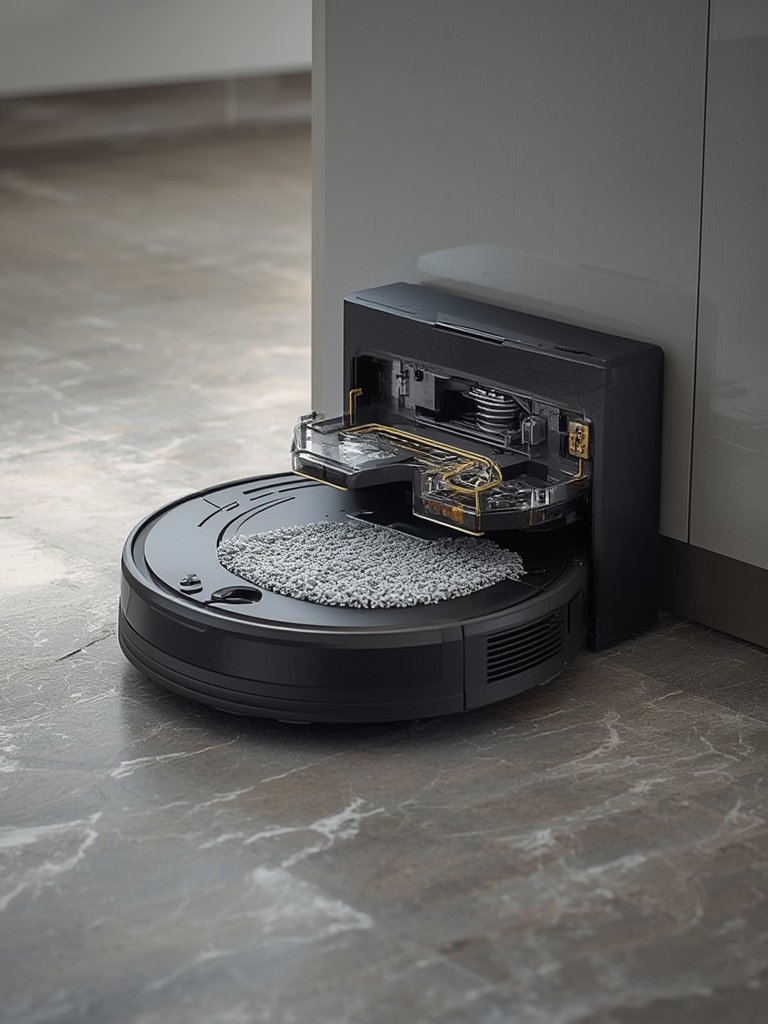
In reality, most 2024 high-end models from brands like Roborock, Ecovacs, Dreame, and Xiaomi focus on docking features: they can wash, dry (with heated air), and refill mop pads automatically. However, market research and product reviews confirm that fully automatic mop pad replacement—where dirty pads are swapped for fresh ones without any manual work—is still rare. Most advanced robots only reduce, not eliminate, your involvement.
Key drivers for this segment include rising consumer demand for convenience, fewer interruptions, and all-in-one cleaning. Still, ongoing user reviews point to rough edges: you often need to handle soiled pads, refill water tanks, and occasionally deal with dock cleaning—meaning true “set and forget” is elusive.
If your household features mixed surfaces (hard floors plus rugs or carpets) or you want to minimize hands-on cleaning time, hybrid robot vacuums with mop handling are tempting. But as we’ll see, they come with both benefits and a few challenging trade-offs.
Step-by-Step Guide: How to Get the Best from a Mop Swapping Robot Vacuum
- Pick the right device. Compare premium models from brands like Roborock, Ecovacs, Dreame, and Xiaomi. Look specifically for auto-wash/dry docks and mop-lift features if you want true low-intervention cleaning. Check reviews—real “swapping” is still rare.
- Map your home precisely. Use the robot’s app to set up room names and zones. Set “no-mop” and “no-go” boundaries over carpeted areas or places you don’t want wet pads. Test a few runs and revise the digital map for reliability.
- Customize cleaning modes. Set room-specific mop intensity and schedules. For example, use higher water settings or extra passes in kitchens and lower everywhere else. Leverage app scheduling to automate regular cleaning.
- Stay on top of maintenance. Remove, rinse, and dry mop pads as directed even if your dock says it’s washing them. Empty dirty water tanks, clean pad trays, and descale the dock every few weeks depending on use and water quality.
- Track pad replacements and parts costs. Order extra sets of mop pads in advance (always branded, as third-party pads often don’t fit). Replace side brushes and filters per the maintenance calendar.
Want an even simpler cleaning routine? Pair a mop swapping robot vacuum with a kid and pet friendly rug or a non slip rug pad to reduce downtime and maximize cleaning efficiency.
Advanced Analysis & Common Pitfalls: What Can Go Wrong and What Research Shows
Even the latest mop swapping robot vacuum systems have limits. Here’s what consumer reviews, lab testing, and industry data actually reveal:
Common Pitfalls Revealed by Research
- Fake full automation: Most robots in 2024 can only auto-wash and air-dry mop pads, not truly swap in a fresh replacement each time. Manual involvement stays high—especially in busy homes or with heavy messes.
- Pad management headaches: Dirty pads can grow bacteria or develop odor inside docks, especially if left wet for days. Proprietary pads may be costly and become hard to source.
- Maintenance burden: You still need to empty and clean dirty water tanks. Wet/dry floor transitions can cause robots to leave damp marks on carpets if pad-lifting or sensors don’t work perfectly.
- Mapping issues: Robots can mislabel rooms or get confused by dark or thick carpets, causing skipped areas or mistakes in no-mop zones.
- Higher ongoing costs: Yearly spending on pads, dock cleaning, water filters, and chemicals exceeds that of vacuum-only robots.
| Feature | Typical Benefits | Common Drawbacks | User Experience (2024) |
|---|---|---|---|
| Self-washing/drying dock | Saves manual rinsing, pads ready for next run | Regular dock cleaning still needed, odor risk if not dried properly | Convenient but not zero-maintenance |
| Automatic mop lift on carpets | Protects rugs and dry floors | Sensors may misdetect floor types, sometimes drags damp pad | Works well but not foolproof |
| Room-specific mopping settings | Custom control by room/zone | Pad type changes still manual, map errors can cause mistakes | Flexible scheduling, some tweaking needed |
| Proprietary mop pads | Optimized fit and cleaning | Higher long-term cost, limited third-party options | Stock up in advance |
| Hybrid vacuum-mop vs vacuum-only | Cleans dried stains and films | Can smudge sticky dirt if pad too soiled | Noticeable improvement on hard floors |
Market reports from Vacuum Wars and GM Insights confirm that while hybrid vacuum-mops are growing fast, there’s still no public, quantified data on the percent of buyers who specifically seek full mop swapping ability. Most research bundles these features under the general trend toward high autonomy, with only anecdotal rankings of pad system reliability.
In terms of effectiveness, these robots do much better than vacuum-only models on fine dust and dried residue, but they’re not suited for soaked spills or heavy-pet mess unless you swap pads more often than the dock manages.
Room mapping is now more robust in smart robot vacuums, powered by LiDAR and app-based controls. Brands like Roborock and Dreame stand out for advanced customization, but pad type selection is still manual, and major floor plan changes may require remapping.
If you’re planning to further automate your cleaning, consider integrating your setup with Matter robot vacuum platforms or adding smart night lights for easy navigation in dark rooms.
Conclusion
Today’s mop swapping robot vacuum systems bring clear convenience and some real autonomy to home cleaning. However, most 2024 options wash and dry mop pads in the dock but still need you to swap out pads, clean tanks, and monitor for odors or errors. The promise—hands-free cleaning—is partly realized but still evolving. Factor in ongoing pad costs and necessary maintenance before you buy.
If you want hassle-free, multi-surface cleaning and are willing to do occasional upkeep, a mop swapping robot vacuum is a solid upgrade. To get the most value, pick models with strong user reviews, map carefully, and stay ahead of maintenance. Ready for a cleaner floor with less daily work? Explore your best-fit options, and remember: no current model is 100% hands-off, but the gap keeps closing.
FAQ
Do any 2024 robot vacuums actually swap mop pads automatically?
No mainstream robot vacuum in 2024 fully swaps mop pads for you. Most top-tier models can wash and air-dry the same pad but do not replace it with a fresh one. You still need to occasionally swap the pad by hand and keep spares on hand.
How often do mop pads need changing or washing?
Change or wash mop pads every few full house cleans, or as soon as you notice odors or visible dirt. Even with auto-washing docks, soiled pads can develop mildew or lose cleaning power fast—especially in homes with pets or heavy foot traffic.
Can I use third-party or reusable pads with these systems?
Most mop swapping robot vacuum models require branded, proprietary pads made for their dock and mounting hardware. Third-party or homemade pads usually don’t fit or won’t activate the washing function correctly.
Are hybrid vacuum-mop robots safe for hardwood and carpet mixes?
Yes, provided you set up no-mop zones or let the robot auto-lift pads on carpets. Still, some models misinterpret dark floors or thick rugs, which can result in dampness or spots. Double-check mapping and zone settings before running unsupervised.
How do ongoing costs compare to vacuum-only robots?
Ownership costs are higher for hybrid robot vacuums with mop features. Expect to spend more on mop pad replacements, dock maintenance, water filters, and potential cleaning supplies. This is a key difference compared to dry vacuum-only robots.