

Dyson Spot+Scrub Ai robot vacuum is at the center of a new wave of home cleaning technology, promising fully automated vacuuming and mopping with advanced dirt detection and AI-powered learning. Should you trust the hype? Here’s what you should realistically expect based on the latest research and market trends.
Key Takeaways
- Dyson Spot+Scrub Ai robot vacuum launched in late 2025 with AI-driven cleaning, but lacks real-world performance data and detailed specs as of mid-2026.
- Dyson’s vacuum-mop aims for deep, hygienic cleaning with up to 15 passes on tough spots, but no comparative reviews or direct sales figures are yet available.
- Potential buyers must weigh Dyson’s reputation and premium pricing against unconfirmed durability, customer service, and feature differentiation versus rivals.
- What Is the Dyson Spot+Scrub Ai Robot Vacuum and Why Is It Different?
- Step-by-Step Guide: What to Know Before Buying or Using
- Advanced Analysis & Common Pitfalls
- Conclusion
- FAQ
What Is the Dyson Spot+Scrub Ai Robot Vacuum and Why Is It Different?
The Dyson Spot+Scrub Ai robot vacuum is Dyson’s latest all-in-one robovac that blends automated dry vacuuming and wet mopping. It stands out with an AI-powered system capable of learning your home’s floor layout, dynamically adjusting its cleaning path, and identifying high-dirt zones for multiple focused passes—up to 15 times on tough spots. Featuring a self-emptying docking station, this model aims to be a set-and-forget solution for busy households, tackling both dust and stubborn stains.
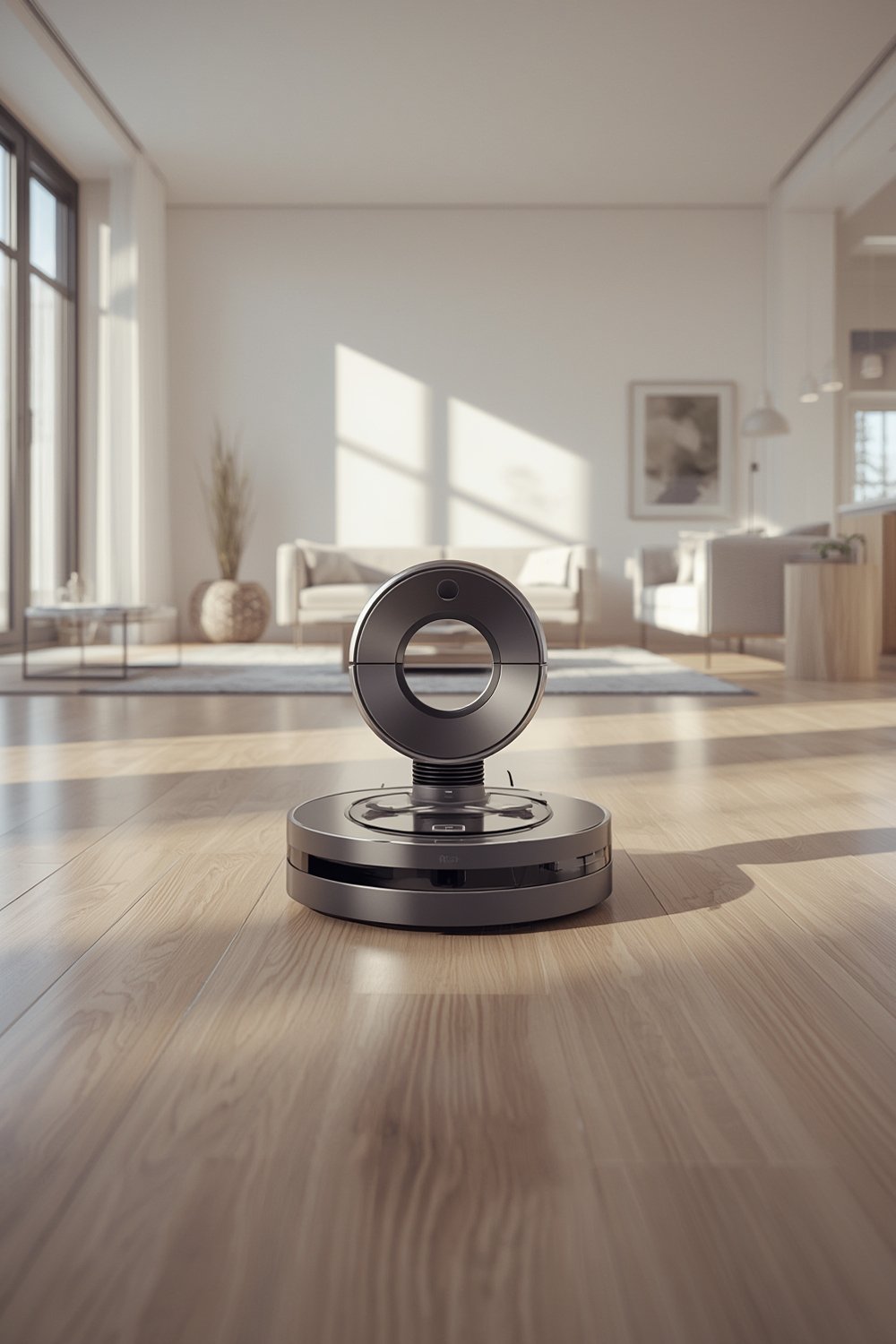
While the robotic vacuum market has surged to a projected USD 32 billion by 2032, vacuum-mop hybrids like the Spot+Scrub Ai represent the fastest-growing segment.[source] However, there are currently no specific sales figures or verified rankings for Dyson’s robot mop—so expectations are shaped more by Dyson’s historic reputation than independent performance evidence.
For buyers who want to reduce daily hands-on cleaning, these promises seem very appealing. But without hands-on reviews or comparative tests against options from Roborock, Ecovacs, or iRobot, it’s critical not to overestimate early claims. To see how it really stacks up, visit our best robot vacuum mop combo guide for 2026 or examine the newest roller mop robot vacuum models competing directly with Dyson’s design.
Step-by-Step Guide: What to Know Before Buying or Using
If you’re considering the Dyson Spot+Scrub Ai or want to get started with one, follow these essential steps to maximize its benefits—and avoid frustration down the line.
- Assess Your Home’s Flooring and Layout. The Spot+Scrub Ai claims advanced pattern recognition, but as with any AI-based robot, floor transitions, thresholds, and tricky layouts (like stairs or split levels) can confuse mapping. If you have rugs plus hard floors, check if your planned mopping zones are safe from excess water. For homes with lots of pet hair or high-traffic edges, consider whether a dedicated robot vacuum for pet hair or an edge-cleaning robot vacuum mop better fits your needs.
- Set Up Docking and Charging Properly. Place the self-emptying dock on a flat, open area with at least 1.5 feet of clearance to the sides. Avoid putting it behind doors or tight corners, as this can confuse even advanced AI docking. Check that there’s easy access to a power outlet, and beware of spills or leaks if docking near the kitchen.
- Prepare and Customize Cleaning Maps. On first use, run the robot in mapping mode without mopping or aggressive suction. Let it finish the full floor plan to optimize subsequent cleanings. Create custom “zones” for spot cleaning—critical for areas where spills or heavy dirt collect. Update these maps after furniture moves or renovations.
- Schedule Cleanings and Monitor Early Sessions. Unlike traditional stick or upright vacuums, robot vacuums work best on a routine schedule. For example, early morning or midday runs can keep daily dust and dirt from accumulating. Monitor the first few runs in person to spot edge misses or repeated navigation hang-ups. If you notice problems, tweak your map and cleaning zones. For more routine upgrades, check out our list of energy efficiency upgrades that work well with smart home cleaning.
- Maintain and Clean Regularly. Even with a self-emptying dock, you need to check the dust bin, water tank (for mopping), and rotating brushes at least weekly. mop pads should be machine washed or swapped based on the manufacturer’s guidance—especially after heavy spills or pet messes. Pet hair and fine dust still clog filters, so review the robot’s instruction manual for your maintenance cycle.
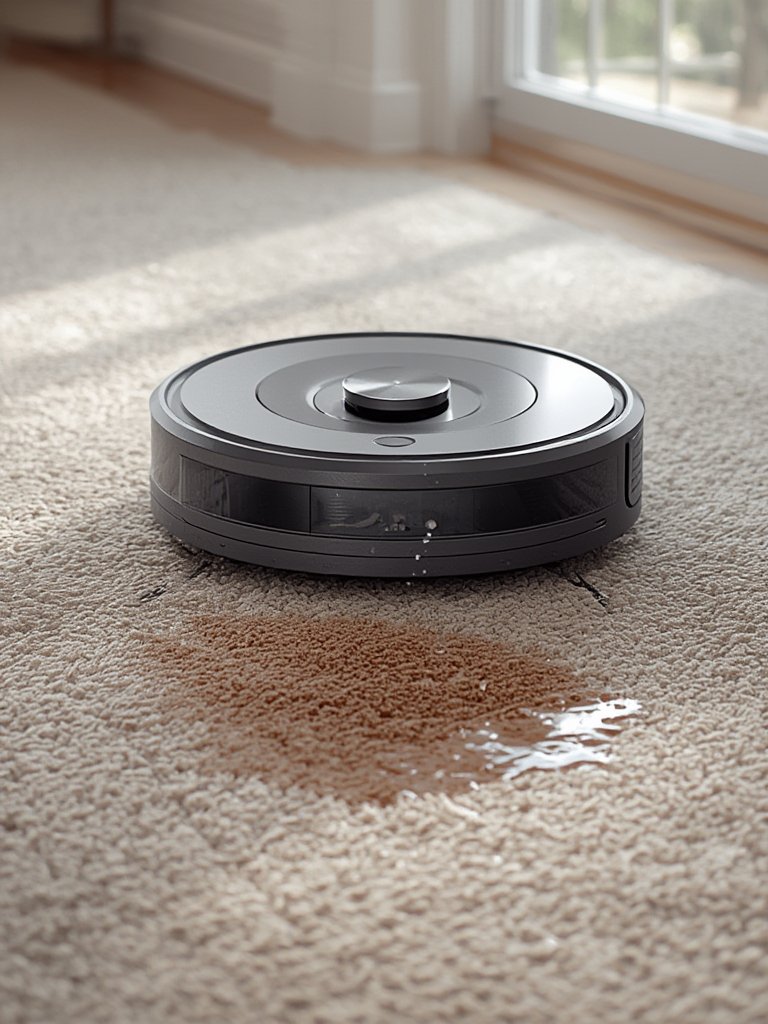
Want a hands-off cleaning process? New docks in this category can auto-wash and dry mop pads, but performance varies. Compare Dyson against new self-washing robot vacuum docks, especially if you’re targeting hygienic mopping of kitchen floors or bathrooms.
Finally, always set realistic maintenance reminders. Even “smart” robots aren’t truly effortless—skipping pad or bin cleanings is still the #1 cause of odor and streaks.
Advanced Analysis & Common Pitfalls
Despite Dyson’s brand strength and marketing, the Spot+Scrub Ai robot vacuum’s real-world results remain unproven. Here’s what every shopper or new owner should look out for:
- Performance Claims vs. Reality: As of mid-2026, there are no published suction, water tank, battery, or noise specs for the Spot+Scrub Ai. If you buy early, you’re betting on Dyson’s reputation, not independent lab tests or user reviews.
- Wet and Dry Cleaning Risks: Without user-reported data on mopping efficiency, edge cleaning, or hair pickup, buyers can’t confidently compare this model to rivals like Roborock, Ecovacs, or iRobot. Inadequate mop pad cleaning or improper boundary settings could leave water on carpets or streaks on tile. Consider alternatives like mop swapping robot vacuums if you want dedicated wet and dry zones.
- Software Reliability and Upgrades: Dyson’s AI mapping and cleaning mode claims sound advanced, but the absence of long-term software update results is a red flag. Some brands have struggled with navigation software glitches after firmware changes. If you have complex room layouts, future-proof yourself with a model offering reliable, frequent software upgrades and clear customer service channels.
- Customer Service Gaps: Dyson restructured in 2024, but there’s no public data on how this impacts service speed or regional support for robot vacuum buyers.[source] For premium-priced robots, responsive support is vital, especially given the complexity of AI software and self-emptying docks.
- Durability and Maintenance: No top-ranked review covers real-world durability for the Spot+Scrub Ai yet. Early robot vacuum adopters know that rotating brushes, water pumps, and mop mechanisms tend to fail first—often after the first year of use. Build in the expectation for some manual intervention, even with premium robots.
| Feature | Dyson Spot+Scrub Ai | Roborock (2026) | Ecovacs (2026) | iRobot (2026) |
|---|---|---|---|---|
| Suction Power (Pa) | Not Published | Up to 12,000 (Saros Z70) | Up to 11,000 (Deebot X5) | Not Published |
| Mopping Type | Wet Mop, AI Spot-Scrub | Roller Pad, Hot Water Dock | Vibrating Pads, Hot Water Dock | Rotating Pad, Manual Mop Fill |
| Edge/Corner Cleaning | AI-Driven Passes | Extendable Brush Head | Edge Focus Mode | Dual Side Brushes |
| Hair Pickup | Not Reported | Anti-Tangle Roller | Anti-Hair Mode | Rubber Extractor |
| Self-Emptying Dock | Yes | Yes (Auto Wash/Dry) | Yes (Hot Water/Wash/Dry) | Yes (Basic) |
| Approx. Price (Launch) | $400–$700 (est.) | $800–$1100 | $900–$1200 | $700–$1000 |
Data based on published sources and best-estimate pricing. Dyson details are not yet officially released. See market overview and competitor analysis for fuller context.
If your priority is true deep-cleaning innovation, compare Dyson’s technology to next-gen hot water mopping robot vacuums or edge-dedicated rivals before making a decision.
Conclusion
The Dyson Spot+Scrub Ai robot vacuum brings premium-tier hardware and AI-driven cleaning promises, but as of 2026 there’s still no independent test data or long-term user feedback to confirm its real advantages. Specs like battery life, water tank size, and suction strength remain undisclosed, making it impossible to make an apples-to-apples comparison with leading robot vacuum mop models.
If you’re comfortable being an early adopter and value Dyson’s engineering pedigree, this model could automate most of your daily vacuuming and mopping. If you need proven results, reliable customer support, or best-in-class pet hair and edge cleaning, explore other established competitors and detailed buying guides before investing. For a head-to-head breakdown and emerging technologies in the category, check our full robot vacuum mop roundup or deep dives into carpet-safe robot mops.
Ready to make the leap? Compare models and prep your home before buying the Dyson Spot+Scrub Ai robot vacuum—and be sure you know exactly what to expect from AI-powered cleaning in real life.
Still have questions? Check the FAQ below.
FAQ
Does the Dyson Spot+Scrub Ai robot vacuum work on thick carpets or dark floors?
No official guidance is published yet. Most robot vacuums can struggle with high-pile rugs or very dark flooring due to sensor limitations. It’s best to verify coverage in reviews once available or ask the brand directly before purchasing.
How does the mopping system avoid getting carpet wet?
Dyson’s AI mapping should help prevent mopping on carpets, but without hands-on reviews or official specs, it’s unclear how reliably the robot can avoid rugs or transitions. Some brands have dedicated carpet lifting mechanisms—until tested, caution is advised.
What maintenance do I need to perform on the Spot+Scrub Ai robot vacuum?
Expect to clean and replace mop pads regularly, check for filter/hair clogs, and empty or wash dustbins frequently—even with a self-emptying dock. Follow the instruction manual closely, as skipping maintenance can cause malfunctions or odors.
Is the Dyson Spot+Scrub Ai robot vacuum worth the premium price?
With no side-by-side performance data, buying at a premium price ($400–$700 estimated) is a leap of faith. If you rely on long-term reliability, proven cleaning metrics, or superior customer support, compare features and reviews across brands first.
Where can I find independent reviews or test results for the Spot+Scrub Ai?
As of now, there are no detailed independent user reviews or engineering test results available for this model. Watch for updated comparisons and in-depth reviews on expert sites or check the official Dyson press release page for news on upcoming data.
—