

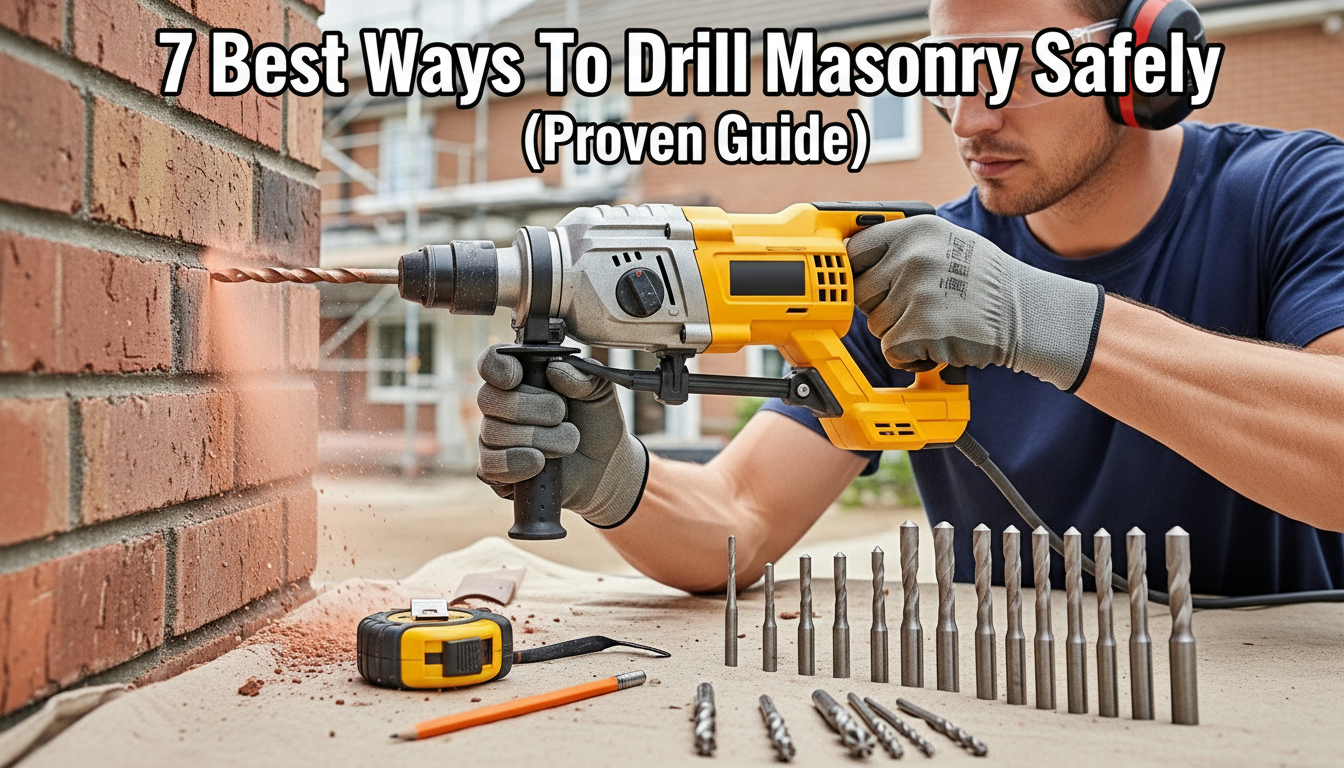
What material is drilled with a hammer drill? If you need to drive fast, clean holes into tough building materials without destroying your drill bits or wasting time, choosing the right tool and knowing which surfaces it’s actually meant for can save frustration, money, and even injury. Here’s exactly which materials hammer drills are designed to tackle — including some critical risks most guides never reveal.
Key Takeaways
- Hammer drills are built for drilling into hard masonry materials like concrete, brick, cinder block, and natural stone — using the hammering action for efficiency.
- For softer materials (wood, light metals, tile), always switch to rotary-only mode; using hammer mode risks damage and uneven holes.
- Selecting proper masonry bits and drilling techniques prevents bit wear, safety hazards, and poor results, especially in challenging surfaces.
- What Is a Hammer Drill Actually Used For?
- Step-by-Step Guide: How to Safely Drill the Right Materials
- Advanced Analysis & Common Pitfalls (Plus a Pro Comparison)
- Conclusion
- FAQ
What Is a Hammer Drill Actually Used For?
Hammer drills deliver both rotary (spinning) and percussive (hammering) force, letting you punch through tough surfaces much faster than with a standard drill. In 2024, tool manufacturers explicitly recommend hammer drills for:
- Concrete — slabs, poured walls, reinforced concrete
- Brick — solid and veneer types
- Cinder blocks (cement blocks)
- Natural stone — granite, limestone, sandstone
- Masonry — including bricks, mortar joints, and composite stone
- Ceramic and stone tiles (use rotary-only mode to avoid cracking)
- Occasionally, light metals, sheet metal, soft and hard woods (in rotary-only mode)
The hammering action rapidly chips away brittle surfaces like masonry, producing less bit wear and much faster drilling versus a regular drill. For wood, metal, and tile, the hammer action should always be switched off to avoid damaging the material or the drill bit.
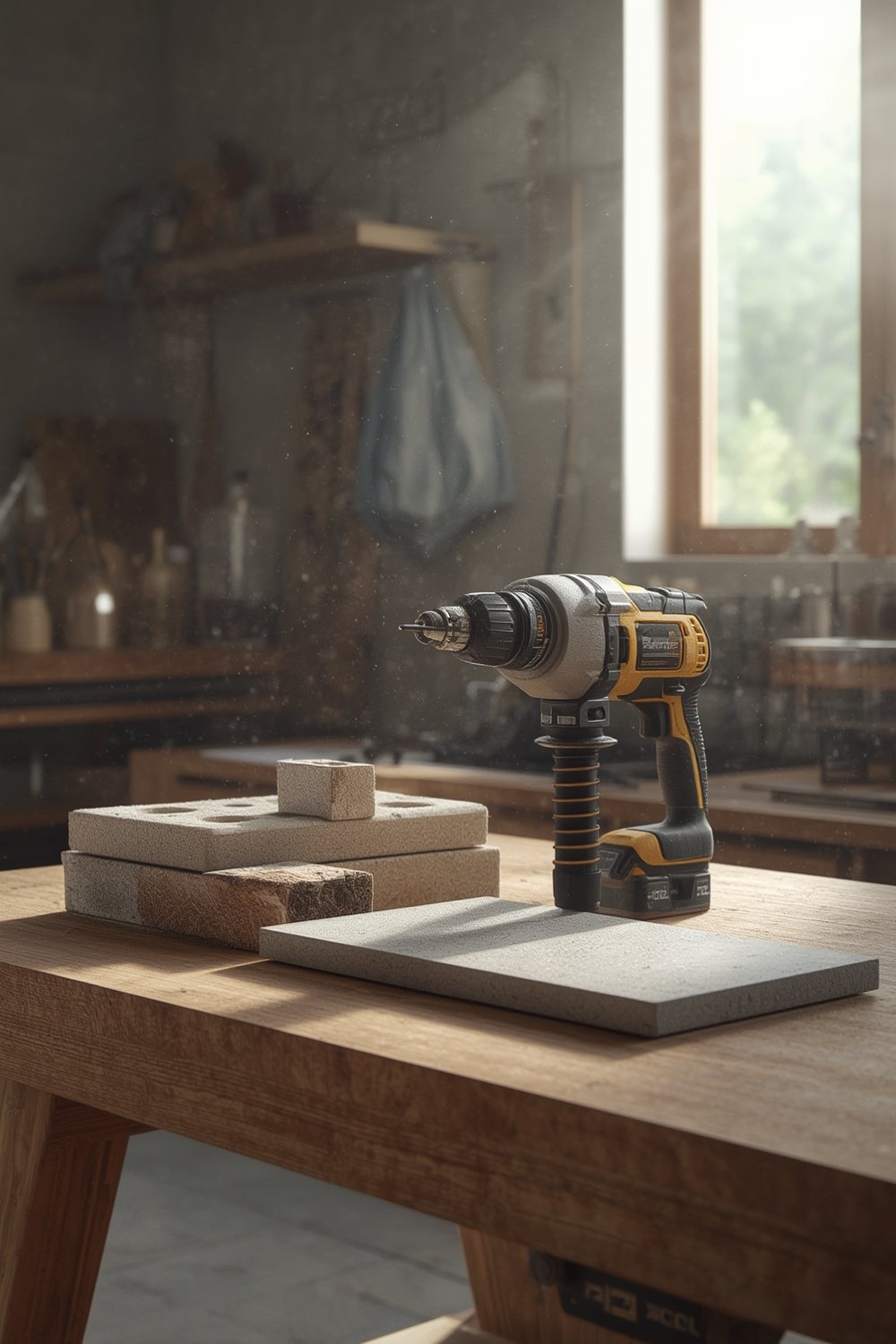
Leading brands agree: using hammer action on suitable materials dramatically improves speed and safety, while improper use (e.g., leaving hammer mode on for wood) causes problems. (Source, Source 2)
For an even bigger energy efficiency boost in your projects, see our guide to energy efficiency upgrades.
Step-by-Step Guide: How to Safely Drill the Right Materials
- Identify the Material: Check if you’re drilling into masonry (concrete, brick, block, stone), tile, wood, metal, or composites. This determines whether to use hammer or rotary-only mode.
- Select the Right Bit: For masonry, use carbide-tipped SDS-Plus or masonry bits. Tile needs a tile/glass bit. Wood or metal require sharp, appropriate drill bits.
- Set Drill Mode: Engage hammer mode for masonry/concrete. Always switch to rotary-only for wood, metal, tile, plastics, or laminates to avoid splintering or deformation.
- Mark and Start Slow: Mark your hole with a pencil or punch. Use low speed and minimal pressure to begin, especially on brittle materials or when making pilot holes.
- Apply Pressure Gradually: For hard masonry, maintain steady, moderate pressure—don’t force the bit. In softer materials, too much pressure can crack or splinter.
- Control Debris: Withdraw the bit occasionally on deep holes, letting debris escape and the bit cool.
- Finish Wisely: As you’re about to breakthrough, ease off speed and pressure to prevent blowout on the exit side of the hole.
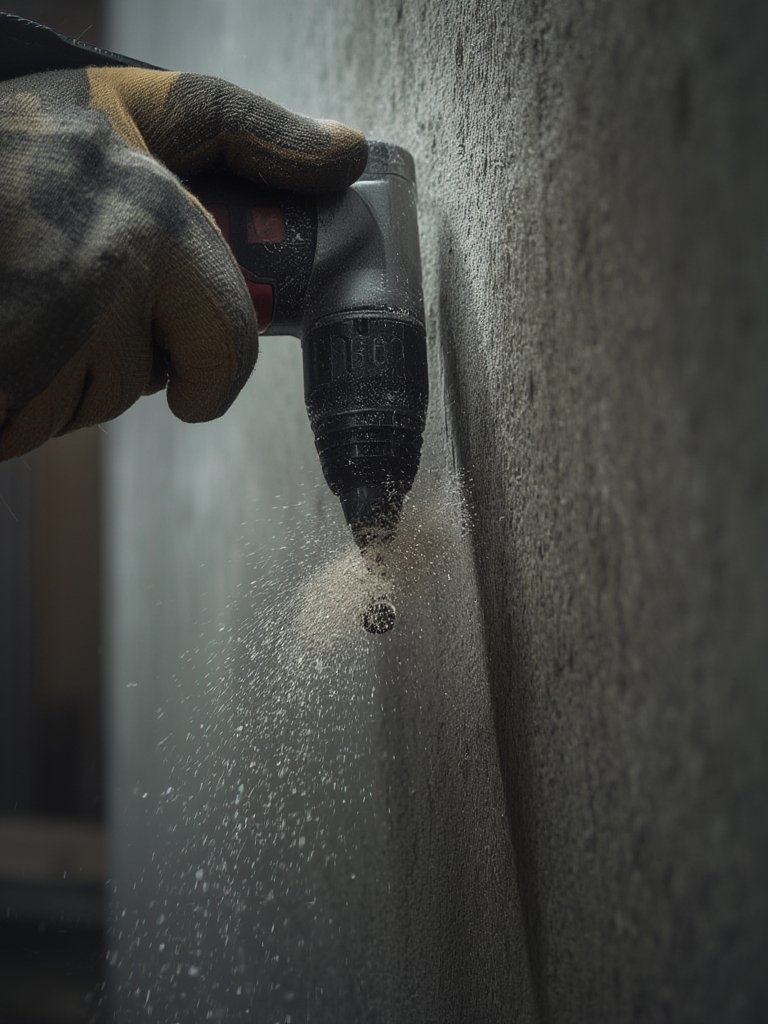
For jobs involving trim or decorative finishes—like precision crown molding installation or adding a non-slip rug on hardwood—avoid hammer mode altogether to keep finishes safe.
Advanced Analysis & Common Pitfalls (Plus a Pro Comparison)
Common Mistakes Using a Hammer Drill
- Leaving hammer mode enabled on wood, thin metal, tile, or plastics — results in splintering, cracking, or warping.
- Using non-masonry bits (like twist bits) on hammer mode — these dull or break fast, creating rough holes.
- Applying too much speed or force — especially on tiles, glass, or plastics, risks catastrophic cracking or melting.
- Skipping pilot holes in hard substrates. Without a guide, your bit can wander or break.
There’s a big performance gap between using a hammer drill vs. a regular drill for masonry jobs:
| Material | Best Drill Type | Correct Bit | Mode | Risks If Wrong |
|---|---|---|---|---|
| Concrete / Cinder Block | Hammer Drill | SDS-Plus, Carbide-tipped | Hammer mode only | With regular drill: bit wear, slow, possible overheating |
| Brick / Mortar Joint | Hammer Drill | Masonry bit, mortar bit | Hammer mode | Regular drill: slow, rough holes, risk bit breakage |
| Natural Stone | Hammer Drill | Tungsten carbide, diamond-tipped | Hammer mode | Improper bits: overheating, cracks, slow drilling |
| Wood / Metal / Tile | Hammer Drill or Regular Drill | Wood, metal, or tile bit | Rotary-only | Hammer mode: splintering, warping, deformation |
| Plastics, Laminates | Regular Drill | Sharp twist or specialty bit | Rotary-only | Hammer mode: melting, cracking, delamination |
Did you know?
In a field trial with reinforced concrete (8,000 holes), hammer drills finished 31% faster — 18 days instead of 26 — and showed an extremely low bit failure rate of 0.2%. (Source) By contrast, regular drills wear out bits quickly and waste hours on similar jobs.
Always choose an SDS-type or high-impact resistant bit for any job requiring hammer mode. Brands like Diablo, Boffo, and Rynex Tools specify that improper bit selection (or wrong mode) greatly increases bit breakage and unsafe blowouts (read more here).
Want to learn about other installation projects? Check out our guides on residential siding installation, Home Depot fence installation, or even how a bathroom remodeling company can bring your renovation vision to life.
Conclusion
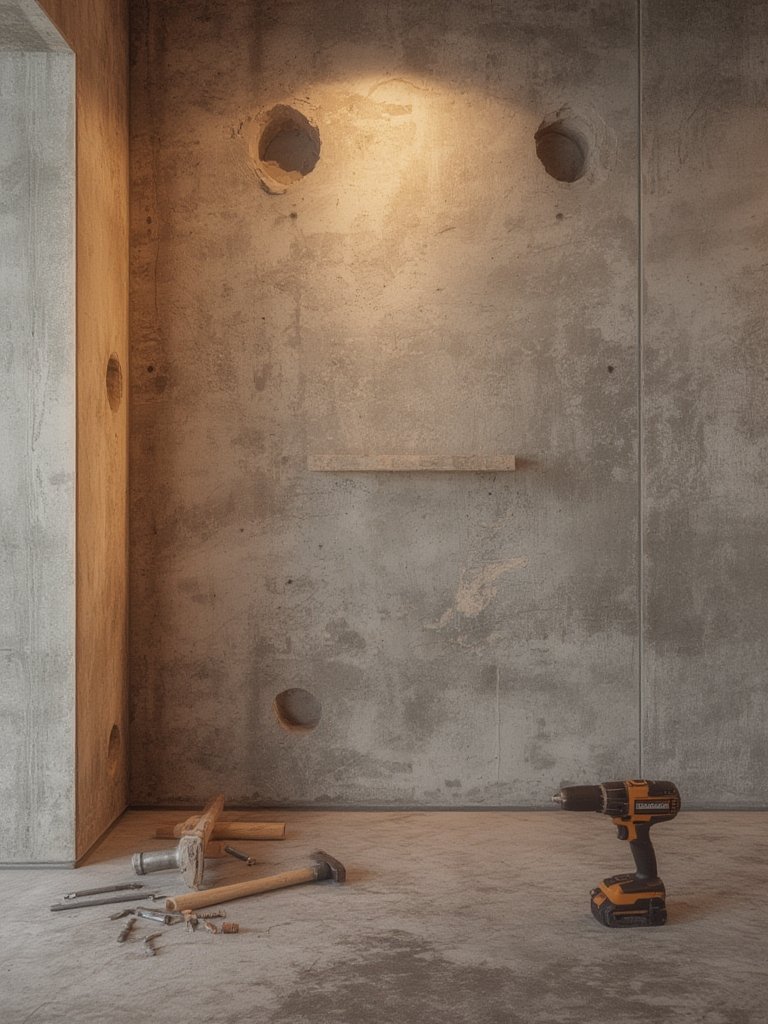
Hammer drills excel when used on concrete, brick, cinder blocks, and natural stone, especially with the proper masonry bit and hammer mode active. For softer materials, switching to rotary-only prevents damage and ensures clean, safe holes. Understanding exactly what material is drilled with a hammer drill — and knowing when to switch modes or bits — is the key to avoiding wasted time, ruined work, or serious tool damage.
Ready to tackle your next DIY or construction project with confidence? Compare your options, choose the right tool-settings for your material, and don’t forget: investing in the proper drill bits pays for itself over the lifetime of your tools. Need more help on smart upgrades? See our guides for energy efficiency upgrades or bathroom remodeling to get the job done right.
FAQ
Can I use a hammer drill on wood or metal?
Yes, but only in rotary-only mode. Hammer action should always be turned off for wood, light metals, tile, plastics, or composites to prevent damage, splintering, or deformation of the material.
What is the best drill bit for concrete using a hammer drill?
A carbide-tipped SDS-Plus or SDS-Max masonry bit is best for concrete. These bits withstand the hammering force and clear debris efficiently, reducing the risk of bit breakage and overheating.
What happens if I use hammer mode on tile, laminate, or plastic?
This often results in cracking, chipping, delamination, or melting. Always switch to rotary-only mode for these materials and use a specialty bit designed for tile, glass, or plastics.
Is there a big difference between a hammer drill and a regular drill for brick and concrete?
Absolutely. Hammer drills drill masonry materials much faster and with less bit wear — up to 30% quicker in field trials. Regular (rotary) drills struggle, wear out bits quickly, and may overheat.
Can I use a hammer drill to install fixtures in my bathroom or on decorative trim?
If drilling into masonry, use hammer mode. If drilling into tile, wood, or plastic, switch to rotary-only. Always use the correct, sharp bit for your material to avoid cracking or splintering decorative surfaces.
—