

Best air purifier 2026 is no longer just a search term—it’s a must-know category for anyone serious about clean home air in a changing world. Whether you live in a city apartment or a family home, knowing which purifier earns “best” status for 2026 means understanding sharp market growth, technical advances, and the real-world user experience. Here’s what you need, without the hype.
Key Takeaways
- The global air purifier market is rapidly growing, expected to surpass $19.5 billion in 2026, with Asia Pacific dominating.
- Modern air purifiers in 2026 offer smart technology and sustainable features, but practical pain points like noise and filter costs remain issues for buyers.
- Choosing the best air purifier means balancing advanced HEPA and activated carbon tech with realistic considerations like CADR, room size, and maintenance.
- What Makes Air Purifiers Stand Out in 2026?
- How to Choose and Use the Best Air Purifier in 2026
- Advanced Analysis & Common Pitfalls in 2026 Air Purifiers
- Conclusion
- FAQ
What Makes Air Purifiers Stand Out in 2026?
The demand for air purifiers in 2026 continues to rise, fueled by urban growth, air pollution, and increased health awareness. The global market size is projected to hit $19.5-19.65 billion this year, up nearly 14.3% from 2025 according to Grand View Research and Precedence Research. Asia Pacific is leading, with China alone accounting for nearly 40% of regional revenue. This robust surge is driven by a combination of worsening outdoor air quality, remote work trends, and new tech like smart sensors and sustainable filters.
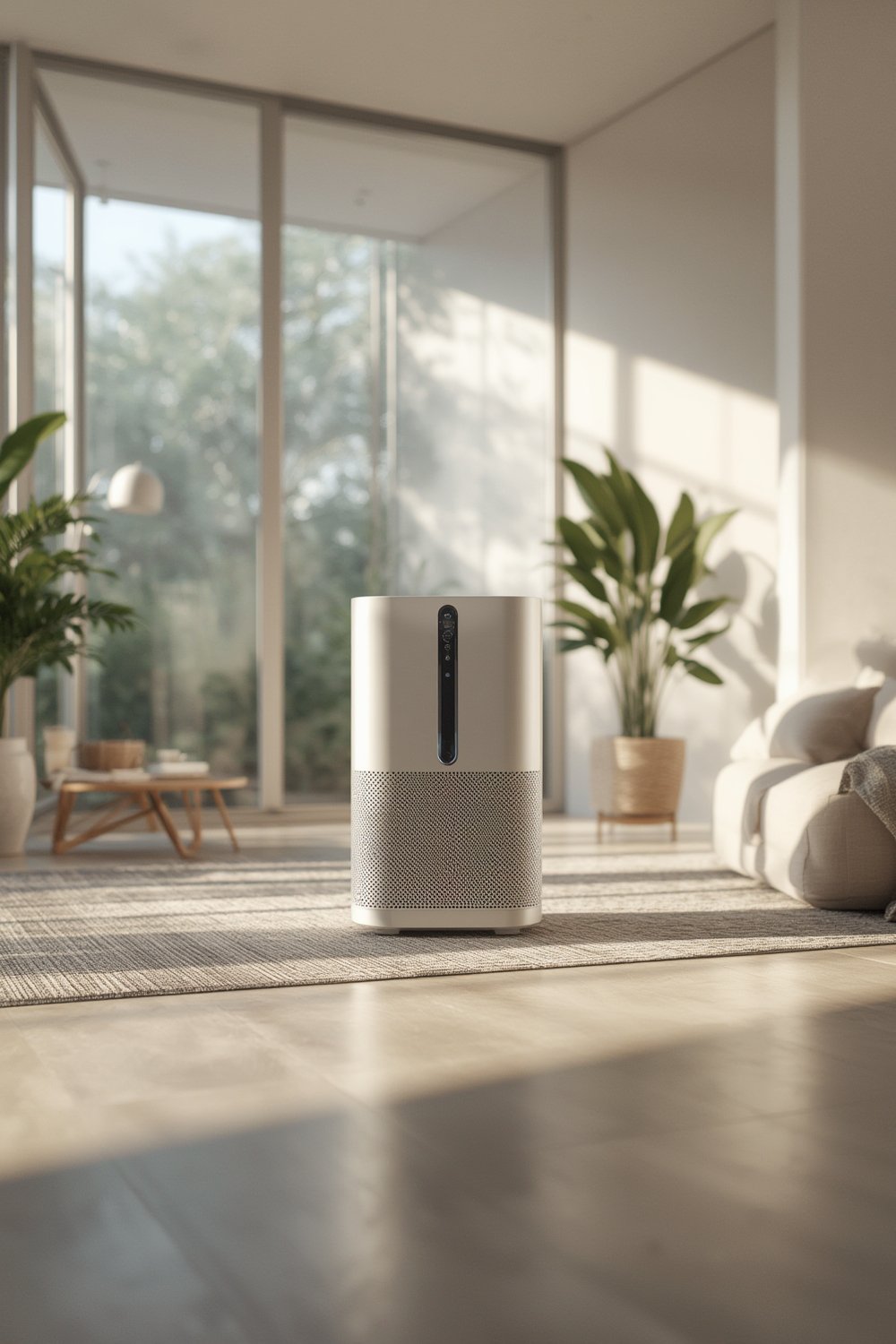
Premium models now blend HEPA and activated carbon filtration, WiFi or app-based controls, quiet operation, and filter sustainability—all while promising to fight allergens and airborne pathogens. The “best air purifier” isn’t just powerful on paper. It’s defined by easy fit in your home, manageable filter costs, and hassle-free maintenance. Brands are racing to innovate, although direct independent test data for 2026 models is still limited.
How to Choose and Use the Best Air Purifier in 2026
To actually pick a top-performing air purifier in 2026, don’t just trust big claims. Follow these specific steps to avoid buyer’s remorse:
- Measure Your Space: Match the air purifier’s rated square footage to your room. Models for large rooms are usually more expensive, while compact units below 250 sq ft are the fastest growing segment for a reason.
- Check Filter Types: HEPA and activated carbon covers particles and odors, but some units now offer washable or hybrid filters, cutting long-term costs.
- Look for Reliable Smart Features: App integration or smart sensors are worthwhile only if they offer accurate air quality reporting, scheduler functions, and real automation—not just basic WiFi connectivity.
- Assess Noise Levels: Ensure the decibel (dB) ratings are truly quiet at your preferred fan speed. A low setting is great, but check how loud the maximum power gets for allergy or haze events.
- Check Filter Replacement Frequency and Cost: Review both price per filter and expected replacement intervals. Some cheap units have filters that cost half as much as the base model every year.
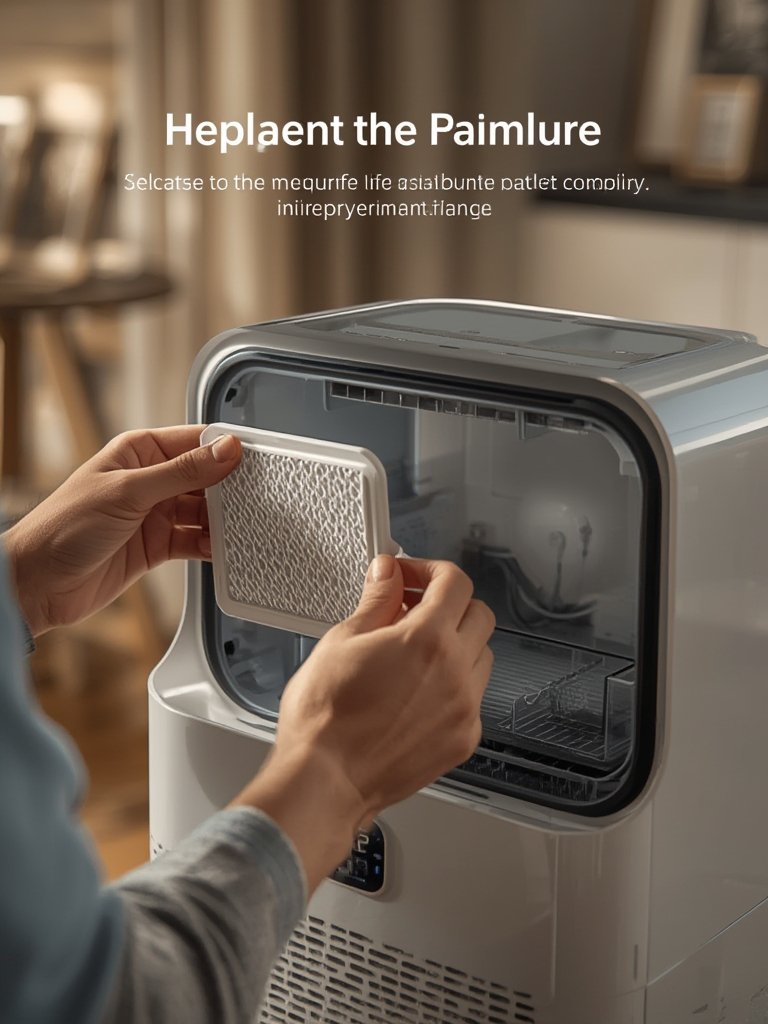
After setup, place your purifier away from walls or curtains for maximum airflow. Clean the pre-filter (if applicable) every few weeks. If you’re also making broader energy efficiency upgrades at home, consider the power draw—most efficient units are now designed for 24/7 use while using less than a light bulb.
Want to simplify home cleaning in general? See our guide for kid and pet friendly rugs that work with purifiers for a healthier, low-maintenance space.
Advanced Analysis & Common Pitfalls in 2026 Air Purifiers
Despite all the improvements, no air purifier is perfect. Here’s what often goes wrong for real users—and how to avoid the same mistakes:
- Filter Replacement Cost Shock: Entry-level models sometimes lock you into costly proprietary filters; read reviews or ask about long-term costs before committing.
- Underpowered for Large Rooms: Many buyers attempt to save money by using too-small units in big spaces, resulting in barely improved air.
- Noise at Maximum Speed: Quiet at low, but annoyingly loud at high settings, especially for open-concept homes or bedrooms.
- Poor App Reliability: WiFi/app control can be buggy or lack useful automation if not well engineered; always update firmware promptly.
- No Transparent Test Results: Brands rarely publish independent CADR, noise, or energy data for 2026 models. Look for certifications (AHAM, CARB, Energy Star) for more trustworthiness.
| Feature | Ideal | Common Issue |
|---|---|---|
| Room Coverage | Matches room area + extra margin | Coverage overrated, actual performance drops for open layouts |
| HEPA & Carbon Filter | Both present, easily replaced | Replacement frequency and cost can be higher than expected |
| Smart Features | Accurate air quality and scheduling | App bugs or poor connectivity |
| Noise Level (dB) | <30 dB on low, <55 dB on high | Higher than advertised when working hard |
Units with auto mode can sometimes leave air only half-treated in fast-changing environments. For maximum performance, manually boost the fan in high-pollution or allergy season.
For more about setting up an efficient living environment beyond air, check these guides:
- Non-slip rug solutions — Help your air purifier by keeping floor dust down.
- Improving laundry scent longevity — For fresh-smelling rooms that complement your cleaner air.
Conclusion
The best air purifier 2026 is defined by smart design, efficient filtration, and transparency—not buzzwords or big claims. As the global market expands, buyers should focus on honest filter specs, room coverage, noise transparency, and practical maintenance. Don’t just chase new features. Instead, consider how each unit fits your space, your habits, and your actual air quality challenges.
Ready to breathe easier? Research your options, review independent certifications, and choose a purifier that fits—not just the best air purifier 2026 label, but your real needs. If you’ve streamlined your home with upgrades like a microfiber bed sheet or a smart night light, a quality purifier is the next step for comfort and peace of mind. Take action today—cleaner air is possible.
FAQ
How big is the air purifier market in 2026?
The global market is valued between $19.5–19.65 billion in 2026, showing strong growth due to air pollution, widespread adoption in Asia, and health awareness. Sources: Grand View Research, Precedence Research.
What features should I look for in the best air purifier of 2026?
Focus on HEPA and activated carbon filters, quiet operation, smart sensors with reliable apps, and transparent filter replacement costs. Certifications from AHAM, CARB, or Energy Star provide extra credibility.
Are filter replacements expensive for 2026 models?
Costs can add up, especially for compact or entry-priced units. Always check the price and lifespan of replacement filters before buying to avoid unpleasant surprises.
Do I need a large single purifier or multiple smaller ones?
Multiple smaller purifiers often provide more uniform air cleaning in large or oddly shaped homes and can reduce overall noise and running costs versus a single oversized unit.
Why are there few user reviews or independent tests for 2026 air purifiers?
Many new 2026 models have just launched; independent lab test data and detailed user reports will increase over time. Always verify marketing claims with certifications or third-party sources when possible.