

Looking for the most reliable way to keep your dog safe outdoors? The gps dog fence is changing how pet owners create secure boundaries and track their pets in real time. Unlike traditional fences or buried wires, these smart collars use advanced GPS to offer worry-free dog containment almost anywhere.
Key Takeaways
- GPS dog fence systems are growing fast, offering flexible, wire-free pet containment and real-time tracking for modern pet owners.
- Key downsides include GPS signal reliability—especially in dense woods or urban canyons—and lack of published real-world accuracy or pricing comparisons.
- Setup is typically easier than traditional fences, but expect performance to vary by location and collar model.
- What Is a GPS Dog Fence and Why Consider One?
- How to Set Up and Use a GPS Dog Fence
- Advanced Analysis and Common Pitfalls
- Conclusion
- FAQ
What Is a GPS Dog Fence and Why Consider One?
A gps dog fence is a virtual pet containment system using satellite-based location tracking. Instead of installing buried wires or fixed posts, you set customizable boundaries via a handheld device or smartphone app. Your dog wears a collar with GPS built in—when they approach the edge of the boundary, the collar gives a warning beep or vibration, and may deliver a mild correction to deter crossing.
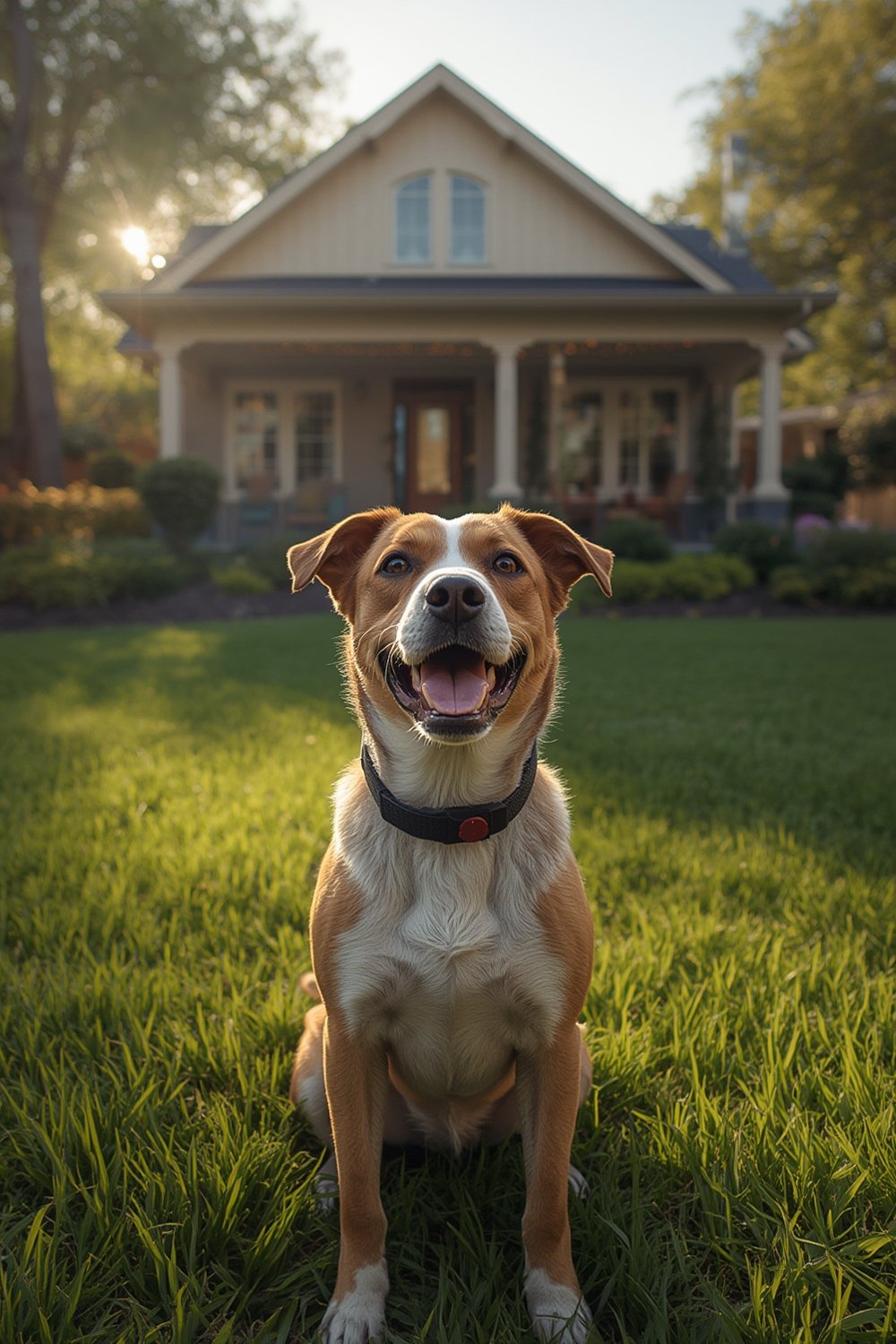
Why are gps dog fence systems gaining ground in 2024? Global spending on GPS-enabled dog collars is projected to surpass USD 420–540 million by year-end, with North America leading adoption. Their appeal is clear: no digging, easy portability, support for multiple pets, and hands-off boundary changes. These systems are especially convenient for renters, travelers, or anyone with an unfenced yard.
Real-time pet tracking, customizable boundaries, and smartphone notifications are becoming standard. But beyond the flexibility, GPS dog fences also promise stronger peace of mind—a single investment can protect your dog almost anywhere you go.
If you deal with persistent dog escapes or your property simply can’t take a traditional fence, a gps dog fence might be the most effective modern solution. For families concerned with home safety upgrades, you may also want to explore energy efficiency upgrades for wider peace of mind.
How to Set Up and Use a GPS Dog Fence
While every brand has its own quirks, today’s wireless GPS fence setup is refreshingly simple compared to buried wires or static radio-frequency (RF) units. Here’s a practical step-by-step guide for first-timers and renters alike:
- Charge and set up the collar. Before first use, fully charge the GPS collar. Download the manufacturer’s app or instructions on your phone.
- Map the containment zone. Walk the desired perimeter carrying the collar (and your phone or controller). GPS systems require you to physically “record” the boundary; this can be any shape that fits your yard or property lines. Many systems support multiple saved zones.
- Adjust settings and warnings. Set notification preferences—choose warning tone, vibration, or static correction as allowed by local regulations and your training preferences. Test the collar on yourself for sensitivity and comfort.
- Introduce your dog. Leash your dog and walk them near—but not outside—the boundary. Use positive reinforcement when they heed the warning signals. Never start off-leash until you’ve tested response consistently.
- Monitor for GPS errors. Over the next few outings, keep an eye on the fence’s reported location and your dog’s response—GPS signals can shift several feet (often due to weather or tree cover). Re-walk perimeters as needed. Check battery life daily for the first week.
-
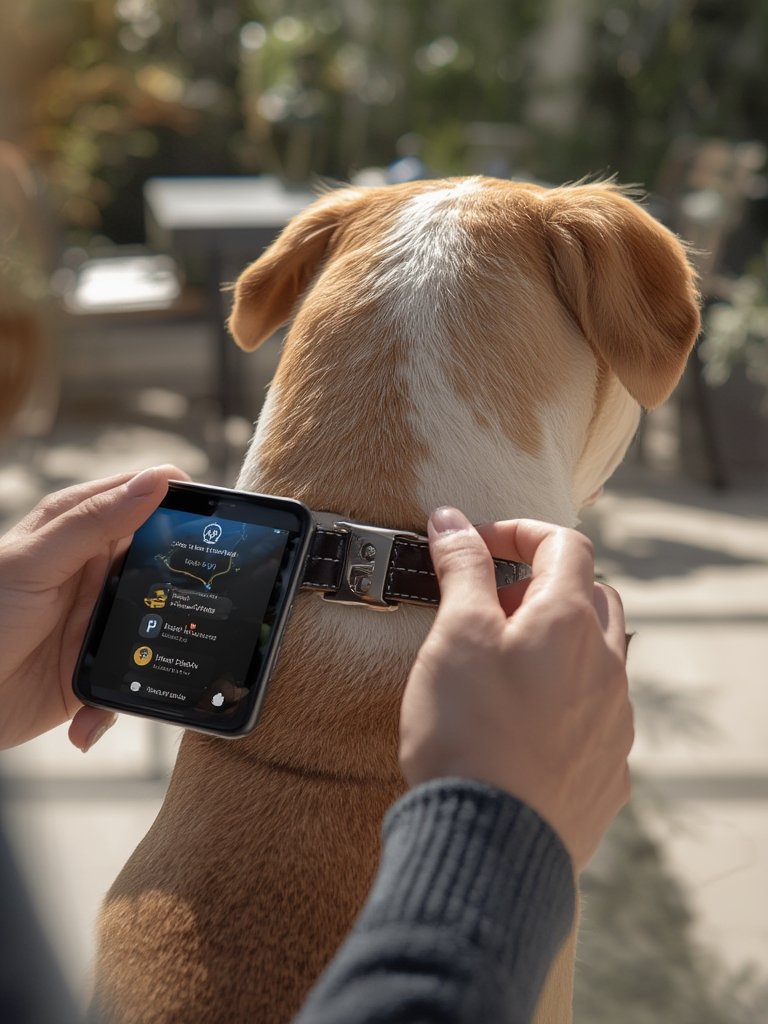
- Scale and adapt. Traveling or renting? Simply remap the new property by repeating Step 2—no digging, no wires, full flexibility.
Beyond basic setup, savvy pet owners can leverage advanced options such as remote activity tracking, integration with pet doors, or multi-pet management directly from their smartphone. If you want even more low-maintenance household upgrades, see our guide to the best kid and pet friendly rug options to simplify cleaning.
Advanced Analysis and Common Pitfalls
While GPS dog fences offer compelling advantages, they’re not a cure-all. Let’s break down the current market realities and recurring issues you may face—whether you’re comparing SpotOn, Halo Collar, or generic alternatives.
Market Data and Price Gaps
Recent reports estimate global GPS dog fence collar market size at $420–540 million in 2024, growing at over 13% annually. However, no public, brand-specific adoption rates, price averages, or up-to-date comparative accuracy tests were found. Most features—like geo-fencing, real-time tracking, and app controls—are considered standard, but subscription models and real-world performance vary dramatically (source here).
Reliability and Coverage Limits
Top user frustrations stem from technical and environmental limits:
- GPS signal can drift or fade—especially on forested land, near tall buildings, or in stormy weather.
- Inaccuracies of 3-15 feet may occur, making it critical to supervise the first days of use and carefully train your dog.
- Battery life and charging: Manufacturers claim several days per charge, but actual runtime is rarely published or tested side-by-side.
- Minimal vendor support for multi-pet households unless all pets have GPS collars—unlike some classic radio setups that support multiple transmitters easily.
- Subscription requirements: Cellular-enabled models often have ongoing fees for location tracking or alerts—details are rarely transparent up front.
Here’s how GPS fences compare to classic solutions:
| Feature | GPS Dog Fence | Wired Fence | RF Wireless Fence |
|---|---|---|---|
| Setup Time | 30–90 min (no digging) | 4–8 hours (digging required) | 60–120 min, limited shapes |
| Flexibility | Any shape, portable | Fixed after install | Limited to circular zones |
| Signal Reliability | May drift or drop in woods, hilly or urban | Stable if wire is intact | Interference possible |
| Ongoing Costs | Varies (app/cellular fees likely) | None after install | None after install |
| Best For | Renters, travelers, unique property lines | Permanent homes/large yards | RF Wireless Fence |
If you’re worried about low-maintenance and durability for the rest of your home, consider pairing a wireless fence with residential siding installation or reviewing other home depot fence installation options for a complete outdoor upgrade.
Technical Limitations
GPS fences generally work best in open areas. Dense trees or extreme weather may cause the boundary to “drift” several feet. Some users combine GPS collars with a traditional fence or use backup physical barriers in critical areas for added security. As of 2024, brand data is extremely limited—spotty battery, cellular outages, or terrain anomalies can cause lapses, so periodic manual testing is recommended.
If you’re upgrading your backyard, check if your chosen system can work with iron fence company near me contractors for hybrid setups.
Conclusion
A well-chosen gps dog fence delivers freedom and modern security for dogs, without the hassle of digging, wires, or traditional fencing. Before you invest, be realistic about your yard, review coverage maps, and monitor your pet’s behavior for the first weeks. Prioritize proven brands and always check for ongoing fees or coverage limitations. For complete home improvement and peace of mind, you might also explore non slip rug or bathroom remodeling company near me solutions.
Ready to protect your dog and simplify your routine? Research the top-rated GPS collars, compare features honestly, and always test them in your own environment before relying on them fully.
FAQ
How accurate are GPS dog fence systems?
Most GPS dog fences offer location accuracy within 3-15 feet under ideal conditions. Accuracy decreases near dense woods, tall buildings, or bad weather. Always observe your pet’s initial response for safety.
Can GPS dog fences work for large or oddly shaped yards?
Yes, most systems let you map any boundary shape and work well for large, irregular properties—as long as GPS signal is consistent throughout. If you have signal dead zones, consider a hybrid solution for extra security.
Are there ongoing subscription fees?
Many GPS dog fence collars require a subscription for app access or cellular tracking features. Always read the fine print, as fees can vary by brand and options selected.
Will a GPS dog fence work indoors?
No, GPS dog fences need a clear line of sight to satellites and will not work reliably inside the house or in enclosed garages. They’re meant for outdoor use only.
What happens if the GPS signal is lost?
If the collar loses signal, most systems trigger a warning or default to safety mode. Always train with backup recall commands and supervise your pet until you’re confident in the fence’s reliability for your area.
—