

Focus Keyword: outdoor automatic pet feeder
Key Takeaways
- The outdoor automatic pet feeder market is experiencing rapid growth, but not all models address outdoor-specific risks like weather or wildlife.
- Battery life, moisture, and animal interference are realistic issues that owners face—know the pitfalls before buying.
- Following actionable maintenance and safety steps can help keep pet food fresh and secure outdoors.
- What Is an Outdoor Automatic Pet Feeder and Why Use One?
- Step-By-Step Guide: Setting Up and Maintaining an Outdoor Automatic Pet Feeder
- Advanced Analysis & Common Pitfalls (Real-World Insights)
- Conclusion
- Frequently Asked Questions
What Is an Outdoor Automatic Pet Feeder and Why Use One?
The outdoor automatic pet feeder is a device that dispenses food for your pet (or feral cats) on a set schedule, designed to withstand outdoor elements. Its purpose is to ensure your animals get regular meals—even if you’re away or asleep—without leaving food exposed to rain, pests, or wildlife. It solves the common pain points of missed feedings, soggy food, and getting up early to feed outdoor pets.
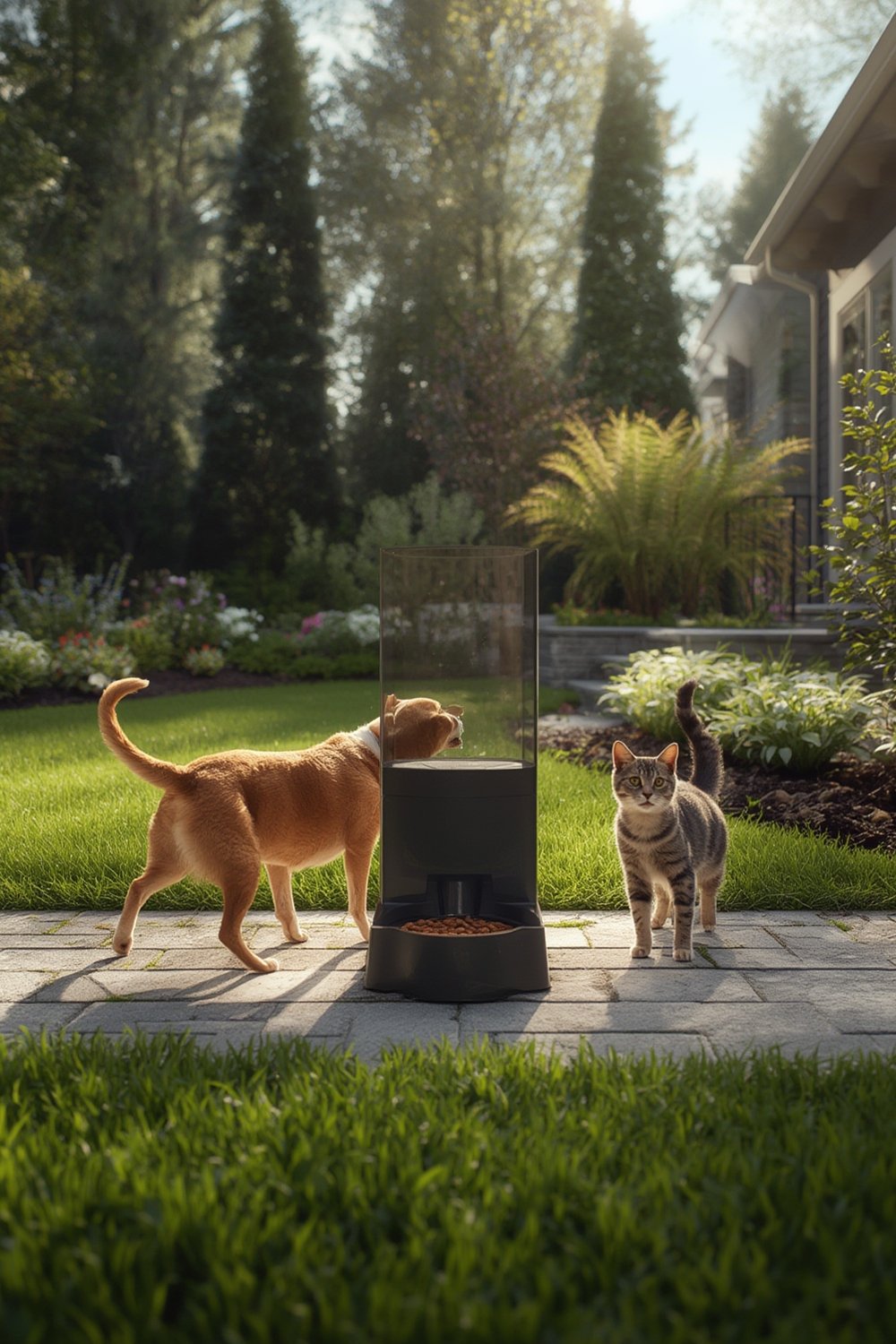
As of 2024, the global market for automatic and smart pet feeders has hit $1.72 billion, with North America leading and Asia-Pacific catching up fast. While in-house feeders are now standard, outdoor versions remain niche, often lacking robust weather protection or long-term food safety features.
Pet owners use outdoor automatic feeders for:
- Regular feeding of cats or dogs outside, especially in yards, barns, or feeding stations for feral colonies.
- Reducing labor and missed meals during long workdays, travel, or bad weather.
- Protecting pet food from moisture and wild animals—though this is only reliable with the right setup.
For those who’d like to see how other home upgrades can bring real convenience, our energy efficiency upgrades guide highlights ways to simplify busy routines too.
Step-By-Step Guide: Setting Up and Maintaining an Outdoor Automatic Pet Feeder
Get the most from your outdoor automatic pet feeder by planning each step—location, setup, and ongoing care. Here’s what actually works in the field.
- Choose the Right Feeder
- Look for models explicitly marked for outdoor use—these often have sealed electronics, thicker plastics, and lockable lids.
- Check reviews for real outdoor durability. Don’t trust “weather-resistant” unless users confirm it survives storms and wildlife!
- If you need precise portion control, models like the Petlibro Granary use advanced sensors; for high-tech solutions, explore WiFi cat feeders and smart monitoring.
- Select a Secure, Dry Location
- Place feeders on a patio, covered porch, or inside a DIY wooden shelter.
- The less exposure to direct rain, snow, or morning dew, the longer your feeder and food last.
- Keep away from busy roads and clear from sprinkler zones.
- Install Power Backup or Frequent Battery Checks
- Battery life is the #1 failure point. Outdoor WiFi models drain batteries rapidly due to constant connectivity and motor use.
- Use fresh batteries for every major season change or whenever temps swing below freezing or above 90°F.
- Some feeders support solar backup—ideal for rural setups but often pricier.
- Always test the backup alert before relying on remote features.
- Keep Food Dry and Fresh
- Only use dry kibble, since moist food can spoil or attract pests fast.
- Store unopened kibble in an Keep Food Dry and Fresh airtight bin away from the feeder to keep contents bacteria-free.
- Use feeders with gasket-sealed food bins, if possible. If not, line the inside edge with a weather-grade foam strip.
- Pest & Wildlife Prevention
- Secure food doors and bins with latch clips or small padlocks—raccoons, rats, and squirrels are smarter than you think.
- Add a motion-sensing light near the feeding area to deter overnight wildlife raids.
- Elevate the feeder on a small table or bricks to discourage ants and snails.
- Regular Maintenance and Cleaning
- Clean the food hopper and exit chute every week—never let old food or crumbs build up outdoors.
- Wipe down all electronics with a barely damp, lint-free cloth (unplug or remove batteries first).
- Check for rust on any metal parts after storms and re-coat if necessary.
- Track how much food is eaten each week to spot early signs of malfunction or animal theft.
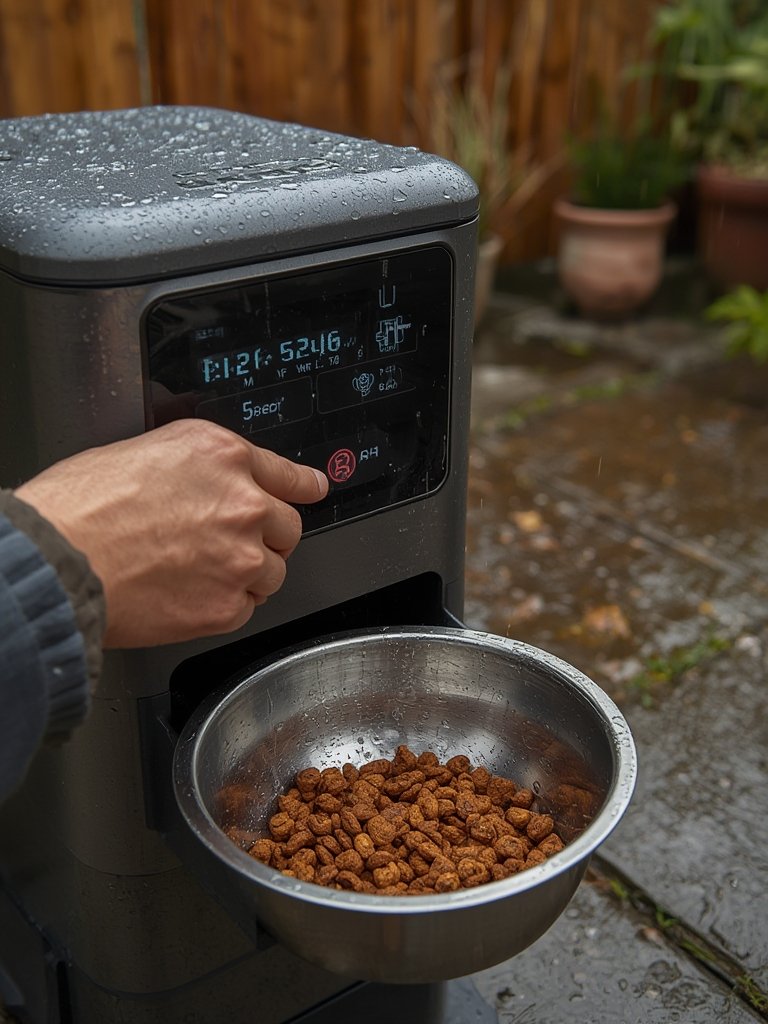
If you’re looking for other low-maintenance solutions for pet households, our kid and pet friendly rug roundup focuses on durable, easy-clean options.
Advanced Analysis & Common Pitfalls (Real-World Insights)
Even the best outdoor automatic pet feeders come with some notable risks and performance gaps.
- Battery life is often overstated. Wi-Fi or smart feeders in particular may need battery swaps every few weeks outdoors.
- Moisture kills electronics. “Weather-resistant” usually means splash-proof, not waterproof. One hard rain and your feeder could short-circuit.
- Wildlife can defeat basic latches. Raccoons and squirrels are persistent; thin plastic lids are easy to pry open.
- Food freshness is a daily struggle in humid or rainy climates. Mold, ants, and rotten kibble are frequent complaints.
- Mechanical failures spike in freezing winters or very hot regions. Motors can stick, batteries deplete, and condensation builds up inside the device.
- Cost is underdiscussed. True outdoor-rated smart feeders often run $150–$400—and may require extra for backup batteries or shelters. Ongoing costs include food loss from spoilage and repairs after wildlife attacks.
| Problem | Most Common Cause | How to Avoid |
|---|---|---|
| Short Battery Life | Constant Wi-Fi/camera use; low-quality batteries; cold weather | Use standalone (non-WiFi) models; routine battery swaps; opt for solar only if reviewed highly |
| Moisture Damage | Unsealed electronics; leaks from rain or sprinklers | Shelter feeder; reinforce seals; choose only “outdoor-rated” products |
| Wildlife Theft | Weak plastic doors; no latch; food left exposed | Add latches or a secondary cover; use motion lights |
| Food Spoilage | Rain/dew intrusion; long intervals between refills | Keep hopper dry; refresh food often; use airtight lids |
| Mechanical Failure | Condensation; temperature swings; clogging from damp food | Clean regularly; check after every storm; avoid using with wet food |
If you want to learn more about tackling other household pest problems, our guides on rat traps and bug zappers offer additional DIY solutions for outdoor pet areas.
The outdoor pet feeder market’s rapid growth—cited at $1.72 billion in 2024 globally—shows rising adoption, but most models still lag on true outdoor longevity (source).
Conclusion
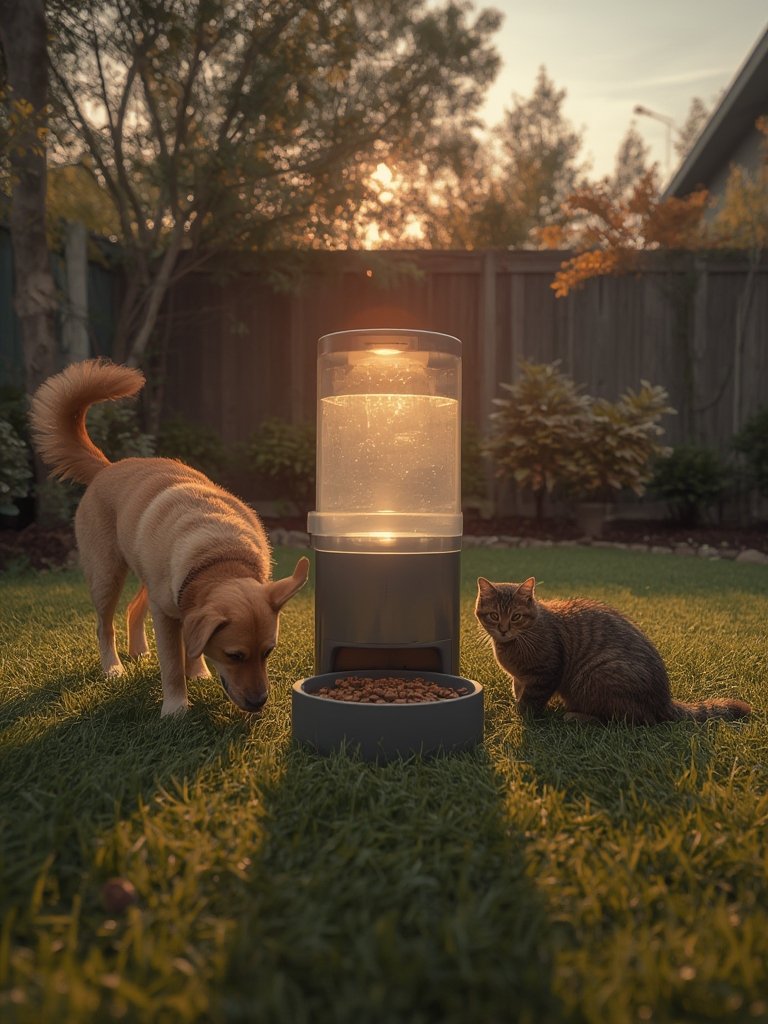
Outdoor automatic pet feeders can be a lifesaver for busy pet owners, but outdoor use brings real challenges: battery life, spoilage, and wildlife are everyday realities, not exceptions. With careful selection and by following the real-world steps above, you can enjoy the convenience of scheduled feedings while keeping your pets safe and healthy. The best value comes from pairing a quality outdoor automatic pet feeder with practical backup plans—just as you would with any major home upgrade or pest-prevention buy. Ready to set up your own? Start by researching models with a true outdoor rating and a strong track record for durability.
Looking for advanced smart options? See our expert explainer on smart dog feeders with Alexa for deeper automation tips.
Frequently Asked Questions
Can I use a regular indoor automatic feeder outside?
It’s not recommended. Most indoor models are not weather-sealed, so moisture will eventually short-circuit the electronics or ruin the food. Use only products specifically rated for outdoor use.
How do I keep ants and other pests out of the feeder?
Elevate the feeder, create a barrier using food-safe diatomaceous earth around the base, and thoroughly clean spills and residue every few days. Some users also apply small amounts of petroleum jelly on feeder legs as an ant deterrent.
Will an outdoor automatic pet feeder work in freezing temperatures?
Many standard models struggle below 32°F, as batteries drain faster and food can freeze in the chute. Look for outdoor-rated feeders with temperature specs and plan for battery swaps when cold snaps hit.
How much does a reliable outdoor automatic pet feeder cost?
Expect to pay $150–$400 for outdoor-rated or weatherproof smart feeders, plus extra for batteries or DIY shelters. Cheaper models rarely last a full year outdoors, especially in harsh climates.
What’s the best way to keep food fresh in hot, humid weather?
Keep the feeder shaded, use small portions and refill often, and choose models with airtight, gasketed lids. Never use moist or semi-moist food in outdoor feeders.
—