

Fruit fly trap placement and methods can make or break your kitchen comfort within days if you’re facing a swarm of gnats, drain flies, or fruit flies. This guide cuts through the confusion and actually helps you choose and use the best fruit fly trap strategy—without myths or empty promises.
Key Takeaways
- Fruit fly infestations are on the rise, with pest control professionals reporting they top small-fly service calls in 2025.
- Homemade traps like apple cider vinegar and commercial options both work, but results hinge on eliminating breeding sources too.
- Effectiveness, mess, safety, and actual trap costs are often overlooked but crucial for real kitchen solutions.
- What Is a Fruit Fly Trap and Why Does It Matter?
- How to Make and Use a Fruit Fly Trap: Step-by-Step
- Advanced Analysis & Common Pitfalls
- Conclusion
- FAQ
What Is a Fruit Fly Trap and Why Does It Matter?
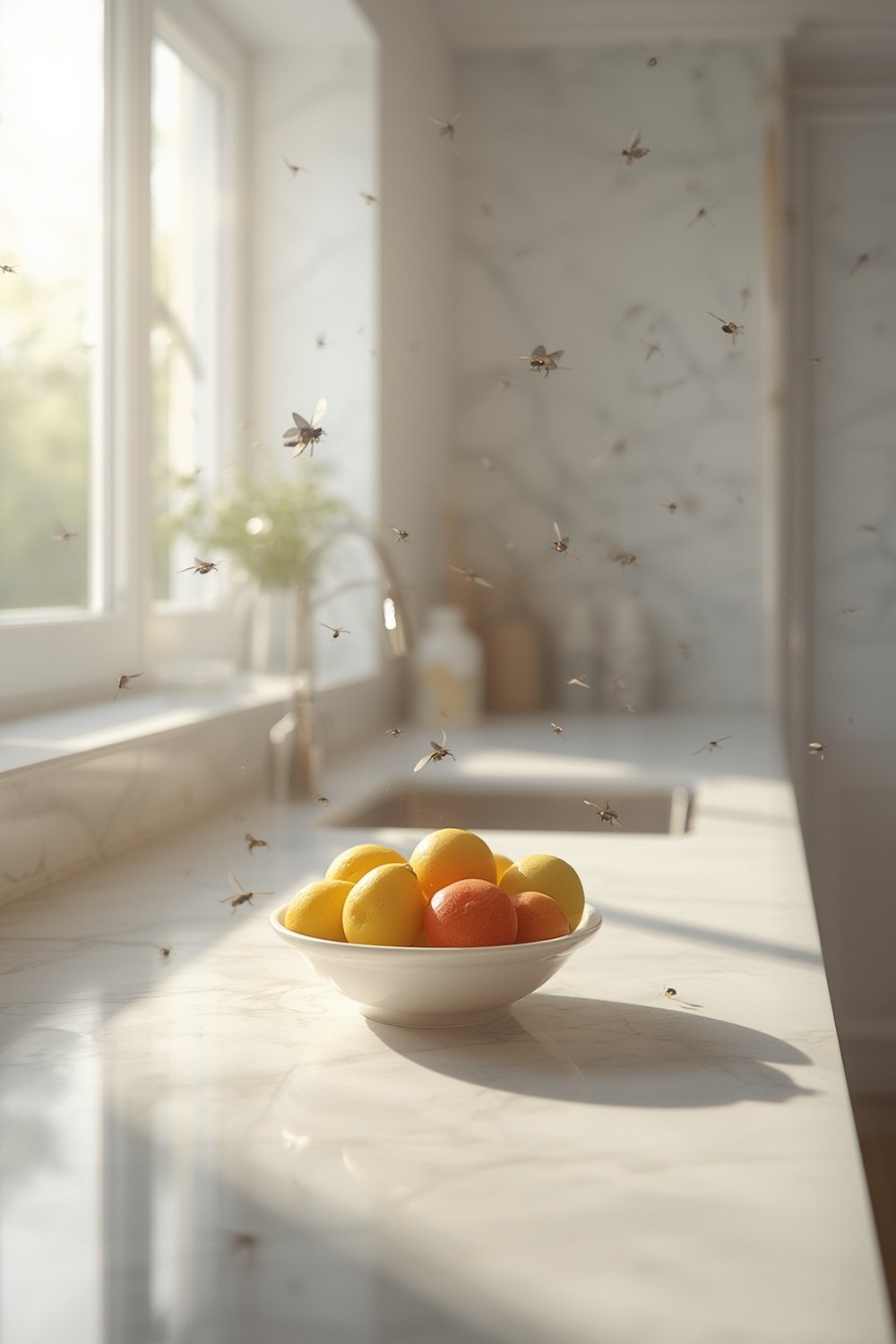
A fruit fly trap is a simple device or method designed to capture and kill adult fruit flies, fungus gnats, and drain flies in your home. The reason these traps matter is clear: according to industry data, 41% of small-fly pest calls in 2025 were for fruit flies alone. Unchecked, even a few flies multiply rapidly, causing contamination and major irritation in kitchens, bathrooms, and pantries.
Effective fruit fly traps help reduce the adult population quickly. However, they only provide lasting relief if paired with finding and removing breeding sources—like rotting produce, organic drain sludge, or compost bins. The growing number of service calls and rising household frustration show that DIY trapping combined with better kitchen habits is now more important than ever.
How to Make and Use a Fruit Fly Trap: Step-by-Step
There are two main approaches: homemade (DIY) and commercial traps. Here’s an exact breakdown.
1. Homemade Fruit Fly Trap (Classic Method)
- Grab a small bowl or jar.
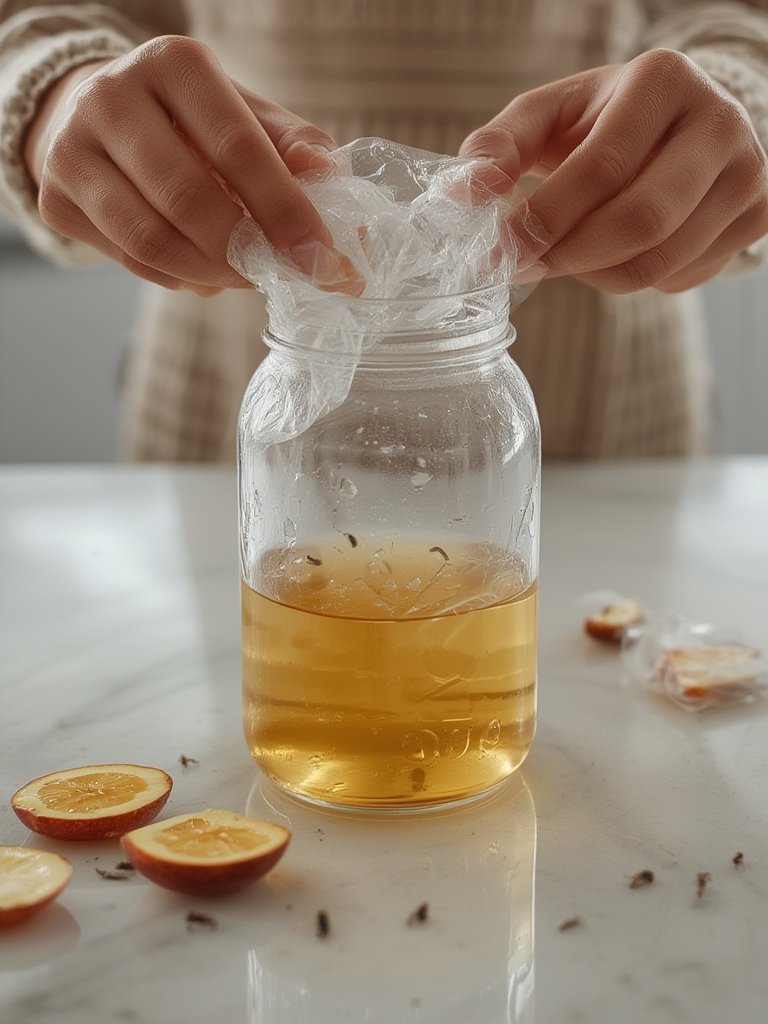
- Add one inch of apple cider vinegar (or wine) and a drop of dish soap. The soap breaks surface tension so flies sink fast.
- Cover with plastic wrap, taut. Poke 4-8 small holes with a toothpick.
- Place near fruit, compost, or drains. Replace every 2–4 days.
Studies and field reports show many drain fly and fruit fly infestations drop off within one week with this non-toxic trap—if you remove breeding sources too.
2. Commercial Fruit Fly Traps
- Sticky traps: Peel and hang or stick behind trash cans, under sinks, or near windows.
- Commercial pre-filled trap cups: Place as directed. Replace or refill every 2-4 weeks, per label.
- Plug-in traps: Use in kitchens for extended control. Cost per unit is usually higher, but zero mess or odors.
Important: Always check active ingredient safety if you have pets or children. Most sticky and vinegar-based traps are safe, but some commercial attractants may be toxic or spill easily.
3. Remove Breeding Sources
- Throw away rotten, bruised, or overripe produce.
- Wipe all sticky-sweet spills. Clean up fruit juice and jam residues.
- Flush drains with boiling water, baking soda, and vinegar.
- Empty indoor compost bins nightly.
Without this step, any fruit fly trap is just a temporary fix. Lasting success means combining trapping with source control. Pest management experts and research underscore this as the number one overlooked tactic (source).
4. Monitor & Replace Traps
- Check homemade traps daily. When full or weak-smelling, refresh contents.
- Observe for new hot zones—move traps as needed.
- Use multiple, smaller traps if you have a large or open kitchen.
Notice the cycle: If you keep seeing adult flies several days in, repeat the deep cleaning step—you missed a breeding site.
For more pest reduction tips around the home, see Watch Out Pest Control: 7 Best Ways To Protect Your Home.
Advanced Analysis & Common Pitfalls
Even the best fruit fly trap strategy can fail without a realistic look at common mistakes.
Pitfall 1: Relying on Traps Alone
Far too many people set a vinegar trap and walk away, expecting a miracle. But as university research shows, adult trapping is temporary at best—if you don’t find and remove what’s feeding new larvae, new flies emerge daily. This is why commercial services always stress two-pronged control.
Pitfall 2: Not Replacing or Cleaning Traps
Homemade traps start to smell and lose potency after just 2–3 days. Commercial traps eventually fill up or dry out. Failure to change them out means flies ignore the trap or, worse, the source attracts even more pests.
Pitfall 3: Ignoring Safety, Cleanliness, and Mess
Some store-bought traps have spill-prone designs or may be toxic to pets. Sticky cards can collect dust or look gross around the kitchen. Always weigh trap appearance and safety if you have children, pets, or open food storage. If you want user-friendly rug and cleaning solutions, see our proven kid and pet friendly rug recommendations.
Trap Comparison Table
| Trap Type | Cost | Mess/Odor | Pet/Kid Safe? | Lifespan | Visual Appeal |
|---|---|---|---|---|---|
| Homemade Vinegar Trap | Very Low (< $1/week) | Possible odor after 1–2 days | Yes (with secure cover) | 2–4 days each | Basic; not discreet |
| Sticky Cards/Tapes | $3–$10 per pack | No odor, can look dirty over time | Generally safe | 2–4 weeks | Visible; can be hidden |
| Commercial Cup Traps | $6–$15/trap; refills extra | Usually low odor | Check label | 2–4 weeks | Most are discrete |
| Plug-in Devices | $25–$40/unit; $3–$8/month | No mess/odor | Most are safe | Months | Modern designs |
Commercial sources rarely mention these tradeoffs. Meetings user demand for lower mess and invisible design is why machine-washable rugs and non-slip mats are rising in popularity for kitchen hygiene upgrades (read non-slip rug and fridge door handle cover for quick improvements).
Performance, Science, and Regulation Gaps
- No controlled studies compare fly capture rates across all brands or trap types. Most recommendations stem from industry surveys and pest professional experience.
- Cost breakdowns are limited; homemade traps win on up-front price, but for larger or persistent problems, refillable and plug-in models may save time and hassle.
- Little is published about 2022–2024 regulatory or eco-certification changes affecting fly traps. Sustainability claims are mostly marketing, not peer-reviewed.
Conclusion
Choosing a fruit fly trap is about more than grabbing the first thing on the shelf or copying a random DIY recipe. Yes, vinegar traps, sticky cards, and commercial cups all work for knocking down adult fly numbers, but none solve the root problem without major effort to remove hidden breeding sites. Ignore pet safety, trap mess, or maintenance and you might swap one nuisance for another. For whole-home pest and comfort upgrades, consider pairing your fruit fly trap plan with solutions like machine-washable rugs (kid and pet friendly rug), fridge handle hygiene (fridge door handle cover), and real pest strategy (watch out pest control). Act now: Find the right fruit fly trap for your kitchen, start eliminating breeding sources today, and enjoy a cleaner, pest-free home.
FAQ
What is the fastest way to get rid of fruit flies?
The fastest solution is to use a homemade apple cider vinegar trap (with dish soap and a plastic wrap cover), combined with immediate removal of all ripe produce and a deep kitchen cleaning. Most infestations fall within days if the source is removed.
Are fruit fly traps safe for pets and kids?
Most homemade vinegar traps and sticky cards are safe if placed out of reach. Always avoid commercial traps containing toxic chemicals and check the label for safety. Plug-in electronic traps are generally safe but should be used according to manual instructions.
How often do I need to replace fruit fly traps?
Homemade traps should be replaced every two to four days or when full. Commercial sticky traps last up to four weeks, but replace sooner if covered with flies or dust. Always refresh if you notice less effectiveness.
Do fruit fly traps eliminate the problem completely?
No trap alone eliminates fruit flies if the breeding source remains. For lasting results, eliminate all food sources, keep surfaces clean, and address moist, organic areas like drains or compost.
Are there any traps that don’t make a mess or smell?
Plug-in electric traps and most commercial cup traps are designed to minimize odor and mess. If appearance and discretion matter, choose models with concealed interiors and neutral colors.