

Disclosure: As an Amazon Associate, I earn from qualifying purchases. – Maya Bennett
A boot dryer for work boots should match the hours between shifts and the footwear care label. Compare overnight convection with timed forced air only after checking whether warmth is permitted. More heat is not automatically a better answer to wet leather.
Plan the next wet-weather shift
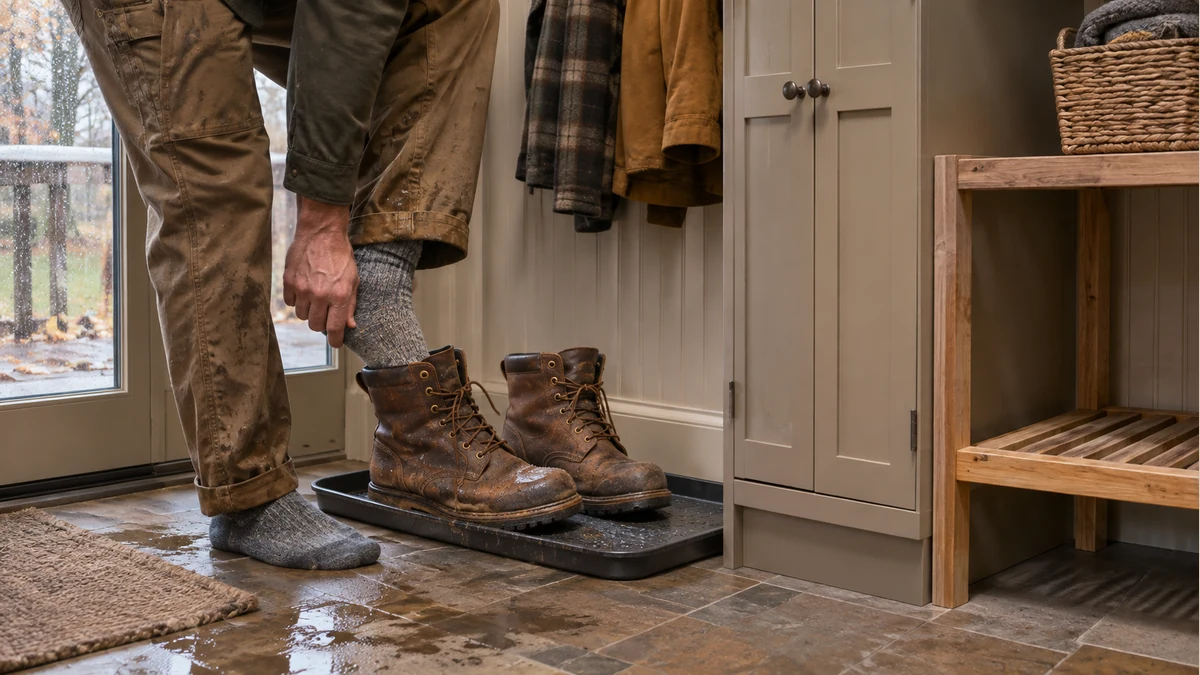
November is a useful time to plan a wet-weather routine. This guide does not establish a search-demand surge. The practical question is whether your next shift starts before boots can dry naturally. Inspect leather, linings and glued construction before choosing an appliance.REI drying guidance
By the numbers
One selected convection design’s rated power
Capacity example for two pairs
Selectable timer limit on a fan design
Manufacturer-stated heated-air specification
Calculated 36 W consumption over eight hours
Design examples, not market-growth statistics or ReviewGuid test results. The energy figure is arithmetic from rated power; multiply by your electricity tariff for an estimate.
Read specifications as design choices
A nameplate wattage, port count or timer setting describes a design, not a measured result. These examples come from manufacturer specifications. Saturation, room conditions and boot construction affect drying; the clock alone cannot guarantee shift-ready footwear.Published dryer specifications
| Method | Routine | Useful distinction | Care limitation |
|---|---|---|---|
| Natural air drying | Allow adequate time | No appliance heat | Follow room-temperature care Source |
| Heated convection | Usually overnight | No fan on fanless models | Footwear must permit warmth Source |
| Forced air | Timed sessions | Fan; heat may be optional | Select a permitted mode Source |
Compare methods before brands
Fanless convection suits an overnight routine when the complete boot permits gentle warmth. Forced air introduces a fan; some designs offer a timer and unheated mode. Membrane guidance does not certify the leather, adhesives or other components around it. Read the footwear maker’s instructions first.GORE-TEX care guidance
“Don’t try to dry them too quickly, especially near a heat source like a radiator”
Joe Sheehan, Altberg; published quotation in The Great Outdoors, not a ReviewGuid interview –Source
Check fit and placement
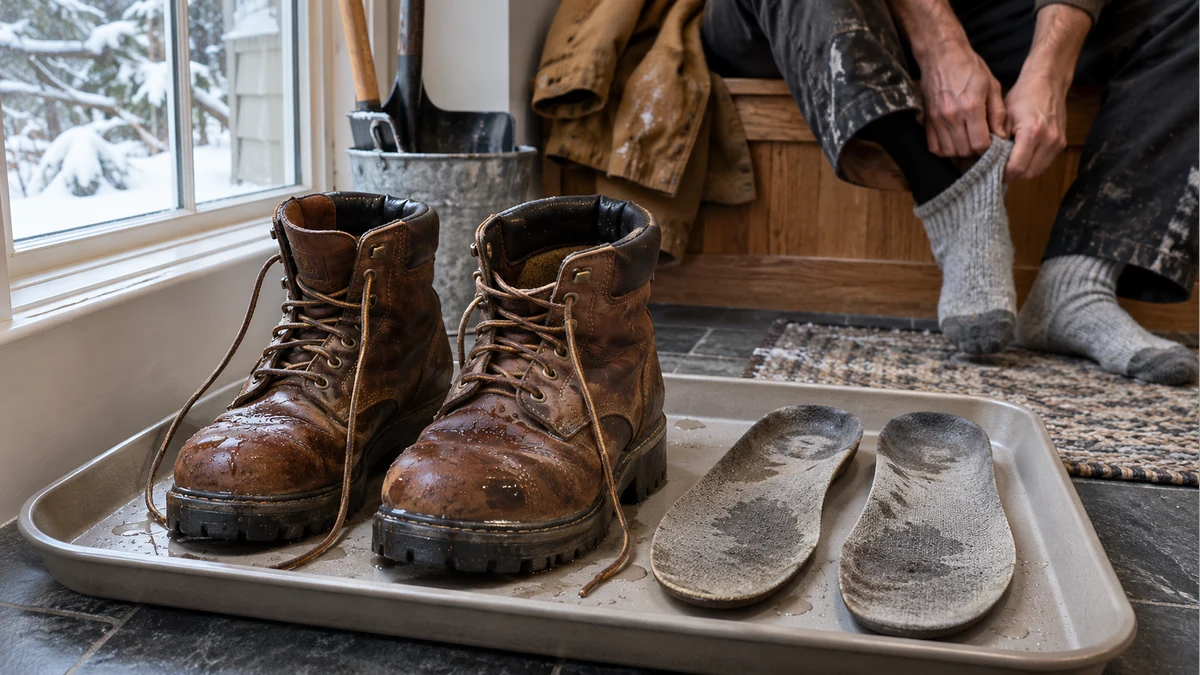
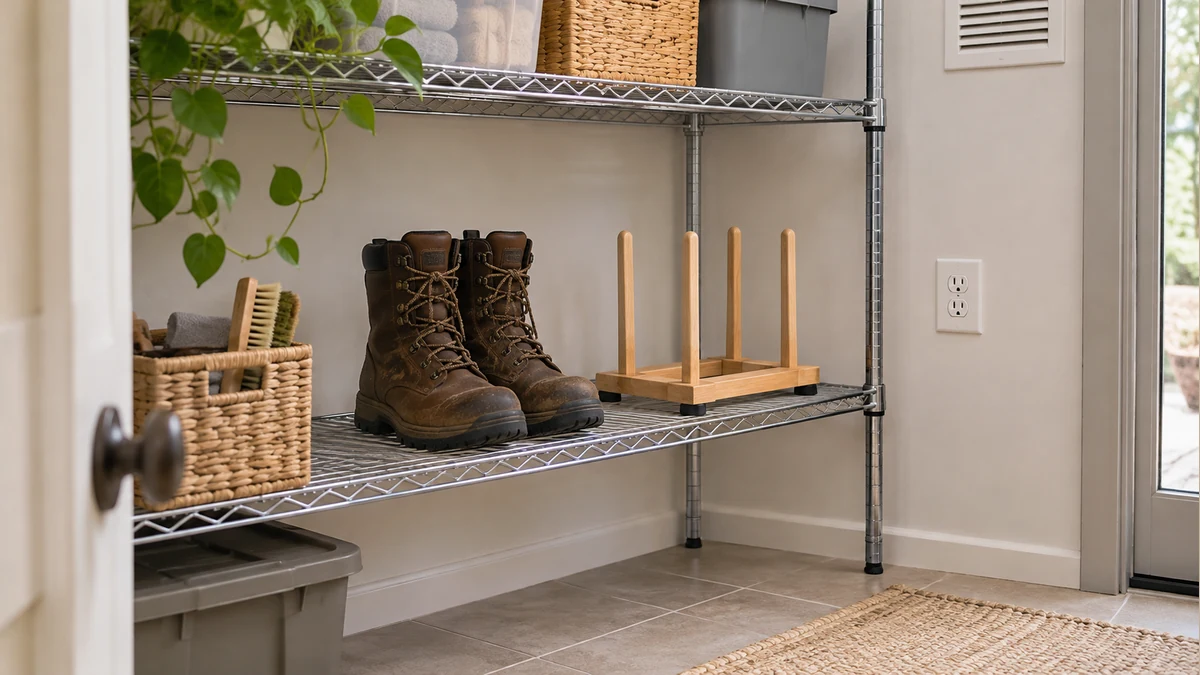
Count pairs, measure shaft height and check whether taller tubes or glove attachments cost extra. Use a level indoor position with clear air openings and the specified clearances. Remove permitted insoles to dry separately. Keep the unit away from another heater, and do not treat an appliance as wet storage.Preparation and storage advice
A quick buying checklist
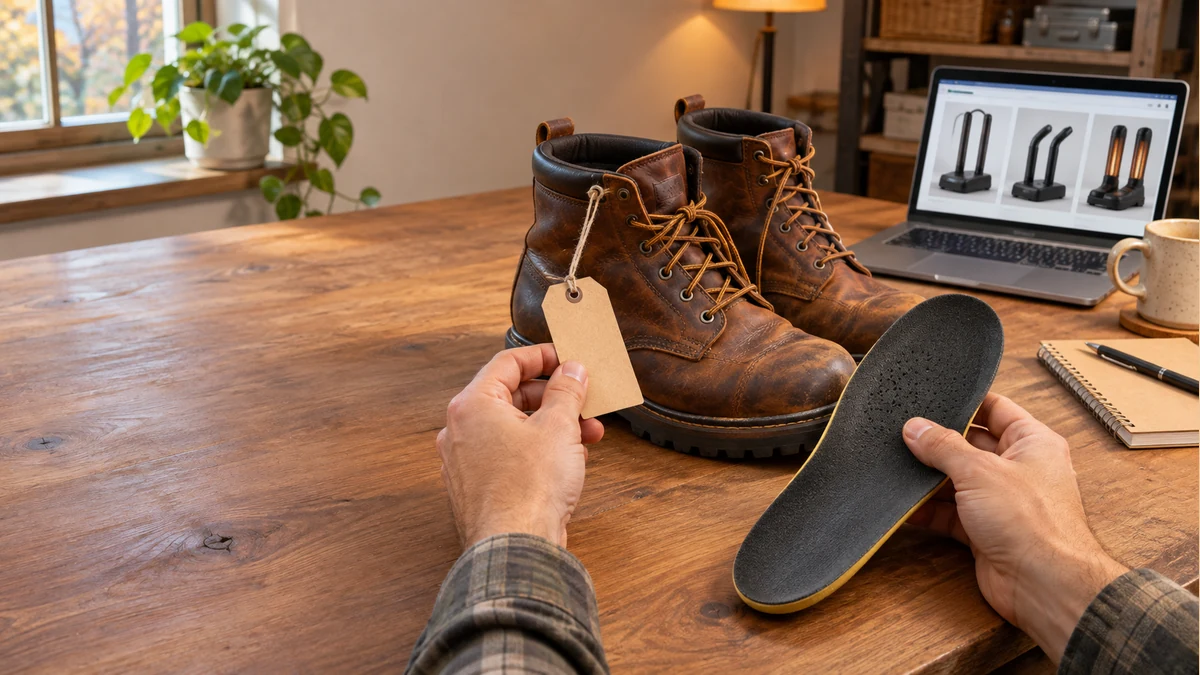
Compare capacity, controls and dated US offers
Frequently Asked Questions
Why consider a boot dryer before winter?
Rain, snow and perspiration can leave boots damp between shifts. Compare a compatible electric routine with ordinary drying; no fixed drying time is guaranteed.
Is a no-heat setting suitable for every boot?
No universal approval follows from that setting. Follow the complete footwear’s care instructions and the appliance manual.
Where can I compare exact offers?
The linked comparison covers three selected US variants, capacity, dated prices and care limitations.
Did ReviewGuid test these appliances?
No physical samples were tested. This report uses published footwear-care guidance and manufacturer specifications.
Reporting by Maya Bennett, November 2, 2026. Documentary research; manufacturer estimates and marketplace information are not physical test results. The expert quotation is a published excerpt, not a ReviewGuid interview.
As an Amazon Associate, I earn from qualifying purchases.