

ADHD chair solutions are gaining popularity among adults seeking better focus and comfort during long desk sessions. But do these chairs actually help, and what should you expect before investing? This guide cuts through the hype, using only the latest evidence and realistic advice.
Key Takeaways
- ADHD chairs promote active sitting, which can help with restlessness and focus, but direct evidence for adults is still limited.
- Most benefits come from dynamic movement—features like wobble stools, balance elements, or sensory surfaces.
- Few adult users report pain points, but not all “ADHD chairs” fit every body or need—test for comfort and adjustability first.
- Understanding ADHD Chairs: What They Are & Why They Matter
- Step-by-Step: How to Choose & Use an ADHD Chair Effectively
- Advanced Analysis & Common Pitfalls of ADHD Chairs
- Conclusion & Next Steps
- FAQ: ADHD Chairs for Adults
Understanding ADHD Chairs: What They Are & Why They Matter
ADHD chairs, also called active sitting chairs or wobble stools, are designed for people who struggle to sit still during tasks that require long periods at a desk. Standard office chairs are static—they encourage you to sit still, which for many adults with ADHD, can increase fidgeting, restlessness, and discomfort.
Dynamic or active sitting chairs break this static mold. They allow subtle, controlled movement—side to side, front to back, or by engaging core muscles. This may improve blood circulation, increase brain oxygenation, and provide much-needed sensory feedback. For adults with ADHD, this gentle movement may make it easier to stay on task or seated longer.
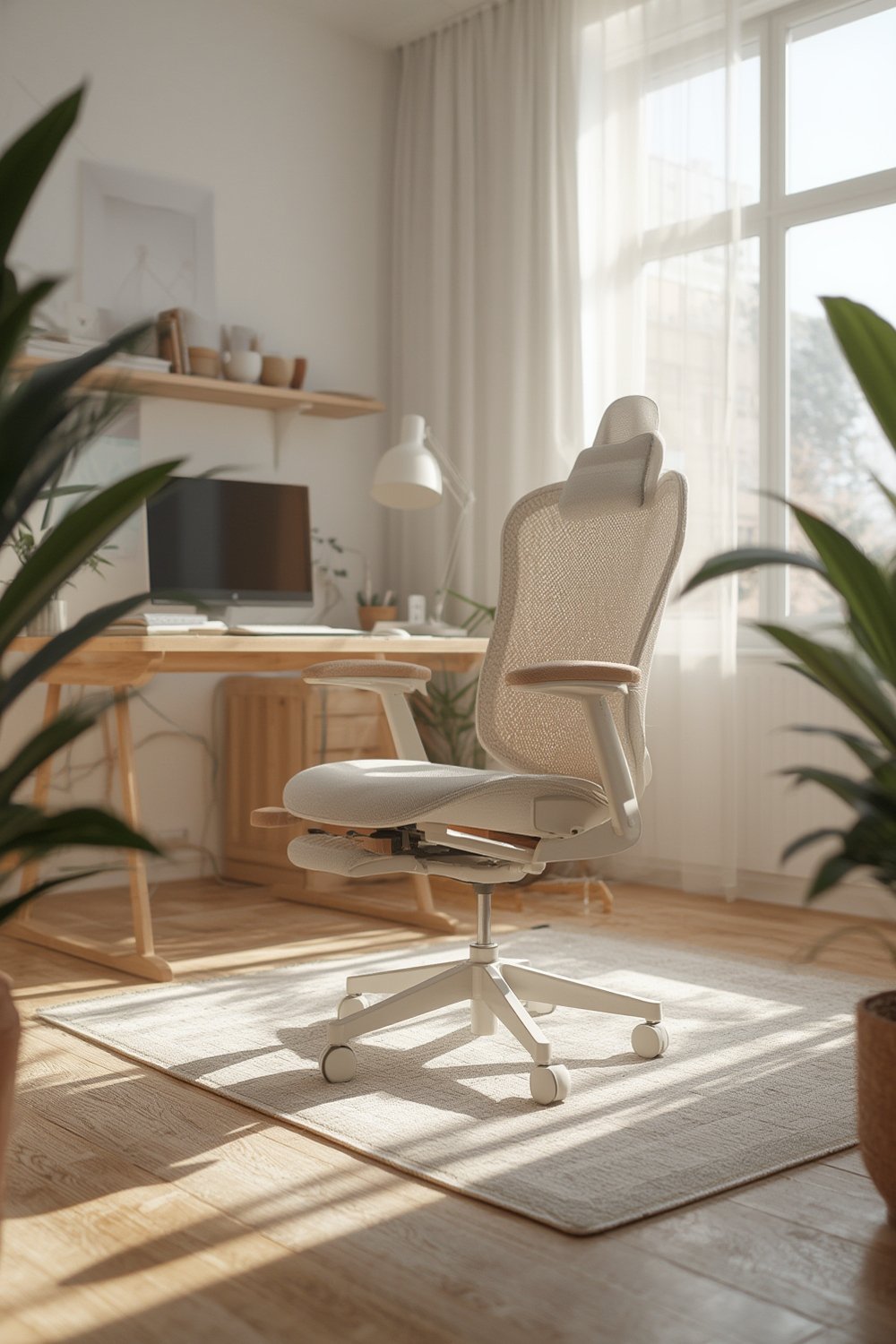
Current research largely focuses on children: studies show therapy balls and similar dynamic seats improve in-seat behavior and on-task performance. For adults, there are only general claims—chairs that allow movement may boost comfort, dopamine, and focus, but without hard 2024 statistics yet. A new 2024 study on dynamic office chairs found they do encourage more spine movement, which may help with prolonged sitting comfort (source).
Some ADHD chairs are marketed for specific sitting styles—cross-legged office chairs, meditation chairs with wheels, or kneeling chairs. However, most benefits rely on whether the chair lets you move without distracting others or sacrificing posture. If your chair simply claims “for ADHD” but is rigid, it may not deliver the intended effect.
For a broader view on furniture that boosts daily function, see our proven guide on maximizing comfort with the Boneless Couch.
Step-by-Step: How to Choose & Use an ADHD Chair Effectively
If you’re considering an ADHD chair, use this practical process to make the most of your investment:
-
Pinpoint Your Primary Challenge
Are you battling physical discomfort from long sitting sessions, restless fidgeting, or lack of focus? The best chair for you depends on your main pain point. -
Research Dynamic Seating Styles
Compare options like wobble stools, balance balls, kneeling chairs, and sensory desk chairs. Wobble stools encourage side-to-side movement, while balance balls and sensory bases require more active stabilization. Kneeling chairs tilt the pelvis forward for posture but may not help with fidgeting. -
Validate Adjustability & Fit
Most ADHD chairs aren’t truly one-size-fits-all. Check for adjustable height, seat tilt, and weight capacity. If you’re taller, heavier, or petite, some “universal” models may be uncomfortable. -
Test the Chair for at Least a Week
If possible, trial the chair before you buy. Look for sensitivities—some people find constant motion overstimulating. -
Alternate Sitting and Standing
Even with the best ADHD chair, sitting all day can be fatiguing. Set reminders to stand up or try a standing desk for intervals. For other ergonomic upgrades, see our energy efficiency upgrades guide, which covers comfort-driven home improvements.
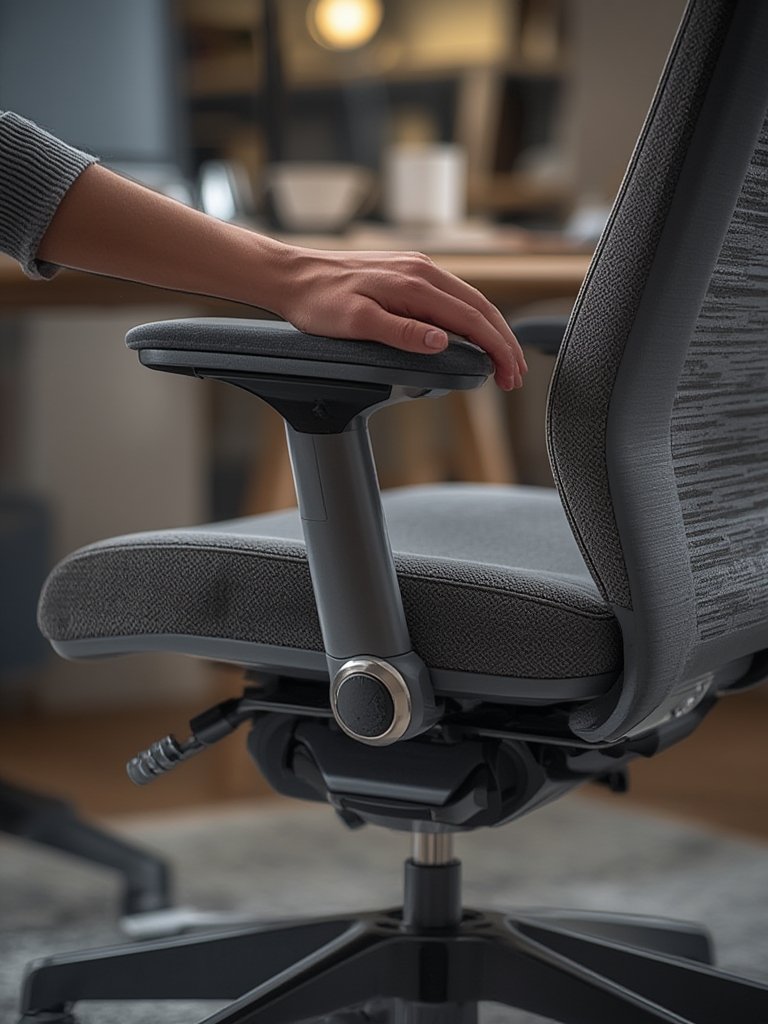
Last, consider desk accessories that complement your chair: a foot fidget bar, small rug, or tactile bands around the seat base. These simple add-ons can provide the extra sensory input that helps many adults with ADHD stay regulated during work.
If you’re adapting your workspace, a comfortable ergonomic mug or an accident-prevention rug for hardwood floors could make a surprising difference in your daily comfort.
Advanced Analysis & Common Pitfalls of ADHD Chairs
The promise of ADHD chairs is appealing—more movement, less fidgeting, better focus. But the reality for adults is more mixed, and research in 2024 is still catching up.
Real-World Evidence: What We (Don’t) Know
- Most clinical evidence is still from children; few real testimonials or surveys address adult experience with ADHD chairs.
- Dynamic chairs appear to increase spine movement while sitting (study), which could improve comfort but doesn’t guarantee focus gains.
- No 2024 data on pain points for adults using cross-legged, meditation, or kneeling-style ADHD chairs. Absence of complaints doesn’t always mean universal comfort.
Common Pitfalls & Limitations
- Not all ADHD chairs are adjustable enough for every body type or height—fit and comfort can be hit-or-miss.
- Some users may feel overstimulated by constant seat movement or find that fidget features distract instead of focus.
- Marketing often outpaces evidence. “ADHD” branding doesn’t mean the chair was clinically tested or endorsed for adult ADHD by experts (reference).
- Long-term spinal health effects, risk of injury, or sustained comfort remain unproven for adults. Ergonomic basics—like correct desk height and alternating positions—still matter more than the chair type.
Feature Comparison Table
| Chair Type | Movement Level | Adjustability | Best For | Known Downsides |
|---|---|---|---|---|
| Wobble Stool | High: side-to-side, pivots | Often height-adjustable | Restlessness; short bursts | Fatigue with long use; may tip |
| Balance Ball/Disc | Moderate: bounces, shifts | Requires matching to user height | Core engagement; posture boost | Stability issues; can roll |
| Kneeling Chair | Low: tilt encourages upright sit | Some adjust seat/knee angle | Posture correction | Not for fidgeting; knee pressure |
| Sensory Desk Chair | Variable: movement + tactile | Depends on model; limited adult data | Sensory seeking; mild movement | Unproven claims; rare for adults |
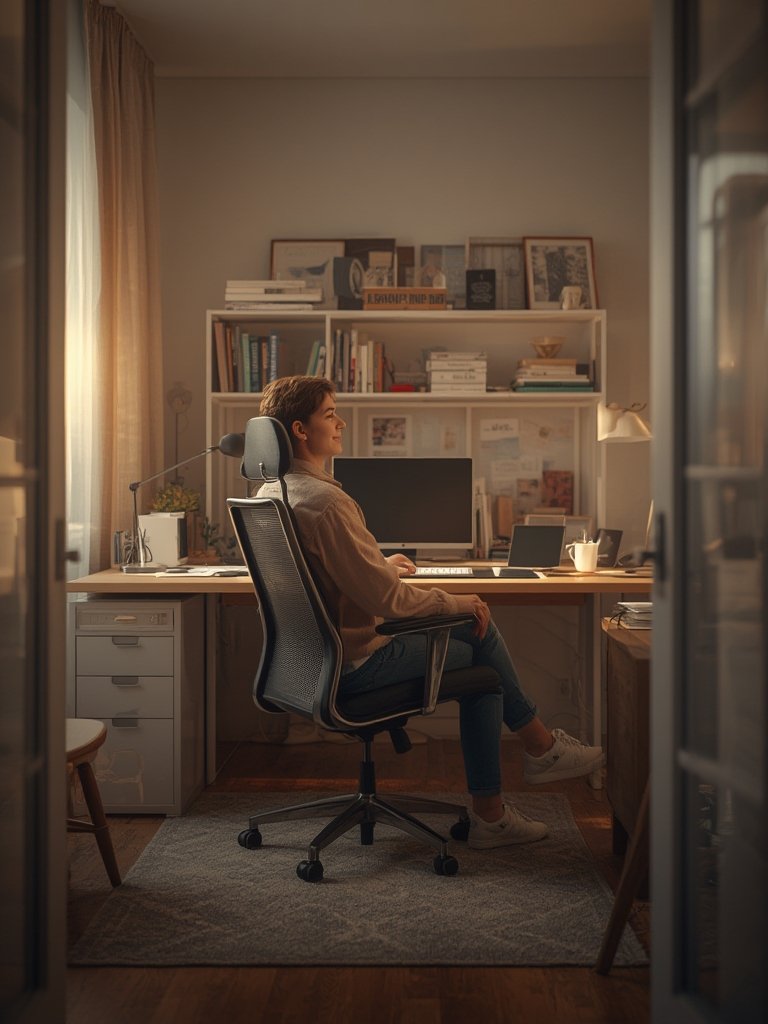
Practical tip: whether you choose an ADHD chair or not, regular posture changes and body movement matter most. Upgrading other workspace features—like your environment for overall comfort—rounds out long-term productivity, not just sitting style.
Conclusion & Next Steps
Active sitting can help many adults feel less restless at their desk, but choosing the right ADHD chair is about finding the best fit for your unique needs and preferences. While research remains limited for adults, dynamic chairs are safe to try and may provide comfort and modest focus gains.
If possible, test different options, look for adjustability, and don’t assume every “ADHD chair” is medically proven. For broader workspace upgrades and focus aids, check out our guides to the best air purifiers for productive home offices and ways to create a fresher work environment.
Ready to experiment? Start by alternating your current seat with a dynamic option and see if an ADHD chair brings you a meaningful boost in comfort or focus.
FAQ: ADHD Chairs for Adults
Are ADHD chairs clinically proven for adults?
No, as of 2024, there are no peer-reviewed clinical studies showing significant benefits of ADHD chairs for adults. Most available studies focus on children. However, active sitting is considered safe and may still be helpful for some adults.
Source
What features should I look for in an ADHD chair?
Look for chairs that allow movement—like wobble, rocking, or subtle bouncing—and are height adjustable. Comfort, fit, and the ability to adjust to your sitting style matter more than the brand label.
Can I use an ADHD chair all day?
It’s best to alternate between different seating styles to prevent fatigue or discomfort. Dynamic chairs can be tiring over several hours, so mixing in a standard chair or standing desk is recommended.
What’s the difference between a sensory chair and a regular ergonomic chair?
Sensory (or dynamic) chairs are designed for movement and tactile feedback, helping offset restlessness. Regular ergonomic chairs focus on posture support but typically limit fidgeting.
Is there a risk of injury or back problems from using an ADHD chair?
There’s no long-term data on injury risk for adults. Incorrect use or poor fit may lead to fatigue or joint soreness. Always check weight limits and adjustability, and take breaks from sitting throughout the day.