

Clover lawn is transforming how homeowners think about organic, low-maintenance landscaping. If you’re tired of constant mowing, chemical inputs, or struggling to keep your grass green, this practical guide will show you the real pros, cons, and best practices for switching to a clover lawn in 2024. Here’s what matters—direct, realistic, and field-tested, not just marketing hype.
Key Takeaways
- Clover lawns drastically reduce mowing and fertilizer needs but bring unique challenges like winter dieback and invasive spread.
- There’s no one-size-fits-all: microclover, white clover, and blends each have specific risks and benefits homeowners must understand.
- Upfront effort in soil prep and containment is essential; skipping these steps can cause bigger headaches later.
- What Is a Clover Lawn and Why Consider It?
- How To Plant a Clover Lawn: Step-by-Step Guide
- Advanced Analysis and Common Pitfalls
- Conclusion
- FAQ
What Is a Clover Lawn and Why Consider It?
A clover lawn replaces all or part of a traditional grass lawn with dense, low-growing clover—typically white clover or microclover. This approach appeals to homeowners wanting to cut down on mowing, eliminate synthetic fertilizers, and boost biodiversity in their yard. Legume clovers naturally fix atmospheric nitrogen, meaning less chemical fertilizer is needed, and they support urban pollinators like bees and butterflies. Clover is also soft underfoot and stays green longer into dry spells compared to many grasses.
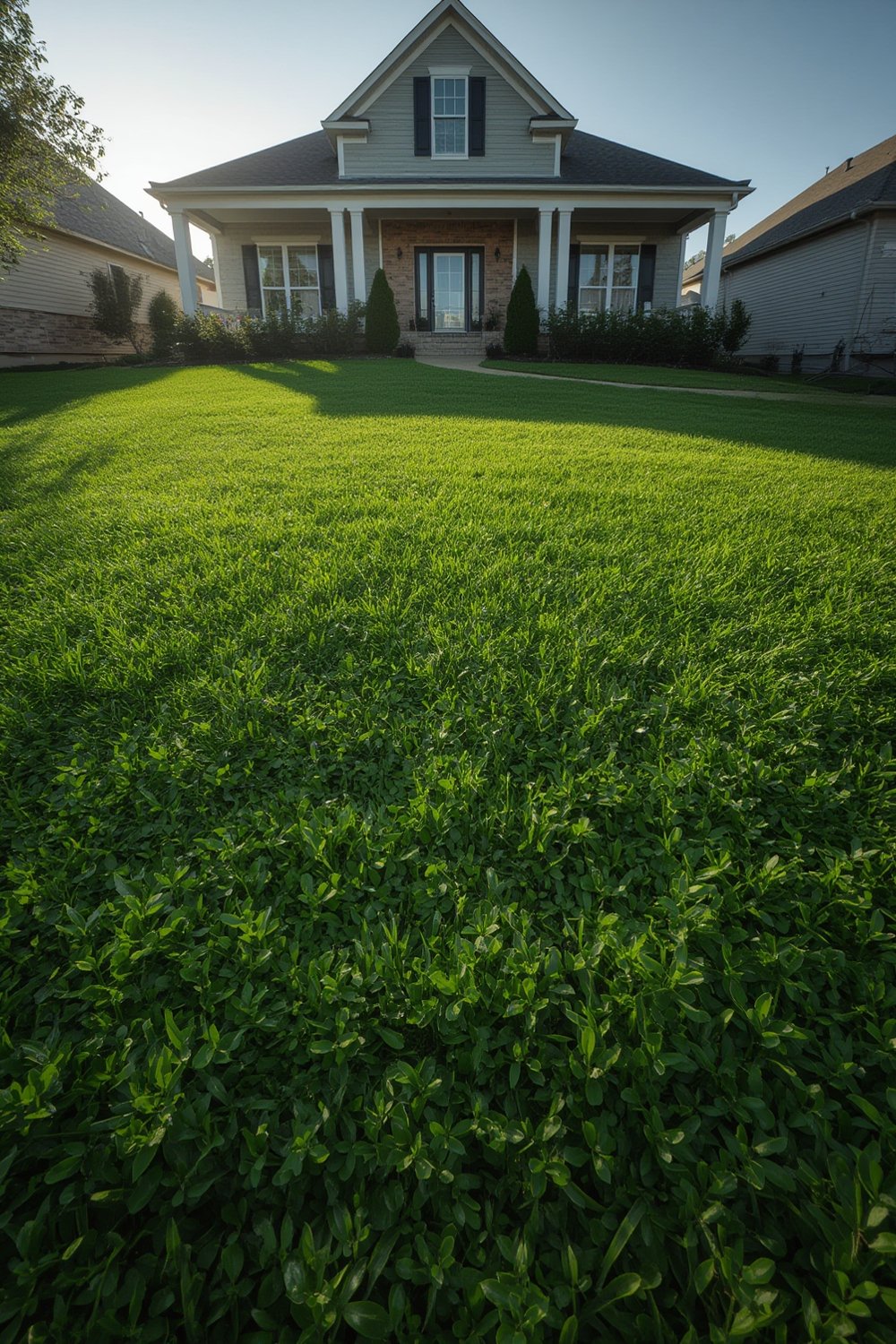
However, adoption rates for clover lawns are not yet widespread, and research shows gaps in consumer knowledge—especially around the unique downsides of clover compared to turfgrass. Before switching, it’s critical to weigh the environmental wins against practical realities like seasonal dieback, potential for invasive spreading, and patch repair if clover dies off. Understanding these nuances ensures your expectations are set realistically—clover lawns are not “plant it and forget it.”
If you’re focused on an eco-friendly home, consider reading about energy efficiency upgrades to complement your sustainable outdoor choices.
How To Plant a Clover Lawn: Step-by-Step Guide
- Site Assessment: Test your soil for drainage and pH (aim for 6.0-7.0). Make sure the site gets at least 4-6 hours of sun. Avoid areas with heavy foot traffic or deep shade, as clover struggles there.
- Remove Existing Grass/Weeds: For a full conversion, remove as much grass and weed growth as possible. Solarization (covering with clear plastic for 2-4 weeks) or a sod cutter works best. For overseeding, mow grass as short as possible and rake vigorously to expose soil.
- Soil Preparation: Loosen the top 1-2 inches of soil. Rake to remove debris and ensure good seed-to-soil contact. Work in a little compost if soil is poor, but avoid manure or high-nitrogen fertilizers, which can disadvantage clover seedlings.
- Select Your Clover Seed: Microclover resists flowering and is less “crop-like,” but beware—reports show it can revert to standard white clover and spread aggressively. White clover is faster to establish and durable but taller. Buy inoculated seed to ensure healthy nitrogen-fixing nodules, especially if the lawn never had legumes before.
- Seeding Rates & Timing: Spring or early fall is ideal for seeding. For pure stands, sow 1-2 ounces per 1,000 square feet. For mixed clover/grass, halve that. Use a broadcast spreader or hand-cast evenly.
- Press and Water In: Lightly tamp or roll seeded area for good seed contact. Water gently but thoroughly to keep the top inch moist until germination (7-14 days for clover).
- Establishment Care: Keep traffic off until roots are set and clover is 2-3 inches tall. Spot-weed by hand and avoid herbicides, as most will kill clover. Do not fertilize with synthetic nitrogen (it’s unnecessary and can make grasses outcompete the clover).
- Mowing & Long-Term Care: Once established, mow to 3-4 inches only to remove weed seed heads or maintain height. Some blends (with fine fescue) require mowing just twice a year. Irrigate only during extreme drought. Monitor for patches of bare soil after winter, and reseed as needed in spring.
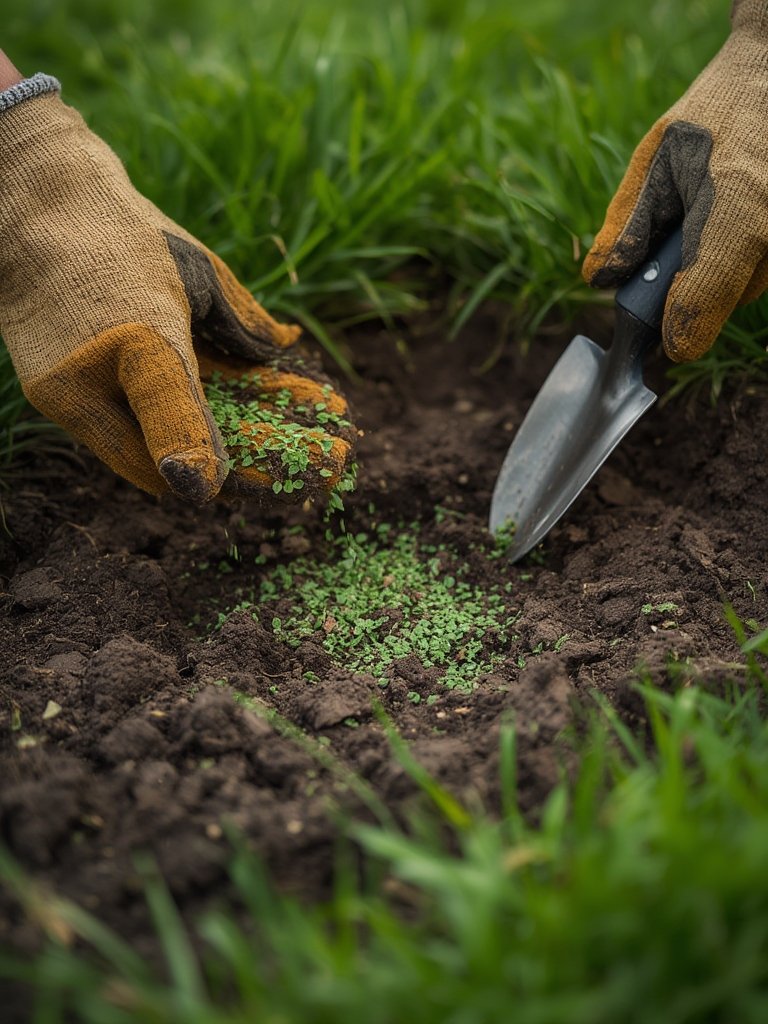
For even lower maintenance, some homeowners use no-mow lawn blends (like Prairie Nursery’s No-Mow Lawn or Wildflower Farm’s Eco-Lawn) that incorporate fine fescue and small amounts of clover. These take about six weeks to establish and need minimal mowing—sometimes just once or twice a year.
Looking for low-maintenance interiors too? Try a kid and pet friendly rug for cleaner, stress-free floors indoors.
Advanced Analysis and Common Pitfalls
While clover lawns have clear benefits, real-world experience and expert commentary show there are key problems that most guides gloss over:
- Winter Dieback: Clover defoliates in cold seasons, leaving bare ground that’s susceptible to erosion and sediment runoff. Regrowth typically resumes in May. If you have a sloped lawn or live in a rainy winter climate, this is a serious risk.
- Drought and Heat Sensitivity: Clover can die quickly under high temperatures or drought stress. When it dies off, it releases stored nitrogen into the soil all at once, which can disrupt the nutrient balance and harm other plants.
- Invasive Spread: Both white clover and microclover can spread beyond your intended area, especially if unchecked. Microclover is marketed as “less aggressive,” but research shows it often expands and morphs into standard white clover, invading flower beds and neighbors’ yards.
- Unpredictable Appearance: Some homeowners expect a carpet-like green all year, but clover is patchier after stress or in shady areas. It can also flower heavily, attracting bees. This is a plus for pollinator health but a negative if you have bee sting allergies.
- Not Pet-Proof: No strong evidence exists of clover being better or worse for pets compared to turfgrass, but dog urine spots can yellow clover patches just like grass.
| Factor | Clover Lawn | Traditional Grass Lawn |
|---|---|---|
| Fertilizer Need | Very Low—fixes its own nitrogen | High—requires regular applications |
| Mowing | 1-3x/year (clover), blends: 1-2x | Weekly in growing season |
| Winter Appearance | Mostly bare, regrows in spring | Stays green if cool-season grass, can go dormant/tan |
| Drought Tolerance | Poor to moderate, can die off suddenly | Moderate—varies by species (e.g., tall fescue better) |
| Invasiveness | High if not contained (especially microclover) | Low—less likely to invade garden/neighbor lawns |
| Pollinator Support | Excellent—flowers feed bees & butterflies | Poor—usually sterile or mowed before flowering |
| Annual Cost (Estimate)* | Low after first year (seed + light care) | High—continuous seed, fertilizer, mowing, and chemicals |
*Note: As of 2024, no specific cost-per-1,000-sq-ft data is published. See this comprehensive discussion for more insights.
When making changes to your landscape, don’t forget outdoor safety—get the facts on Home Depot fence installation for practical boundary solutions.
On the environmental side, clover lawns shine for pollinator support and reduced need for synthetic fertilizer. Studies reviewed by the Crop Science Society highlight these ecological benefits, as well as drawbacks like bare soil in winter and susceptibility to summer kill [source]. For more market background, explore the growing role of clover in forage farming here and here.
If curb appeal is a concern after a lawn revamp, upgrade with residential siding installation for a fresh look.

Conclusion
A clover lawn can cut your yard work, reduce fertilizer use, and bring back bees, but it’s no magic solution. Expect seasonal bare spots, possible die-off in hot summers, and a fight to keep clover contained. If you want an easy, sustainable yard, plan for extra work at first—site prep, edges, and ongoing patching are not optional. With realistic expectations and the right approach, a clover lawn delivers major rewards for those who value sustainability and are okay with a less-than-perfect carpet year-round. Ready to try it? Start with a small test patch, observe, and tweak before going all in.
FAQ
Is a clover lawn good for pets and kids?
Clover is generally considered safe for pets and kids. It’s soft and less prone to chemical treatments than turfgrass, but dog urine can cause yellow spots just like on regular lawns. Also, bee activity increases when clover flowers, so caution is needed for anyone allergic to stings.
Does clover require mowing?
Established clover lawns rarely need mowing, except to remove weeds or keep the lawn tidy. If mixed with fine fescue, expect to mow about twice yearly. Heavy flowering can be controlled by mowing low in mid-summer.
How do I prevent clover from spreading to my neighbor’s yard?
Mow a low, clover-free border as a buffer zone, or install a shallow edging strip to stop creeping stems and roots. Vigilance is key, as microclover and white clover both spread easily without physical barriers.
Can I overseed clover into an existing grass lawn?
Yes, you can overseed clover by mowing grass short and raking the soil to expose bare patches. Clover seeds will establish in thin or patchy grass areas, gradually spreading over a season. Avoid using broadleaf weedkillers on mixed lawns, as they will kill the clover.
What is the main downside to a clover lawn?
The main drawbacks are winter dieback (resulting in bare soil), the risk of clover taking over areas where it’s not wanted, and vulnerability to hot, dry weather. Ongoing edge maintenance is required to keep it within bounds.