

Gravel garden ideas are gaining popularity with UK homeowners who want to create stylish, low-maintenance landscapes that thrive in unpredictable weather. If you’re tired of mowing, fertilizing, or watering a traditional lawn, switching to a gravel garden can dramatically reduce upkeep and still deliver visual impact. Here’s everything you need to know—drawn from real research, not garden magazine daydreams—so you avoid costly mistakes and get results that last.
Key Takeaways
- Gravel gardens are a proven, practical alternative to high-maintenance lawns in the UK, but careful planning is critical.
- Choosing drought-resistant plants and the right gravel prevents headaches with weed control and drainage.
- Gravel garden ideas are most effective when you layer weed barriers, select appropriate gravel, and prepare for some annual upkeep.
- What Makes a Gravel Garden Tick?
- Step-by-Step: Building the Perfect Gravel Garden
- Advanced Analysis & Common Gravel Garden Pitfalls
- Conclusion
- Frequently Asked Questions
What Makes a Gravel Garden Tick?
At its core, a gravel garden swaps out thirsty, high-labour traditional lawns or borders for a landscape covered with gravel or stone chippings. Carefully chosen drought-tolerant plants poke through, forming attractive groupings amid open spaces. Why the shift? UK homeowners are increasingly ditching grass: a recent survey found that 22% of British gardeners are shrinking lawn space, often in favour of gravel, paving or decking. For many, the lower water use, less weeding, and contemporary look make gravel garden ideas especially attractive.
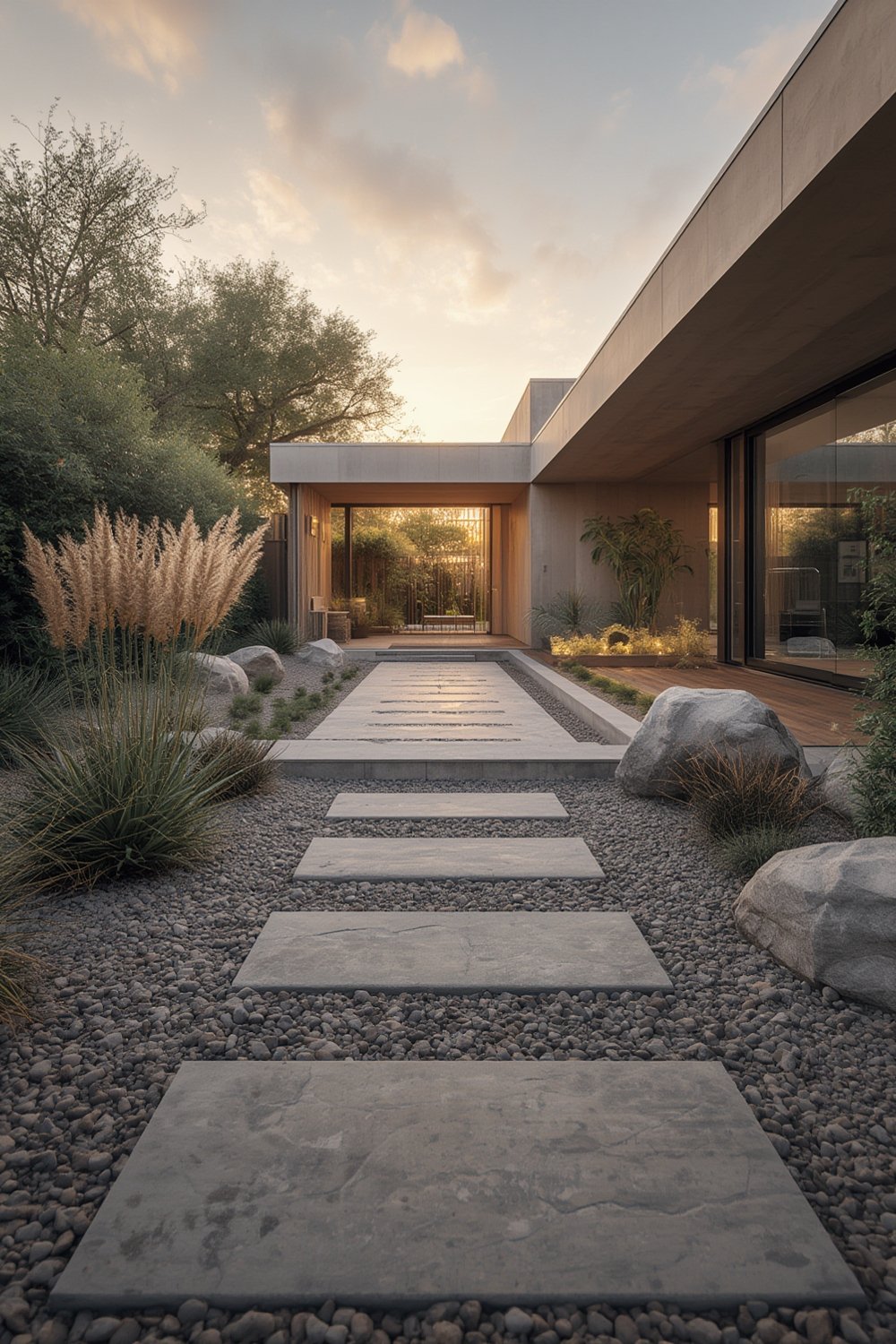
There’s also a cost and effort advantage: plants suited to gravel gardens tend to develop deep roots, meaning less watering and fussing. The popularity of “no-soil” or dry gardens is on the rise, especially as UK summers trend hotter and drier. For more inspiration on upgrading your outdoor or indoor space for less hassle, discover these guides on kid and pet friendly rug choices, or see how energy efficiency upgrades can add comfort with minimal upkeep.
Step-by-Step: Building the Perfect Gravel Garden
Building a gravel garden isn’t complicated, but it requires following a smart process to avoid problems with weeds, drainage, or plant failures. Here’s how to nail it from day one:
- Plan Your Layout
- Choose a sunny, open area—gravel gardens do best with at least 6 hours of direct light.
- Sketch bed outlines for both structure (main paths, seating zones) and accent islands for focal planting.
- If you have pets, consider integrating GPS dog fence solutions to keep them out of your new beds.
- Soil Preparation
- Remove existing turf and perennial weeds thoroughly—don’t skip this step.
- If the ground is heavy clay, dig in horticultural grit or sand to improve drainage. Poor drainage is the fastest way to fail with gravel garden ideas.
- Weed Barrier Installation
- Lay a professional-grade, permeable weed control membrane across all surfaces. Overlap seams by at least 30cm.
- This is your main defense against deep-rooted weeds, especially in the wet UK climate.
- Planting
- Cut X-shaped holes in the membrane, insert your plants, and backfill with amended soil as needed.
- Stick to drought-resilient perennials such as Eryngium giganteum (sea holly), Stipa tenuissima (Mexican feather grass), or Sedum spectabile (ice plant)—all proven performers for British gravel gardens.
- For more ideas for low-effort greenery, see white clover lawn mix as another lawn alternative.
- Gravel Application
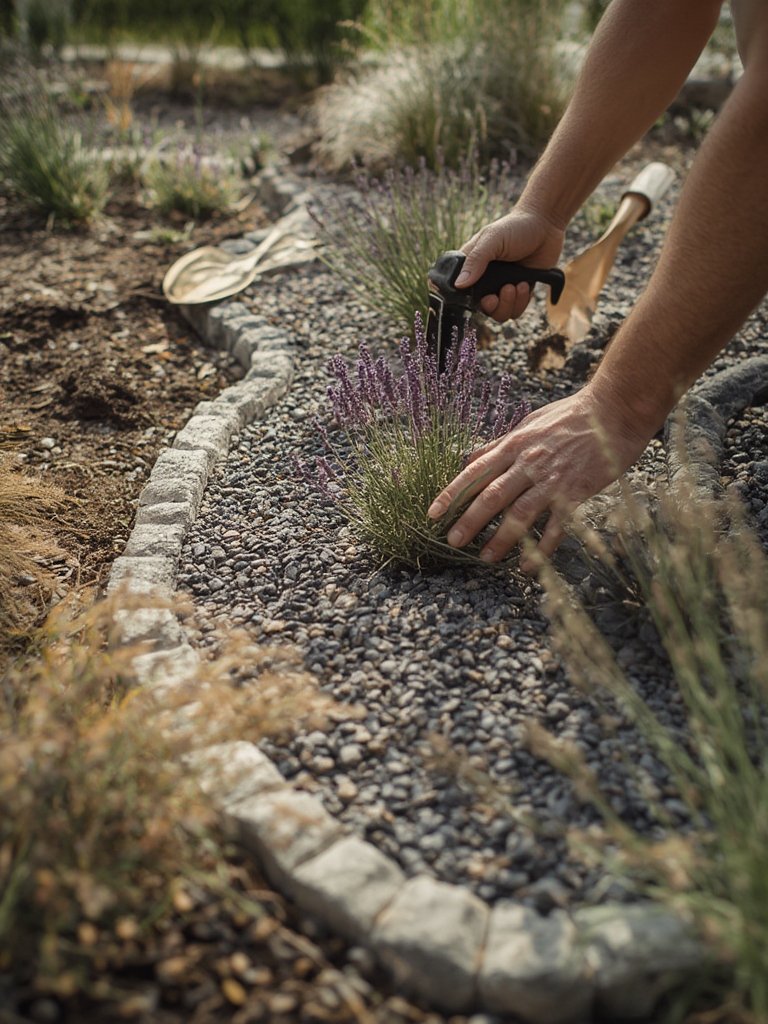
- Spread a 5-8cm layer of clean, angular gravel (10mm–20mm) grade is best for stability). Round pebbles migrate more easily, so avoid them for walkways.
- Don’t forget to edge the beds with metal, timber, or stone—this keeps gravel in place and creates crisp, professional boundaries.
- Finishing Touches
- Add feature boulders or driftwood for extra dimension.
- Integrate seasonal bulbs beneath the gravel for surprise spring colour.
- If you want to keep garden access easy, check our guide to affordable fencing options for neat, defined borders.
For a more detailed process—especially if mixing paving, gravel and decking—consult statistical insights on UK garden makeovers.
Advanced Analysis & Common Gravel Garden Pitfalls
Despite the buzz, not every gravel garden goes smoothly. Without attention to detail, you’re likely to face at least one of these common pitfalls:
- Weed Breakthroughs: Skipping or using poor-quality weed fabric is the top mistake. Even gravel an inch thick can’t stop determined perennial weeds without a barrier below.
- Gravel Migration: Using round pebbles or skipping edge restraints often leads to messy paths and loss of material. Without a solid boundary, wind and foot traffic scatter loose gravel fast.
- Drainage Issues: Plant deaths and algae occur if water pools under a thick gravel layer due to poor underlying soil structure. Always improve clay soils with sand or grit before installing membrane and gravel.
- Wrong Plant Choices: Many standard border perennials will rot or fail if they can’t tolerate dry, freely draining conditions. Deep-rooted, drought-hardy species are non-negotiable.
- Neglected Borders: Edges left unprotected eventually let in weeds, soil, and debris, breaking the clean look of the gravel garden and increasing maintenance. Professional edge restraints add years of trouble-free results.
It’s important to note that while sources report gravel gardens present “fewer weeds,” they’re not entirely weed-free. The few weeds that do emerge are easier to pull, though membrane wear or skipped overlap can make weed resurgence a persistent annoyance. Specific product recommendations for membranes or edges are still lacking in public research, so purchase quality over price.
| Feature | Gravel Garden | Traditional Lawn/Borders |
|---|---|---|
| Weeding | Low, occasional (with membrane) | Regular, sometimes weekly in growing season |
| Watering | Minimal (drought plants) | Frequent in dry spells, high with annual beds |
| Cutting/Mowing | None | Weekly mowing (grass) |
| Fertilising | Rarely needed | Annual or more, depending on plants |
| Initial Install Cost | Higher upfront | Lower (seed/turf) |
Data from recent trend reports supports the idea that plants in gravel gardens grow slower, remain more compact, and require less staking, dividing, or feeding compared to traditional beds.
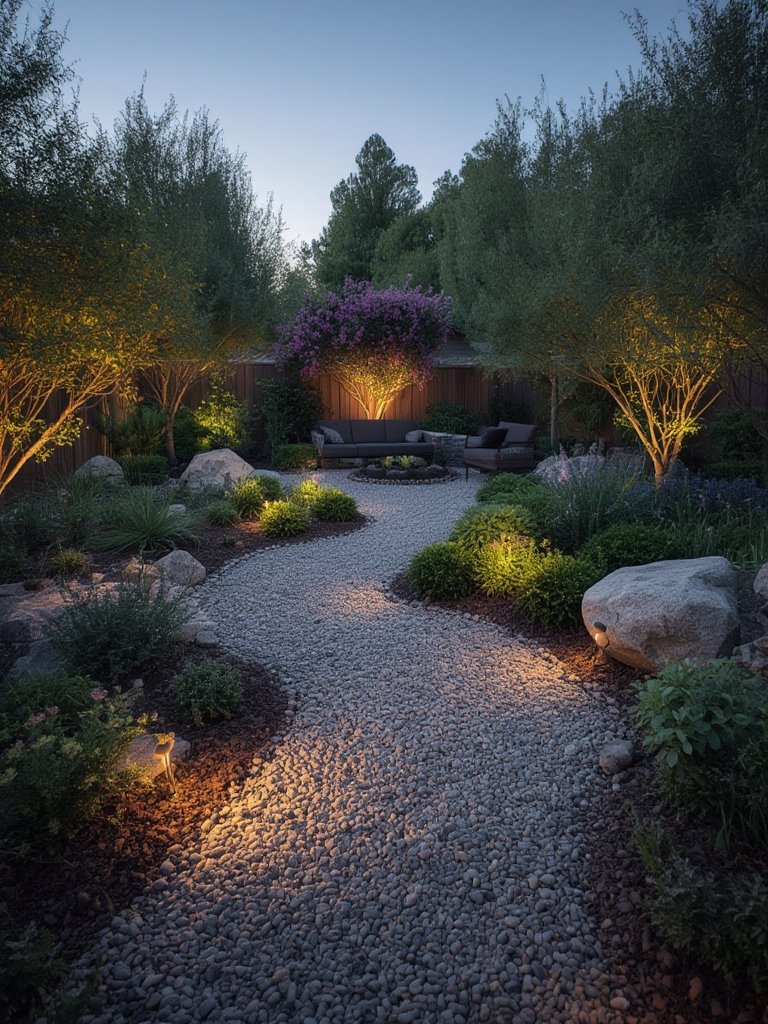
If you plan to use your gravel beds in high-traffic areas or have kids or pets, you may also appreciate our research-backed advice in machine washable area rug solutions for the home.
Conclusion
Well-executed gravel garden ideas can save you hours of work yearly, boost curb appeal, and respond beautifully to dry summers or hosepipe bans. The secret is preparation: weed membrane, proper soil drainage, and tough, deep-rooted plants are the foundation for success. Gravel creates the finished look, but the prep and plant selection do the real heavy lifting.
Ready to transform your space? Start your project with these budget-savvy landscaping upgrades, and remember—the success of your gravel garden ideas comes down to smart planning, not just inspiration boards. Explore the latest guides and share your progress for more tailored advice.
Frequently Asked Questions
Which gravel type is best for a UK gravel garden?
Angular gravel (10mm–20mm) is ideal, as it “locks” into place and reduces movement. Avoid round pebbles, which shift easily. Go for durable, frost-resistant aggregate suited for outdoor use.
Do gravel gardens really stay weed-free?
No garden is completely weed-free. However, if you use a quality, permeable weed membrane and install correctly, most weeds will be dramatically reduced. Any that appear are usually shallow-rooted and easy to pull.
What are the biggest mistakes people make with gravel gardens?
The top mistakes include skipping proper weed membrane, choosing plants that can’t handle drought, neglecting edge restraints, and failing to improve drainage in heavy soils.
Can I mix a gravel garden with a traditional border?
Yes, you can blend gravel areas with traditional borders or lawns for contrast. Just ensure transitions are edged neatly and pick plants that tolerate dry conditions near the gravel.
How much maintenance does a gravel garden require over time?
Gravel gardens require less maintenance than lawns—occasional weeding, light top-up of gravel every few years, and cutting back dead plant material in spring. Watering is minimal if you use tough, deep-rooted species.