

No till gardening is rapidly changing how gardeners build healthy soil, reduce labor, and boost yields. This method eliminates the need for backbreaking digging and constant soil disturbance, but it isn’t without some real-world challenges. Here’s a practical guide to help you succeed at no till gardening with up-to-date research, step-by-step strategies, pitfalls to avoid, and answers to the web’s most common questions.
Key Takeaways
- No till gardening increases soil health, biodiversity, and can match or even outperform traditional yields when best practices are used.
- Initial investment is often lower over time due to reduced labor, fuel, and maintenance—especially with raised beds and smart layering.
- Combining organic matter, cover crops, and moisture management is crucial for a thriving, low-fuss no till garden year after year.
- The Core Concept: What Is No Till Gardening and Why Does It Matter?
- Step-by-Step Guide: Building and Maintaining a No Till Garden
- Advanced Analysis & Common Pitfalls
- Conclusion
- FAQ
The Core Concept: What Is No Till Gardening and Why Does It Matter?
No till gardening is a soil management approach where you never dig or turn the ground. Instead of churning soil each season, you layer organic materials and plant directly into this living mulch. The main aim is to protect soil structure, promote a thriving soil ecosystem, and dramatically decrease labor over time.
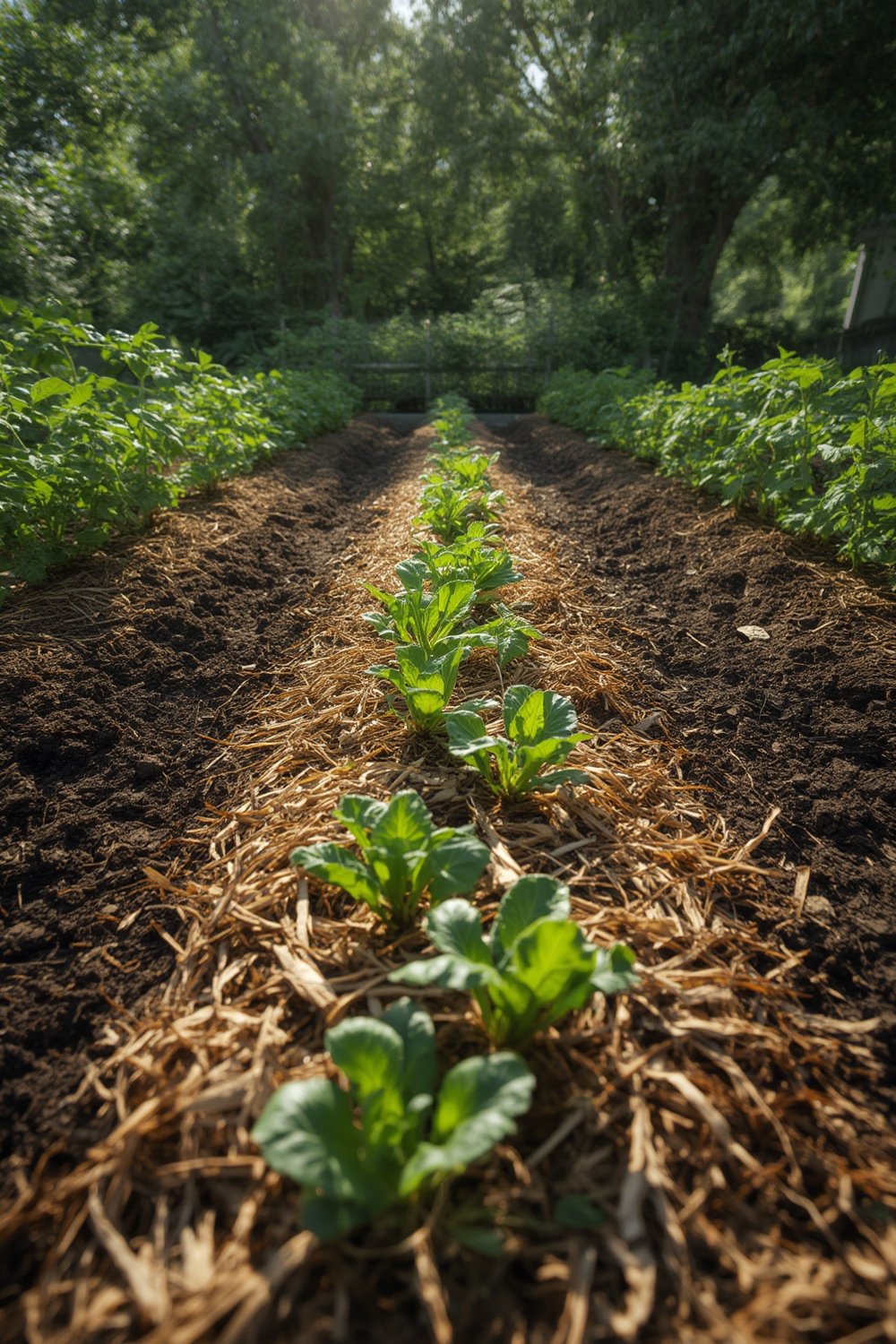
Recent research leaves no doubt: No till methods reliably outperform conventional tillage when it comes to soil health, resilience, and sometimes crop yields. Over eight years, no till plots showed a 21.5% improvement in soil health at the surface and up to a 31.4% boost when combined with natural warming factors [source]. Microbial diversity, invertebrate abundance, and soil carbon values all increase under no till—especially when you utilize organic inputs [source].
Unlike traditional tilling, no till gardening means fewer weeds, less erosion, and a massive drop in time spent on ongoing maintenance. If you’re aiming to maximize sustainability, reduce water use, or simply save your back, this method is worth real consideration.
If reducing your household energy and water bills is also a goal, you might consider pairing your no till garden with ideas from our energy efficiency upgrades guide.
Step-by-Step Guide: Building and Maintaining a No Till Garden
Follow these actionable steps to set up, plant, and maintain a successful no till garden bed at home. Whether you’re starting fresh or converting old beds, these are the essentials.
- Choose Your Location and Bed Type
For beginners, raised beds or defined plots are easiest. Pick a spot that gets 6-8 hours of sun and drains well. - Suppress Existing Weeds or Grass (Optional)
Lay down plain cardboard (remove all tape, staples, and glossy print) to smother turf. This avoids the initial labor of digging out your lawn. - Layer Organic Matter
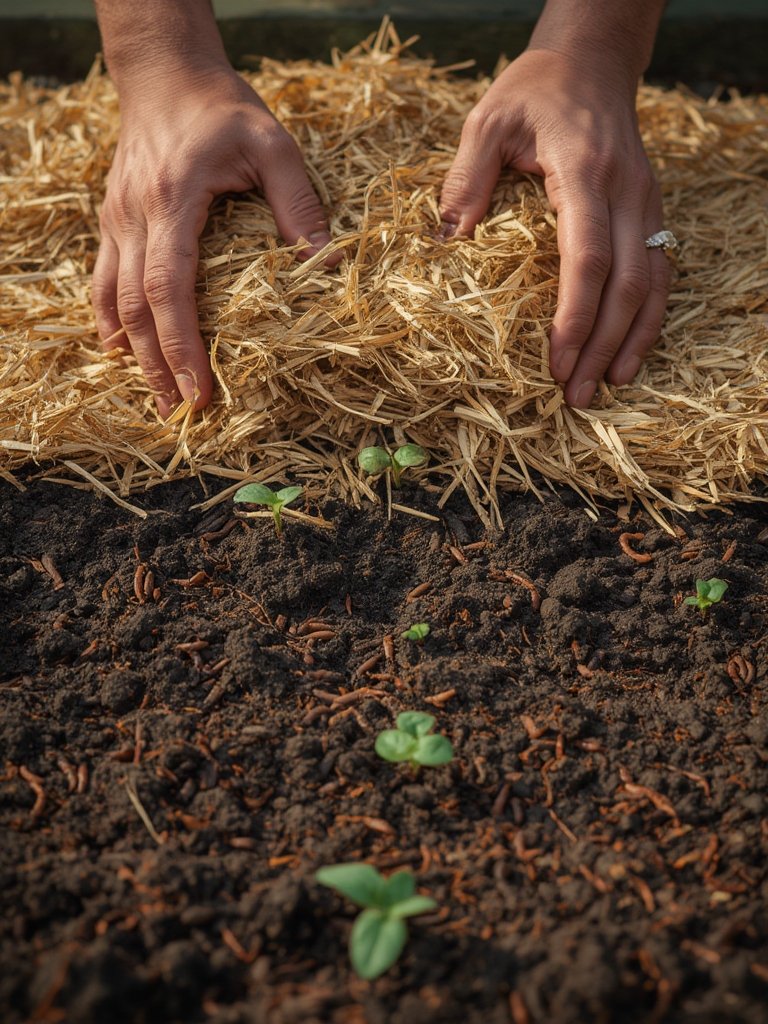
Add 4-6 inches of compost, decomposed manure, or good-quality garden mix on top of your base layer. Follow with a few inches of mulch—leaves, straw, or aged wood chips all work. - Plant Directly Into the Layers
For seeds, open up a thin groove through the mulch and plant directly into the compost layer. For transplants, part the mulch, insert your plants, and tuck the mulch back around them. - Maintain, Don’t Disturb
Each season, simply top up with 1-2 inches of compost or decomposed mulch without turning the soil underneath. Pull weeds only if they appear; in a healthy no till system, weed pressure drops every year. - Integrate Cover Crops (Optional, but Powerful)
Sow quick-growing cover crops (like clover or winter rye) at the end of the main growing season. This prevents erosion, fixes nitrogen, and feeds soil biology through their roots. - Monitor and Adjust Watering
No till gardens hold water better, but during long dry spells, check under the mulch weekly and water under the surface layers to minimize evaporation.
- Clover lawns pair perfectly as living mulch and cover crop in no till garden systems—reducing mowing and supporting beneficial insects.
- If you want a fully hands-off lawn, see our robotic lawn mower recommendations.
- Tidy up paths between beds easily and with style—check these non slip rug ideas for safer garden walkways.
- Curious about water-wise alternatives? Explore gravel garden ideas to complement your no till beds.
Advanced Analysis & Common Pitfalls
While no till gardening can be low-stress, it doesn’t mean no work—or that results are always perfect from day one. Here’s what research and gardeners’ experience reveal about where things can go wrong, and a table for comparing no till with conventional beds.
| Factor | No Till Gardening | Traditional Tilled Beds |
|---|---|---|
| Soil Health (Top 5cm) | +21.5% after 8 years [source] | Baseline or declining |
| Annual Maintenance Time | 30-50% less labor [source] | High: re-tilling, weeding, amendments |
| Soil Erosion | 80% lower | High on slopes, during storms |
| Initial Cost (Small Beds) | Often lower if using free materials | Variable, but ongoing costs for tiller fuel/maintenance |
| Yield Over Time | Equal or higher after 2-5 years; 40% better during droughts [source] | May peak then fade as soil health falls |
| Suitable Crops | Proven: cereals (wheat, maize); leafy greens, most vegetables (user data: limited) | All crops but with higher soil fatigue |
| Pest/Weed Issues | Low after year 2, but mulch management needed | Weeds rebound quickly after tilling |
| Soil Compaction Risk | May be higher if compost is not applied yearly [source] | Aeration improved immediately after till, but soon lost |
- No till methods can be slow to start. Results may take 1 to 2 years as soil microbiology rebuilds.
- Free mulches (wood chips, leaves) may harbor pests or break down unevenly. Always inspect organic inputs and consider composting before using in beds.
- Raised beds dry out quickly if not mulched, yet heavy mulching on wet clay can slow warming and seed germination. Monitor and adjust mulch depth seasonally.
- If decomposition is slow, add nitrogen sources (like grass clippings or finished compost) to balance high-carbon materials.
For those seeking low-weed gardens but also wanting boundaries that last decades, combine no till beds with smarter features like fence installation for long-term plot protection.
Conclusion
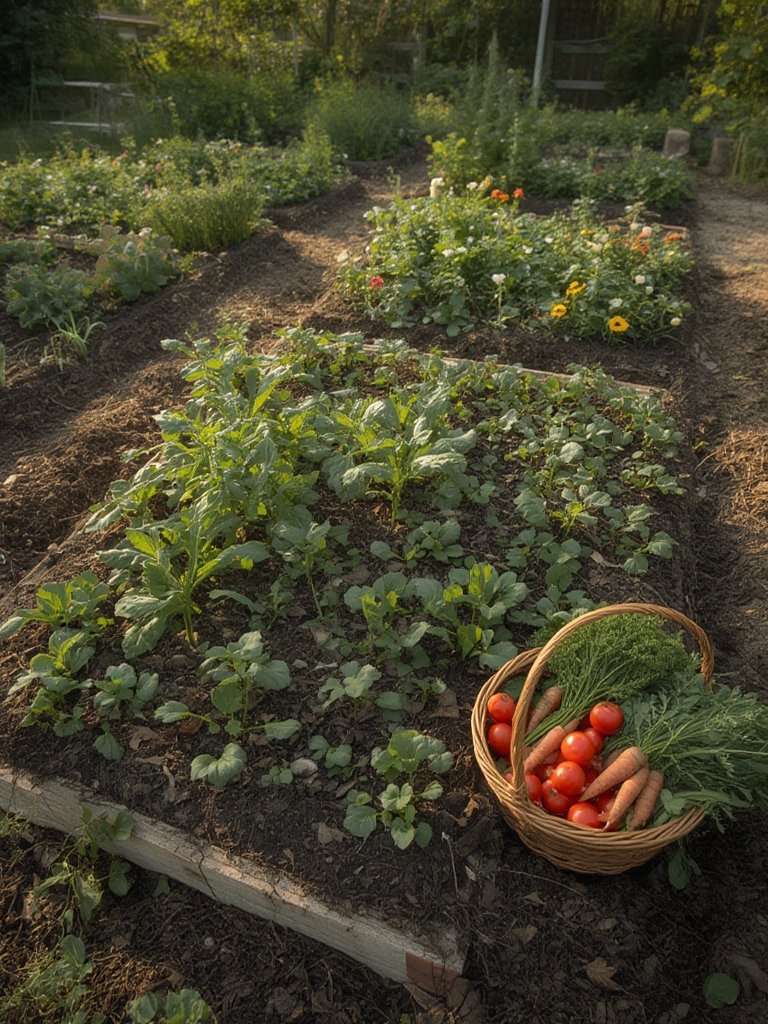
No till gardening offers a highly practical way to build long-term soil health, reduce weeds, and maintain excellent yields with much less physical labor. While you may face slow starts, uneven decomposition, or adjustments in mulch and compost routines, research consistently finds that no till delivers big improvements for both gardens and the environment. Embrace a smart, stepwise approach and your no till gardening system will get better each season.
Ready to try no till gardening? Start small, experiment, and don’t be afraid to blend it with other low-maintenance upgrades around your home for maximum sustainability and time savings.
FAQ
How is no till gardening different from lasagna gardening?
Lasagna gardening is a form of no till gardening—both avoid soil disturbance and use layered organic materials. The difference is mostly in terminology: “lasagna” specifically refers to the layered, sheet-like approach; “no till” is broader and may include using cover crops or direct mulching on established soil.
Is no till gardening suitable for all climates?
No till gardening works in most climates. Research from temperate and semi-arid regions shows sustained or increased yields. Adjust mulch and watering for extreme wet or dry conditions, and select crops adapted to your local area.
What crops grow best in no till beds?
Field trials confirm winter wheat and maize do well in no till systems. Home gardeners also have success with most leafy greens, root crops, and annual vegetables. Experiment to find the varieties that thrive in your context.
How long until I see fewer weeds with no till gardening?
Expect a noticeable reduction in weeds after the first full season if you properly mulch and avoid disturbing soil layers. Each subsequent year, weed pressure tends to drop further.
Are there any serious downsides to no till gardening I should consider?
Initial setup can be slower. Soil compaction is a risk if you skip annual additions of organic matter, and free-source mulches can introduce pests or weed seeds if not composted. Stay vigilant and adjust management strategies as needed.