

Vermicomposting is one of the fastest-growing trends for sustainable food gardening and home waste reduction in 2024, with beginner interest and adoption at an all-time high. If you’re considering taking control of your food scraps or want to boost your soil health organically, this realistic, step-by-step guide explains what works—plus common pitfalls and proven solutions—based on the latest research and real-world experience.
Key Takeaways
- Vermicomposting adoption is soaring through 2026, especially among home gardeners and urban growers.
- Real challenges for beginners include bin odors, fruit flies, and moisture issues, but these are fixable with the right setup.
- Vermicompost dramatically improves soil health, water retention, and plant growth compared to standard compost.
- What Is Vermicomposting and Why Use It?
- How to Start Vermicomposting at Home: Step-by-Step
- Advanced Analysis & Common Pitfalls
- Conclusion
- Frequently Asked Questions
What Is Vermicomposting and Why Use It?
Vermicomposting is the process of using selected worms, primarily red wigglers, to turn your food scraps and household waste into nutrient-rich castings (vermicompost). This method not only diverts kitchen waste from landfills but also creates a powerful organic soil amendment for your garden, planters, or lawn.
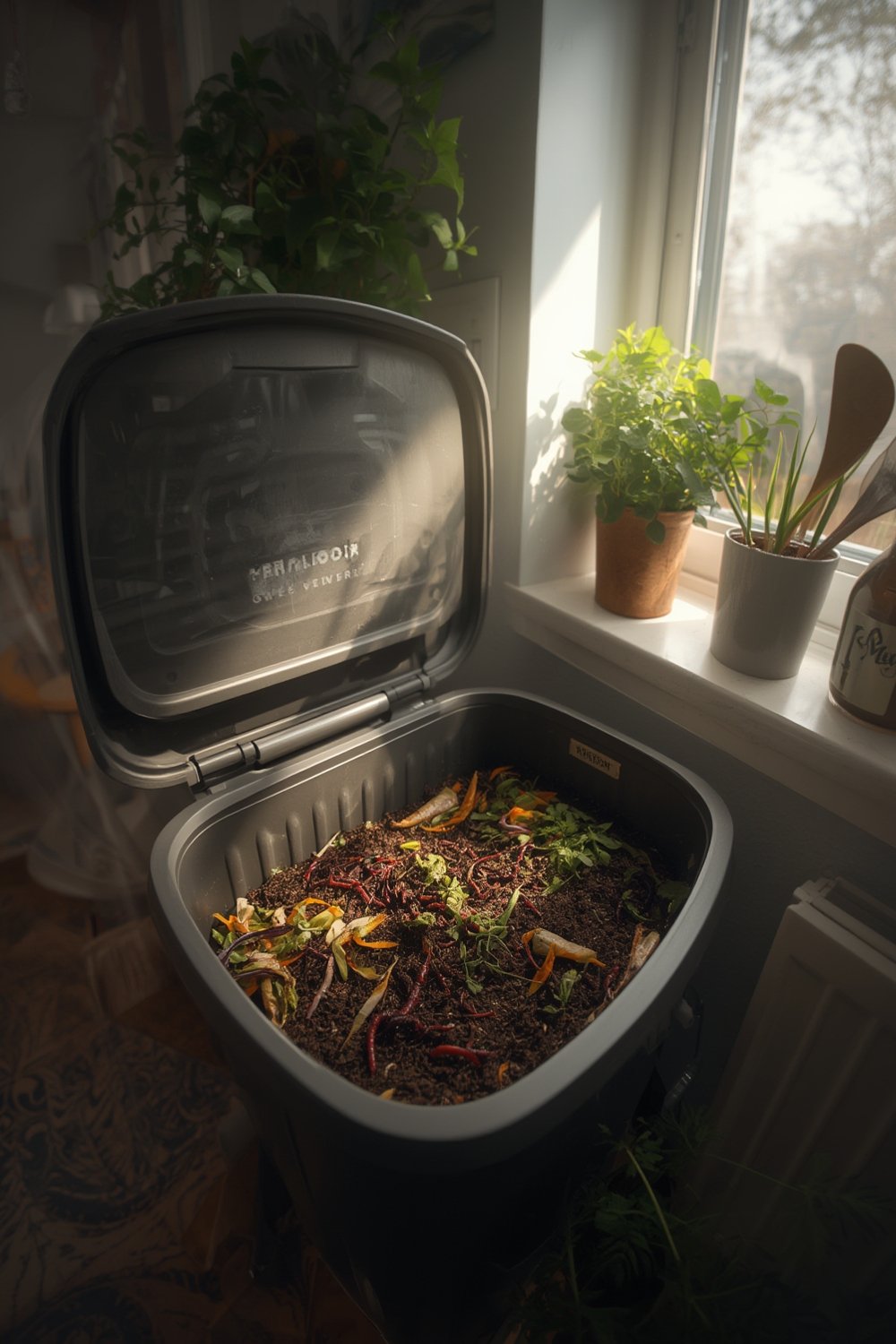
Interest in vermicomposting has surged over the past two years. According to research, the global vermicompost market reached USD 86.3 million in 2024 and is projected to grow rapidly through 2031, with the fastest expansion in home gardening and urban farming segments (Research Source 1). In North America and Asia-Pacific, local food security concerns, organic demand, and sustainability trends led to nearly 40% of urban agriculture initiatives incorporating worm bins by 2026 (Research Source 2).
What makes vermicomposting uniquely valuable is its effectiveness for the small-scale or home grower. Castings are rich in all major nutrients and help retain soil moisture, building healthy crops and gardens even in small spaces. Unlike traditional composting, vermicompost is nearly odorless, compact, and can be managed indoors or on balconies year-round.
If you’re seeking other low-maintenance, high-impact sustainability upgrades for your home, read about energy efficiency upgrades and clover lawn options for even more eco-gardening ideas.
How to Start Vermicomposting at Home: Step-by-Step
- Choose a Worm Bin: You can either buy a ready-made worm bin or build your own from a plastic storage tote (16–20 gallons is ideal for two people). Ensure it has a tight-fitting lid and at least six 1/4-inch ventilation holes on each side for airflow.
- Prepare Bedding: Shredded newspaper, coconut coir, or cardboard make excellent bedding. Moisten until it feels like a wrung-out sponge (not wet).
- Add Worms: Red wigglers (Eisenia fetida) are preferred for their efficiency and tolerance of high density and temperature variation—they thrive inside most homes. Start with one pound (about 800–1,000 worms) for average kitchen waste.
- Add Food Scraps: Begin feeding slowly. Bury food like fruit and veggie peels, coffee grounds, or eggshells in different areas of the bedding. Avoid meats, dairy, citrus, and greasy foods to prevent smells and pests.
- Monitor Moisture & Air: Every week, check that the bedding isn’t too wet or dry, and stir gently to allow airflow. Use a spray bottle to remoisten if needed.
- Separate Castings: After two to three months, remove finished castings using the “pile and light” method or by shifting fresh food/bedding to one side so worms migrate, then harvest the compost from the other side.
For absolute beginners, several commercial options are available, but a simple DIY tote is affordable—about $15-$30 for the bin and $25–$35 for a pound of red wigglers. If you’re handy, you can upcycle containers, just be sure to add enough drain and air holes. For space-saving, vertical stackable plastic bins are also popular.
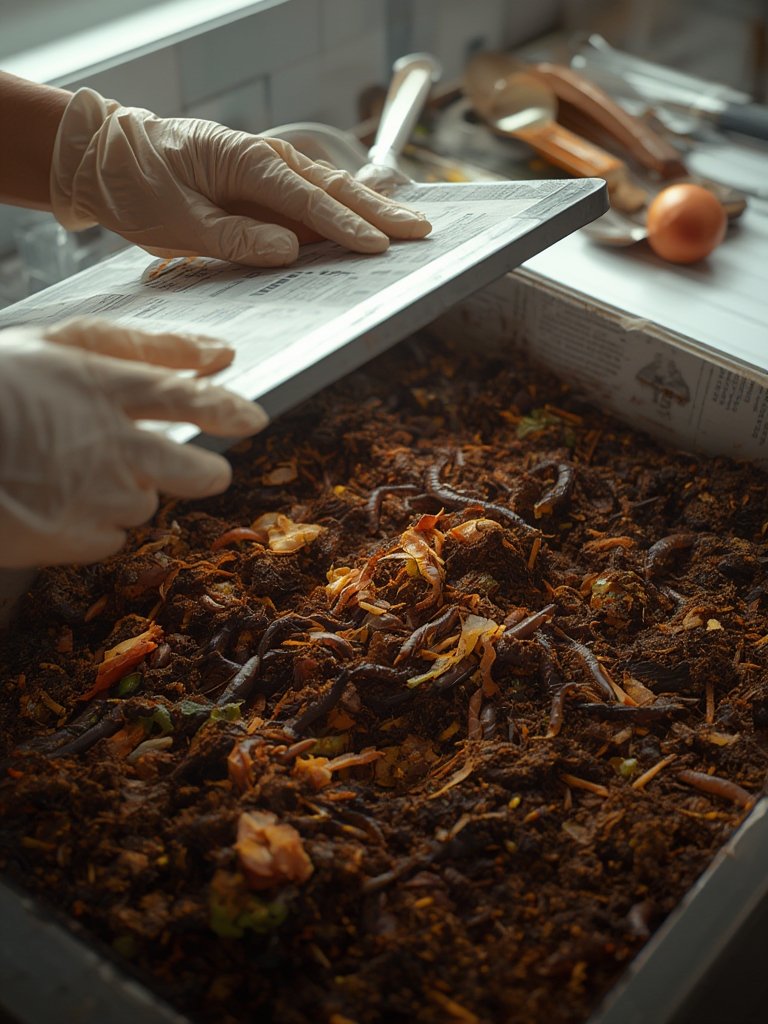
If you garden in a small space or indoors, also consider combining your worm castings production with vertical gardening systems or low-water approaches like gravel garden ideas to maximize yields and minimize hassle.
Advanced Analysis & Common Pitfalls
Adoption & Market Stats:
Market trends confirm the rapid expansion of home vermicomposting. By 2026, nearly 46% of urban farming projects in 25 states have worm bins, and 58% of small organic farms use vermicompost across multiple crop cycles (Source). North America leads in overall adoption, while Asia-Pacific shows the fastest growth rates (Source).
Common Beginner Challenges:
- Odors: Caused by overfeeding, lack of air, or too much moisture. Solutions: Bury food scraps fully in bedding, avoid soggy conditions, and aerate weekly.
- Fruit Flies: Attracted to exposed food in bins. Solutions: Always cover food with bedding, freeze scraps before use, and keep the lid on tight.
- Worm Escapes: Usually indicate unfavorable conditions (too wet, too dry, or acidic). Solutions: Use a moisture meter if needed, and never feed excess citrus or spicy scraps.
- Bedding Breakdown: If bedding disappears quickly, you’re underfeeding; if it remains, you may be over-bedding or not feeding enough nitrogen-rich scraps.
Comparing Worm Species (2026 Perspectives):
| Species | Efficiency | Survivability Indoors | Availability (2026) |
|---|---|---|---|
| Red Wigglers (Eisenia fetida) | Excellent (fastest breakdown) | High (thrives indoors, wide temp range) | Widely available online/retail |
| European Nightcrawlers | Good (slower growth) | Moderate (prefer cooler temps) | Moderate availability, higher price |
| African Nightcrawlers | Very high (fast composting) | Poor (require warmth, not ideal indoors) | Limited (mainly specialty suppliers) |
While other species can compost, red wigglers remain the top choice for households due to their hardiness and efficiency. They can be sourced from local garden centers or by mail and rebound quickly from setup errors.
Bin Selection Insights: Most beginners have success with stackable plastic bins (2–4 trays) that enable easy harvesting, airflow, and compact storage. DIY bins are the most cost-effective but require user diligence in air and moisture management. Commercial models range from $50–$200, with higher-end systems offering better aeration, tap drains for leachate, and “migration” trays to simplify harvesting.
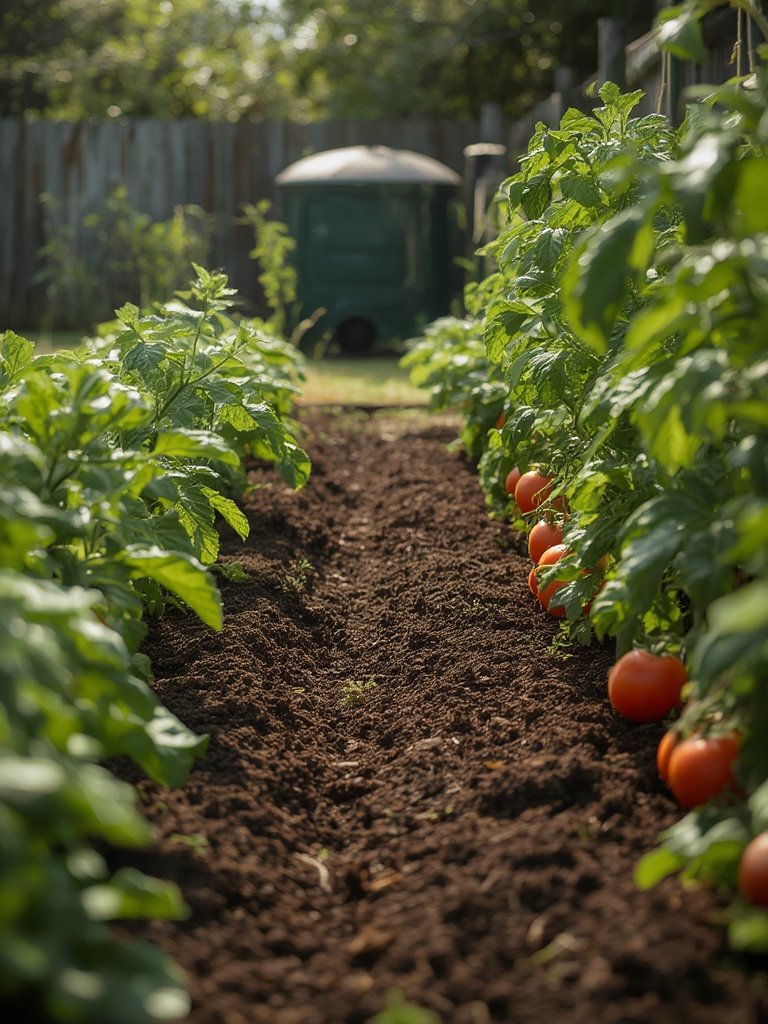
Output Impact (Garden Results): Studies show vermicompost delivers high NPK values and robust soil microbial life, directly boosting crop yields, plant resilience, and water retention ability (Research Source). While yield increases vary, anecdotal results show visible improvements in vegetable size and health even with modest home-scale output. Pair your vermicompost with no-till gardening methods and full spectrum grow lights for even more dramatic results.
Conclusion
Vermicomposting is a proven, highly adaptable way for home gardeners and urban growers to turn waste into valuable soil health, especially when combined with modern low-maintenance gardening techniques. Expect some trial and error as you optimize your bin, but the results—increased yields, reduced waste, and truly living soil—are well worth the effort. If you’re ready to try a sustainable home system this year, get started with vermicomposting and watch your garden thrive. Need more practical home improvement ideas? Explore our guides to residential siding installation and organic modern kitchens for fresh inspiration.
Frequently Asked Questions
What should I avoid feeding my worm bin?
Avoid meat, dairy, citrus, spicy foods, oily leftovers, and anything non-biodegradable (plastic, rubber bands). These items lead to odor, pests, and potential worm die-off.
How fast will my worm bin produce usable compost?
Under ideal conditions, you can harvest your first batch of castings in 2–3 months. Time varies based on worm population, temperature, and food input.
How do I prevent fruit flies in my vermicompost bin?
Bury scraps completely in bedding, keep a tight lid on the bin, and freeze scraps before adding. If flies appear, add a 2-inch bedding layer and decrease feeding for a week.
Is vermicomposting worth it for small gardens or apartment dwellers?
Yes! Vermicomposting bins are compact, odor-free when managed correctly, and provide a high-quality soil amendment for even window box gardens or houseplants.
How do I know if worm castings are finished and ready to use?
Finished castings look dark, crumbly, and earthy with little visible bedding or food left. If you still see recognizable scraps, give it another week or two before harvesting.