

Pollinator garden design can turn even a small patch of Zone 6 yard into an engine for bee, butterfly, and bird life — but only if you match the right native plants with a well-planned layout. Most homeowners underestimate the setup, seasonal care, and plant choices that make the difference between one-off blooms and a true pollinator habitat. Here’s a complete, actionable guide to what works, what fails, and how to optimize every step.
Key Takeaways
- Zone 6 pollinator gardens succeed with a blend of native plants that offer overlapping blooms from spring through fall—plant selection, not just quantity, makes or breaks the habitat.
- Site prep, succession planting, clumping, and ongoing maintenance are the “hidden” success factors that most guides skip. Budget realistically for initial plant costs and time investment.
- Avoid common mistakes like relying on exotics, forgetting host and nesting plants, or neglecting invasive species risks. Adapt for deer, local pests, and your microclimate.
- What Is Pollinator Garden Design and Why Does It Matter?
- How to Design a Pollinator Garden: Step-by-Step for Zone 6
- Advanced Analysis & Common Pitfalls in Pollinator Garden Design
- Conclusion
- Frequently Asked Questions
What Is Pollinator Garden Design and Why Does It Matter?
Pollinator garden design means creating a landscape in Zone 6 that provides continuous, reliable food and shelter for bees, butterflies, moths, and other pollinators—using mostly, or entirely, native plants. Unlike generic “wildflower beds,” true pollinator gardens are planned around overlapping bloom times, grouped plantings, and supportive habitat features (water, shelter, host plants).
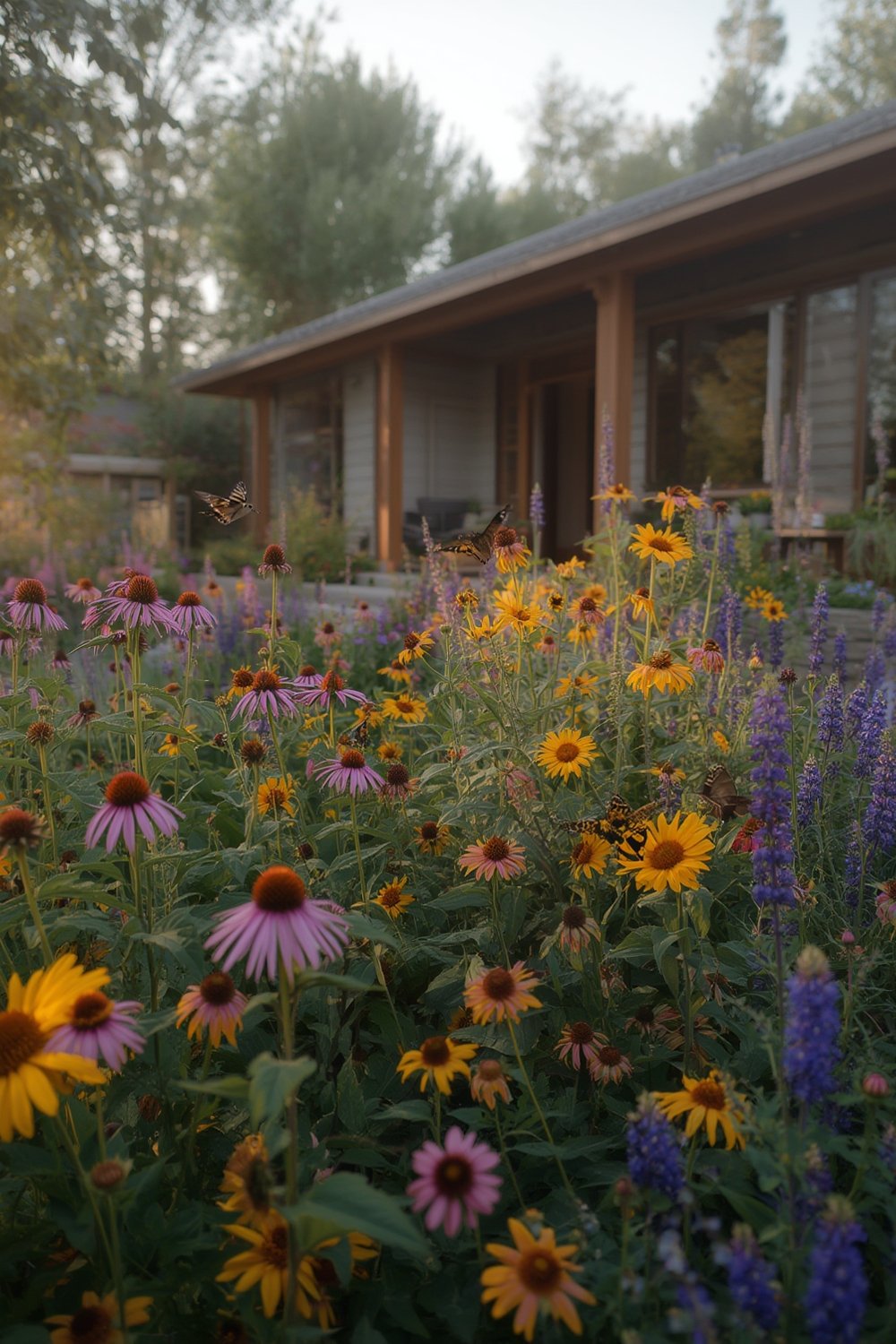
Why is this critical? Native pollinators—especially specialist bees and Monarch butterflies—depend on a constant food supply from early spring through late fall. The collapse of these populations threatens garden productivity, food security, and local biodiversity. A well-designed pollinator garden is one of the few actions an individual homeowner can take to make a real difference, even in a suburban yard. Source
How to Design a Pollinator Garden: Step-by-Step for Zone 6
-
Study Your Site and Set Realistic Goals
Check sun (minimum six hours of direct sunlight is ideal for most pollinator plants), soil type, existing weeds, and drainage. Decide how much space you can realistically maintain: 100 to 300 square feet is a manageable starting point.
-
Choose Native Plants with Overlapping Bloom Times
For sustained pollinator benefit, select at least one plant for each seasonal window, prioritizing these native perennials:
- Spring: Red Columbine (Aquilegia canadensis), Wild Geranium (Geranium maculatum), Golden Alexanders (Zizia aurea), Blue Wild Indigo (Baptisia australis)
- Early Summer: Ohio Spiderwort (Tradescantia ohiensis), Wild Lupine (Lupinus perennis), Foxglove Beardtongue (Penstemon digitalis)
- Midsummer: Lavender Hyssop (Agastache foeniculum), Nodding Pink Onion (Allium cernuum), Purple Coneflower (Echinacea purpurea)
- Late Summer / Fall: Joe Pye Weed (Eupatorium maculatum), Black-Eyed Susan (Rudbeckia fulgida)
Consult local lists for even more highly adapted species. Resources: Xerces Society plant lists, Prairie Nursery pollinator plants
-
Cluster and Layer Your Plantings
Arrange each species in groups of at least 3-5 plants, rather than scattering single specimens. This is vital for pollinator efficiency and visual impact. Place taller species at the back or center, shorter around edges. Include clumping grasses for ground-nesting bees (e.g., Blonde Ambition Blue Grama Grass).
-
Provide Water and Shelter
Add a shallow birdbath with pebbles or a saucer at ground level for insects. Use native grasses or a small brush pile for nesting and overwinter cover.
-
Plan for Host Plants and Edibles
If you want Monarchs, include milkweed (Asclepias spp.). For swallowtails, plant parsley or fennel. Blend in a few edible berry bushes for yourself—strawberries, raspberries, or blueberries—which also support pollinators and birds. See also: foodscaping for edible landscaping integration.
-
Prepare and Plant Your Site
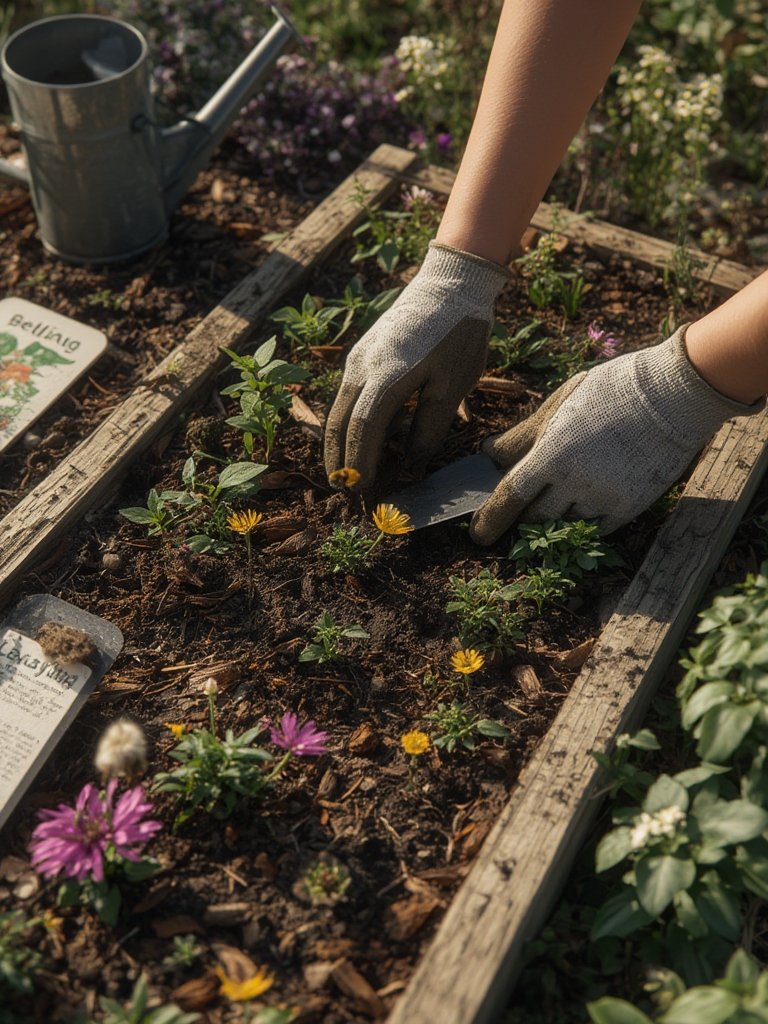
Remove sod/weed with a shovel, smother with cardboard and compost (“sheet mulching”), or use the no-till approach (no till gardening guide) to minimize soil disturbance and quickly suppress weeds. Space plants according to mature size for best airflow and disease resistance.
-
Maintain: The First Year Matters Most
Water deeply once a week in dry spells, keep weeds out rigorously, and mulch with chopped leaves or wood chips. After year one, most natives become drought-tolerant and need only annual weeding and deadheading.
For small spaces or patios, vertical gardening systems offer pollinator support without traditional beds (vertical garden guide). Mulch paths and borders with gravel if deer or foot traffic is a concern (gravel garden ideas).
Advanced Analysis & Common Pitfalls in Pollinator Garden Design
Many new pollinator gardens underperform due to a few common, but avoidable, mistakes. Here’s what to watch for:
- Poor Species Selection: Non-native or generic “pollinator mixes” miss specialist pollinators and can become weedy.
- No Bloom Overlap: Gaps in the flowering schedule mean pollinators starve or go elsewhere. Use a succession chart to prevent this.
- Overlooking Host/Nesting Needs: No milkweed = no Monarchs; no native grasses = fewer native bees.
- Ignoring Maintenance Demands: Natives are low-maintenance after year one—but heavy weeding is essential up front. Many gardeners underestimate the first-season workload.
- Budget Blindness: Perennials often cost $20-25/plant. A 150-square-foot garden at 1 plant per 2 square feet can run $1,500 before mulch, compost, or irrigation if you only use nursery starts.
- Failure to Address Invasives: Exotics, like butterfly bush, can escape and harm local ecosystems. Even “pollinator favorites” may be invasive in some areas. Cross-check all plant choices.
- Deer and Rabbit Pressure: Especially in suburban and rural areas. Most Zone 6 guides omit practical defenses like cages, deer and rabbits netting, or strategic plant placement.
| Common Mistake | Impact | What to Do Instead |
|---|---|---|
| Planting only for summer blooms | No food for pollinators in spring/fall | Use overlapping species per season (see above) |
| Selecting popular exotics (e.g. Butterfly Bush) | Supports few native insects; may become invasive | Choose locally native, vetted species |
| Single specimens, not groups | Pollinators struggle to locate flowers; patchy effect | Clump each species in groups of 3-5+ |
| Neglecting soil prep | Poor growth, heavy weeds, more pests | Sheet mulch/smother and enrich before planting |
| No host or nesting plants | Monarchs, specialist bees absent | Add milkweed, parsley, native grasses, and brush/twig piles |
| Skipping maintenance in Year 1 | Perennials lost; weeds dominate | Weed and water weekly at first, then taper |
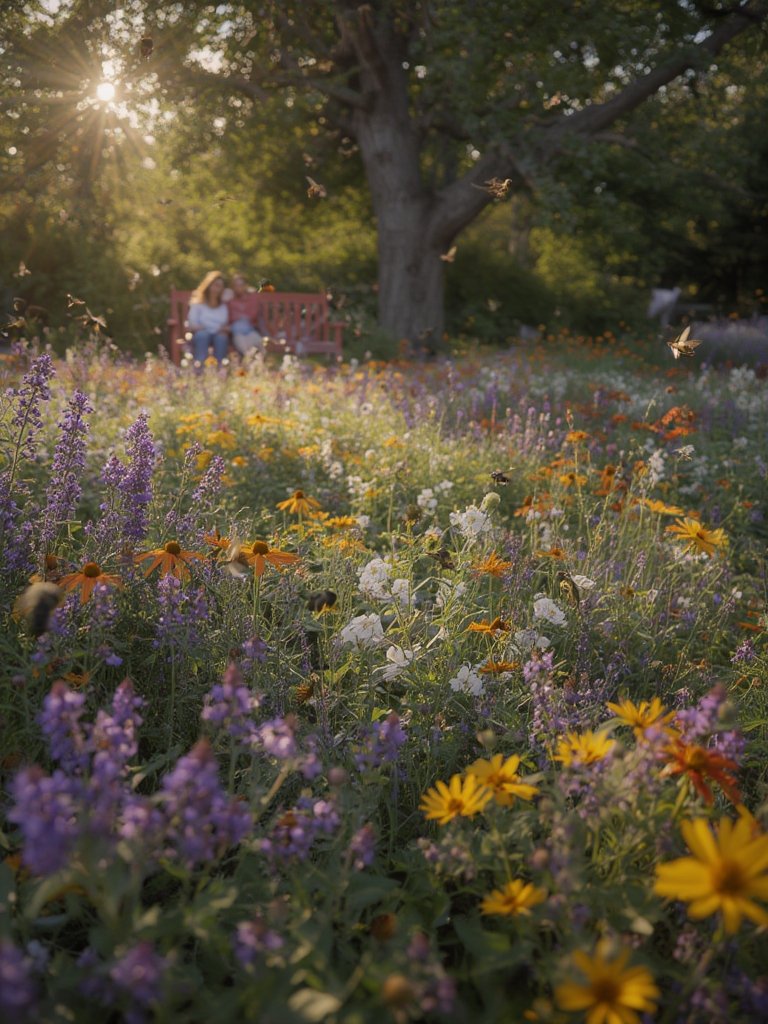
Real-World Limitations: There’s no current, published data post-2023 on North American pollinator declines by the numbers, or on the exact effects of a single backyard zone 6 garden (Xerces Society). However, every new native planting helps buffer loss of habitat and food sources—especialy in fragmented suburbs or urban lots.
Maintenance is ongoing. Low-maintenance does not mean no-maintenance, especially in the first 1 to 2 years. If you want ultra low-fuss, consider elements like clover lawns (link) or selected “no mow” plantings alongside your pollinator bed.
Conclusion
With the right approach, budget, and plant selection, a Zone 6 pollinator garden design can dramatically boost yard biodiversity, pollination, and even curb appeal—while supporting threatened bees, butterflies, and birds. Expect up-front work for years of rewards. Get started now with a core mix of natives, careful succession, and honest annual maintenance. For bigger lawn alternatives and edible landscape ideas that also help pollinators, check out our guides on no till gardening, clover lawns, and foodscaping.
Ready to create your pollinator haven? Review your site, source native plants, and plan for season-long bloom overlap. Your garden does more than look good—it restores habitat where it matters most.
Frequently Asked Questions
What are the best low-maintenance pollinator plants for Zone 6 beginners?
Good choices include Wild Geranium, Black-Eyed Susan, Purple Coneflower, Golden Alexanders, and Joe Pye Weed. These are native, established well, and thrive with minimal watering after the first year. See nursery lists for Zone 6 here.
How much will a small pollinator garden cost to establish?
A modest (100 sq ft) garden with nursery perennials, mulch, and soil can run $400-800 to start. Seed mixes are cheaper, but slower and require careful site prep to avoid weeds. Expect annual maintenance costs (mulch, compost) of $50-150.
Do I need to worry about deer and rabbits in my pollinator garden?
Yes, especially in suburban or rural edges. Use deer-resistant plants where possible (like Monarda, Echinacea), cage tender seedlings, or use safe repellents. Some failures are inevitable without protection.
Will pollinator gardens attract unwanted pests or wasps near my home?
Well-designed native gardens rarely attract stinging wasps or invasive pests. Most pollinator-friendly wasps are non-aggressive and help control caterpillars or aphids. Avoid placing dense flower groupings directly next to entryways to minimize bee/wasp encounters at doors.
Can I combine a pollinator garden with edible landscaping?
Absolutely. Most berry bushes (strawberry, blueberry, raspberry) are pollinator-friendly. Edible flowers like chives or nasturtium can be integrated. Just prioritize native perennials for the majority of your design for pollinator support. For full details, see our foodscaping guide.