

If you want to reduce stress, improve memory, and create a calming outdoor retreat, fragrance garden plants are a direct and proven way to accomplish all three. Recent research from 2023 to 2024 confirms that certain scented plants do more than smell good—specific scents like those from roses and gardenia scents measurably benefit brain function, relaxation, and emotional wellbeing. This practical guide shows how to harness those benefits in your own landscape.
Key Takeaways
- New studies confirm that roses and gardenias can lower stress and significantly boost memory in adults.
- Designing a fragrance garden works best when layering different scents for all-season enjoyment.
- Lack of global scent rankings and climate-specific data means DIY gardeners need to make practical, climate-aware plant choices.
- What Are Fragrance Garden Plants and Why Do They Matter?
- Step-by-Step Guide: How to Create a Fragrance Garden
- Advanced Analysis and Common Pitfalls
- Conclusion
- FAQ: Fragrance Garden Plants
What Are Fragrance Garden Plants and Why Do They Matter?
Fragrance garden plants are flowering or foliage species cultivated specifically for their pleasing scents. Unlike visual-only plants, these species offer direct sensory and even neurological benefits. Recent scientific research highlights that exposure to scents from roses and gardenias can reduce stress levels, enhance attention, boost relaxation, and even improve memory. Visual-olfactory garden experiences, particularly with white or blue-violet roses, can measurably lower the stress markers in your brain and elevate positive moods. Gardenia scents, rich in natural terpenes and alcohols such as linalool, are linked to relaxation, lower blood pressure, and cognitive recovery in adults. For seniors, nightly fragrance exposure has led to a dramatic 226% increase in memory capacity over six months, according to clinical research sources such as UCI News and National Institutes of Health. This evidence makes fragrance gardening a uniquely rewarding approach for mental, sensory, and physical health.
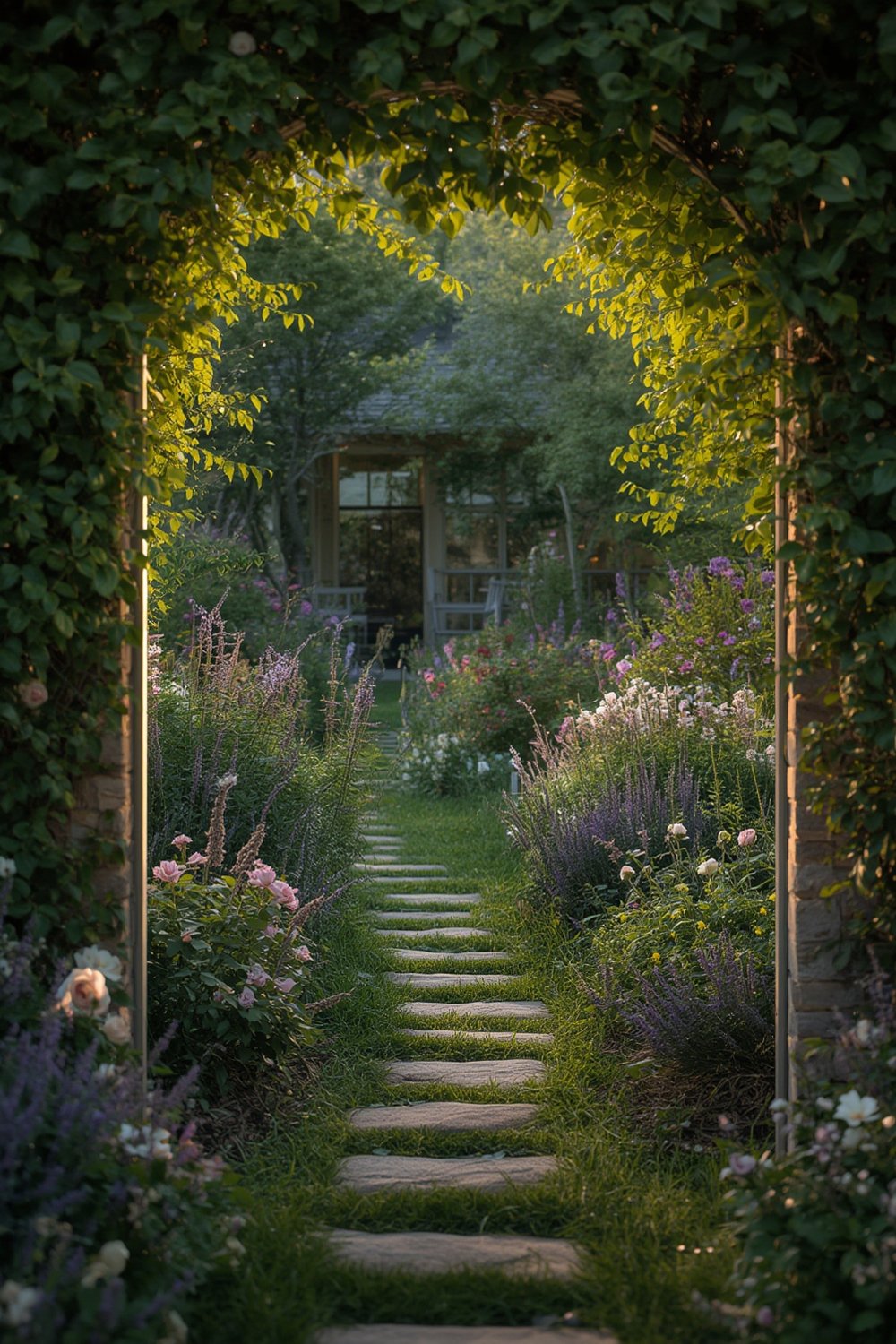
Step-by-Step Guide: How to Create a Fragrance Garden
- Assess Your Conditions and Goals: Walk through your garden space. Note sun exposure, wind, soil type, and proximity to living areas or windows. Decide where you want fragrance most—entry paths, patios, or window edges.
- Research and Choose Scented Plants for Multiple Seasons: Since there is no published global ranking of plant scent intensity or longevity, consult trusted local nurseries and online lists. Prioritize well-known aromatic species: roses (especially white, blue-violet, red, and yellow varieties), gardenia, jasmine, lavender, and sweet alyssum. Select a mix that includes spring, summer, and, if your climate allows, fall and winter bloomers.
- Strategic Placement and Layering: Place the most fragrant specimens nearest walkways, entrances, patios, and seating. Layer plantings vertically—use groundcovers (like thyme), mid-height shrubs (such as lavender), and climbers (sweet peas or jasmine).
- Plant for Maintenance and Climate Suitability: Match each species’ water, soil, and sunlight needs to your local zone. In humid climates, prevent mildew by spacing plants for airflow. In dry regions, select drought-tolerant options like lavender. Consider container gardening for frost-sensitive varieties.
- Implement a Bloom Calendar: Sketch a rough calendar by bloom month. For example: plant bulbs like hyacinth for early spring, roses and gardenia for late spring and summer, and night-scented stock or evening primrose for dusk-to-dawn fragrance from midsummer.
- Regular Maintenance: Scent depends on healthy plants—fertilize in spring, deadhead faded blooms, prune after peak flowering, and watch for signs of rot or common pests. Avoid excessive synthetic pesticides or mulches that block aroma release.
- Enhance the Experience with Hardscape Elements: Use features like pathways, benches, and raised beds to choreograph movement through layers of fragrance. Edging with fragrant herbs offers scent even when brushed gently in passing.
- Harvest and Indoor Use: Clip lightly and place scented blooms in indoor vases. Use natural essential oils in diffusers to extend benefits, especially for memory and relaxation—an approach shown to boost cognitive health in seniors.
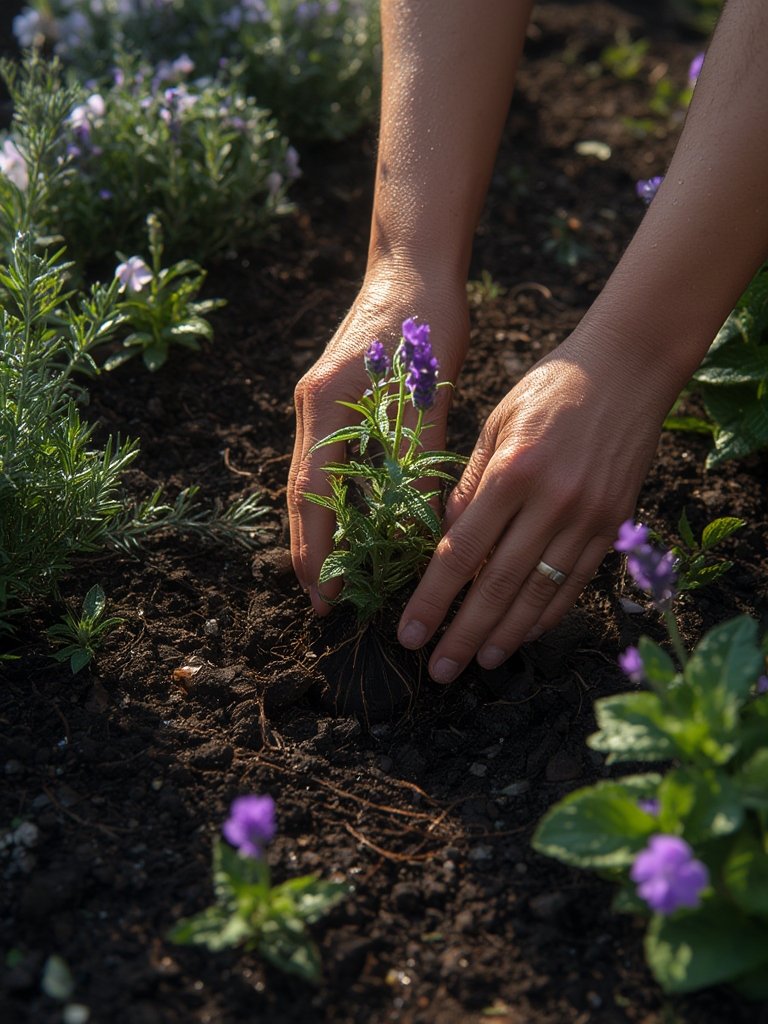
For more practical garden improvements, read our actionable guides on reducing mowing with clover lawns, creating a low-maintenance gravel garden, or no till gardening for soil health. These can be blended for a multi-layered approach alongside your fragrance garden project.
Advanced Analysis and Common Pitfalls
Despite the clear health and mood benefits, fragrance gardening can be less straightforward than it appears.
- No official scent intensity or bloom duration rankings: Gardeners must rely on anecdotal reports or nursery claims, which can vary widely by climate, soil, and plant age.
- Climate mismatches: Popular aromatic species (like fragrant roses or gardenia) may fail without adaptation in extreme cold or heat.
- Bloom timing gaps: Without careful planning, scented gardens may have long periods with little or no fragrance.
- Pest and disease risks: High-maintenance roses and night bloomers are prone to aphids, mildew, or rot, especially in humid climates.
- Fragrance fading and allergy triggers: Some plants’ scent declines rapidly after bloom. Strong scents can also aggravate allergies for sensitive individuals.
| Pitfall | How to Avoid or Fix It |
|---|---|
| Long periods without scent | Plant species with staggered bloom times across seasons; use scented foliage like rosemary or thyme for gaps. |
| Plants failing due to climate | Choose species proven for your local USDA hardiness zone. Containerize frost-sensitive plants for easy overwintering. |
| Fragrance fading quickly | Deadhead blooms promptly; use mulch carefully; replenish with new plantings each season. |
| High-maintenance or pest-prone varieties | Opt for disease-resistant cultivars; inspect regularly; use organic pest controls when possible. |
| Allergy triggers from strong scents | Mix subtler-scented plants with intense ones; test single plants before mass planting. |
Note: There is a lack of accessible pricing or cost data for establishing full fragrance gardens with top rose varieties for 2026, and little information on overlooked subtopics in other online guides. Smart gardeners must be prepared to research locally, experiment, and plan for evolving costs.
For technical solutions to pests, see our guides on reducing mosquitoes with bug zappers or implementing a modern pest control strategy.
Conclusion
Whether your goal is to reduce stress, encourage better sleep, or simply enjoy a more inviting garden, fragrance garden plants provide a real, research-backed improvement to quality of life. White and blue-violet roses, gardenia, lavender, and layered multi-season designs create a therapeutic, memorable home retreat. Use the proven steps above to start or upgrade your own fragrance garden—just remember to adjust for your local conditions. For more ways to refresh your landscape, explore our guides on vertical gardening systems or native plant landscaping. Ready for results? Start with one or two fragrance garden plants this season—you’ll notice the change in mood and memory quickly.
FAQ: Fragrance Garden Plants
What are the best fragrance garden plants for beginners?
Lavender, sweet alyssum, and disease-resistant rose cultivars are reliable, easy to grow, and offer significant fragrance even in a small garden space.
Can I grow fragrant plants in containers or a small space?
Yes. Many scented plants like gardenia, lavender, and herbs thrive in containers and patios. Just ensure proper drainage and match plants to sun exposure.
How do I maintain scent throughout the entire season?
Choose a mix of species that bloom at different times—spring bulbs, summer roses and gardenia, late summer night-scented species. Incorporate scented foliage for off-bloom periods.
Can fragrance gardens help with memory or stress relief?
Yes. Clinical research from 2023–2024 confirms exposure to plant fragrances like rose and gardenia can reduce stress, improve attention, and substantially increase memory in adults and seniors. Cited sources: UCI study and NIH research.
Are there any downsides to fragrance garden plants?
Yes. Some plants may underperform in certain climates, require extra maintenance, attract pests, or cause odor-triggered allergies. Plan for these challenges and choose species suited to your needs and local conditions.