

Heat pump water heater review 2026: If you’re researching the new generation of water heaters, you’ll see “heat pump” units increasingly recommended for top savings and efficiency. In 2026, are they really worth the cost, and how do they hold up to real-world use?
Key Takeaways
- Heat pump water heaters now deliver 2-3x the energy efficiency of traditional electric or gas tanks in 2026, with annual savings of up to $550.
- After tax credits and rebates, install costs are often similar to gas or electric tanks—but with dramatically lower ongoing bills if electricity rates are reasonable.
- Real-life cons include slower recovery after heavy use and possible cold-climate performance limits, but hybrid models and basement installs solve most issues for typical households.
- What Are Heat Pump Water Heaters & Why Consider One in 2026?
- Step-by-Step Guide: How To Get the Best Heat Pump Water Heater Experience
- Advanced Analysis & Common Pitfalls (With Real-World 2026 Data)
- Conclusion: Should You Make the Switch?
- FAQ: Heat Pump Water Heater Review 2026
What Are Heat Pump Water Heaters & Why Consider One in 2026?
Heat pump water heaters (HPWH) look like a standard hot water tank, but the technology operates totally differently from electric or gas models. Instead of directly heating water via a heating element or gas flame, a heat pump extracts heat from the air around it, then transfers this heat into the water tank. Modern HPWH can reach Uniform Energy Factor (UEF) ratings of 3.50 or higher—meaning they produce over three units of heat for every unit of electricity used. Compare that to traditional electric (UEF 0.95) or standard gas tanks (UEF 0.60), and the boost in efficiency is dramatic.
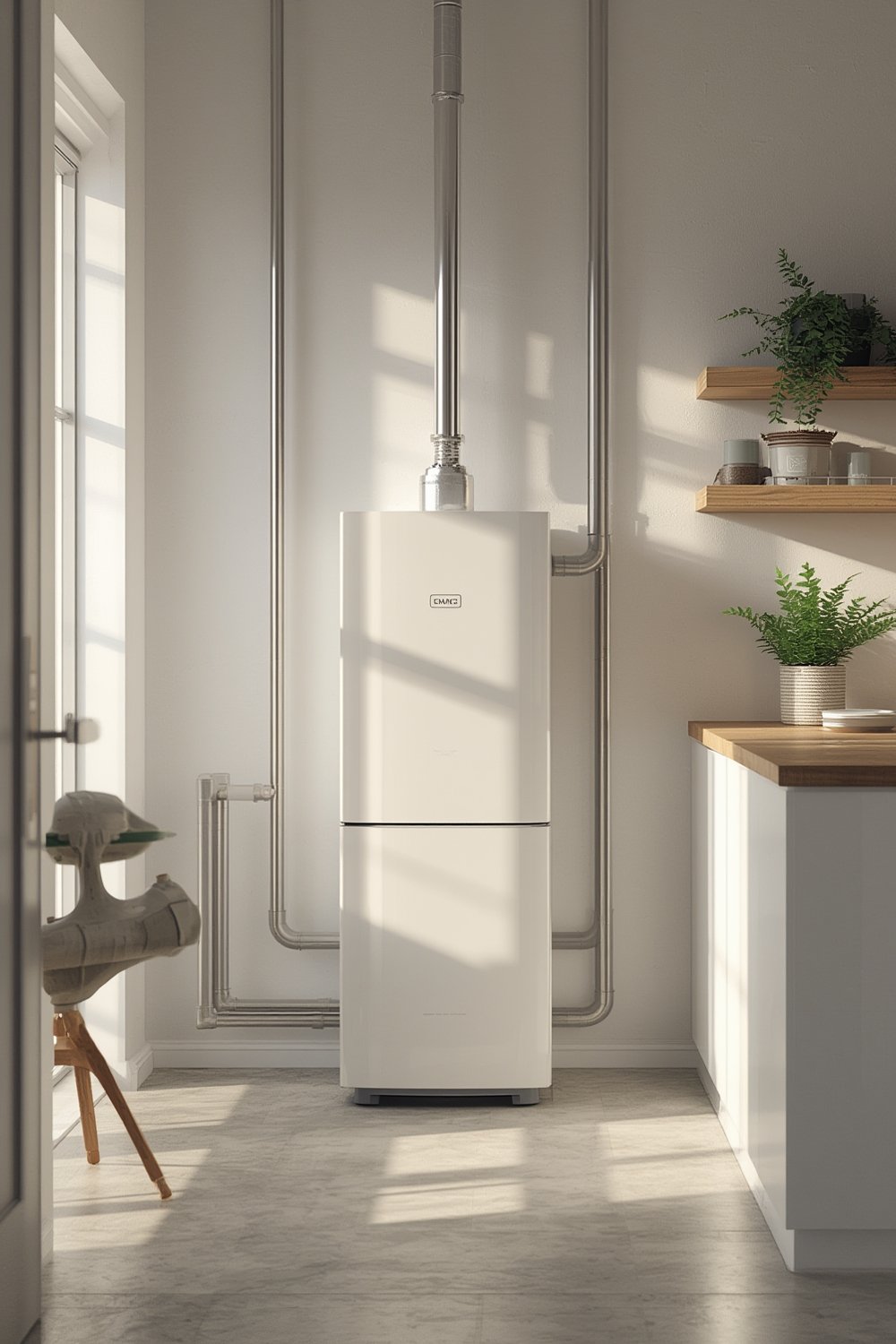
This means that, with typical household use, an HPWH might cost just $100 per year to operate—a savings of $150 to $550 annually compared to typical gas or electric tanks. According to real-world field studies and 20 years of monitoring, average efficiency factors (SPF) of 3.4 are achieved in over 840 homes globally, even in radiated heat systems. Plus, by leveraging new federal and local rebates available in 2026, the up-front cost can ultimately land in line with traditional water heaters.
The result: superior efficiency, maximum long-term savings, and a path to future-proofing your home for changing utility rates and electrification trends. If you’re interested in reducing your energy bills further, also see our Energy efficiency upgrades guide for whole-home savings.
Step-by-Step Guide: How To Get the Best Heat Pump Water Heater Experience
If you’re planning to upgrade to a heat pump water heater (including hybrid models like the Rheem ProTerra), following a clear step-by-step plan is critical. These steps include cost evaluation, site assessment, securing rebates, and considering performance in your climate.
-
Analyze Up-Front Costs & Incentives in Your Area
The sticker price for most HPWHs in 2026 is about $2,500 ($1,500 for a standard gas tank). But, with the Federal IRA Tax Credit (30% up to $2,000) and typical local utility rebates of $500 or more, your net cost can rival a basic electric or gas tank install. This can be further reduced if you’re already planning electrical work or bundling other appliance upgrades. -
Evaluate Electrical Infrastructure & Physical Space
Unlike gas models, HPWH usually don’t need extensive venting or gas lines—making installs cleaner for homes moving toward electrification. However, you’ll need a dedicated 240V circuit and ceiling clearance (for air circulation). HPWHs generally work best in spaces that remain above 40°F, such as basements or attached garages. For cold-climate installs, be sure to pick a hybrid model with a resistance heater backup. -
Find a Qualified Installer & Secure Permits
Using Energy Star–certified or utility-approved installers can help maximize eligible rebates. Look for experience with HPWH-specific details: condensate drainage, possible noise mitigation, and making sure airflow is maintained. -
Use Hybrid or “Vacation” Modes to Fine-Tune Performance
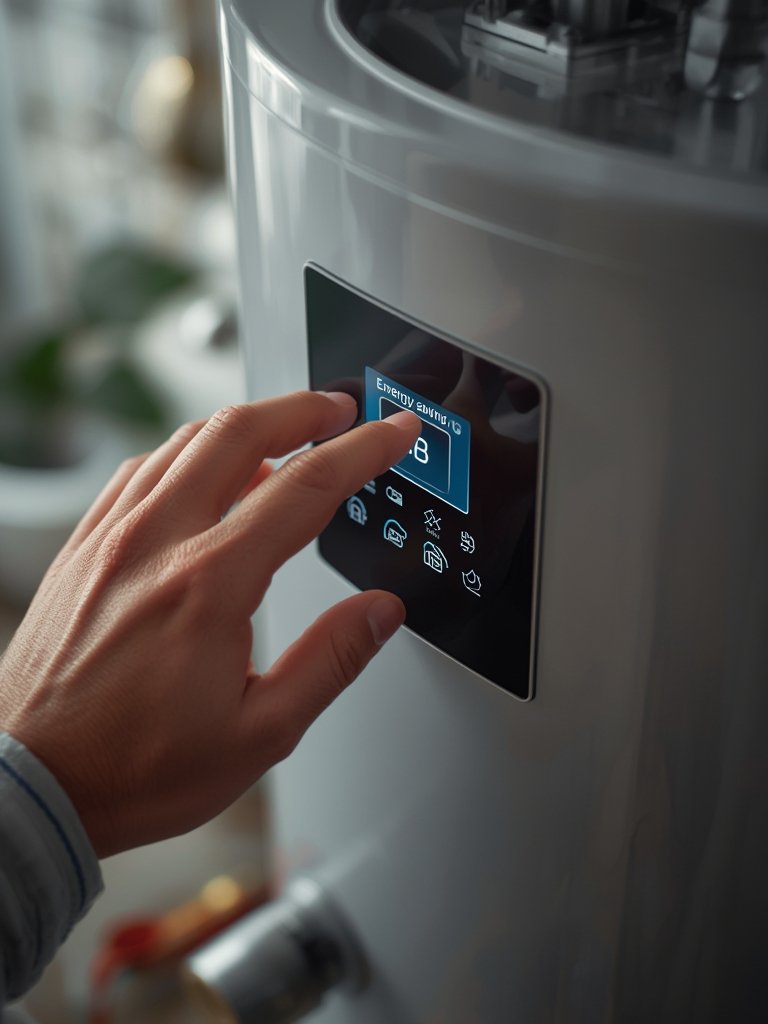
Modern HPWHs, like the Rheem ProTerra, often include “energy saver,” “high demand,” or “vacation” modes. Adjust settings based on your use—saving extra power when away, or boosting recovery after high-demand periods. -
Maximize Synergy with Solar or Off-Peak Utility Programs
If you have (or plan to add) solar, connect your HPWH to consume surplus daytime power (3–4 panels will handle most yearly hot water demand). Models with CTA-2045 EcoPort can join utility grid programs, letting you earn bill credits by shifting power use to off-peak periods.
For further efficiency wins, pair your new water heater with proven Energy efficiency upgrades—like attic insulation, solar, or thermostat controls—to truly get the lowest energy bills possible.
Advanced Analysis & Common Pitfalls (With Real-World 2026 Data)
Heat pump water heaters aren’t for everyone—and most product review roundups gloss over their limitations and the real issues users face.
Common Pitfalls & Realistic Problems
- Slower Hot Water Recovery: HPWHs can take up to 90 minutes to fully reheat a 50-gallon tank after heavy use, while gas tanks often recover in 30–40 minutes. This could be an issue for large households or if multiple long showers are needed back-to-back.
- Climate Sensitivity: HPWH performance drops in rooms colder than 40°F. This makes unheated garages/closets in extreme cold climates risky unless a hybrid (resistance backup) model is used. Most basements work fine, but consistently unheated spaces may not be suitable.
- Noise & Air Movement: HPWHs use a small compressor/fan to extract heat from air. This can produce low-level noise (like a small fridge) and may cool the installation room slightly in winter.
- Install Complexity: Correct drainage, airflow, and electrical setup is required—DIY installs are risky, and poor setup causes performance drops or leaks. Find an installer who can address these details.
- Short Rebate Windows & Expiring Tax Credits: The $2,000 federal tax credit expires for some installs after 2026; state/local incentive funds can also run out early each year. Act quickly if you want to stack all available discounts.
- Maintenance Data Is Limited: HPWH maintenance is generally low, but long-term field data is sparse compared to legacy gas/electric. Expect 20+ year lifespan according to early field studies, but warranty specifics may vary by brand.
- Gas Is Still Cheaper in Some Markets: If your region has low gas prices (under ~$1.50/therm), switching to electric may not offer quick payback—especially if electricity rates soar. Analyze your rate structure carefully.
Comparison Table: Heat Pump vs Gas vs Electric Water Heaters (2026)
| Feature | Heat Pump Water Heater | Gas Tank/ Tankless | Traditional Electric |
|---|---|---|---|
| Uniform Energy Factor (UEF) | 3.5+ | 0.60 (tank), 0.95 (tankless) | 0.95 |
| Annual Cost (50 gal) | ~$100 | ~$250 (tankless), can be lower if gas is cheap | ~$380 |
| Install Cost (after rebates) | $1,500–$2,000 | $1,500–$4,000+ | $1,000–$1,500 |
| Hot Water Recovery Time* | 60–90 min (hybrid: faster) | 30–40 min | 60–90 min |
| Climate Impact | Effective >40°F; hybrid for cold | Unchanged | Unchanged |
| Lifespan | 20+ years | 10–15 yrs (tankless: more with maintenance) | 10–15 years |
| Noise | Yes (fan/compressor) | No | No |
*Hybrid models can overcome slow recovery, especially if you manually switch modes for peak demand days.
If you’re thinking about a larger renovation, pairing your HPWH upgrade with a bathroom remodel or new siding can save on labor costs or open rebates for other efficient upgrades.

Conclusion: Should You Make the Switch?
Bottom line: heat pump water heaters deliver the lowest operating costs and top efficiency in 2026, especially where generous incentives are still available and electricity isn’t prohibitively expensive. While up-front installation may seem high, federal and utility rebates can bring HPWHs into price parity with standard tanks—and then deliver hundreds in bill savings every year. Downsides like slower peak recovery and climate sensitivity are real, but most households can work around them with hybrid models and smart usage.
If your goal is to cut your energy use and future-proof your home, a careful heat pump water heater review 2026 proves these systems are a realistic, actionable upgrade. Check local rebates, consult a pro, and start planning now—before key tax credits expire.
Want more home efficiency strategies? Explore guides on whole-house upgrades, or see solutions like robotic lawn mowers for effortless sustainability.
FAQ: Heat Pump Water Heater Review 2026
How much can I really save with a heat pump water heater in 2026?
On average, about $150-$550 per year over standard gas or electric tanks, depending on your local rates and household use. Some European studies report even higher long-term savings, especially as utility prices fluctuate. These savings make up for the initial install cost within a few years for most households (see field data).
Will a heat pump water heater work in cold basements or garages?
Most units are rated for ambient air above 40°F. For reliable use in colder climates, choose a hybrid model or install the unit in a minimally heated space. Models with resistance back-up will auto-switch to keep hot water flowing, but might lose some efficiency on the coldest days.
Do I need special electrical wiring or permits for installation?
You’ll need a dedicated 240V circuit and sometimes an upgrade to your electrical panel. Always use a licensed electrician or plumber familiar with HPWH installs, and pull any required building permits to stay eligible for rebates. In some regions, utility partners will help with this process as part of their incentive programs.
How long do heat pump water heaters last compared to gas or electric?
Heat pump water heaters are expected to last 20+ years, according to long-term research. This is equal to or longer than most tank-style electric or gas water heaters, particularly with regular maintenance and proper installation.
What happens if I miss the 2026 tax credit window?
You’ll lose the largest upfront discount—up to 30% of install cost ($2,000 max). Local utility rebates might still be available, but total project cost will rise, and payback periods will be longer. Act soon if possible.