

Disclosure (FTC 16 CFR Part 255): As an Amazon Associate, I earn from qualifying purchases. I am a journalist who covers consumer Lawn & Garden tech. ReviewGuid.com participates in the Amazon Services LLC Associates Program. If you click an affiliate link in a related buying guide and make a purchase, I earn a small commission at no extra cost to you. The reporting below contains no paid product placements; editorial decisions are made independently of any retailer. – Maya Bennett
Key Takeaways
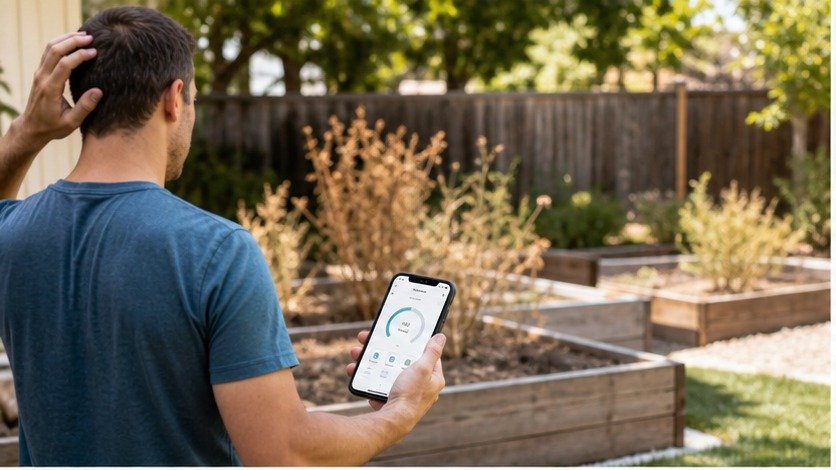
Smart hose timers are moving from novelty gadget to practical water-control upgrade because raised beds, containers, and hotter weeks punish inconsistent hand watering. The useful models are not just remote switches; they help gardeners build repeatable schedules, pause watering, and avoid waste.
Smart hose timers are becoming the shortcut gardeners use when they want app-controlled watering without installing a full in-ground sprinkler controller. The trend is especially visible around raised beds, side-yard drip lines, patio containers, and vacation watering setups where one faucet can make or break a planting week.
EPA WaterSense reports that residential outdoor water use in the United States accounts for nearly 8 billion gallons of water each day, mainly for landscape irrigation. That number explains why a small faucet timer can feel newly important: the pain is not just convenience, it is waste, missed watering, and plants drying out during a heat wave.
Why the category is getting attention now
The old version of this purchase was a mechanical dial timer. The new version is a garden control point: it can run a hose-end drip line, skip a cycle after rain, and let a homeowner shut off watering from a phone before runoff starts.
The strongest buyer is not always a lawn owner. It is often a raised-bed gardener, renter, townhome owner, or patio grower who cannot justify a full irrigation controller but still needs watering to happen on time.
That is why the best smart hose timer conversation now overlaps with drought planning, plant survival, and water bills. The timer is small, but the behavior change is large.
For smart hose timer shopping, the important test is not whether the box promises automation. The real test is whether a normal homeowner can install the device, understand the schedule, and trust the faucet to shut off when the watering window ends.
The practical garden context matters because hose-end watering is usually improvised. A timer may feed a soaker hose one week, a sprinkler the next week, and a patio container line during a vacation. That flexibility is useful only if the controls remain easy to audit.
Connection reliability is another hidden buying factor. Outdoor faucets are often on side walls, behind shrubs, or far from the router. A product that looks excellent indoors can feel frustrating if the signal path is weak near the garden bed.
Watering discipline is the reason this category exists. The goal is not to water more often; the goal is to water at the right time, for the right duration, with fewer forgotten manual sessions and fewer wasteful runoff events.
Battery access, manual override, and winter removal are small details that become large ownership issues. A timer lives outdoors, so the best design is the one that remains understandable after months of heat, hose movement, and schedule changes.
Price should be judged against the plants being protected. A lower-cost timer can be enough for a simple hose, while a more expensive model may be justified when the owner wants remote confidence, ecosystem control, or flow alerts.
What changed between 2022 and 2026
The smart hose timer category existed in 2022 but the products were mostly early-generation Bluetooth-only devices that required the homeowner’s phone to be nearby for remote control. The current generation added cloud connectivity, dedicated gateways, and Apple Thread support. The practical effect is that a gardener can now check, pause, or modify a watering schedule from anywhere with a phone signal, not just from inside the house or back yard.
Pricing also shifted. The 2022 entry-level smart timer was around $40 to $60 for a Bluetooth model with limited scheduling. The 2026 market settled around $100 to $155 for timers with cloud connectivity, weather intelligence, or flow monitoring. That price increase reflects the added reliability and remote capability, but it also raised the bar for what a gardener expects the product to do. A $150 timer that fails to close after a scheduled session is a much bigger frustration than a $40 mechanical dial timer running long.
The competitive landscape narrowed. Several brands that released Bluetooth timers in 2021 and 2022 quietly exited the category or stopped updating firmware. The models still receiving consistent software support in 2026 – Rachio, Eve, and LinkTap at the product tier covered in this report – are the ones that survived the shakeout. That consolidation matters for buyers who plan to rely on a timer for multiple growing seasons: buying a product from a brand that is still actively developing the app is now a meaningful purchase criterion.
Who is actually buying these timers
Based on the usage patterns described in owner reviews and the product positioning chosen by the three leading brands, the dominant buyer profiles in 2026 are: raised-bed gardeners in suburban homes who want consistent daily watering without standing outside with a hose, patio and balcony container growers who need vacation coverage, and townhome or rental tenants who cannot install an in-ground system but still want app-controlled watering for a small outdoor space.
A secondary buyer group is emerging among water-bill-conscious homeowners in drought-prone states. EPA WaterSense data shows that residential outdoor water use is heavily skewed toward the summer months and frequently tied to habitual over-watering rather than plant need. A smart timer that skips a cycle after rain, shortens duration during a cooler week, or alerts the owner when a hose is left running addresses a real cost and conservation problem, not just a convenience preference.
What shoppers are really buying
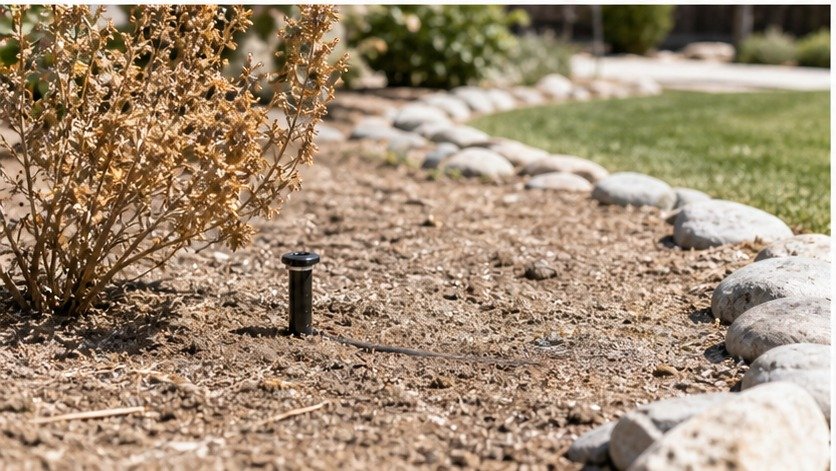
A smart hose timer is not a replacement for a professional irrigation design. It is a practical bridge for people who need one controllable water source and do not want wiring, trenching, valves, or a controller box.
The product choice should start with the watering pattern, not a brand recommendation. A patio container line, a raised-bed drip setup, and a vacation sprinkler all need different levels of scheduling, pause control, and alert confidence.
Colorado State Extension guidance on drip irrigation notes the value of timers for home garden systems. EPA WaterSense guidance adds the larger water-efficiency frame: watering controls work best when they respond to actual conditions instead of repeating a careless schedule.
| Category | Core Technology | Price Range | Representative Brands |
|---|---|---|---|
| App-first timers | Hub or Wi-Fi scheduling | $60-$120 | Rachio |
| Smart-home valves | HomeKit, Thread, Bluetooth | $100-$160 | Eve Aqua |
| Monitoring timers | Gateway plus flow alerts | $130-$180 | LinkTap |
⇆ swipe horizontally on mobile
The buying checklist before you order
“WaterSense guidance frames smart irrigation around matching watering to actual conditions, not just automating a wasteful habit.“
Ready to compare your options?
We compared Rachio, Eve Aqua, and LinkTap by app fit, faucet setup, monitoring, and real garden use.
The buying checklist above is the most practical summary I can offer in a trend article: check faucet clearance, confirm hub or gateway range, verify manual override access, understand the battery replacement cycle, and think through rain-pause behavior before the first schedule runs. A timer that handles those five checks reliably will serve its garden well for multiple growing seasons without demanding much attention after the initial setup week.
Frequently Asked Questions
Are smart hose timers worth it?
They are worth considering when one faucet waters raised beds, containers, or drip lines that need a repeatable schedule.
Do they replace sprinkler controllers?
No. They are simpler faucet controllers for hose-end watering.
Should a news article recommend one product?
No. The news article explains the trend and sends product-specific decisions to the companion comparison guide.
Why are smart hose timers getting attention in 2026?
They give renters, raised-bed gardeners, and patio growers a lower-friction way to control watering without installing a full irrigation controller.
For broader context, I also checked EPA WaterSense outdoor water guidance, University of Minnesota Extension watering guidance, and Clemson Cooperative Extension lawn watering guidance. Those sources reinforce the same point: a timer is useful only when the schedule matches weather, soil, and plant demand.