

Disclosure: As an Amazon Associate, I earn from qualifying purchases. – Maya Bennett
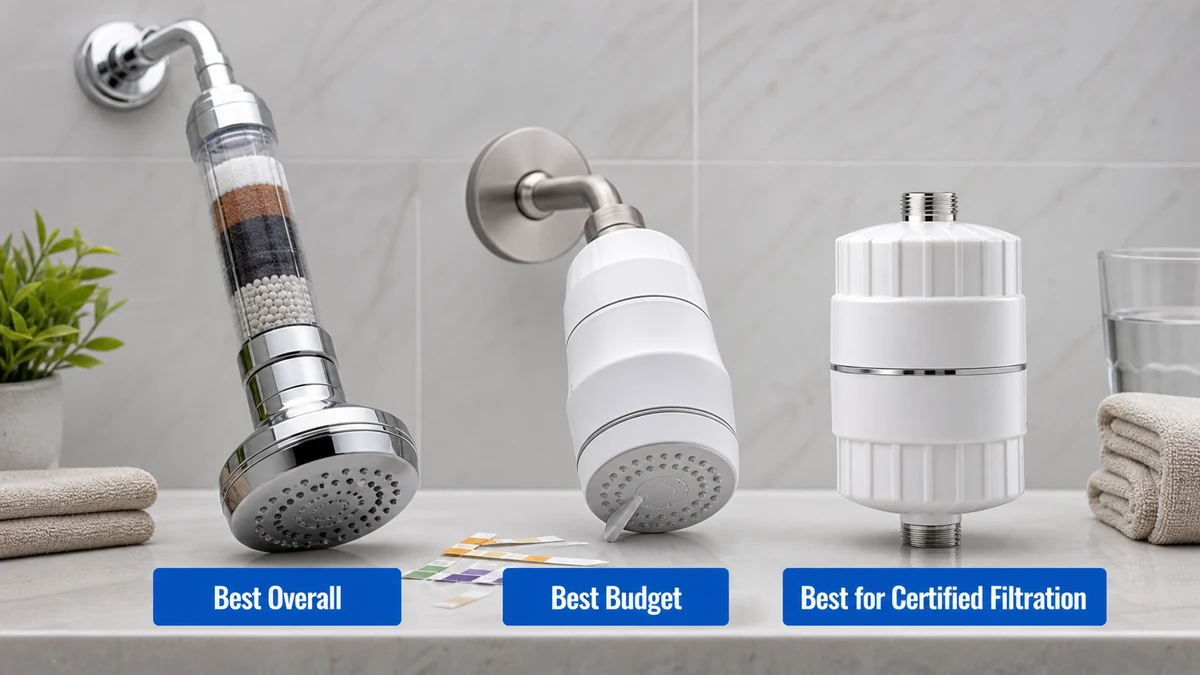
AquaHomeGroup is the best shower head filter for hard water shoppers who want a low-cost in-line filter with massive review volume. Culligan is the safer budget choice if you want a new filtered shower head, while Weddell Duo is the premium pick for shoppers who care most about certification-backed chlorine reduction.
How I picked these 3 shower head filters
I narrowed this list to products currently available on Amazon, rated at least 4.0 stars, with more than 100 buyer reviews, and solving a different version of the same shower-water problem. I weighted fit, price, rating count, claim clarity, cartridge replacement cost, and whether the product type made sense for renters. I also linked back to the shower filter trend story because the category shift explains why shoppers are scrutinizing claims more closely in 2026.
Sources: Good Housekeeping Institute shower-filter testing, Bob Vila shower-filter buying criteria, NSF/ANSI 177 shower-filter certification guidance, and CDC guidance on chlorine and chloramine in drinking water.
Full spec sheet at a glance
| Feature | AquaHomeGroup | Culligan | WEDDELL |
|---|---|---|---|
| Best For | Overall value | Budget fixture swap | Certified filtration |
| Type | In-line multi-stage filter | Filtered shower head | Premium certified filter |
| Price | $25.00 | $40.08 | $89.99 |
| Rating | 4.5 | 4.2 | 4.1 |
| Reviews | 19,669 | 5,728 | 1,834 |
| Install fit | Standard shower arm | Replaces shower head | Standard shower arm |
| Main claim | Multi-stage chlorine and sediment reduction | Filtered massage shower head | NSF-certified chlorine reduction |
| Watch-out | Stage count is not softening proof | Fixture feel is personal | Highest upfront price |
⇆ swipe horizontally on mobile – prices last verified June 1, 2026
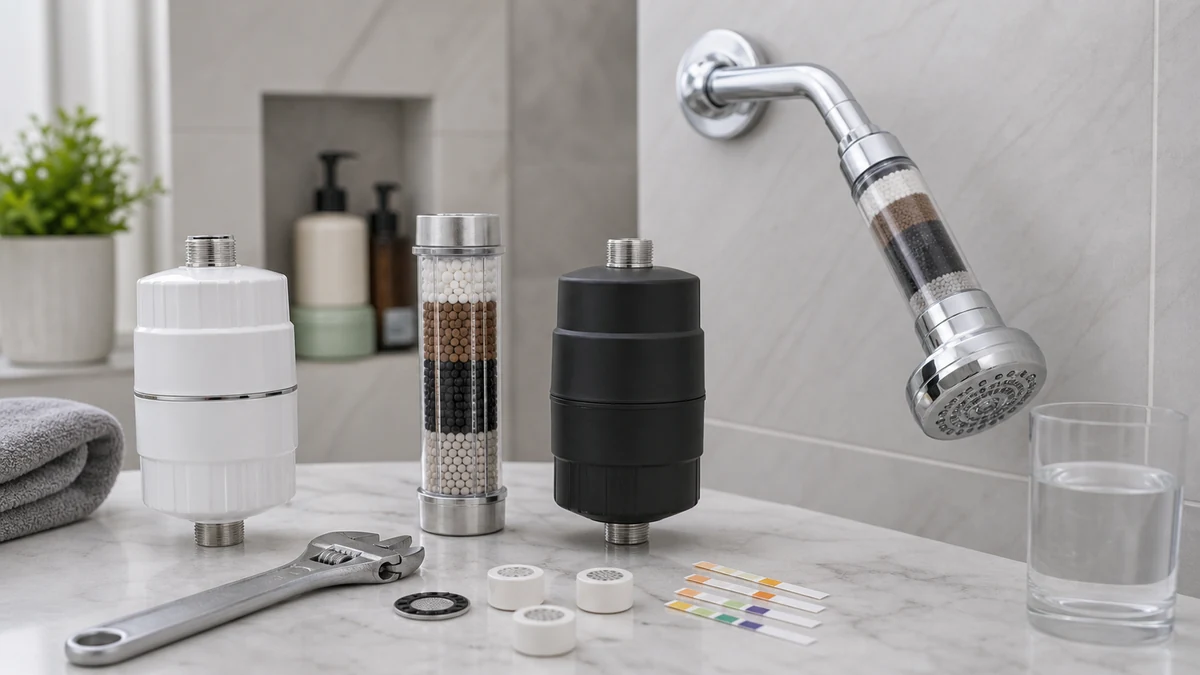
The 3 picks, in detail
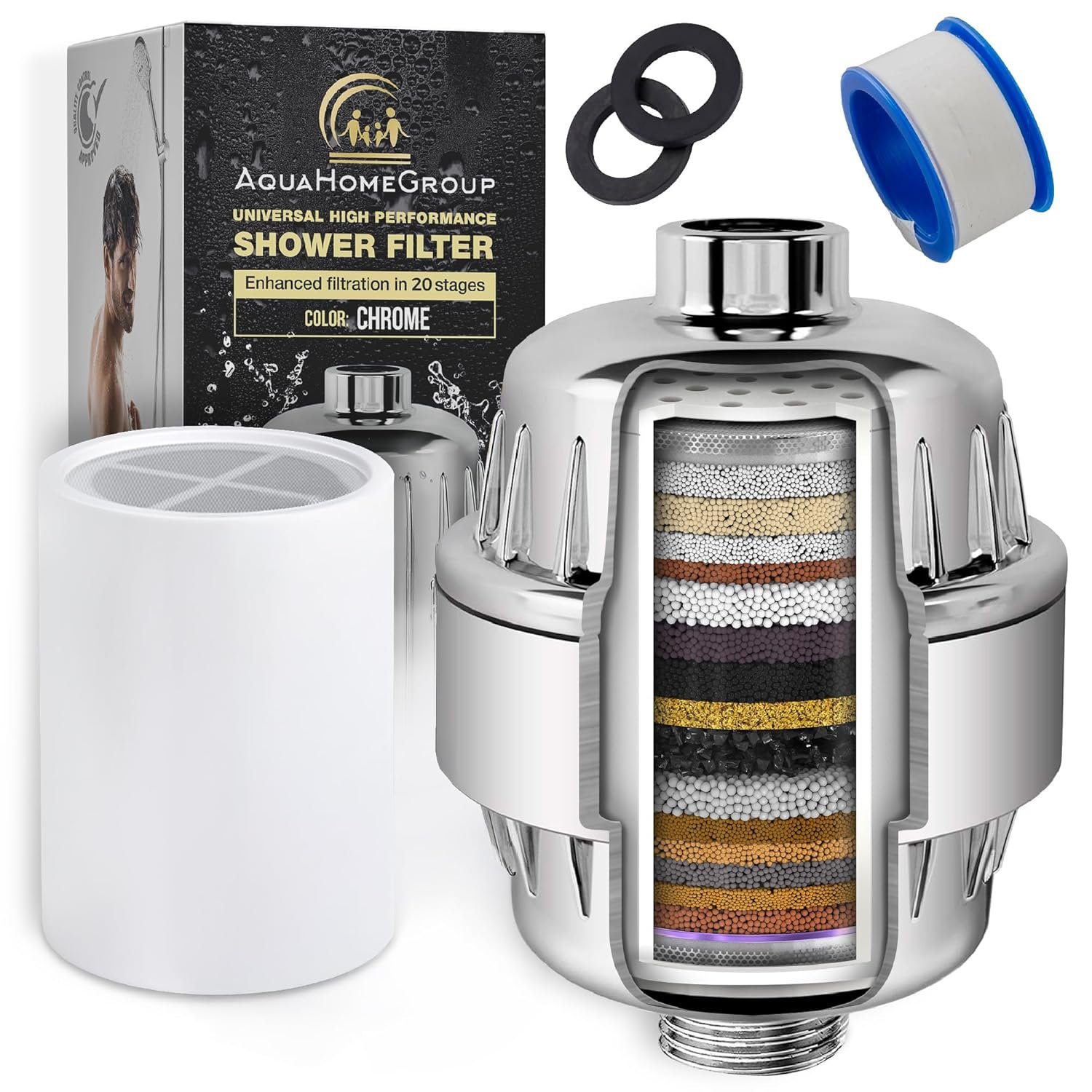
#1 – AquaHomeGroup 20 Stage Shower Head Filter with Vitamin C E A
★★★★☆ 4.5 – 19,669 reviews
Real-World Performance Notes
AquaHomeGroup wins because it asks the least commitment from the most households. The installation path is simple: unscrew the shower head, add the filter body, and reattach the head. That makes it attractive for renters who like their current spray pattern but want to test whether filtration changes odor or water feel. The limitation is claim interpretation. A multi-stage label sounds impressive, but shoppers should not treat it as proof that the filter softens hard water minerals.
For hard-water shoppers, the practical question is what symptom you are trying to improve first. If the symptom is mineral scale on fixtures, none of these shower filters should be sold as a full softener. If the symptom is disinfectant odor, a cartridge claim around chlorine becomes more relevant. If the symptom is low pressure, housing design and shower-head restriction matter as much as media.
Cartridge discipline is also part of performance. I would rather buy a filter with an easy-to-find replacement cartridge than a dramatic media-stage claim with unclear refill availability. Before ordering, check current cartridge pack pricing and add one year of expected replacements to the purchase price.
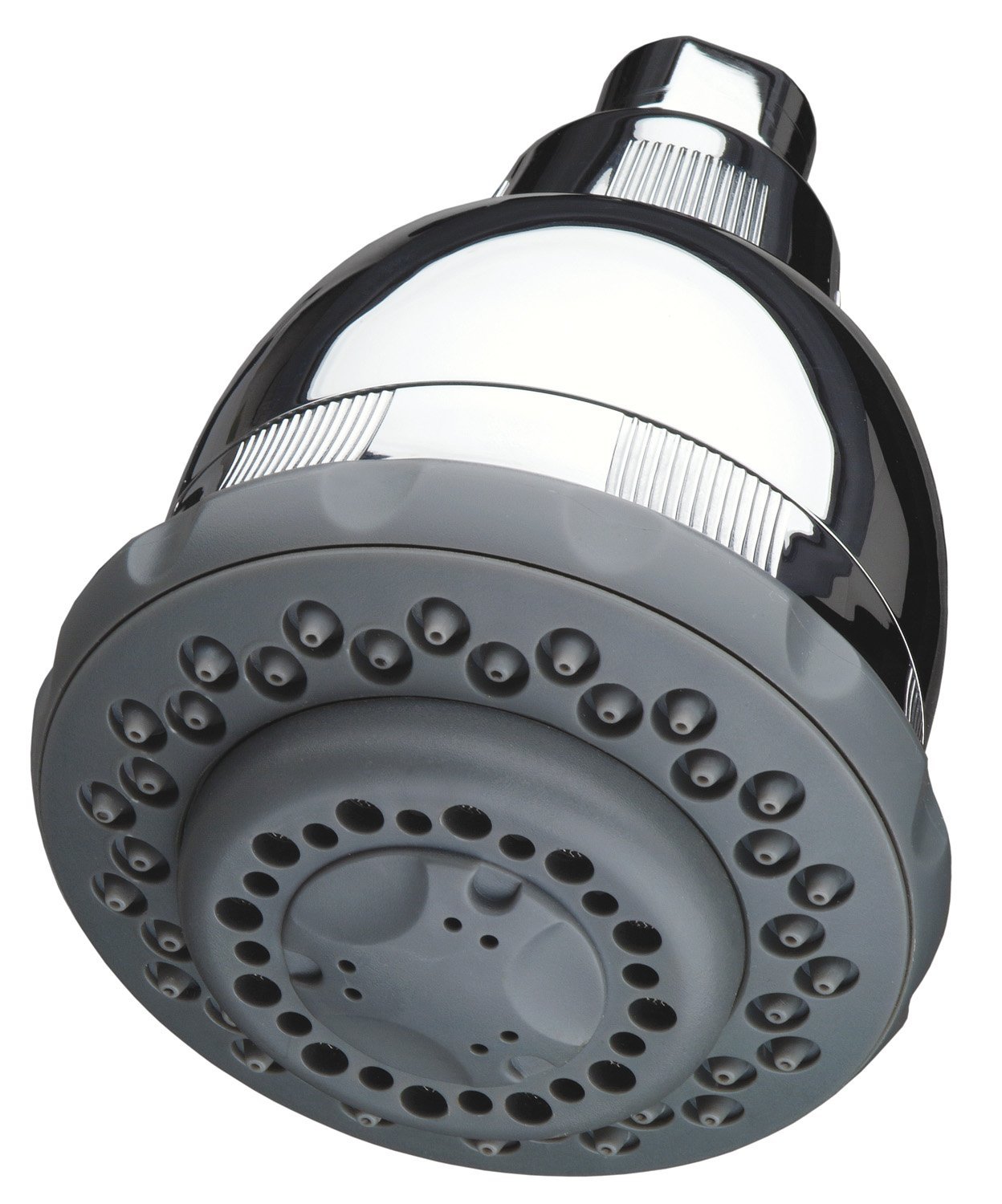
#2 – Culligan WSH-C125 Wall-Mounted Water Filtered Shower Head with Massage
★★★★☆ 4.2 – 5,728 reviews
Real-World Performance Notes
Culligan is the cleanest budget pick for shoppers who want the fixture and filter solved in one box. Instead of adding a cartridge body behind a shower head you may dislike, this product replaces the shower head and puts filtration into the fixture. The tradeoff is personal preference: shower head feel is subjective, and a massage pattern that works for one bathroom may feel too narrow in another.
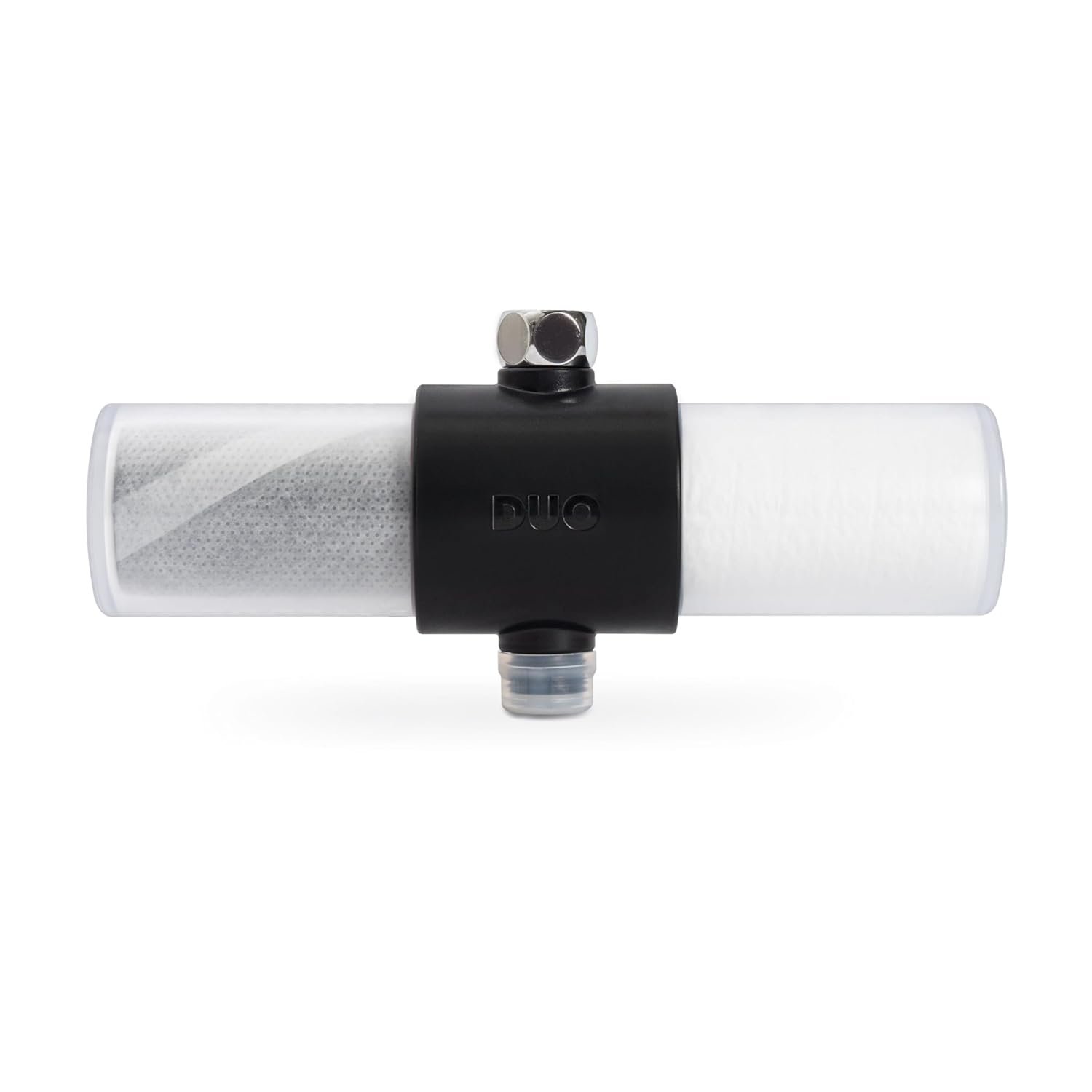
#3 – Weddell Duo Shower Filter NSF Certified Shower Filter
★★★★☆ 4.1 – 1,834 reviews
Real-World Performance Notes
Weddell Duo is the niche pick because it is solving a different problem. It is not trying to be the cheapest filter on the page. It is aimed at shoppers who read the certification claim, care about design, and want a premium filter housing that looks intentional in a remodeled bathroom. That premium makes sense only if the certification angle and build quality are the reason you are shopping.
Which one should YOU buy?
The right choice depends less on the words hard water and more on the job you need the filter to do. Use this decision path before you click a retailer button.
How to choose without overbuying
A shower filter purchase gets easier when you separate three problems that shoppers often bundle together. The first problem is chlorine odor. If the shower smells sharp, pool-like, or treated, then a filter with a clear chlorine-reduction claim is the most relevant path. The second problem is sediment or old-building debris. If you see grit at the shower head or the fixture clogs quickly, then cartridge access and replacement cost matter as much as the starter price. The third problem is true hard-water scale. If white mineral buildup appears on every faucet, glass, kettle, and appliance, a shower filter can make the shower feel better, but it is not the same project as softening the whole home.
That distinction is why I rank AquaHomeGroup, Culligan, and Weddell for different buyers instead of pretending one product solves every bathroom. AquaHomeGroup is the low-friction test: inexpensive, easy to add behind a shower head, and strong on social proof. Culligan makes sense when the existing shower head is part of the problem, because it replaces the fixture and adds filtration in one move. Weddell is the premium path for shoppers who want a cleaner certification story and are willing to pay more for that confidence. The best product is the one that matches the job, not the one with the loudest claim.
The cartridge math matters more than the box price
The easiest mistake is judging these filters by the first checkout price only. A low-cost housing can become expensive if cartridges are sold in small packs, go out of stock, or need replacement sooner than expected. Before choosing, I would price one full year of cartridges and add that number to the starter kit. If two filters are close in first price, the better cartridge supply usually wins. A practical buyer should also check whether replacement cartridges are brand-specific, whether generic replacements fit, and whether the seller lists a realistic gallon or month estimate.
For a renter, this annual cost test is especially useful. You may only stay in an apartment for one or two lease cycles, so the right answer is rarely a permanent plumbing upgrade. But you still do not want a disposable accessory that becomes annoying after the first cartridge. If the refill pack is easy to reorder and the installation can be reversed on move-out day, the filter is doing its job as a renter-friendly bathroom upgrade. If the refill path is unclear, the product should lose points no matter how attractive the starter kit looks.
Pressure, fit, and shower feel are the practical tests
Pressure complaints are the reason some buyers give up on shower filters quickly. Any cartridge adds resistance, and that resistance is more noticeable in older apartment buildings, upper-floor bathrooms, and showers that already use restrictive heads. If your current shower pressure is weak, read recent buyer reviews for the exact word pressure before ordering. Look for patterns rather than one-off complaints. A few negative reviews are normal; repeated comments about weak flow, leaking gaskets, or hard-to-tighten threads are a better warning sign.
Fit is just as important. Most products target standard shower arms, but bathrooms are not always standard in the real world. Rain heads, handheld hose kits, unusually short arms, low ceilings, and shower caddies can all make a bulky in-line housing awkward. That is where Culligan can be simpler for some buyers because it replaces the head instead of adding a second object behind it. Weddell can look cleaner in a remodeled bathroom, but its higher price only makes sense if the visible design and certification claim matter to you. AquaHomeGroup is easiest to justify when you already like your current shower head.
When I would skip all three
I would skip this whole category if the actual complaint is whole-home scale. If the dishwasher, coffee maker, bathroom glass, and every faucet show mineral buildup, a shower filter is only treating one symptom in one room. In that case, a water test and a softening or conditioning quote are more useful than another cartridge. I would also skip these filters if your building has very low pressure, if your landlord restricts fixture changes, or if you cannot find replacement cartridges from more than one reliable seller.
For everyone else, the category can be useful when expectations are honest. Buy AquaHomeGroup if you want the cheapest credible first test. Buy Culligan if the fixture itself needs replacing and the under-$50 price matters. Buy Weddell if you value the premium certification story enough to pay more. That is the clean decision framework, and it is stronger than shopping by stage count alone.
Real-world buyer notes after comparing the three formats
The biggest practical difference between these picks is not the number printed on the box. It is where the filter sits in the shower system. An in-line filter such as AquaHomeGroup keeps the existing shower head, which is ideal if you already like the spray pattern. It also means the filter body adds length behind the head, so tight shower corners and wall-mounted caddies need a quick clearance check. A filtered shower head such as Culligan changes the spray face and the filtration at the same time. That is useful when the current head is old, clogged, or too narrow, but it also means you are committing to Culligan’s spray feel. Weddell sits in the premium lane because the housing, certification story, and design are the reason to pay more.
For renters, I would prioritize reversibility. The best renter-friendly product can be removed without visible damage, does not need thread sealant smeared across the arm, and does not require storing a pile of adapters. I would take photos before installation, keep the original shower head or washer in a labeled bag, and run the shower for several minutes after installation to check for slow leaks. A tiny leak at the threads may not look dramatic on day one, but it can stain tile, loosen paint, or make a landlord inspection awkward. This is also why I prefer products with simple standard-thread installs over anything that asks the buyer to modify plumbing.
For homeowners, the decision changes slightly. If the shower is part of a larger bathroom refresh, appearance matters more. A bulky in-line filter behind a premium rainfall shower head may bother you every day, even if it works. In that case, a cleaner-looking premium filter can be worth paying for, especially in a primary bathroom. But if the bathroom is older and the goal is simply to test whether shower odor improves, the low-cost option remains the most rational first step. You can learn a lot from one cartridge cycle before deciding whether to spend more on a whole-house system.
What the star ratings do and do not tell you
Amazon ratings are useful here, but they need context. AquaHomeGroup has the strongest rating and review-count combination, which gives it the broadest buyer signal. That does not mean every bathroom will get the same result. Shower pressure, incoming water chemistry, cartridge age, and installation quality can all change the experience. Culligan’s lower rating is still above the threshold for this guide, and the product solves a slightly different problem because it includes the shower head. Weddell’s review count is smaller, but the certification-driven positioning gives it a reason to exist beyond raw popularity.
I also look for review language that matches the category. Useful reviews mention pressure, leaks, cartridge replacement, smell, installation time, and fit. Less useful reviews make broad claims about hair or skin without explaining the water conditions or how long the filter was used. A buyer should not expect a shower filter to perform like a medical or dermatology product. It is a fixture-level water accessory. If reviews consistently say odor dropped and pressure stayed acceptable, that is a stronger signal than a dramatic before-and-after claim with no details.
How I would choose for three common apartments
In a small rental bathroom with decent pressure and a shower head you already like, I would start with AquaHomeGroup. It is the lowest-risk experiment and the easiest to justify if the goal is simply to reduce odor or improve shower feel. In an older apartment where the shower head is already weak, crusty, or uncomfortable, I would look at Culligan first because replacing the head and adding filtration in one purchase is cleaner than stacking parts onto a fixture you dislike. In a renovated apartment or condo where the bathroom finish matters and the buyer wants a stronger chlorine-reduction claim trail, I would consider Weddell despite the higher upfront cost.
There is no reason to buy the premium pick just because it is premium. The upgrade makes sense only when the certification story, visible design, and build quality matter to the decision. Likewise, the cheapest pick is not always best if it makes the shower awkward or creates pressure complaints. The right product is the one that fits your actual bathroom and your actual complaint. That sounds obvious, but it is where many shower-filter comparisons go wrong: they rank filters as if all water problems and all bathrooms are the same.
If you are still unsure, use a one-cartridge trial mindset. Pick the format that fits best, install it carefully, note the date, and judge the result after several weeks rather than after one shower. Track odor, pressure, visible buildup on the shower head, and whether replacement cartridges are easy to find. If the first cartridge cycle does not improve the thing you actually cared about, do not keep buying refills out of habit. Either try a different format or step back and test the home’s water more formally.
The maintenance plan I would actually follow
After choosing a filter, I would treat the first cartridge as a test period. Write the install date on painter’s tape and place it inside the vanity cabinet, then set a phone reminder for the midpoint of the maker’s replacement window. During the first week, check the shower arm after every use for slow drips. During the first month, pay attention to whether pressure changes as the cartridge loads with sediment. If the pressure drop is obvious before the suggested replacement date, the filter may be too restrictive for your water or your building’s plumbing.
I would also keep the original packaging until the first cartridge cycle is finished. That gives you the model number, cartridge name, warranty contact, and any small adapter details in one place. A surprising number of shower-filter frustrations come from buyers forgetting the exact cartridge family they need. If the filter works, order the first replacement pack before the original cartridge expires. If it does not work, stop there. The best buying decision is sometimes deciding not to turn a mediocre starter kit into a recurring purchase.
This maintenance lens is the reason the three picks stay in different lanes. AquaHomeGroup is the low-cost test, Culligan is the fixture-replacement value play, and Weddell is the premium certification choice. None of them should be bought blindly. Each one makes sense only when the buyer is willing to install it carefully, track performance, and replace cartridges on schedule.
One final check is household agreement. If more than one person uses the shower, pressure and spray feel should be judged by everyone after a few days, not by the installer alone. A filter that technically works but makes the shower less pleasant will not survive the second cartridge cycle. Comfort, refill cost, and fit have to work together.
That is also why I would not stockpile cartridges until the first cycle proves useful. Buy one replacement pack, confirm the shower still feels right, then commit to a longer refill rhythm only after the filter earns its spot.
Hard Water Shower Head Filters: What the Numbers Actually Mean
The key specification to check before buying is the filter media, not the brand. KDF-55 (kinetic degradation fluxion) is a copper-zinc alloy that uses redox chemistry to neutralize chlorine, chloramines, and heavy metals including lead, mercury, and arsenic. It works in both hot and cold water, making it the only filter type that remains effective in a hot shower. Activated carbon loses significant efficiency above 85 degrees Fahrenheit, which is why carbon-only filters underperform at typical shower temperatures.
Vitamin C dechlorination works differently: it uses ascorbic acid to chemically neutralize both chlorine and chloramines on contact. It is 100 percent effective at dechlorination but does nothing for heavy metals or hardness minerals, and the cartridge depletes faster than KDF at high flow rates. Vitamin C filters are the right choice specifically if you have confirmed high chloramine levels from a treated municipal supply and want complete dechlorination without KDF’s residual zinc discharge.
Multi-stage filters combine KDF-55 with activated carbon and sometimes a calcium sulfite stage for comprehensive treatment. The AquaHomeGroup (our top pick) uses a 15-stage media stack, which is more stages than any competitor in this price range. More stages means more contact time with diverse media, which matters at higher flow rates when a single-media filter can be overwhelmed. For households with high-volume shower heads above 2.0 GPM, a multi-stage unit is the correct choice on technical grounds.
Filter lifespan is rated in gallons, not months, because it depends on your actual flow rate and usage. A 10,000-gallon cartridge in a home with a 1.8 GPM shower head, used 10 minutes daily, lasts approximately 556 days – well over a year. The same cartridge in a home with a 2.5 GPM head and 15 minutes of daily use lasts only 267 days – under 9 months. Manufacturers list the shorter estimate on packaging, but the real number depends on your specific usage pattern. A CDC guide on household water treatment covers how to calculate effective filter life for your situation.
Pressure drop is a real trade-off with any in-line shower filter. Multi-stage units typically reduce flow by 0.1 to 0.3 GPM. Single-stage units reduce it by less. If you already have a low-pressure shower and want to maintain it, choose the Culligan single-stage unit rather than the AquaHomeGroup multi-stage. If pressure is not a concern, the AquaHomeGroup’s broader filtration coverage is worth the minor flow trade-off.
id=”faq” style=”font-size:24px;font-weight:900;margin:30px 0 12px;color:#0F172A;scroll-margin-top:80px;”>Frequently Asked Questions
What is the best shower head filter for hard water? +
AquaHomeGroup is best overall for most shoppers because it combines a low price, simple installation, and the strongest rating and review-count balance.
Do shower filters remove hardness minerals? +
Most do not soften water like a whole-house system. They are better viewed as shower-specific filters for chlorine odor, sediment, and water feel claims.
Which pick is best under $50? +
Culligan WSH-C125 is the budget pick because it includes a filtered shower head and stays under $50 at the latest check.
Which pick has the strongest certification angle? +
Weddell Duo is the premium pick for shoppers who value NSF-certified chlorine-reduction claims.
AquaHomeGroup 20 Stage
It wins because it has the strongest blend of price, review volume, renter-friendly installation, and practical value for shoppers testing shower filtration before a bigger plumbing upgrade.
As an Amazon Associate, I earn from qualifying purchases. Prices, ratings, and availability accurate as of June 1, 2026 and subject to change.