

Disclosure: As an Amazon Associate, I earn from qualifying purchases. Maya Bennett
TREND REPORT
Sun Shade Sail for Patio Trend 2026: Why Shade Is the New Summer Upgrade
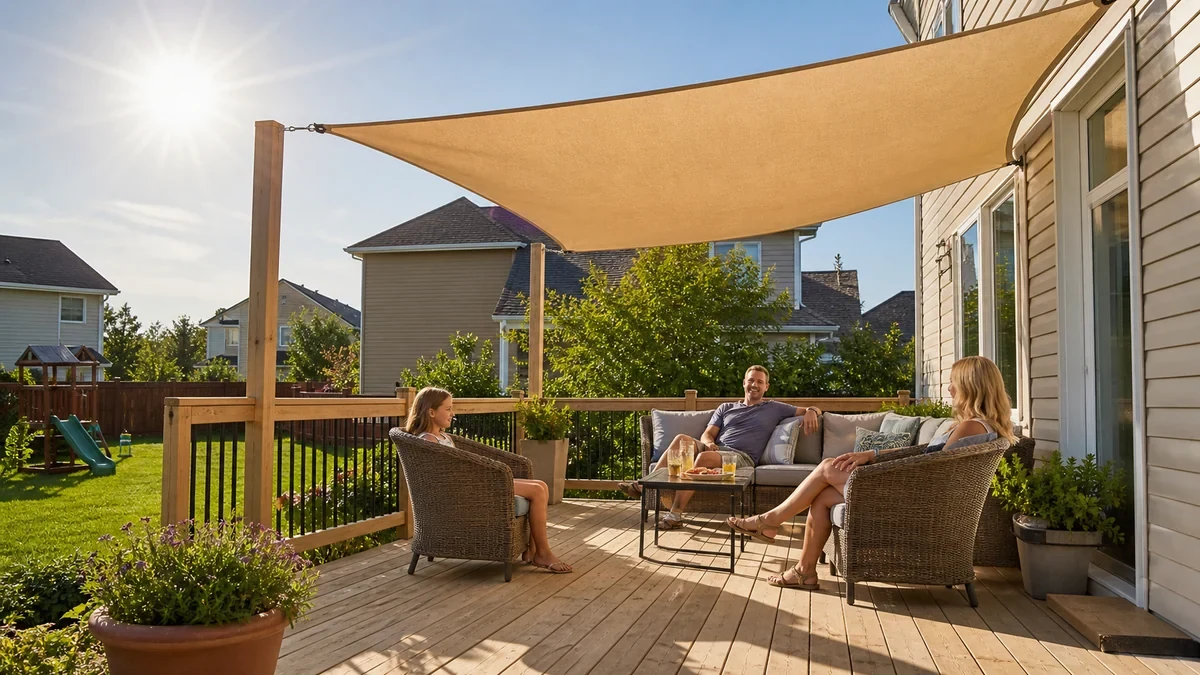
Patio shade sails are moving from decorative backyard accessory to practical summer problem solver because they add fast, removable shade without the cost or permanence of a pergola.
By the Numbers
Common UV block claim on HDPE patio shade sails
Popular rectangle size for small patio seating zones
Entry price for many Amazon patio shade projects
Typical rectangle sail mount pattern
Peak season for fast shade upgrades
Sources checked for this report include Bob Vila CDC Department of Energy Department of Energy.
Why patio shade is getting urgent
Search interest around a sun shade sail for patio use fits a simple summer pattern: people want the patio they already own to feel usable during hotter afternoon hours. A fixed pergola can be expensive, an umbrella can leave narrow moving shade, and a retractable awning is often more project than renters or budget-focused homeowners want to take on.
The shade sail solves a narrower job. It creates a broad fabric canopy between anchor points, usually above a dining set, sectional, small grill zone, or play corner. That narrower job is exactly why the category is attractive in 2026. Buyers are not trying to rebuild the whole yard; they are trying to make one sunny zone less harsh.
Bob Vila published a fresh 2026 tested shade-sail roundup, which is a strong signal that this is not only a generic seasonal idea. Their test criteria focused on material, UV protection, sag resistance, installation, durability, and real use. Those are the same practical questions I see shoppers asking before they buy.
The buyer shift: shade without construction
The most important shift is that shade sails compete with projects, not only with other fabric products. A buyer comparing a shade sail may also be looking at a cantilever umbrella, an awning quote, a pergola kit, or a temporary canopy. The sail wins when the shopper values low cost, open airflow, fast delivery, and a cleaner look than a pop-up tent.
The category also fits renters and first-time homeowners because it can be removed at the end of the season. That matters when buyers do not want to drill into major structures without permission or commit to a permanent design before they understand how the sun moves across the yard.
SN Stacey L. Nash, a BobVila.com product tester and writer, framed a shade sail as a canopy attached over a deck, patio, or porch. In her testing context, durability, ease of use, UV protection, sag resistance, and longevity were central buying factors.
What shoppers are comparing first
| Decision | Why it matters | Common tradeoff |
|---|---|---|
| Rectangle vs triangle | Rectangles usually cover tables and sectionals better. | They need more anchor planning and stronger tension. |
| HDPE vs waterproof fabric | Breathable HDPE lets heat escape and is common for summer shade. | It usually is not meant to be a rain roof. |
| Size | A 10 x 13 foot sail can cover a compact seating zone. | Bigger sails need better posts, hardware, and wind awareness. |
| Hardware | D-rings, turnbuckles, and rope decide how tight the sail hangs. | Some low-cost sails need a separate hardware kit. |
Buying checklist
Mark where people actually sit at 2 p.m. and 5 p.m.
Look for posts, fascia, walls, or independent poles that can hold tension.
Remove the sail before storms and avoid loose sag that catches gusts.
Most breathable shade sails are for sun, not heavy rain coverage.
What this means before you buy
The best shoppers will not start with a color choice. They will start with the patio problem: which seats are unusable, what time of day the sun hits them, where anchors can safely go, and whether the sail needs to come down between seasons. That approach prevents the common mistake of buying a sail that looks right online but leaves the main chair line uncovered.
For most patios, I would treat the sail as a comfort layer rather than a structural roof. It can make outdoor meals, reading, and short gatherings more pleasant, but it still needs tension checks, occasional cleaning, and removal during rough weather. That maintenance expectation should be part of the purchase.
Why the installation question is part of the trend
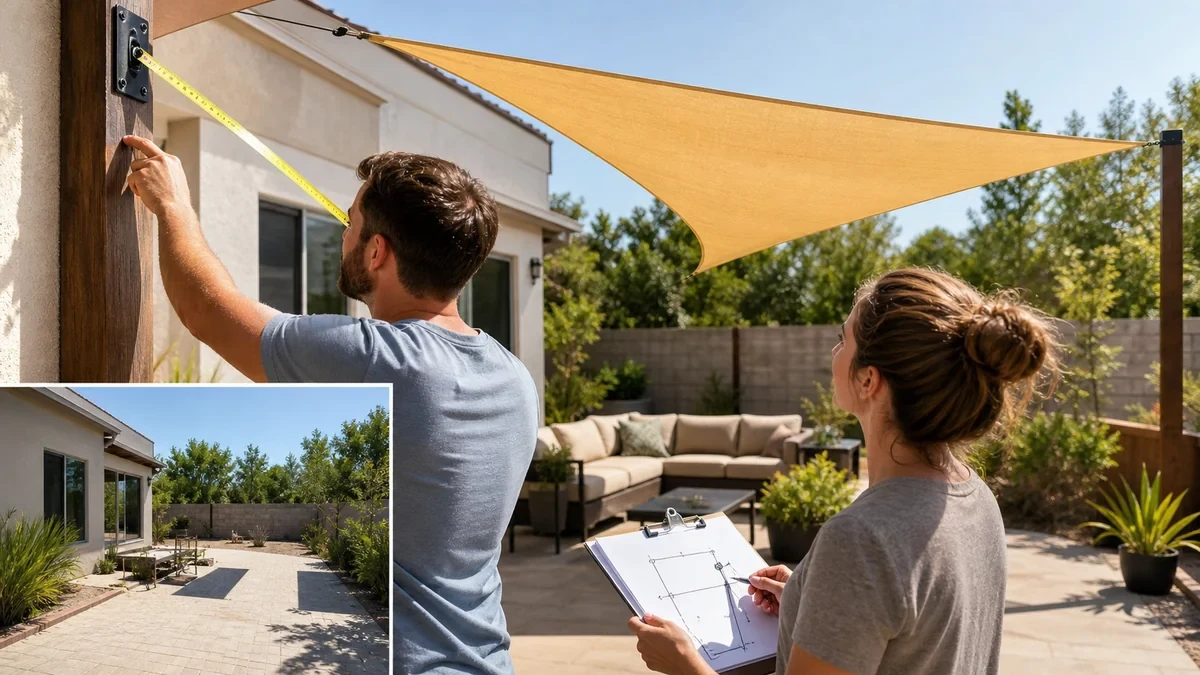
The installation question is becoming part of the shopping trend because the product looks simpler than the project. A fabric rectangle can be inexpensive, but the final result depends on anchor spacing, mounting height, hardware tension, and whether the corners can pull against something solid. That is why two buyers can order the same sail and have very different outcomes.
Renters face a different calculation than owners. They may prefer removable poles, weighted bases, or existing fence and balcony points, while owners may be willing to add permanent posts. The best purchase path starts by deciding what can be attached safely before choosing the biggest size in the search results.
There is also a comfort reason to plan carefully. If the sail hangs too flat, it can sag and collect debris. If it is angled poorly, it may shade the walkway instead of the chairs. If the corners are too close together, the canopy may never become taut enough to look clean. Those details make measuring more important than chasing the highest UV-block percentage alone.
The budget angle
Budget pressure is another reason shade sails are getting attention. A buyer can often test the idea for far less than the price of a custom awning or pergola kit. That does not make the cheapest option automatically best, but it does lower the barrier for households that want to rescue one hot patio corner before summer gatherings.
The smart budget is not only the sail price. It includes turnbuckles, rope, snap hooks, pad eyes, posts, concrete, or fascia hardware if those items are needed. A low product price can still become an awkward project if the buyer discovers after delivery that there is nowhere reliable to pull tension from.
For that reason, the fastest path is to price the whole installation. Add the sail, the hardware kit, any posts, and a realistic time estimate. If that total still beats the alternatives and the shade target is clear, the category makes much more sense.
How shade fits broader summer safety habits
The CDC sun-safety guidance is a useful reminder that shade is only one layer. A patio sail can reduce direct glare and make a seating zone feel more usable, but it does not remove the need for sunscreen, protective clothing, hydration, or avoiding the harshest heat when conditions are extreme.
That matters because many shade-sail photos make the patio look fully solved. Real outdoor comfort is more layered. The sail handles overhead exposure, furniture placement handles comfort, airflow handles heat, and the household still needs a plan for children, pets, older adults, and guests who may be more sensitive to heat.
The best use case is therefore practical and modest: create enough shade to make a chosen area more comfortable, then keep normal sun-safety habits in place. Buyers who understand that boundary are less likely to expect a simple fabric canopy to behave like a climate-controlled room.
Compare the three picks
I shortlisted three Amazon options for different buyers: best overall, best budget, and best for recycled material claims.
FAQ
+ Are patio shade sails a rising 2026 purchase?
Yes. Fresh seasonal coverage, summer heat concerns, and budget patio upgrades are pushing more shoppers toward shade sails.
+ Do shade sails replace sunscreen?
No. Shade helps reduce direct sun exposure, but CDC guidance still supports sunscreen, protective clothing, and timing outdoor activity carefully.
+ What size shade sail should a patio buyer choose?
Measure the real seating area, allow room for angled tension, and choose a shape that covers the chairs during the hottest part of the day.