

Disclosure: As an Amazon Associate, I earn from qualifying purchases. – Maya Bennett
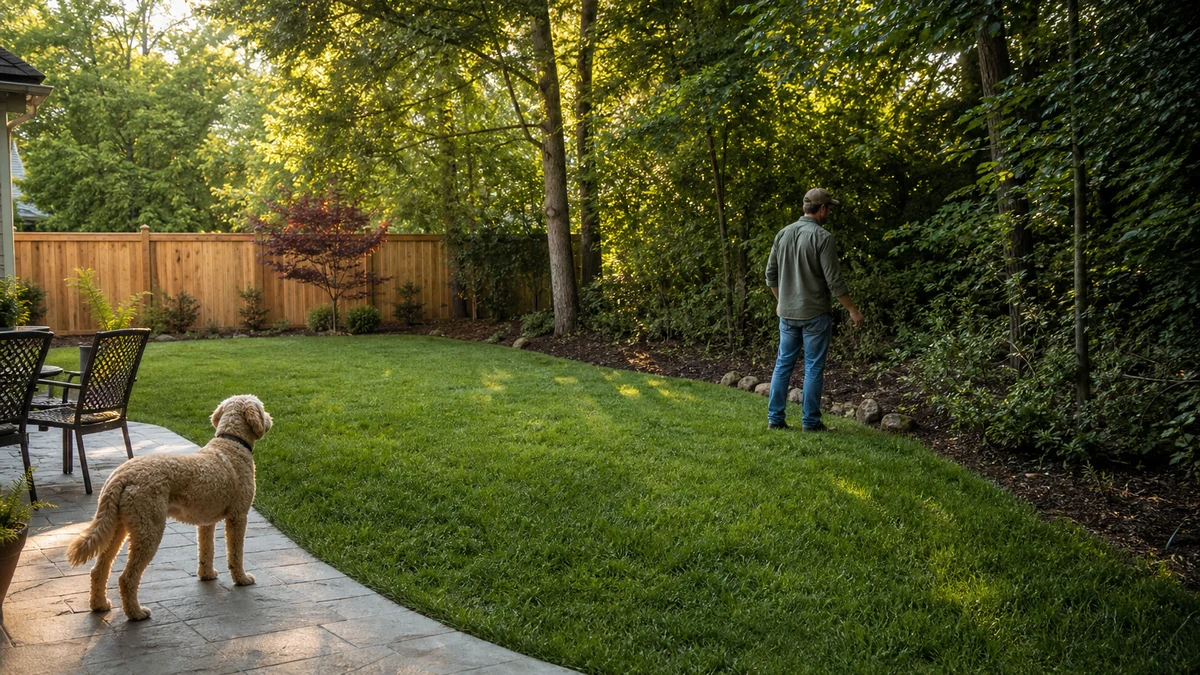
Yard tick control is moving earlier in the shopping season because buyers are trying to manage the places people and pets actually use: patios, fence lines, shaded lawn edges, and wooded boundaries. The smart purchase is not just a bottle; it is a plan that matches spray, no-spray tubes, and yard cleanup to the right zone.
Yard tick control searches are rising as summer yard use collides with tick season, and the buyer intent is practical rather than decorative. People are not browsing for a gadget; they are deciding whether a spray, a plant-based formula, or a no-spray tube system makes sense before kids and pets spend more time outside.
Google Trends data for the United States showed yard tick control averaging 40.25 over the most recent four weeks of the 12-month window ending June 28, 2026, compared with 12.0 at the start of the window. That lift lines up with CDC tick prevention guidance, the yard-zone framing from Harvard Lyme Disease Initiative yard guidance, and the product category guidance in Bob Vila tick spray testing notes.
Why buyers are acting before the worst bites happen
The pressure point is timing. Once ticks are found on a dog, a child, or gardening clothes, the purchase becomes reactive and rushed. Earlier buyers are treating the yard before weekend use increases, especially when a lawn backs up to brush, leaf litter, stone walls, or a shaded fence line.
The second reason is confusion. A natural-oil spray, a conventional hose-end treatment, and a tick tube all sound like they belong to the same aisle, but they do different jobs. That is why the category is attracting comparison searches instead of one-brand searches.
By the numbers: what the trend says
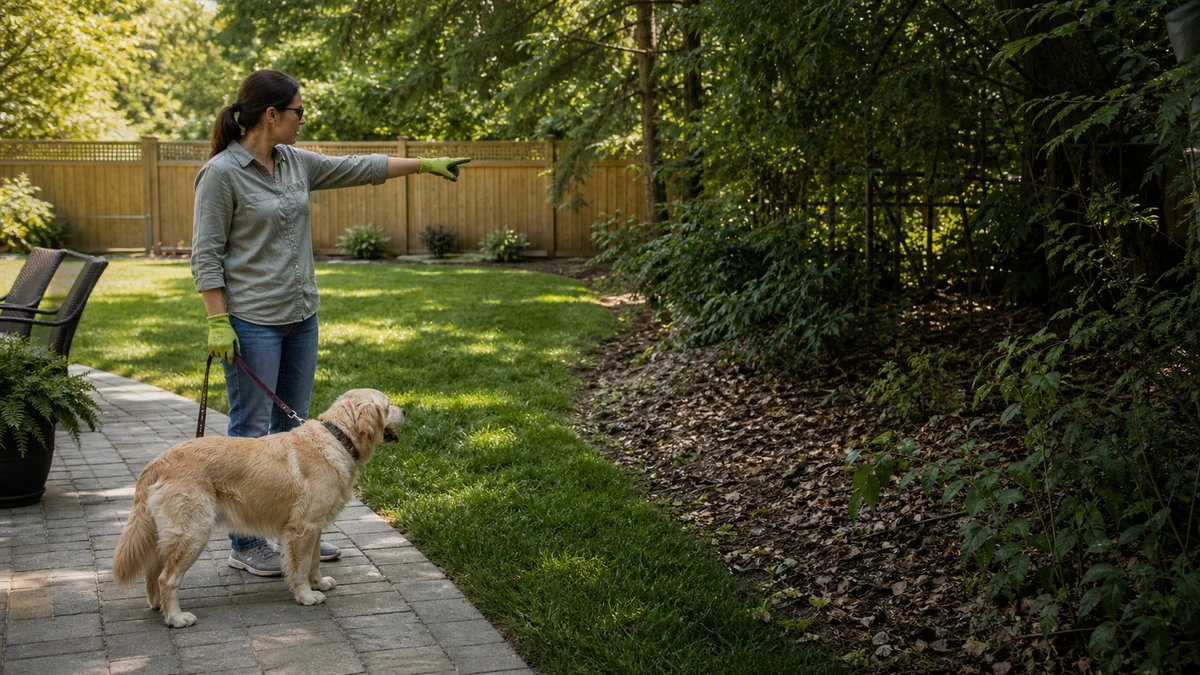
The buyer shift: from whole-yard panic to zone planning
| Yard zone | Likely product lane | Why it matters |
|---|---|---|
| Patio and play edge | Ready-to-use or hose-end sprays when label directions fit the surface | People and pets spend time here, so reentry language matters |
| Fence line and brush | Habitat cleanup plus targeted treatment planning | Shade, humidity, and cover can keep tick pressure close to activity zones |
| Wooded boundary | No-spray tubes or perimeter strategy | Mouse habitat and leaf litter change the job from broad lawn coverage |
| Open sunny lawn | Lower priority unless pets rest there | Ticks are less likely to wait in dry open turf than humid edge cover |
The expert signal buyers should remember
The Spruce backyard tick prevention advice quotes Brett Shiffler, an ecologist at the University of Washington, on the conditions ticks prefer. His point is useful for shopping because the best product cannot compensate for every shaded, humid, cluttered edge if the yard keeps inviting ticks near the spaces people use.
Ticks love shade, humidity, and cover, so the smartest yard plan starts by reducing the habitat that lets them wait near the places people and pets use most.
A pre-purchase checklist for June yards
trend note 1 – Label Discipline: For yard tick control, this point changes the purchase because the buyer is not choosing a generic bottle. The yard zone, pet route, shade pattern, and label restrictions decide whether the product is useful, merely convenient, or the wrong fit for the job.
Compare the 3 yard tick control picks
I ranked a plant-based spray, a budget hose-end treatment, and a no-spray tube option so the product matches the yard zone instead of the other way around.
Frequently asked questions
Why is yard tick control trending in 2026? +
Search interest rises when families and pet owners start using patios, lawns, and wooded yard edges in peak tick season.
Is yard tick spray enough by itself? +
Spray can help with listed pests when used exactly as directed, but habitat cleanup, pet checks, and personal protection still matter.
Are tick tubes better than sprays? +
Tick tubes are different rather than universally better; they target mouse nesting material while sprays treat yard surfaces.
What should pet owners check first? +
Read the product label, follow reentry directions, and focus on the yard zones pets use most often.