

non-slip rug solutions are now essential in every home thanks to rising concerns for safety, floor protection, and low-maintenance living. Whether you’re tired of rugs creeping underfoot or worried about slips and scuffs on hardwood, understanding what truly works—and what to avoid—can save you time, money, and headaches.
Key Takeaways
- Demand for rug pads and rug pads is growing fast, especially in North America and Asia Pacific.
- Lack of independent testing and material comparisons makes picking the best non-slip solution tricky—be sure to check floor compatibility.
- Washable, non-slip rug options are trending, but users must weigh real-world grip, durability, and potential floor risks.
- What Are Non-slip Rugs and Why Does Your Home Need Them?
- How to Stop Rugs from Slipping: Step-by-Step Guide
- Real Problems & Advanced Analysis: What Most Guides Miss
- Conclusion
- Frequently Asked Questions
What Are Non-slip Rugs and Why Does Your Home Need Them?
Non-slip rugs are area rugs, runners, or mats designed with special backings or pads to keep them firmly anchored to the floor. They are essential for preventing slips and trips—especially in high-traffic areas, homes with kids or seniors, and rooms with smooth surfaces like hardwood or tile. Without a non-slip solution, even a beautiful rug turns into a constant tripping hazard or becomes bunched and unsightly.
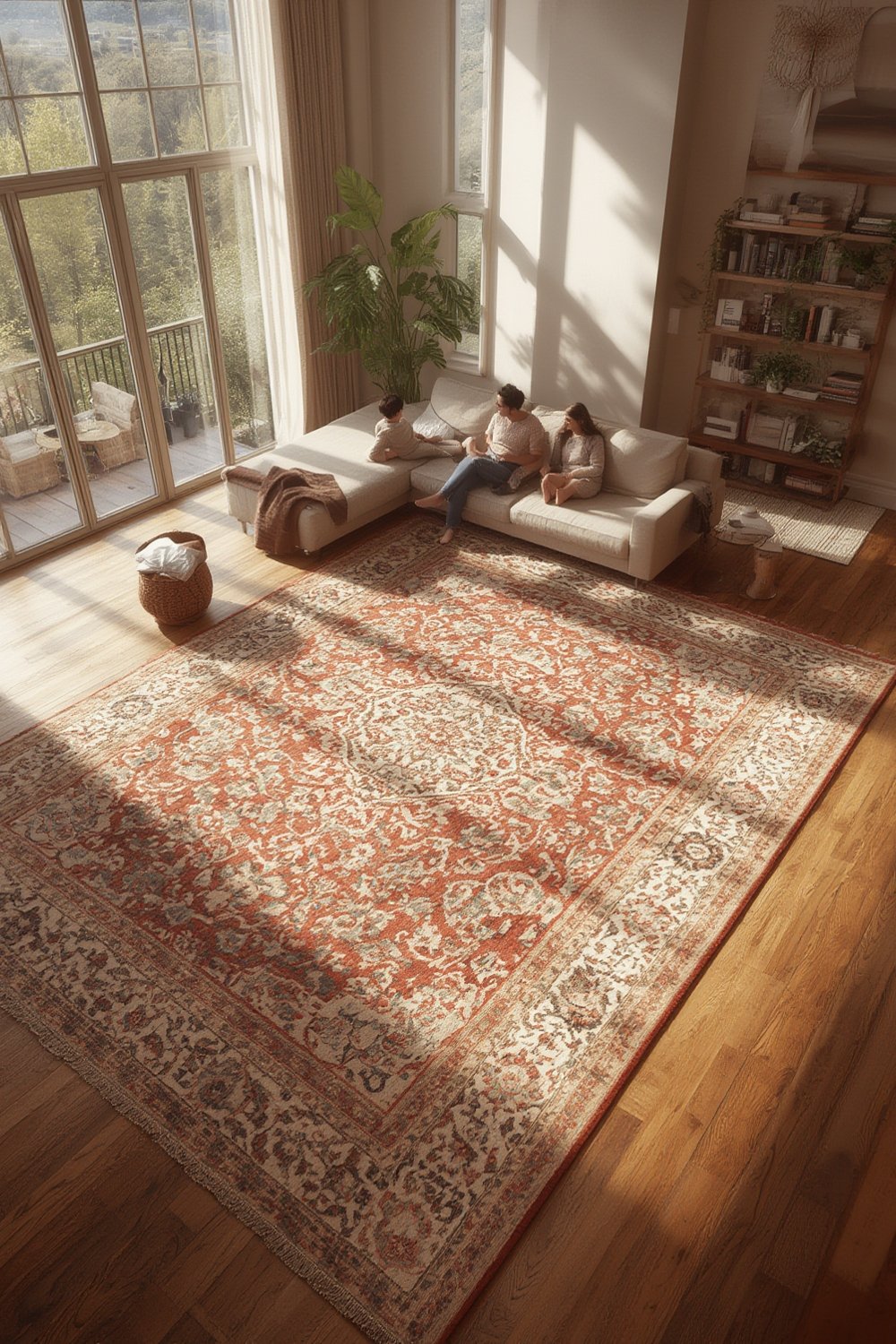
The global market for rug pads—including non-slip options—hit USD 2.35 billion in 2024 and continues to climb, mainly because more homes and businesses want safe, stylish floors that last. With synthetic and washable rugs leading the charge (up to 17.8% annual growth), it’s clear that this isn’t just a passing trend.
But here’s the challenge: Not all “non-slip” claims are equal. Manufacturers rarely publish independent test results or material comparisons. This leaves buyers on their own to balance durability, cleaning, floor safety, and actual grip strength.
How to Stop Rugs from Slipping: Step-by-Step Guide
Securing your rug doesn’t require tech skills—but skipping the details can result in annoying slippage or even floor damage. Here’s how to make your rug stay put, step by step:
- Choose the best non-slip method:
- Bare Floor, Movable Rugs: Rug pads (felt-rubber combos or TPE) for all-over grip.
- Hardwood: Only use pads specifically labeled for hardwood—avoid cheap PVC or sticky adhesives that can discolor or mar finishes.
- Permanent Fix, Small Rugs: Rug grippers (corner stickers or silicone strips) work for entry mats, bath runners, and kitchens.
- Machine Washable Runners: Opt for those with a built-in nonslip TPE or latex backing. Always air-dry after washing to prolong the grip.
- Trim and install rug pad or grippers:
- Trim your non-slip rug pad to be at least 1 to 2 inches smaller than your rug on all sides, preventing trip hazards and pad showing.
- Lay the pad centered and flat—no bunching. For grippers, affix to the rug corners or edges only; never overlap onto the floor.
- Wash and maintain your solution:
- Vacuum both sides of the pad and rug every few weeks.
- Spot-clean rug pad and rug as needed—most can be rinsed and air-dried (check your manufacturer’s label).
- Replace non-slip pads or grippers every 2-3 years or if you notice a loss of grip, hardened backing, or sticky residue.
- Routinely check for floor damage:
- Lift both the rug and pad periodically to check your floor for discoloration, oily marks, or sticky spots, especially on wood.
- If you notice any floor reaction, replace the pad immediately with a felt or TPE product rated “floor-safe.”
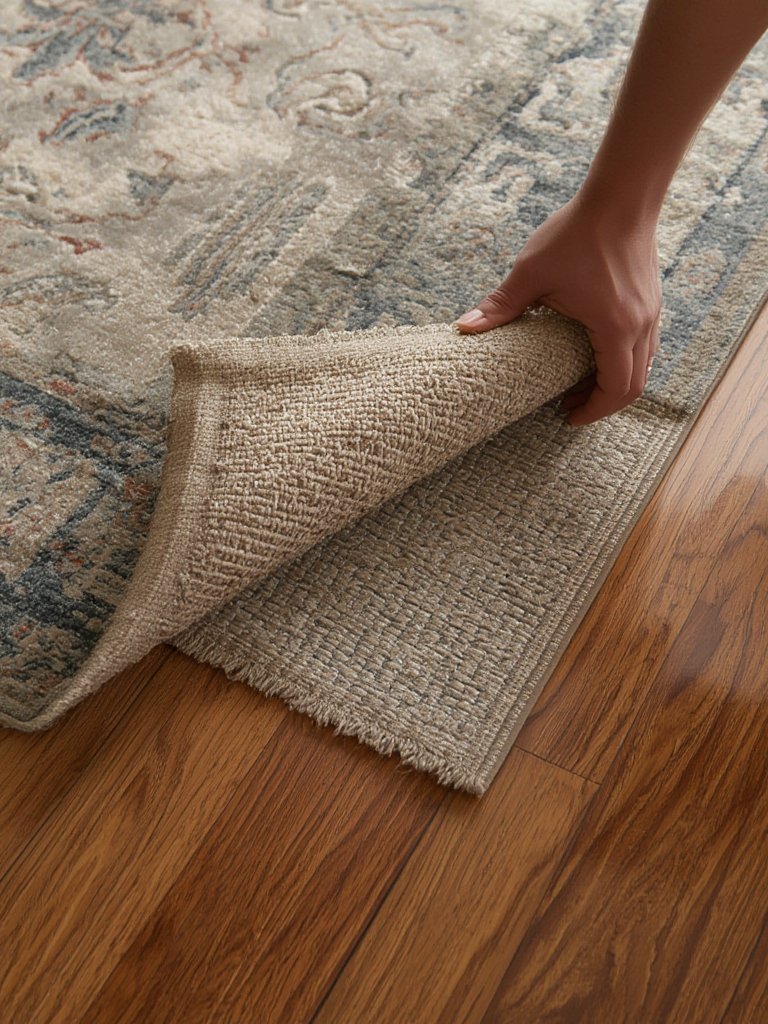
You might also consider other easy-maintenance ideas for busy homes—see our guide on washable, kid and pet friendly rug strategies for more on keeping rugs clean and practical. Combining non-slip performance with washability is the new gold standard, especially if you want to limit allergens or stains in the long run.
Real Problems & Advanced Analysis: What Most Guides Miss
Most articles skip over the real-world pain points and technical gray areas:
- No Standardized Grip Test Data: There are no widely published slip resistance scores (like DIN 51130 or ASTM F1677) for leading non-slip rug solutions. Shoppers must rely on user reviews or claims, not lab results.
- Risk of Floor Damage: No documented cases but plenty of anecdotal complaints: cheap PVC or synthetic rubber pads, sticky tapes, or latex backings can leave lines, dull patches, or chemical stains—especially on polyurethane-finished hardwood.
- Material Trade-offs: Latex is grippy but often not floor-safe. TPE (thermoplastic elastomer) is safer but sometimes less grippy on uneven floors. Felt-rubber blends are safe for wood but can compress and lose shape. Adhesive corner grippers work well initially but may lose stick in humid climates.
- Room Type Matters: Kitchens and entryways demand a higher grip (opt for pads with “high friction” surfaces). Bedrooms may prioritize gentle, floor-safe cushioning.
- Maintenance Gaps: “Machine washable” doesn’t mean the non-slip backing survives high-heat drying. Always air dry to maintain texture and avoid delamination.
| Material | Durability | Slip Resistance | Floor Compatibility | Washable? |
|---|---|---|---|---|
| Latex | Medium | High | Sometimes safe—check finish | No/Spot clean only |
| TPE | High | Medium-High | Usually safe for hardwood | Usually |
| PVC/Vinyl | Low-Medium | Medium | Often unsafe for wood | No |
| Felt-Rubber Blend | High | Medium-High | Safe for wood & laminate | No |
Choosing the right material and method means fewer headaches later—which also applies to other home upgrades like energy efficiency upgrades or professional crown molding installation where compatibility with your home’s finish and style is key.
Pricing is another mystery—public data is scarce. Broadly, quality non-slip rug pads and grippers might run $20–$50 for a small area, up to $100–$200+ for larger premium options or full machine-washable non-slip rugs. However, specifics vary by material, size, and brand.
Conclusion
There’s real growth in the non-slip rug market, but not enough published proof of which materials work best, how solutions compare, or what’s fully safe for your floors. If you need a non-slip rug or runner, read labels closely, pick “floor-safe” materials for hardwoods, and maintain your investment with regular inspections and cleaning. Want a deeper dive into other smart, low-maintenance home upgrades? Explore our guides to bathroom remodeling companies or check the latest on fence installation savings.
Ready to secure your home? Make your next rug non-slip (and safe for all floors)—and enjoy peace of mind every day.
Frequently Asked Questions
Do non-slip rug pads or grippers really work?
Quality rug pads and grippers can dramatically reduce movement on most surfaces when installed properly, especially those made from TPE or felt-rubber blends. However, their effectiveness varies by floor type, rug weight, and humidity. Choose products labeled for your floor (i.e., hardwood-safe) and follow all instructions for best results.
Can non-slip rug solutions damage hardwood or laminate floors?
Yes—some low-grade PVC, rubber, or sticky adhesive grippers may cause discoloration, residue, or dull patches on wood and laminate finishes. Always select labels that specify “safe for hardwood” or “safe for laminate.” Lift rugs and pads regularly to inspect your floors.
What’s the best way to clean a non-slip rug or pad?
Vacuum both sides often. For washable rugs, use a gentle cycle and always air-dry (avoid high heat). For pads, spot clean or rinse only (as most aren’t machine washable). Consult your manufacturer’s instructions to preserve grip strength and avoid mold.
How often should non-slip rug pads or grippers be replaced?
Replace pads or grippers every 2-3 years, or immediately if the backing becomes hard, cracked, sticky, or loses grip. Regular replacement ensures both performance and floor safety.
Are machine washable non-slip rugs as effective as traditional solutions?
This varies. Many washable rugs now use TPE or latex backings for grip, but their effectiveness can decrease after repeated washings—especially if machine dried. Check reviews and handle with care to maximize both cleanliness and slip protection.
—