

non-slip bath mat solutions have become a necessity for homes concerned with safety, especially as falls in the bathroom increasingly send millions to emergency care each year.
Key Takeaways
- Falls in the bathroom are a major safety risk, especially for seniors—non-slip bath mats directly address the most common slipping hazards.
- User pain points with non-slip bath mats often involve suction failure, poor longevity, and cleaning hassles; choosing the right material is crucial.
- There are few industry standards for slip resistance, so buyers should focus on practical design features and reviews over marketing claims.
- Why Non-Slip Bath Mats Are Essential
- How to Choose and Use a Non-Slip Bath Mat (Step-by-Step)
- Advanced Analysis & Common Pitfalls
- Conclusion
- Frequently Asked Questions
Why Non-Slip Bath Mats Are Essential
Bathroom slips remain a top cause of serious injury—especially for seniors. In 2021, falls led to 38,000 deaths and over 3 million ER visits for people aged 65 and older (source). The bathroom is the most hazardous room, with up to a third of all in-home falls occurring during bathing, using the toilet, or getting in/out of a shower (source).
Smooth tub floors, confined spaces, and especially wet ceramic surfaces combine with reduced mobility to create high slip risk. Non-slip bath mats help by providing textured, grippy surfaces that improve footing—even during movements like stepping in or out of the tub, one of the riskiest moments for balance (source).
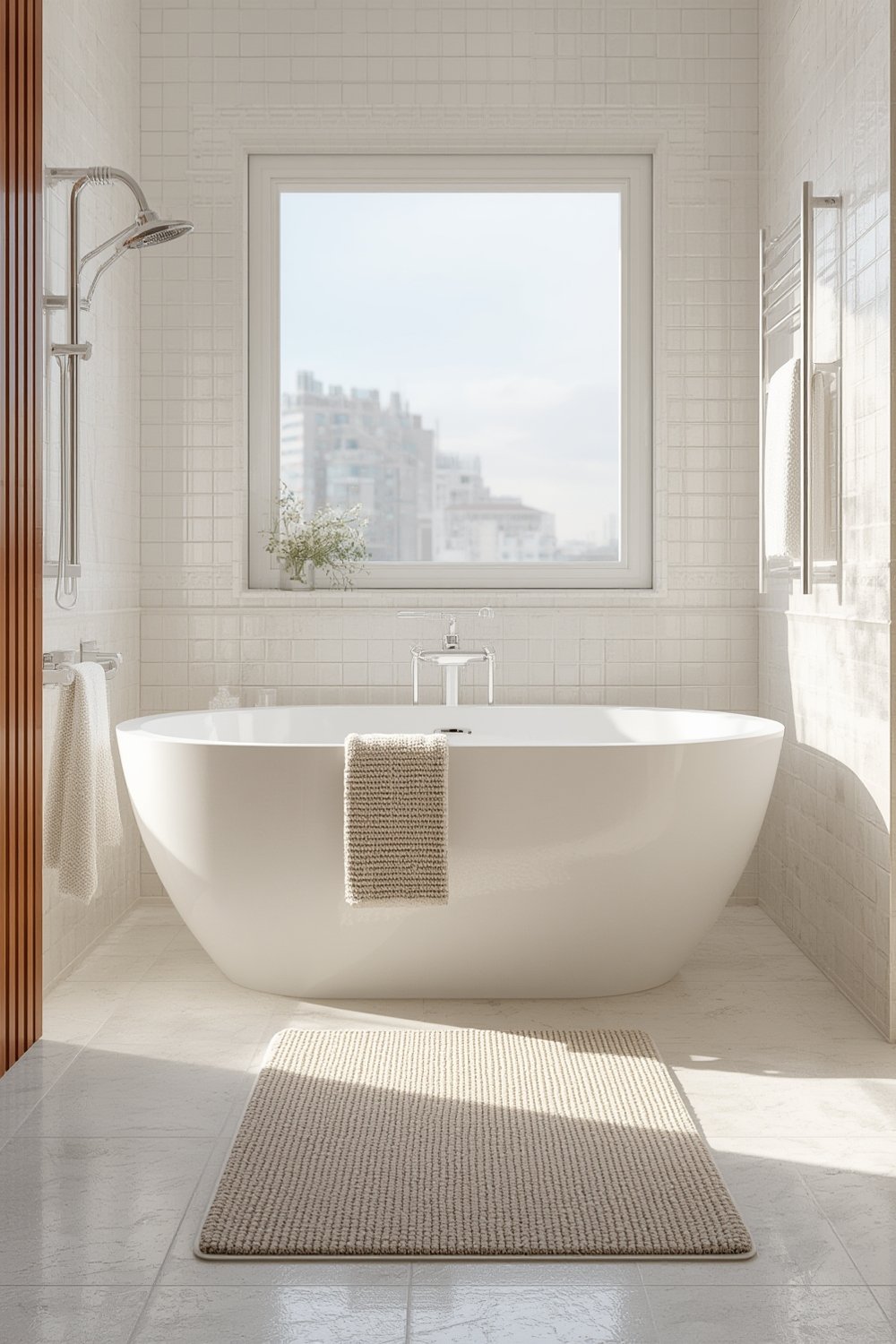
Most accidental bathroom falls are completely avoidable with basic preventative upgrades. Non-slip bath mats offer one of the simplest and most affordable interventions to reduce risk. Unlike permanent hardware changes (like grab bars or full bathroom remodeling), mats quickly add grip where it’s needed most—right underfoot. For additional coverage, some homeowners also consider non-slip rugs for outside the tub.
How to Choose and Use a Non-Slip Bath Mat (Step-by-Step)
- Measure your tub/shower floor.
Before purchasing, use a tape measure to identify the space inside your tub or stall. Don’t forget extra length if you need coverage for transitioning out.
- Identify features that matter most.
Are you prioritizing strong suction cups, machine washable, soft comfort, or fast drying? For seniors or anyone with reduced stability, strong grip and ease of cleaning are crucial.
- Select the right material.
PVC/vinyl mats are affordable and water-resistant, but may degrade and stain over time. Rubber mats offer superior grip and flexibility, though some emit odor and can be harder to clean. New microfiber-covered styles feel plush but may require more maintenance. For tips on easy-clean living, see how kid and pet friendly rugs make a difference in busy homes.
- Check suction system design.
Look for mats with dense, well-placed suction cups. Flexible cups conform better to various tubs, but will struggle on textured or non-smooth surfaces. Always test before first use.
- Install on a clean, wet surface.
Before applying, thoroughly clean and slightly wet the tub/shower base. This maximizes grip and removes oils that defeat suction.
- Regularly remove, wash, and dry.
Mold loves dark, damp spaces. Remove your mat weekly, rinse, and dry it fully before re-installing. Mats labeled “machine washable” simplify this routine.
- Replace when wear or odor appears.
Even top mats lose grip as the material breaks down. If you notice curling edges, worn spots, or persistent smells after cleaning, it’s time to swap it out.
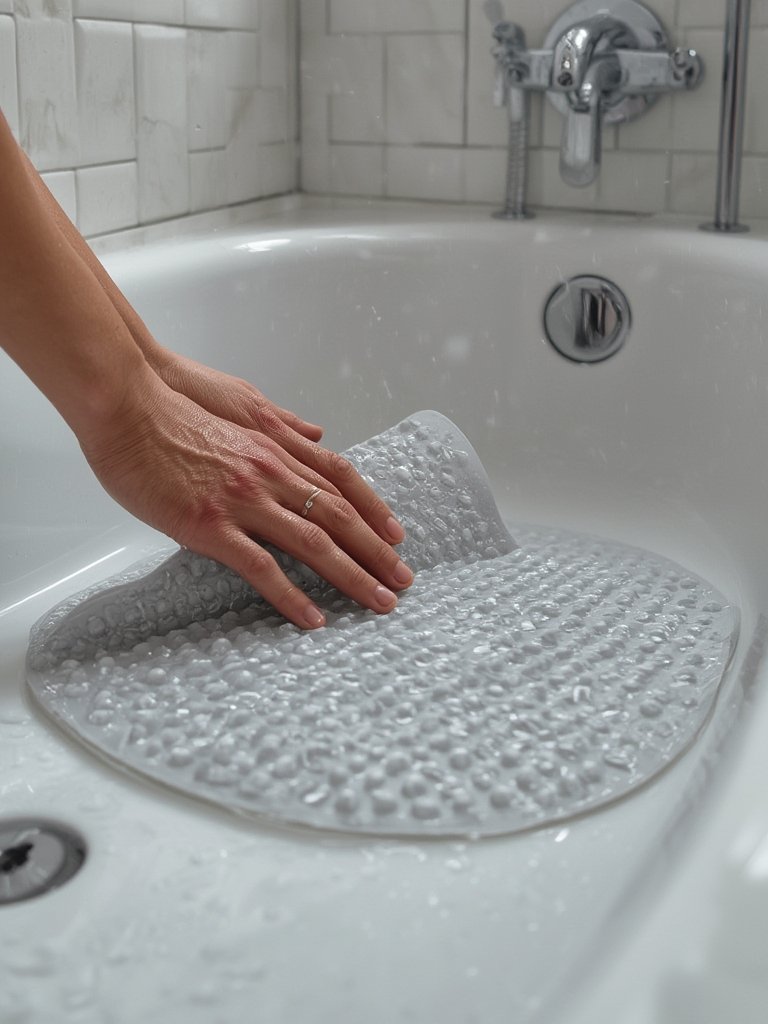
For full bathroom upgrades—like replacing your tub or modernizing fixtures—consider consulting a bathroom remodeling company near you to boost safety and home value.
Advanced Analysis & Common Pitfalls
If you’re shopping for a non-slip bath mat, avoid these frequent pitfalls some users face:
- Suction Cup Failure: Mats commonly lose grip on textured, uneven, or soap-scummed surfaces. If your tub base isn’t perfectly smooth, no amount of suction will keep the mat 100% secure. Always check the product’s compatibility and test before heavy use.
- Durability Disappointments: Cheaper PVC or thin rubber mats often harden, discolor, or crack within months. Machine washing can accelerate breakdown if the mat isn’t specifically rated for it.
- Mold & Odor Issues: Even anti-mildew labeled products will harbor bacteria if not lifted and dried often. Microfiber mats dry faster but may still trap soapy residue. Always follow care instructions and hang mats up after use.
- Slippery When Soapy: Not all “non-slip” textures are equally effective. Mats with a flat or overly smooth top become slick with soap residue, neutralizing their anti-slip benefit for feet.
Here’s a quick side-by-side comparison of common bath mat material properties:
| Material | Grip (Wet) | Comfort | Cleaning/Care | Durability |
|---|---|---|---|---|
| PVC/Vinyl | Moderate | Firm, Unyielding | Easy, May Stain | Low-Mod |
| Rubber | High | Flexible, Cushioned | Tougher to Clean | High |
| Microfiber/Fabric-Covered | Variable (Backed with Non-Slip) | Softest | Machine Washable | Moderate |
Expect a price range of $8-$40 for most non-slip bath mats, with extra-large and specialty versions (like memory foam or antimicrobial-treated) costing more. If easy cleaning is a top priority, washable rugs can sometimes double as a bath mat alternative—just confirm they are rated for wet environments.
Despite strong marketing, few bath mats actually claim documented safety certifications. There isn’t a universal slip-resistance standard in the US, so examine product details carefully. In Europe, some mats cite DIN 51097 or similar, but most US options do not. For certified slip prevention, focus on mat design, density of suction cups, and buyer reviews.
If your household is making broader safety or style upgrades, you might also compare the cost/benefit of energy efficiency upgrades or crown molding installers near me which add resale value and lasting comfort, not just traction.
Conclusion
A non-slip bath mat is a small investment with a potentially huge payoff in household safety. It’s a must-have if you have seniors, kids, or anyone with mobility challenges in your home. Choose wisely, clean regularly, and don’t wait until there’s a fall to make this basic upgrade to your bathroom safety. Explore the best-reviewed non-slip bath mat options and make your home a safer, more comfortable place. Ready to upgrade? Start comparing your specific tub size and needs today.
Frequently Asked Questions
Will non-slip bath mats stick to all tubs?
No. Most non-slip bath mats require a smooth, non-textured surface to adhere properly. They often won’t grip textured, tiled, or refinished tub surfaces. Always check manufacturer guidance before buying.
How often should I clean my non-slip bath mat?
Remove and wash your mat weekly to prevent mold and soap buildup. For best results, hang the mat with suction cups facing out to air dry fully.
What material is most durable for a non-slip bath mat?
Natural rubber mats tend to outlast basic PVC versions and maintain suction longer, but can be harder to deep clean. Microfiber mats are comfortable and easy to maintain but may wear faster with heavy use.
Can I use a standard bathroom rug instead?
Standard bath rugs are not designed for the direct wet zone and usually lack necessary suction. For outside-the-tub, look at non-slip rugs that are specifically rated for wet floors.
Are there industry safety standards for non-slip bath mats?
There is no mandatory US slip-resistance standard, though some products mention European DIN 51097 or similar. It’s best to assess actual grip features and user reviews.