


Smart cutting board technology has quickly moved from a novelty to a practical upgrade in kitchens worldwide. As features like built-in digital scales, Bluetooth, and app connectivity hit the mainstream, more homeowners and foodies are asking—do these boards really make meal prep easier, healthier, and more organized, or are there hidden drawbacks?
Key Takeaways
- Smart cutting boards are seeing rapid market growth globally, driven by digital integration for meal prep.
- Feature-rich models promise convenience, but price, cleaning, and durability factors may surprise buyers.
- Real-world user feedback on cleaning, longevity, and food safety is still limited—know what to look for before you buy.
- 1. The Core Concept: What Is a Smart Cutting Board and Why Should You Care?
- 2. Step-by-Step Guide: How to Get the Most from a Smart Cutting Board
- 3. Advanced Analysis & Common Pitfalls
- 4. Conclusion
- 5. FAQ Section
The Core Concept: What Is a Smart Cutting Board and Why Should You Care?
Smart cutting boards are next-generation kitchen tools that combine traditional meal prep with integrated tech. Typical features include built-in digital scales, Bluetooth connectivity, health tracking, and dedicated apps. Some brands also add timers, food organization zones, and even waste measurement—appealing to tech-savvy and health-conscious cooks. Their main promise: save time, prep healthier meals, and waste less—all on one surface.
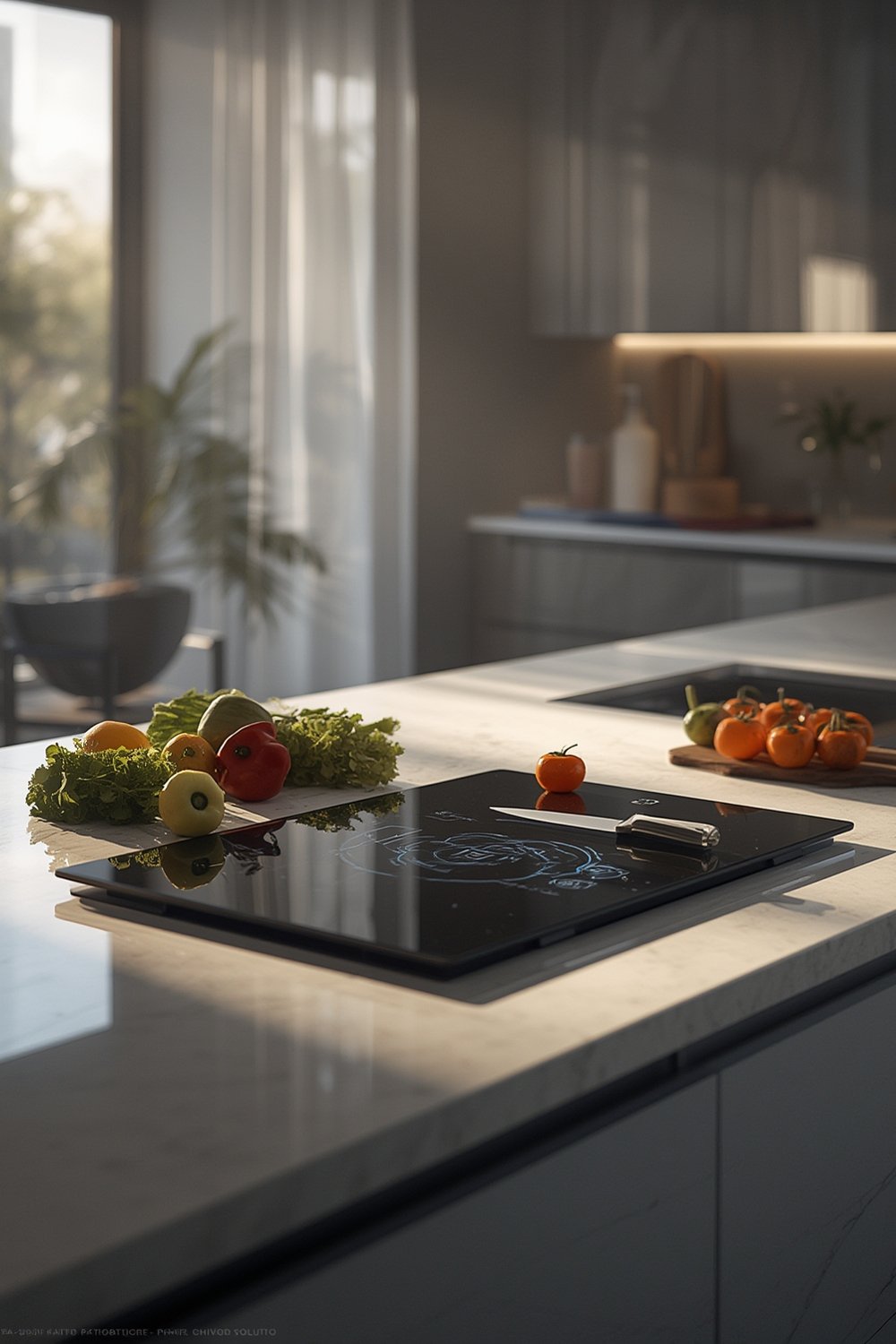
The global market for smart cutting boards was valued at $1.1 billion in 2024 with continued fast growth (18.5% CAGR), signaling strong consumer interest, especially across North America, Europe, and Asia Pacific. Features like digital scales and app integrations help home chefs be more precise and organized, with benefits for portion control, nutrition tracking, and kitchen tidiness. For example, digital scales make it easy to weigh food portions for meal plans or dietary needs, while app syncing lets users save recipes or analyze ingredients. The rise of smart kitchen innovations—such as energy efficiency upgrades and smart night lights—reflects a broader trend toward smarter, more connected homes.
Step-by-Step Guide: How to Get the Most from a Smart Cutting Board
- Unbox and Charge: Unpack your smart cutting board and charge (or insert batteries) before first use. Most models feature USB charging or standard replaceable batteries. Always check for a full charge to avoid interruptions during meal prep.
- Install the App and Pair: Download the board’s companion app (if available) and connect via Bluetooth or Wi-Fi. This unlocks food tracking, scale calibration, and access to timers or recipes. Always enable any required permissions so your device syncs properly.
- Calibrate the Digital Scale: Place the board on a flat, stable surface. Follow instructions to zero/tare the scale before weighing ingredients—accuracy dips if the board isn’t stable or calibrated.
- Setup Zones for Prep: Multi-zone boards may have color-coded or separated surfaces for meats, veggies, and cooked foods. Set up these zones before food contact to avoid cross-contamination.
- Use the Built-in Timer: Activate the board’s timer for marinating, bread proofing, or other time-sensitive steps by pressing the integrated button or using the connected app.
- Clean and Maintain: After use, follow manufacturer cleaning guidelines. Most feature water-resistant electronics, but avoid submerging unless marked dishwasher-safe. Wipe the tech area with a damp cloth and sanitize the cutting area separately.
- Store Efficiently: Store the board flat or upright in an accessible place. If your board has modular storage or food bins, reassemble for your next meal to save space—an approach similar in philosophy to using a kid and pet friendly rug to simplify other home tasks.

Many users overlook storage when upgrading to digital boards. Look for models with removable containers or fold-flat elements—the space-saving difference can be as dramatic as switching to a non-slip rug for kitchen safety or a fridge handle protector to reduce cleaning hassle.
Advanced Analysis & Common Pitfalls
The smart cutting board trend has appeal but isn’t without downsides. Based on current market data, real world user complaints are underreported, but practical issues can arise:
- Cleaning challenges: Water-resistant does NOT mean waterproof. Submerging a smart board can ruin electronics. Food particles trapped in crevices around scale displays or timer buttons are a cleaning challenge—especially compared to traditional solid boards.
- Repair & warranty risks: Tech components can fail due to moisture, drops, or battery issues. Not all brands back their electronics with long warranties. Before you buy, check if tech components are replaceable and covered.
- Price to feature value: While traditional cutting boards start at under $20, smart models with digital scales and connectivity range from $70 to $200+ as of 2024. If you rarely use digital tracking, a basic or modular non-tech board may last longer and prove easier to care for.
- Durability: Most smart boards use bamboo or polymer surfaces, but repeated washing can hasten wear, while electronics are often less resilient than a plain wooden board. If you prep heavy bones or use cleavers, double check the weight limit and material before purchase.
| Feature | Smart Cutting Board | Traditional Cutting Board | Multifunction Non-Tech Board |
|---|---|---|---|
| Integrated Digital Scale | Yes | No | No |
| Timer/Connectivity | App syncing, Bluetooth, Timers | No | No |
| Price Range | $70-$200+ | $15-$80 | $30-$120 |
| Ease of Cleaning | Moderate; tech-sensitive | Easy; dishwasher safe (most non-wood) | Easy-moderate |
| Warranty | Varies; check electronics policy | 1-5 years typical | 1-3 years typical |
| Food Prep Organization | Multi-zone surfaces, connected recipes | Manual; single or double-sided | Zones, bins, no tech |
If space-saving kitchen tools are top priority, also consider innovative storage hacks such as bathroom remodeling upgrades or custom crown molding for additional shelving—these boost organization without technology-related headaches.
Conclusion
Smart cutting boards are transforming everyday meal prep. While their integrated features offer real advantages for portion control, organization, and syncing with kitchen routines, they are not without tradeoffs—especially on price, cleaning, and durability. As the market grows, knowing what specs to look for, understanding real limitations, and staying realistic about your needs will make all the difference. Ready to try a smart cutting board? Compare popular models carefully, check warranty options, and consider how tech fits your actual kitchen habits. For more ways to boost home convenience beyond the cutting board, check out our guides to non-slip bath mats and fence upgrades.
FAQ Section
Are smart cutting boards dishwasher safe?
Most smart cutting boards with integrated electronics are not dishwasher safe. Always follow the manufacturer’s cleaning instructions—usually, the board surface can be wiped or hand-washed, but the electronic section should not be submerged.
How accurate are built-in digital scales on smart cutting boards?
Accuracy varies by brand, but most built-in digital scales are reliable for common kitchen measurements. Check if the model has a published precision rating (e.g., within 1-2g). Always place the board on a level surface and calibrate before each use.
What should I look for in terms of warranty or support?
Look for a manufacturer that offers at least a 1-year warranty covering electronic components. Some companies offer extended protection, which is recommended since moisture and battery issues are common sources of failure.
Can I cut meat and vegetables on the same board?
To avoid cross-contamination, use the color-coded or separately labeled prep zones that smart cutting boards often feature. If your board doesn’t feature these, clean thoroughly between uses. Consider a multi-board set if you prep a lot of raw proteins.
Are there smart cutting boards recommended by chefs?
As of now, there are no widely publicized professional chef endorsements for specific smart cutting board models. Buyer reviews and independent kitchen tech bloggers are the main sources of feedback.