


Disclosure: As an Amazon Associate, I earn from qualifying purchases. – Maya Bennett
robot vacuum matters because US buyers are actively comparing robot vacuum options and need a shortlist that is easier to act on.. The right choice depends on the buyer constraint, not a universal winner label.
Why buyers are paying attention
The buying conversation is shifting from casual browsing to practical problem solving. Shoppers in cleaning & vacuums are searching this term with a specific job in mind rather than browsing the category, which is why a three-role shortlist answers it better than a long ranked list.
Search behaviour around robot vacuum has moved from broad curiosity to specific questions about fit and upkeep. That shift is what makes a role-based shortlist more useful than a ranked list of ten products.
The practical effect for a reader is that the first decision is no longer which product to buy. It is which of three jobs describes their own situation, because the shortlist below answers each of those jobs with a different machine.
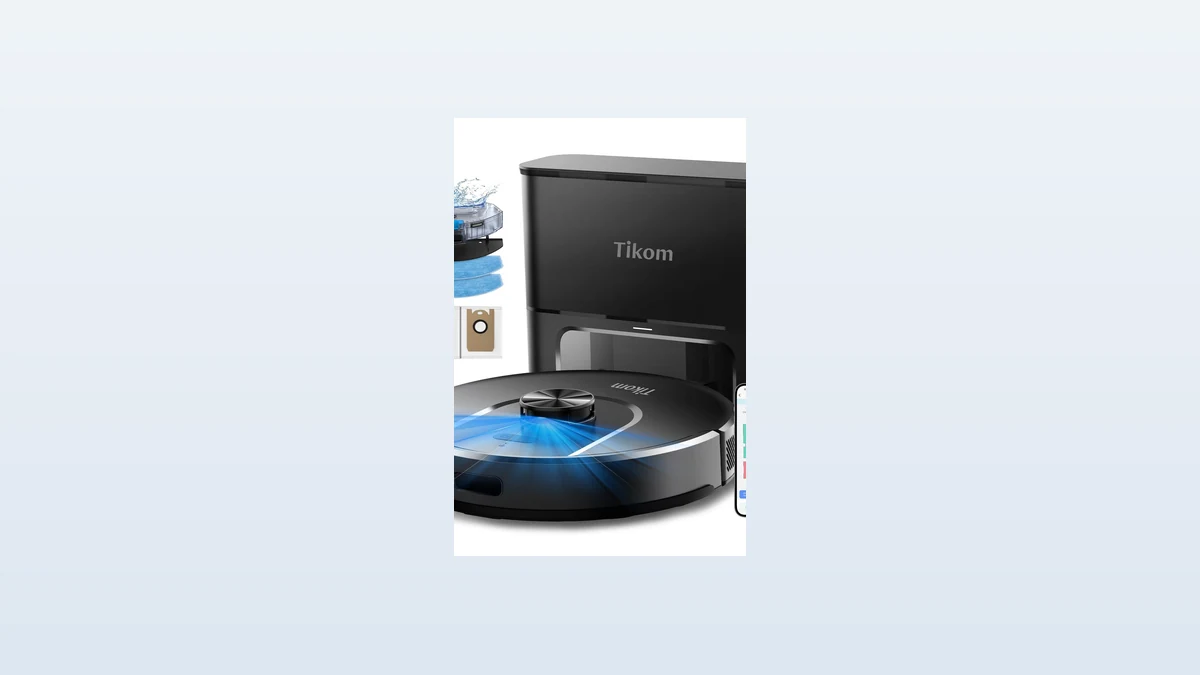
Tikom Robot Vacuum and Mop, Robotic Vacuum Cleaner with Self-Emptying Base
219.98 – 4.3 / 5
ROPVACNIC Robot Vacuum and Mop Combo 5200Pa Suction Robotic Cleaner
99.99 – 4.2 / 5
Kilgone Robot Vacuum & Mop, 90-Day Hands-Free, 6000Pa, Self-Empty, LiDAR
219.99 – 4.4 / 5
What the current market signal tells us
The strongest signal behind robot vacuum is the combination of urgency, cost sensitivity, and uncertainty about which format will work in a real home.
Price spread is the clearest part of that signal. When the same job is offered at both ends of a wide range, the question stops being which product is better and becomes which end of the range the household actually needs.
Review depth tells the second half of the story. A product with thousands of visible ratings has a long ownership record behind it, while a newer listing with a higher score has less evidence supporting the same number, and the two should not be read as equivalent.
| Role | Product | Price | Rating |
|---|---|---|---|
| Best Mid-Range | Tikom Robot Vacuum and Mop, Robotic Vacuum Cleaner with Self-Emptying Base | 219.98 | 4.3/5 |
| Best Budget | ROPVACNIC Robot Vacuum and Mop Combo 5200Pa Suction Robotic Cleaner | 99.99 | 4.2/5 |
| Best Overall | Kilgone Robot Vacuum & Mop, 90-Day Hands-Free, 6000Pa, Self-Empty, LiDAR | 219.99 | 4.4/5 |

The constraints that shape a good choice
A useful shortlist starts with the job, available space, maintenance tolerance, and the budget a shopper can defend. Those constraints matter more than a generic popularity claim.
A constraint is different from a preference: it is the thing that makes a product unusable rather than merely less pleasant. Naming it first removes most of the catalogue before any comparison begins.
Most buyers have exactly one hard constraint and several soft ones. Writing the hard one down before opening any listing is the single step that most reliably prevents a return, because it cannot be argued away by a persuasive feature list.
How the category is changing
Products in robot vacuum are increasingly judged by setup friction and repeat usefulness. A feature only helps when it improves the routine the buyer actually has.
The visible consequence is that specification lists have stopped being a reliable ranking. Two products can share a headline number and differ entirely in how much work they create after the first week.
Manufacturers have responded by competing on maintenance intervals rather than raw output. That is a genuine improvement for the buyer, but only when the interval quoted matches the size and layout of the home it will run in.
The three roles buyers should compare
The cluster uses three clear roles so readers can move from trend context to a decision without a padded ten-product list.
Each role answers a different question: the broadest fit, the lowest defensible cost, and the widest capability. A reader who knows which question is theirs has already narrowed the choice to one.
Three is deliberate. A shortlist long enough to feel thorough is usually too long to decide from, and every extra entry adds a comparison the reader has to make without adding a job the products actually differ on.
What to verify before checkout
Prices, sellers, bundles, dimensions, return terms, and availability can change. Treat the dated marketplace snapshot as a starting point and confirm the live offer.
The variation selector is the detail most often missed. A listing can show one configuration in its photographs and default to another at checkout, which changes both the price and what arrives in the box.
The return window matters as much as the price on a product that has to fit a specific space. Check it while the offer is open rather than after delivery, because the terms belong to the seller and can differ between two listings of the same item.
The practical takeaway
The safest next step is to match the product role to the primary constraint, then read the corresponding ReviewGuid comparison and review before ordering.
Deciding not to buy is also a result. If none of the three roles matches the constraint that started the search, the honest outcome is to wait rather than force a product into a job it was not built for.
For everyone else, the route is short: pick the role that names your constraint, open the matching review for the detail, and confirm the live listing before ordering. The comparison exists to make that route take minutes rather than an evening.
What the current evidence can tell a buyer
The dated package makes the market signal easier to read because it records a range rather than one headline price. The three selected listings span $99.99 to $219.99, with Tikom at $219.98 and Kilgone at $219.99 in between the budget entry point and the two higher-priced options. That spread tells shoppers to define a budget before comparing feature language. It does not, by itself, tell a shopper which product will be the best fit for a particular home.
The rating snapshots add a second layer of context. Tikom is recorded at 4.3/5 from 484 reviews, ROPVACNIC at 4.2/5 from 1,794 reviews, and Kilgone at 4.4/5 from 456 reviews. These figures describe marketplace feedback at the time of the check. They should be read as signals of public buyer experience, not as controlled tests or a promise that the same result will appear on every floor, route, or maintenance schedule.
The product titles show why the search is not one simple category decision. Tikom’s title includes a self-emptying base, ROPVACNIC’s includes a 5200Pa suction figure and a mop combo, and Kilgone’s includes a 90-day hands-free claim, 6000Pa, self-emptying, and LiDAR. Those phrases are useful prompts for further questions. A shopper should verify the current variation, included items, operating requirements, and care instructions instead of treating a title as proof of performance.
This is also why the category trend is better described as a fit question than as a race for the biggest number. The relevant question is how often a buyer will use the advertised format, whether the route and storage position work, and whether the remaining manual tasks are acceptable. A feature that solves a recurring problem may matter greatly to one household and very little to another. The comparison page turns that difference into explicit roles so a reader can continue with the review that matches the real constraint.
Readers should keep a dated note of the listing they checked. Record the ASIN, seller, variation, price, included configuration, and return language. This protects against a common source of confusion: a product name can remain familiar while the selected bundle, seller, or price changes. The note also makes it easier to tell whether a later concern came from the original decision or from a changed marketplace offer.
The most reliable takeaway is therefore modest and actionable. Use the trend report to understand why setup friction, maintenance, price, and public feedback matter. Use the three-product comparison to narrow the roles. Use the product review and live offer to confirm the facts that affect your home. If none of the roles survives those checks, waiting is a sound result and not a failure to choose.
“Buyers comparing robot vacuum should prioritize fit, reliability, and the real setup constraints they will face at home.”
professional house cleaner or cleaning industry expert, Local editorial heuristic for Cleaning & Vacuums
A quick buying checklist
A useful trend report also leaves room for uncertainty. Marketplace prices, review counts, seller bundles, and availability change, so the category signal should guide the next question rather than force a purchase. Readers can use the companion comparison to inspect the three roles, then open the product review that matches the constraint they actually need to solve. That sequence keeps the article current, practical, and honest about what dated research can establish.
Ready to compare the finalists?
Frequently Asked Questions
Why is robot vacuum receiving attention now? +
Interest is concentrated on a specific job rather than the category as a whole, and the price range for that job is wide enough that the choice is no longer obvious from a headline figure.
What should buyers compare first? +
Start with fit to the real job, then review setup, price, review depth, and the return path.
Where is the direct shortlist? +
Use the full three-product comparison at /best-robot-vacuum-3-product-comparison/.
Did ReviewGuid perform a private laboratory test? +
No. This article reports dated marketplace and authority information and does not present listing research as personal ownership or lab testing.
Prices, ratings, and availability were checked on 2026-08-26 and may change.