

Microfiber bed sheet sets have rapidly gained popularity for their softness, affordability, and easy maintenance, but are they the right choice for you? Get the facts, see where microfiber ranks in today’s bedding market, and learn how to avoid the most common pitfalls before you buy.
Key Takeaways
- Microfiber bed sheets offer excellent wrinkle resistance and softness at a lower price than premium cotton, but may trap heat and generate static.
- Cotton remains the market leader by a wide margin, with microfiber capturing just under 5% of total global bed sheet value in 2024.
- New eco-friendly microfiber options are emerging, but most microfiber is less biodegradable and can pose sustainability challenges.
- What Are Microfiber Bed Sheets and Why Choose Them?
- How to Choose and Care for Microfiber Bed Sheets: Step-by-Step Guide
- Advanced Analysis & Common Pitfalls
- Conclusion
- Frequently Asked Questions
What Are Microfiber Bed Sheets and Why Choose Them?
Microfiber bed sheets are made from tightly woven synthetic fibers, typically polyester or a polyester blend. These sheets are known for their exceptionally smooth feel, lightness, and ability to resist wrinkles straight out of the dryer. Since the fibers are extremely thin—much more so than cotton—they create a soft, silk-like texture at a fraction of the price of luxury cotton sheets.
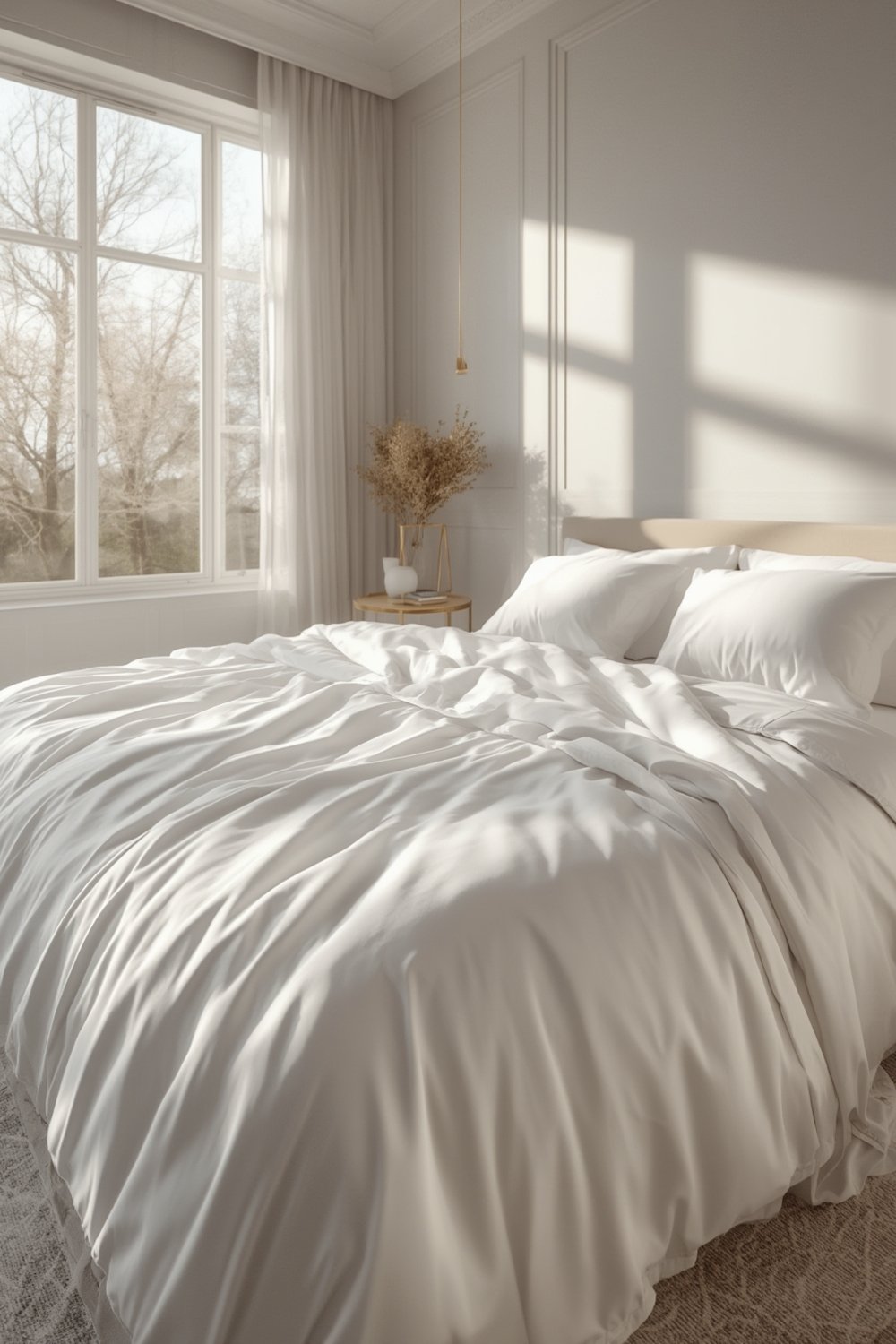
Microfiber has become the bedding market’s second most popular material after cotton. According to market research, the global microfiber sheet segment reached a value of about USD 5.2 billion in 2024—a substantial portion, but still just under 5% of the overall sheet market valued at nearly USD 113 billion. Cotton continues to dominate due to its superior breathability, comfort, and established reputation. Still, microfiber’s low cost, reliable durability, and easy-care features explain why millions of households are making the switch or keeping a set on hand as a versatile option.
People often choose microfiber if they want:
- Smooth and wrinkle-free sheets without heavy ironing
- Affordable bed linen that’s usually less expensive than midrange cotton (including Egyptian and Pima)
- Sheets that dry quickly and are less prone to shrinking
However, the choice isn’t one-size-fits-all. Some users (especially hot sleepers) find microfiber warms up too much, and concerns about static, dust attraction, and eco-friendliness remain. Knowing the real advantages—and drawbacks—will help you pick the right set and care for them so they last.
How to Choose and Care for Microfiber Bed Sheets: Step-by-Step Guide
Not all microfiber sheets are the same. Here’s how to pick a quality set, get the best performance, and avoid the pain points that frustrate new buyers:
-
Check Fiber Content and Quality:
Premium microfiber bed sheets are labeled as 100% polyester or polyester blends. Look for labels like “double-brushed microfiber” or “double-brushed microfiber” for extra softness. -
Look for Genuine Deep Pockets:
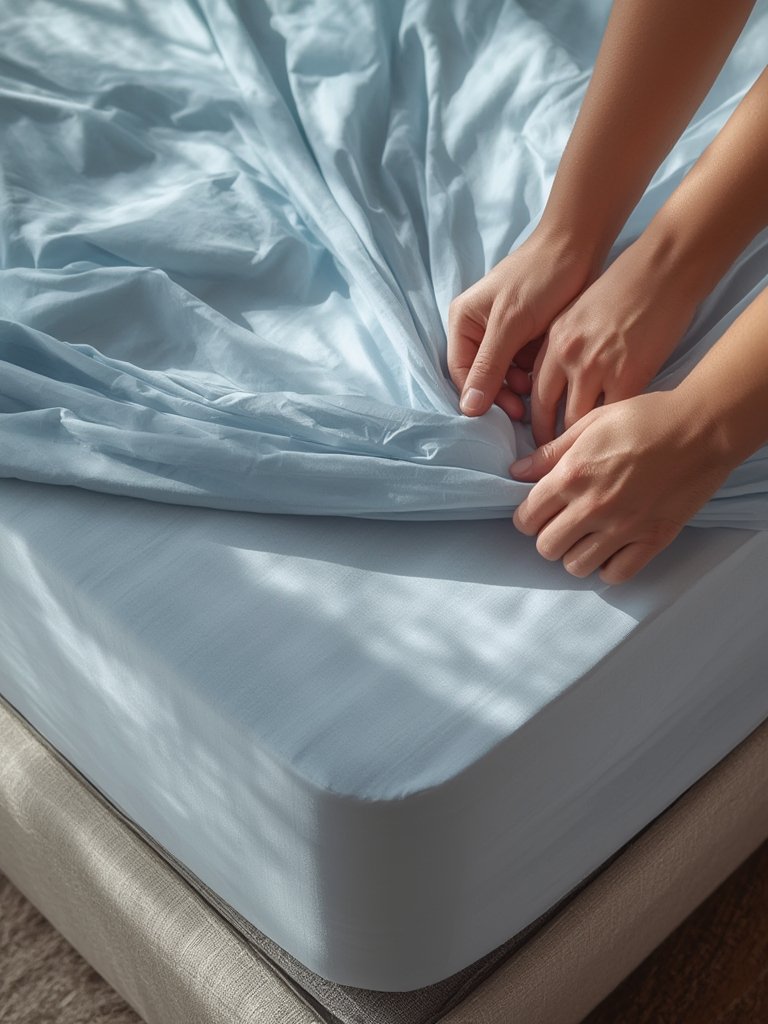
To prevent constant sheet slipping, check the actual pocket depth in the product specs, and choose a size at least 2-3 inches deeper than your mattress height. -
Preference for Hypoallergenic and OEKO-TEX certified Sheets:
Choose OEKO-TEX certified sheets for peace of mind if you’re concerned about skin sensitivity or chemical residues. -
Washing Microfiber Correctly:
- Wash separately from lint-heavy towels to prevent pilling and lint buildup.
- Skip fabric softeners and dryer sheets. Use mild detergent and cold or warm water instead. Fabric softeners reduce absorbency and cause buildup.
- Dry at low or medium heat. Overheating causes static and can damage fibers, reducing lifespan.
-
Rotate Sets and Seasons:
In warm weather, consider switching to kid and pet friendly rug or cotton sheets for better breathability. Microfiber excels in cooler months. -
Spot Treat Stains Promptly:
Due to dense fibers, stains can cling. Tackle them quickly with a gentle mixture of baking soda and water, or a non-bleach stain remover. Avoid soaking for long periods. -
Mind the Environmental Impact:
Seek out brands offering recycled microfiber or those outlining their sustainability initiatives. This is an area seeing new growth, but not all manufacturers are transparent about their sourcing.
Bonus: When you’re seeking long-term freshness in your linen closet, consider using booster beads vs fabric softener—they’ll help your sheets smell great without coating fibers.
Want your bedroom upgrades to save energy? Review our top energy efficiency upgrades for your whole home.
For maximum bedroom safety, pair smooth sheets with a non slip rug pad to help prevent nighttime slips and falls.
Advanced Analysis & Common Pitfalls
Microfiber sheets solve many problems, but several pitfalls are easily overlooked until you sleep on them for a while. Here’s what most buying guides miss:
| Feature/Issue | Microfiber Bed Sheet | Cotton Bed Sheet |
|---|---|---|
| Breathability | Low to moderate; retains heat | High; cool and airy |
| Affordability | Typically much cheaper (source) | Moderate to expensive |
| Wrinkle Resistance | Excellent | Moderate to poor (unless treated) |
| Static & Dust Attraction | Prone to static, attracts hair/dust (source) | Minimal |
| Durability | Good with proper care; can pill | Excellent (especially with higher thread counts) |
| Environmental Impact | Non-biodegradable; some recycled options (source) | Biodegradable; widely recycled |
| Perceived Quality | Often seen as lower | Generally higher reputation |
Common problems users encounter with microfiber:
- Hot Sleeping: Microfiber insulates well, which can be a benefit in winter but a drawback for those who sleep hot or during warm months. Consider layering with a lighter, more breathable blanket or swapping to cotton in summer.
- Depth Confusion: Many brands exaggerate pocket depth. Always measure your mattress—including any topper—before buying, and aim for a sheet that fits snugly without excess strain.
- Greenwashing: Some brands market sheets as “eco” or “sustainable” without real certification. Look for concrete details, such as recycled material percentages or clear sustainability labeling.
- Lint, Pet Hair, and Static: Because microfiber is synthetic, it can develop static and attract dust or pet hair. Extra care is needed if you have pets or allergies. A slightly damp dryer cycle or minimize static are helpful here.
If you’re remodeling your bedroom or updating your home, see our top bathroom remodelers nearby for a complete space refresh.
Conclusion
Microfiber bed sheets offer convenience, comfort, and savings for many households. Their softness, resistance to wrinkles, and price advantage are hard to beat, especially if you need spare bedding that’s easy to care for. Just remember to keep an eye on sheet density, actual pocket depth, and sustainable sourcing where possible. If you dislike sleeping warm or have sensitive skin, consider keeping cotton sheets on hand for seasonal swaps. With these strategies, your microfiber bed sheet sets can bring both comfort and value to your home, year-round. Ready to try microfiber tonight? Start with a set that balances GSM, fit, and eco-friendliness—your next restful night is just a few simple choices away.
Frequently Asked Questions
Do microfiber bed sheets pill or wear out quickly?
With proper care, quality microfiber sheets are durable and resist pilling. Use a gentle wash cycle, avoid fabric softeners, and wash separately from towels to maintain smoothness. Extremely low-GSM sheets may pill faster, so look for sets labeled 90-120 GSM.
Are microfiber bed sheets safe for sensitive skin?
Most microfiber sheets are hypoallergenic and soft. For sensitive skin, choose OEKO-TEX certified sets to ensure low chemical residue. Avoid using strong detergents or bleach, as this can irritate skin over time.
How do I minimize static and pet hair on microfiber sheets?
Add a slightly damp washcloth to the dryer with your sheets to cut static. Using wool dryer balls can also help. Keep pets off the bed or regularly use a lint roller for best results.
Are microfiber bed sheets eco-friendly?
Conventional microfiber is synthetic and non-biodegradable, but some brands offer recycled or lower-impact options. Always look for clear details about their environmental policies, and consider rotating with natural fiber sheets for a greener routine.
How do microfiber sheets compare to cotton sheets in summer?
Microfiber traps more heat and is less breathable than cotton, which can feel uncomfortable in hot weather. For warm seasons, many find cotton sheets keep them cooler and reduce night sweats.