


Art deco vintage decor is once again a leading trend, drawing homeowners and collectors who want bold design statements and genuine historic character in their spaces. The demand for authentic Art Deco pieces has surged, but incorporating this style into today’s homes presents unique challenges you need to know before you invest time or money.
Key Takeaways
- Art Deco vintage furniture and decor have reached record popularity and prices in 2024, making authentic pieces scarce and highly sought after.
- Integrating true Art Deco into modern interiors requires careful planning—expect challenges with styling, spatial fit, and maintenance.
- Most consumer guides skip vital details, like spotting fakes, understanding quality markers, and the actual impact on property values.
- What Makes Art Deco Vintage So Desirable?
- How to Source & Style Art Deco Vintage in Your Home: A Step-by-Step Guide
- Advanced Analysis & Common Pitfalls: What Most Guides Leave Out
- Conclusion
- FAQ
What Makes Art Deco Vintage So Desirable?
Art Deco vintage design—defined by bold geometry, luxe materials like brass and glass, and worldwide appeal—first rose to fame in the 1920s and 1930s. The comeback in 2024 isn’t a fluke: nearly every major luxury resale platform and trade survey confirms explosive growth for Art Deco furniture, lighting, and decor. On 1stDibs, for example, “Art Deco” as a search term surged 10 spots year over year in chairs and placed 13th overall in all furniture categories (Source).
What’s driving this revival? Rising sustainability preferences, skyrocketing new furniture prices, and an appreciation for ornate, storied objects. Whether it’s a streamlined sideboard or scalloped mirror, authentic Art Deco instantly elevates any interior with drama and sophistication—if executed skillfully.
How to Source & Style Art Deco Vintage in Your Home: A Step-by-Step Guide
- Set a Realistic Budget
First-source, authentic Art Deco furniture often commands very high prices—decor pieces like Murano glass panels typically range from $200 to $5,000, with major furniture and lighting by top designers fetching far more (Source). Know your range, and be aware that “deco-inspired” reproductions can be substantially cheaper, but may not hold value or quality. - Know Where to Shop
Top spots for genuine Art Deco: trusted antique dealers, vetted online marketplaces like 1stDibs, and estate sales (though stock is increasingly snapped up by savvy resellers). Vintage trade shows or local classifieds sometimes present hidden gems, but proceed with caution—fakes abound. - Authenticate Before You Buy
Ask for provenance, examine joinery and materials (real Art Deco often uses exotic veneers or rich lacquer finishes), and inspect wear. Seek hallmark features—strong geometric patterns, stepped silhouettes, and authentic hardware. When in doubt, enlist a pro appraiser or consult reputable trade organizations. - Think Placement and Scale
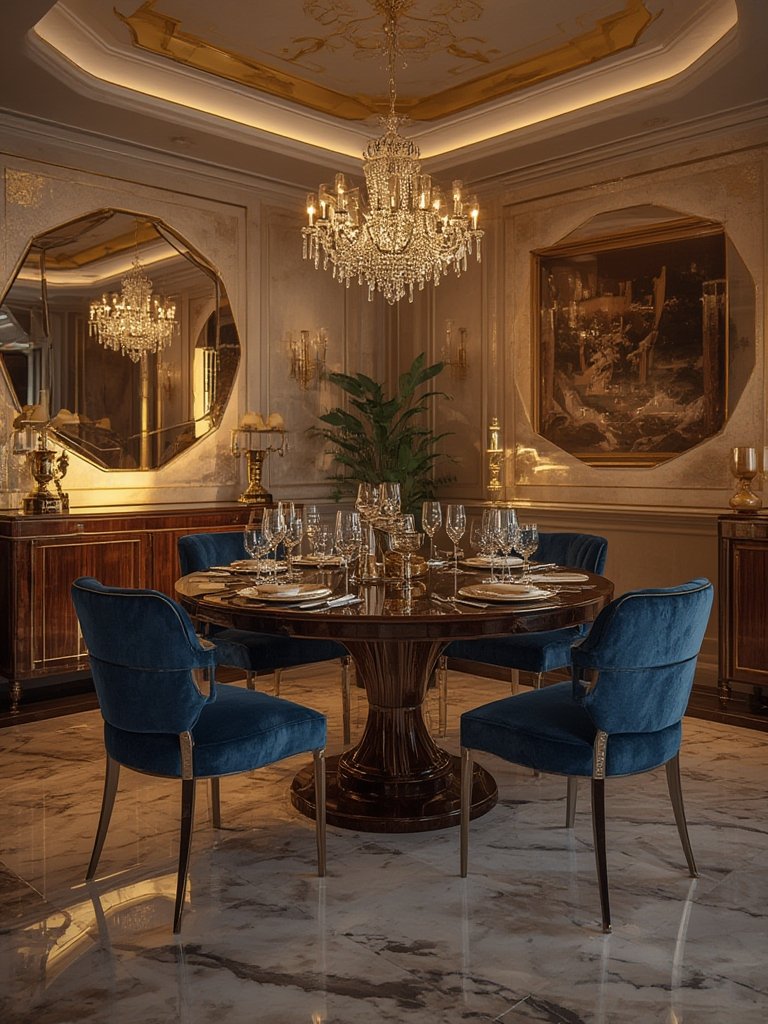
Art Deco pieces are typically bold and substantial. Avoid overcrowding. A statement sideboard, chandelier, or accent chair should be the room’s focal point, not lost among busy modern clutter. - Integrate, Don’t Imitate
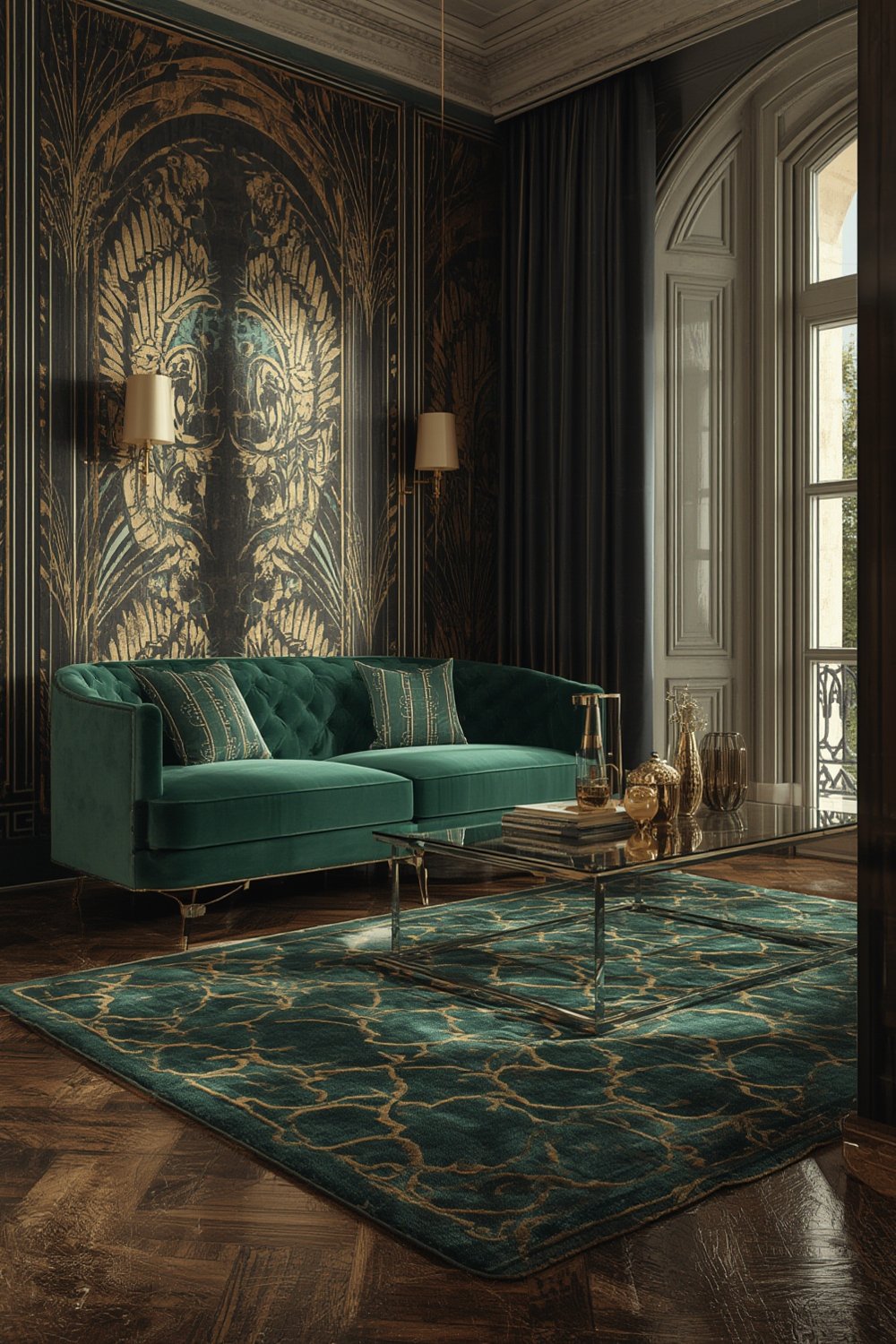
Pair Art Deco with sleek modern shapes to avoid theme overload. Use colors found in authentic Deco palletes: deep greens, golds, black lacquer, and rich woods. Echo geometric forms in contemporary rugs or modern wall art to create visual links. - Handle With Care
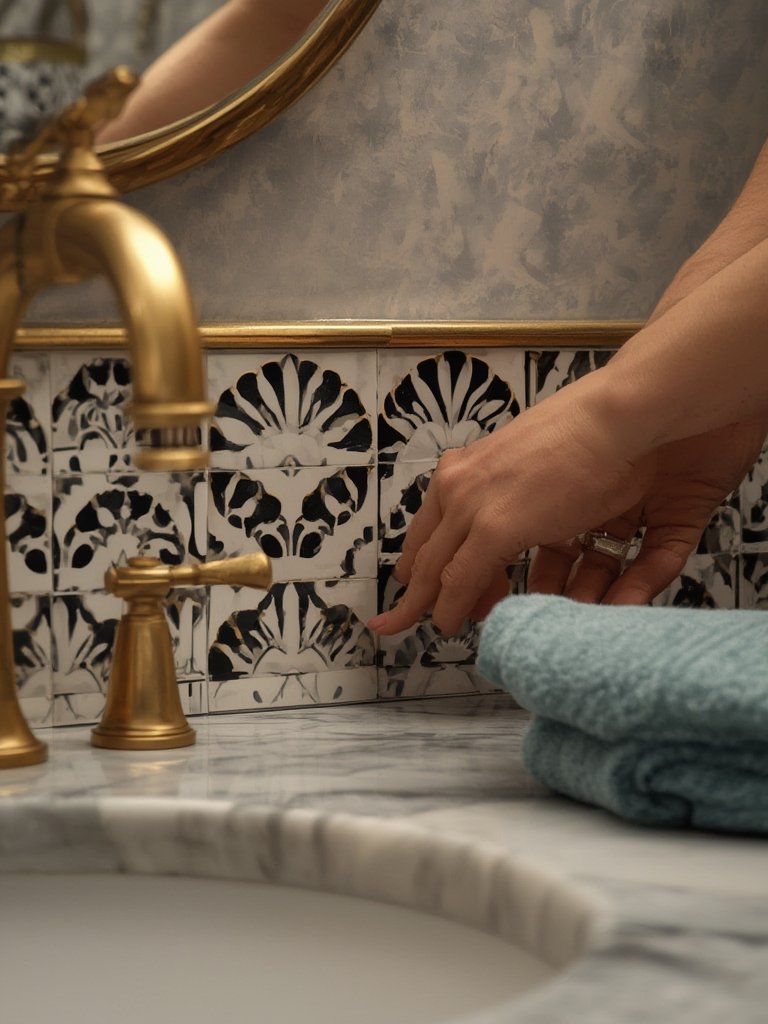
Many Deco finishes—lacquer, chrome, mirrored glass—are high-maintenance and scratch-prone. Regular gentle cleaning, proper humidity control, and using non-abrasive cloths are a must. Protect surfaces from sun and water rings.
kid and pet friendly rug can also prevent accidental scratches or stains around valuable pieces.
For blending Art Deco with other current interior trends, see how a boucle bed frame can add modern softness to a Deco-inspired bedroom or how a fluted glass cabinet can echo Art Deco’s architectural lines with 2020s practicality.
Advanced Analysis & Common Pitfalls: What Most Guides Leave Out
Common Issues When Mixing Art Deco Vintage Into Modern Homes
- Oversized Proportions: Original Art Deco furniture was designed for large, formal spaces. In smaller modern rooms, these can overwhelm and become visually cluttered.
- Material Mismatches: Shiny brass or chrome accents and lacquered woods sometimes clash with matte, natural modern finishes unless carefully balanced.
- Maintenance Headaches: High-gloss and mirrored finishes show every fingerprint and scratch. Restoring chips or damaged veneers requires specialty services.
- Confusing Authenticity: With big money at stake, many reproductions—especially from the 1980s “deco revival”—are passed off as originals. Distinguishing a high-quality vintage piece from a modern copy is tricky and often overlooked in most consumer articles.
Comparison: Authentic Deco vs. 1980s Revival vs. Modern Reproduction
| Feature | Original (1920s–1930s) | 1980s Revival | Contemporary Reproduction |
|---|---|---|---|
| Materials | Exotic hardwoods, Bakelite, nickel, inlaid glass | Veneered particleboard, chrome, some plastics | MDF, resin, mass production metals |
| Craftsmanship | Hand joinery, detailed marquetry, period hardware | Machine-made joinery, simpler detailing | Mass production, inconsistent hardware, lack of patina |
| Value | Highest, investment grade, holds/increases value | Moderate, less collectible but stylish | Low, mostly aesthetic, may depreciate |
Remember, most guides never mention that even highly rated “Deco-inspired” new pieces could have quality or durability issues—mass-market finishes are not as resilient. If your space still needs durable, low-risk upgrades, adding energy efficiency upgrades or looking at residential siding installation may provide a better immediate ROI.
Does Art Deco Boost Property Value?
There’s no comprehensive real estate data confirming that Art Deco decor leads directly to higher resale prices. However, unique features—like a stunning Deco chandelier or custom brass-accented entryway—can make listings stand out in competitive city markets. For sure-fire upgrades with proven ROI, projects like bathroom remodeling or finishing with crown molding installation still deliver more predictable value bumps.
Conclusion
Art Deco vintage continues to command attention and record prices, but sourcing, authenticating, and integrating real period pieces adds complexity rarely covered in “trend” articles. If you want to bring the art deco vintage aesthetic home, start with a clear plan, scrutinize every piece, and blend old with new for lasting style. Ready to upgrade your rooms? Begin sourcing now—or bookmark this guide for your next estate sale run.
FAQ
How can I tell if an Art Deco piece is genuine vintage or a reproduction?
Check for period-appropriate materials (like Bakelite, nickel or solid wood), handcrafted joinery, consistent patina, and specific design motifs. If you’re unsure, get a professional appraisal or request provenance documentation.
Does integrating Art Deco vintage furniture increase my home’s value?
Currently, there’s no hard market data linking Art Deco style to higher home resale values. Unique, well-appointed Deco features may attract certain buyers, but proven ROI is higher for kitchen and bathroom remodels.
Are there affordable ways to get the Art Deco look?
Yes—look for quality Deco revival pieces from the 1980s or well-made modern reproductions. You can also add small touches like geometric mirrors or brass hardware.
What’s the biggest challenge with Art Deco in small apartments?
Scale is a major issue—authentic Art Deco furniture can overpower modern compact rooms. Limit yourself to one statement piece or use smaller decor accents.
How should I maintain lacquer or mirrored Art Deco pieces?
Use only soft, damp cloths—no chemicals or abrasives. Keep them out of direct sun. Consider museum-quality waxes for occasional polish.