

Barkitecture is transforming how dog owners design backyards, blending style with true pet safety. But knowing which plants are safe, which features hurt or help, and what real experts recommend can be confusing—and mistakes can cost your dog’s health or your budget. This guide cuts through the noise to give you the facts and practical steps for a dog-friendly, toxic-free outdoor space you and your pup will both love.
Key Takeaways
- Some popular plants—like Sago Palm, Azalea, and even Tomato—can be deadly for dogs, while options like Boston Fern and Cast Iron Plant are vet-approved for safety.
- Top resources such as the ASPCA Toxic and Non-Toxic Plants List are the gold standard for checking plant risks before planting anything in your yard.
- Barkitecture is most effective when you combine pet-safe plants with features like dig zones and shade—but there are missing pieces most guides never cover (like ongoing monitoring or regional plant swaps).
- What Is Barkitecture and Why Does Pet-Safe Design Matter?
- How to Create a Barkitecture-Friendly, Dog-Safe Backyard
- Expert Pitfalls, Regional Factors, and What Most Guides Get Wrong
- Conclusion & Next Steps
- Frequently Asked Questions
What Is Barkitecture and Why Does Pet-Safe Design Matter?
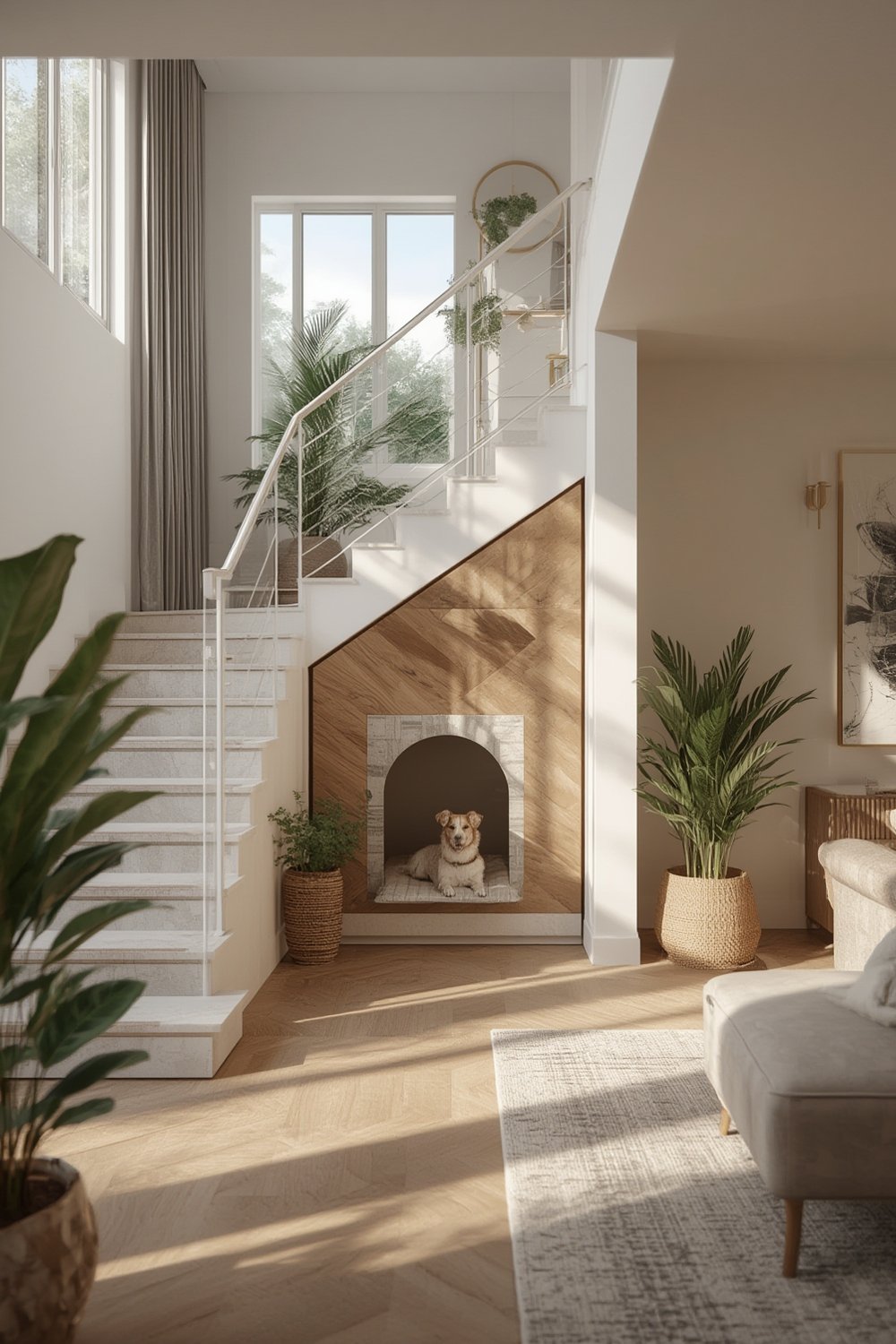
Barkitecture refers to the intentional design and landscaping of backyards and outdoor spaces with dogs’ needs at the core—creating a safe, enriching, and practical environment for pets and owners. While its Instagram-worthy dog houses and water stations get attention, the true impact comes from selecting non-toxic plants, installing dog-proof features, and ensuring safety is never sacrificed for aesthetics.
Many families assume that a beautiful garden is automatically safe for dogs, but veterinary data proves otherwise. According to ASPCA and UC Davis researchers, plants like Sago Palm, Azalea, and Lilies cause hundreds of pet illness cases each year, including fatal poisoning.
The core of a barkitecture-inspired garden is this: pet well-being drives every landscaping choice, from plant selection to the location of fencing, shade, and designated digging or play areas. Getting these details right isn’t just a luxury—it’s a responsibility all dog owners should prioritize.
How to Create a Barkitecture-Friendly, Dog-Safe Backyard
Ready to put barkitecture into practice? Follow these actionable steps to build a backyard that’s as safe as it is beautiful, even if you aren’t a gardening pro.
Step 1: Audit Every Plant—Remove Toxics, Add Safe Staples
- Check for common backyard toxics such as Sago Palm (Cycas revoluta), Ivy, Azalea, Rhododendron, Aloe Vera, Lilies, and Tomato plants. These top the list of pet poison cases according to the ASPCA and UC Davis.
- Replace them with proven safe options: Boston Fern, Cast Iron Plant, Christmas Cactus, and dog-safe succulents like Donkey’s Tail.
- If you live in a cold region, consider UK-vetted non-toxics (from Calder Vets), as some toxics grow only in warm climates.
Step 2: Layer in Barkitecture Features That Work for Dogs
- Designate paths or “dog lanes” of tough turf or microclover (see our detailed clover lawn guide)—clover lawns are durable, low-maintenance, and gentle on paws compared to traditional grass.
- Include “dig zones” filled with child-safe play sand or mulch so digging instincts don’t damage flowerbeds.
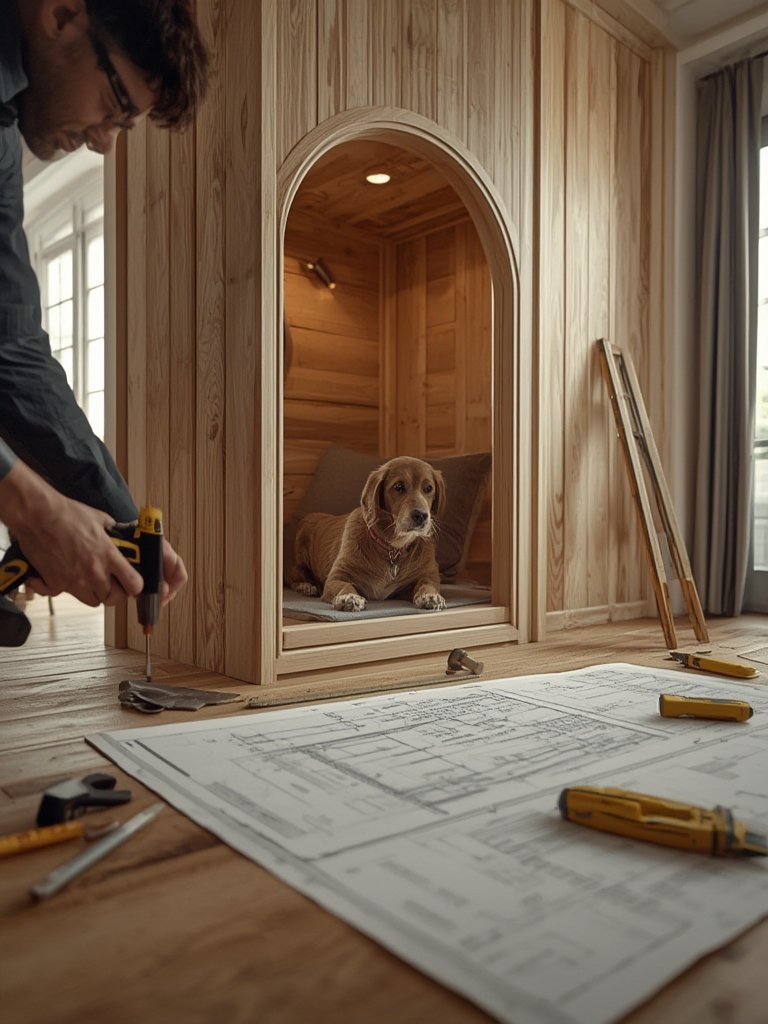
- Install shade using dog-safe structures (pergola, canvas tent) or placeable dog houses—remember, most “trendy” shade trees are omitted from safety lists, so verify every variety first.
- Use raised garden beds to keep plants out of dogs’ reach, especially if puppies or curious breeds live with you.
Step 3: Build-In Vet-Approved Safety Practices
- Schedule yearly “yard audits” where you inspect for new volunteer plants (many weed species are toxic if ingested).
- Install fencing suited to your dog’s size and escape style. For modern containment without digging, GPS dog fence systems work well for persistent escape artists.
- Keep all garden chemicals, pest control measures, and fertilizer locked away—a surprisingly overlooked risk highlighted in various pest control safety guides.
- For small yards, choose easy-clean surfaces—like machine washable, pet-friendly rugs for patios—to simplify fur and dirt cleanup.
Step 4: Make Maintenance Simple and Ongoing
- Download a plant identification app and use it each spring to re-check new plantings and volunteers. Most poisonings occur months after yard changes or weed growth.
- Brief all family members and dog walkers on “danger zones” or off-limits areas, even after initial installation.
- If you’ve added shade trees, confirm annually that their fallen leaves or seeds remain non-toxic (tree safety data for dogs is still relatively scarce).
Expert Pitfalls, Regional Factors, and What Most Guides Get Wrong
Even among trending barkitecture blogs, the reality is that safety and plant toxicity are just one part of the equation. Below are the overlooked problems and nuanced challenges most guides miss—and exactly what you should watch for before building or renovating your dog-safe garden.
Common Pitfalls: Where Most Owners Go Wrong
- Plant choices ignore regional risks: Lists of “toxic plants” often fail to include cold-hardy regional species, or overlook that dangerous plants like Sago Palm don’t grow in the north but are everywhere in the south. Always match plant guidance to your climate and zone.
- Features installed without behavior insight: Not all dogs use dig zones or lanes as intended—high-drive chewers will quickly destroy soft wood or border fences. Plan for your own dog’s breed and personality, not just “average” dogs.
- Maintenance is an afterthought: Most guides say “remove toxic plants” once, but weeds/volunteers appear every season—systematic audits and mobile app checks are essential for long-term safety.
- Costs and practicality ignored: Costs for clover lawns or upgrades can surprise new barkitecture fans. While clover is touted as budget-friendly (see our Clover Lawn Guide), real-world labor and re-seeding expenses are rarely explained.
- Shade solutions remain unsolved: There’s scarce research on which shade trees are truly safe. Many popular fast-growers (Black Locust, for example) are toxic. Artificial or built shade may be safer until more long-term data is available.
Expert Source Comparison: Dog-Safe Plant Lists
| List | Comprehensiveness | Regional Suitability | Authority |
|---|---|---|---|
| ASPCA | High (hundreds of plants, scientific details) | General (US-wide) | Highest (poison control data) |
| UC Davis | Medium (10 key garden plants) | High (Northern CA, warm climates) | High (vet school cases) |
| Calder Vets | Medium (top-12 + non-toxics) | High (UK) | Medium (vet practice) |
Actionable Ideas Most Barkitecture Guides Miss
- Location-specific safe plant swaps: Swap out lists of “universal” safe plants for climate-specific recommendations and resources, as many dog-friendly options aren’t available everywhere.
- Design feature integration: Combine plant safety with the physical design—raised beds, built play mounds, and dig areas all need safe landscaping materials.
- Ongoing monitoring: Yearly re-audits using plant apps, and educating all humans who access the yard (family, landscapers, pet-sitters) on seasonal dangers and changes.
Conclusion & Next Steps
Barkitecture goes far beyond stylish dog houses—it’s about deliberately choosing every backyard element with canine safety in mind. By following science-backed plant lists, designing real-world features for your dog’s unique needs, and regularly monitoring your spaces, you create an outdoor haven that’s both safe and functional. Always make your decisions with the exact risks—plant toxicity, shade, escape, and maintenance—in mind, and consult references like the ASPCA plant list before changing anything.
If you’re interested in saving even more time on yard cleanup, check out our review of the best robot vacuums for pet hair on hardwood floors for all-season home neatness. Or if you want to go all in, read about energy efficiency upgrades that can transform your entire living environment.
Don’t wait for a veterinary emergency to take plant safety seriously. Start your barkitecture project today with a clear plan—and make your backyard a safe, happy, and truly dog-centric place.
Frequently Asked Questions
What is the most reliable source for dog-safe plant lists?
The ASPCA Toxic and Non-Toxic Plants List is considered the most comprehensive and reliable. It’s updated frequently and includes hundreds of plants with veterinary-backed toxicity data.
Is clover lawn really better for dogs than grass?
Many pet owners prefer clover because it’s durable, soft on paws, and requires less fertilizer. However, every yard and region is different—see our Clover Lawn Guide for balanced pros and cons.
Are there any shade trees that are 100% proven safe for dogs?
Currently, there’s no exhaustive, veterinary-approved list for safe shade trees. Most expert guides recommend built shade (awnings, pergolas) or confirming individual species via trusted databases before planting.
How do I keep my backyard safe for dogs all year?
Perform a “plant safety audit” at least once a year—use identification apps, re-check new growth, and educate family or contractors on known risks. Always re-verify if you change any backyard features.
Do dogs benefit long-term from barkitecture backyards?
No clear veterinary studies confirm long-term behavioral or health benefits, but reducing toxic exposures and providing enrichment is always a positive step for canine quality of life.