

Dealing with rodents? Choosing the right rat trap can make all the difference between a solved problem and a recurring headache. With dozens of trap types, safety concerns for pets and kids, and evidence of resistance by wild rats, the right approach matters more than ever in 2024.
Key Takeaways
- Snap traps remain the industry favorite, but reusable electronic traps offer lower maintenance and better long-term results for tough infestations.
- Bait selection and trap placement in rat pathways are critical. Poor placement or bait quickly depleted by pests like slugs can doom your efforts.
- Glue and rodenticide traps pose higher risks for pets and non-target animals. Prioritize safety and humane options, especially outdoors or around children.
- What Is a Rat Trap and Why Does Choice Matter?
- How to Use a Rat Trap: Step-by-Step Guide
- Advanced Analysis: Pitfalls & Common Mistakes
- Conclusion: Action Steps
- Frequently Asked Questions
What Is a Rat Trap and Why Does Choice Matter?
A rat trap is any mechanical or electronic device designed to capture or kill rats. They come in many forms: classic snap traps, electronic shock traps, glue boards, and humane multi-catch units. With rodenticide use under scrutiny due to safety risks, professional pest control now leans heavily on traps. According to the 2024 State of the Rodent Control Market report, 90% of pest management pros now primarily use traps.
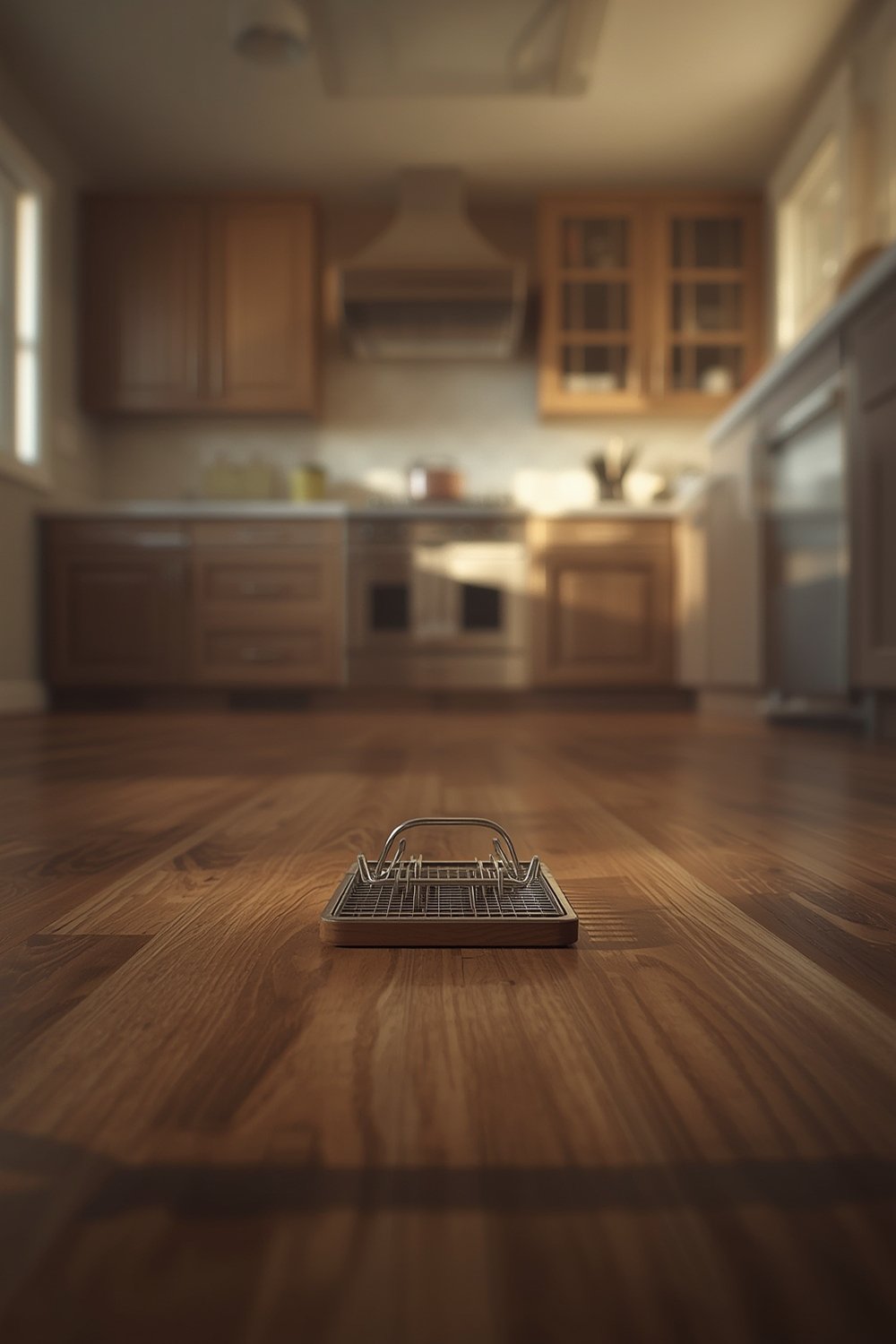
Snap traps (76% usage) are still the favorite, while glue traps (72%), reusable multi-catch traps (47%), and electronic traps (5%) each offer unique pros and cons. The best choice depends on your home, your risk tolerance (pets, kids, wildlife), and the persistence of your rodent population. Getting it wrong can mean wasted time, recurring infestations, or safety hazards.
For readers tackling wider home upgrades, check out our guide on energy efficiency upgrades—many pest intrusion issues begin with poorly sealed homes!
How to Use a Rat Trap: Step-by-Step Guide
- Identify activity areas: Look for droppings, gnaw marks, grease trails, and burrow holes—especially along walls and near food sources. Night vision cameras or tracking tunnels can help pinpoint rodent hotspots (source).
-
Choose your trap:
- For rapid knockdown: Classic snap traps work well for Norway rats indoors, but be prepared for frequent resetting and bait replacement. Glue traps are less effective—often allowing strong rats to escape and are inappropriate for outdoor use due to inhumaneness (see test results).
- For long-term, less maintenance: Electronic traps (like Goodnature A24) use lure pumps for 4–6 months of continuous baiting and reset themselves. These excel in garages, attics, and large outdoor settings but cost more upfront (field trial data).
- For safety and pets: Humane multi-catch traps avoid poisons and allow non-lethal release but demand frequent checks to prevent suffering.
- Select the right bait: Peanut butter, oats, dried fruit, and nuts remain favorites—but outdoor traps with standard bait can be emptied rapidly by slugs and insects. Modern lure pumps or wax block baits resist spoilage and last much longer.
- Set traps along rodent pathways: Place the trigger end against walls, or in corners, and reset/resupply frequently. Professionals recommend checking standard traps bi-weekly; electronic units need less attention but should be tested monthly for battery/lure pump function.
- Exclude and seal off entry points: Once you catch or deter rodents, prevent new intruders by sealing holes and gaps with steel wool, caulk, or expanding foam. Leaving openings increases reinfestation risk—one Norway rat pair can generate 50 offspring in a season!
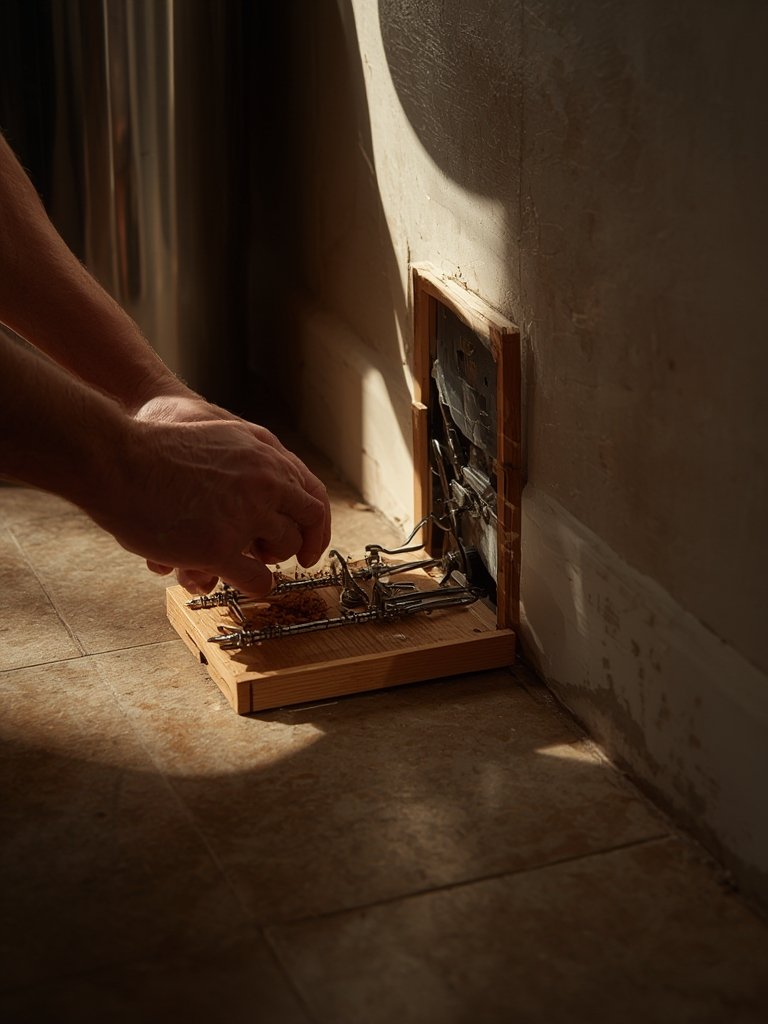
Keep in mind, repeated failures often signal either the wrong trap or poor placement, not “trap-shy” rats. Adapt your strategy if you see caught mice but stubborn rats remain, or if bait disappears nightly and traps stay empty.
Looking for more home safety solutions? See our guide to pet-friendly, washable rugs and bathroom safety mats—because clean, safe homes are less attractive to pests and easier to maintain.
Advanced Analysis: Pitfalls & Common Mistakes
Over 56% of pest control professionals reported rising infestations in 2024, with garages and outdoor settings among the toughest to keep rat-free. Here’s what often goes wrong for homeowners and even some pros:
- Labor burnout: Single-use snap and glue traps require frequent checking and rebaiting—often resulting in slacking off and trap failures. Electronic models solve this but cost more.
- Bait spoilage and depletion: Slugs, ants, and other pests quickly gobble up bait left out overnight, especially outdoors—rendering traps useless within hours. Choose bait wisely; lure pumps are a game-changer.
- Improper placement: Traps in random locations rarely catch rats. They naturally travel along walls, behind appliances, and in dark, undisturbed areas. Placement is more important than the trap itself.
- Safety oversights: Glue and rodenticide traps pose high risks to pets and children. Poisoned rodents can also kill wildlife like birds of prey. If you must use bait stations, securely block pet and child access and always seal entry points after treatment (see regulatory considerations).
- Underestimating rat resiliency: Wild rats reproduce rapidly (up to 10 litters a year), so partial control only invites rapid rebound. Poor follow-up wastes effort and budget.
| Trap Type | Effectiveness | Maintenance | Lifespan | Safety | Pet/Kid Risks |
|---|---|---|---|---|---|
| Snap Trap | High (if well-placed) | Frequent rebait/check | Reusable, but short bait life | Injury risk if tripped | Moderate to High |
| Glue Trap | Low for large rats | Frequent replacement | Single-use | Inhumane, escapes common | High |
| Electronic (Goodnature A24) | Longest-term, <15% activity at scale | 4–6 month lure pump; reduced checks | 18–24 months plus | Self-resetting, CO2 mechanism | Low (if properly placed) |
| Rodenticide Station | High, but regulated | Bait refill/rodent removal | As long as bait lasts | Secondary poisoning risk | Extreme; not for homes with pets/kids |
| Multi-catch Humane | Moderate; best for mice | Daily checks required | Reusable | Escape risk if overlooked | Low (if animal safe) |
Premium electronic units now boast improved lure delivery, CO2/automatic reset, and can run for months between checks. Less advanced models or glue boards save upfront, but hidden costs add up when you need daily maintenance. For tech specifics like voltage or energy use, see this electrical performance comparison.
If you own pets or have kids, prioritize either secured bait stations (never loose poison) or invest in top-rated reusable traps. For households balancing cleanliness and safety, see our well-researched picks for a smart night light solution and fridge door handle covers. Small upgrades can also help deter rodent entry.
Conclusion: Action Steps
Choosing the right rat trap has never mattered more. Snap traps and glue boards are cheap and fast—but bring safety issues and burnout from constant checks. Electronic and automatic rat trap models work longer with less effort, especially in garages and outdoors. No matter the device, effective placement along rat runways and diligent sealing of entry holes is vital.
Ready to take action? Select the right rat trap for your setting and follow a maintenance routine. For further tips to upgrade your whole home, check out our expert guides on mosquito traps and bug zappers. Don’t wait for another infestation—start trapping smarter today.
Frequently Asked Questions
What is the safest rat trap for homes with pets and children?
Secured electronic traps such as the Goodnature A24 are safest if properly placed out of reach. Avoid poison baits and glue traps—both pose high risk for pets and non-target animals.
How often should I check and clean a reusable rat trap?
Manual snap traps and multi-catch units should be checked at least every few days. Electronic self-resetting traps may work for months between checks but should still be tested monthly. Remove dead rodents promptly and clean with gloves and disinfectant.
Why do my traps stop working after a few days?
Common reasons: bait has been stolen by slugs/insects, traps were placed in low-traffic areas, or rats have learned to avoid them. Try fresh, long-lasting bait (like lure pumps) and switch up the location based on signs of activity.
Do humane traps actually work for wild rats?
Humane multi-catch traps work best for mice. Wild rats are strong, cautious, and can escape many live-catch units. If you choose humane release, check them frequently to prevent stress or death.
Should I use poison bait stations outside?
Only as a last resort—rodenticides can poison pets, wildlife, and children. Regulations are tightening, and professionals increasingly prefer traps. Exclusion and sealing are always required after baiting to prevent recurring infestations.