

Bug zapper devices are a summer staple for patios, gardens, and backyards, but how effective are they really—and are they worth the investment in 2024? This guide digs into the real stats, user experiences, and expert insights so you can make a smart, safe choice for your outdoor space.
Key Takeaways
- Bug zappers are widely sold for outdoor insect control, but scientific studies show they kill very few mosquitoes and mostly attract harmless or beneficial insects.
- Effectiveness, noise, and safety are common user complaints—placement, power, and proper expectations are critical for satisfaction.
- Many top guides skip technical comparisons, real battery life data, and independent effectiveness research—understand these before you buy.
- What Is a Bug Zapper and Why Use One?
- How To Choose and Use a Bug Zapper: Step-by-Step Guide
- Advanced Analysis and Common Pitfalls
- Conclusion: Should You Buy a Bug Zapper?
- Bug Zapper FAQ
What Is a Bug Zapper and Why Use One?
A bug zapper, sometimes called an electronic insect killer, uses ultraviolet (UV) light to attract flying insects to an electrified grid where they are killed by a high-voltage charge. These devices are most often marketed for outdoor use on patios, in gardens, and around backyards to reduce insect interference during gatherings or relaxation.
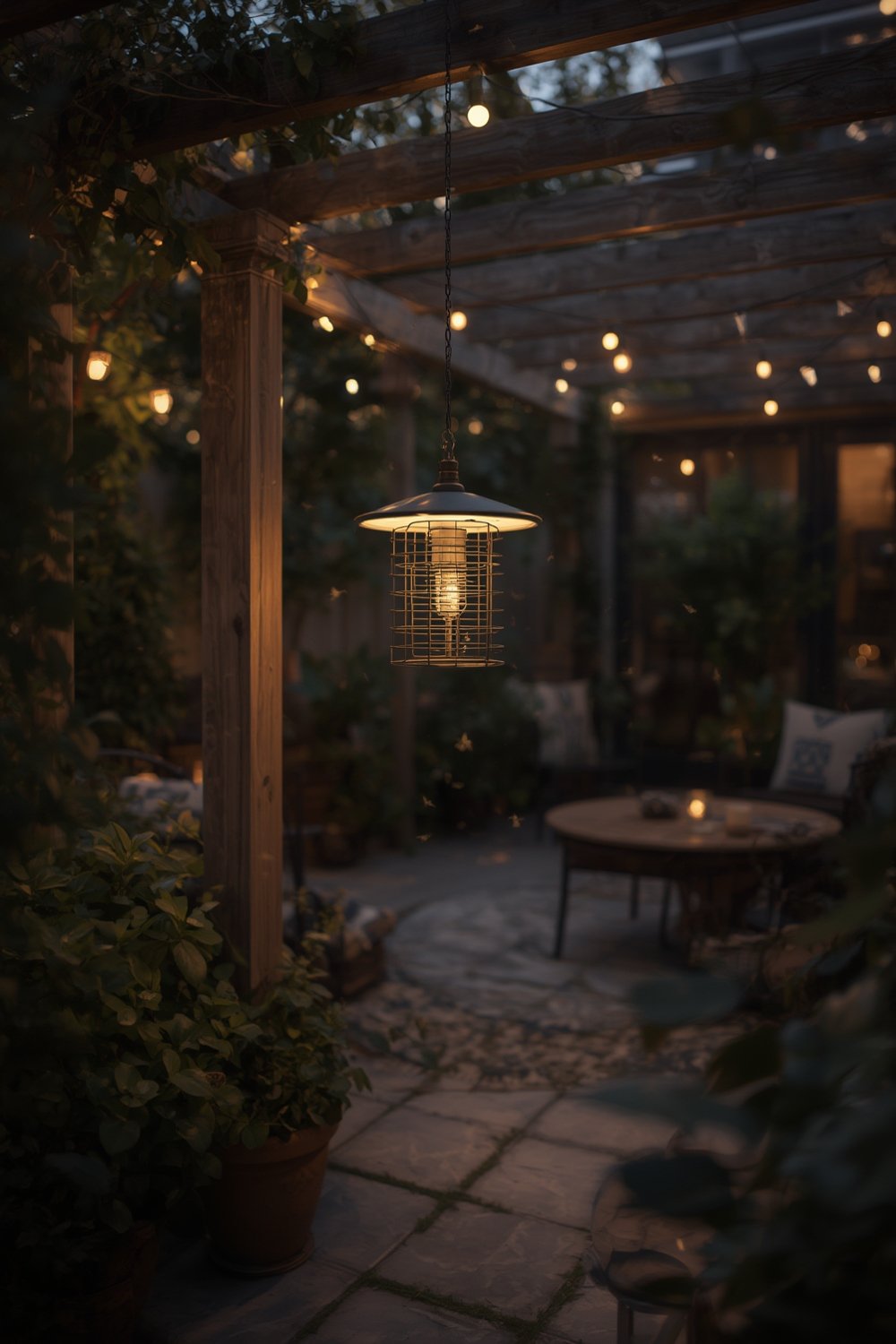
The appeal is simple: a passive, chemical-free tool that can run all evening, supposedly reducing bug bites and nuisances. The U.S. and global bug zapper market is booming, projected to reach $4.5 billion by 2033, led by demand for safer and eco-friendlier alternatives to sprays and candles [source].
Despite the marketing, peer-reviewed studies and credible reviews reveal that bug zappers kill far more harmless moths and beetles than actual biting pests like mosquitoes—just 0.13 percent of insects killed are biting flies, including female mosquitoes [source]. So the “why” for many buyers is a quest for comfort and peace of mind, but expectations should be realistic.
How To Choose and Use a Bug Zapper: Step-by-Step Guide
Ready to try a bug zapper for your backyard, patio, or campsite? Here’s exactly how to select the right device and use it effectively.
-
Choose the Right Style and Coverage:
Most bug zappers for outdoor use are UV-based. High-quality models specify their coverage area—1/2 acre (small patio) to 1.5 acres (large yards). Models with wire grates and strong protective housing are better for safety in homes with children or pets. -
Prioritize Safety Features:
Look for models with sturdy plastic or metal casing around the electrified grid. Avoid devices that leave wiring exposed or can be easily knocked over. Some have grounded cords and weatherproof designs for added safety. -
Compare Power and Voltage:
Higher voltage (e.g., the Black Flag Deluxe’s 5,500 volts) gives a quick kill, which helps minimize noise and mess. But voltage alone doesn’t guarantee more mosquitoes killed. -
Pick Energy Efficient or Solar-Powered Options:
Premium zappers use less power or integrate solar-powered or rechargeable panels for sustainability and long-term savings. To explore more ways to save on energy, check out this guide to energy efficiency upgrades. -
Rechargeable vs. Plug-In Models:
If you want portability, rechargeable lantern-style zappers are tempting, but real-world battery life and charging time are rarely reported. For stationary use, plug-ins remain more reliable. -
Install and Place Correctly:
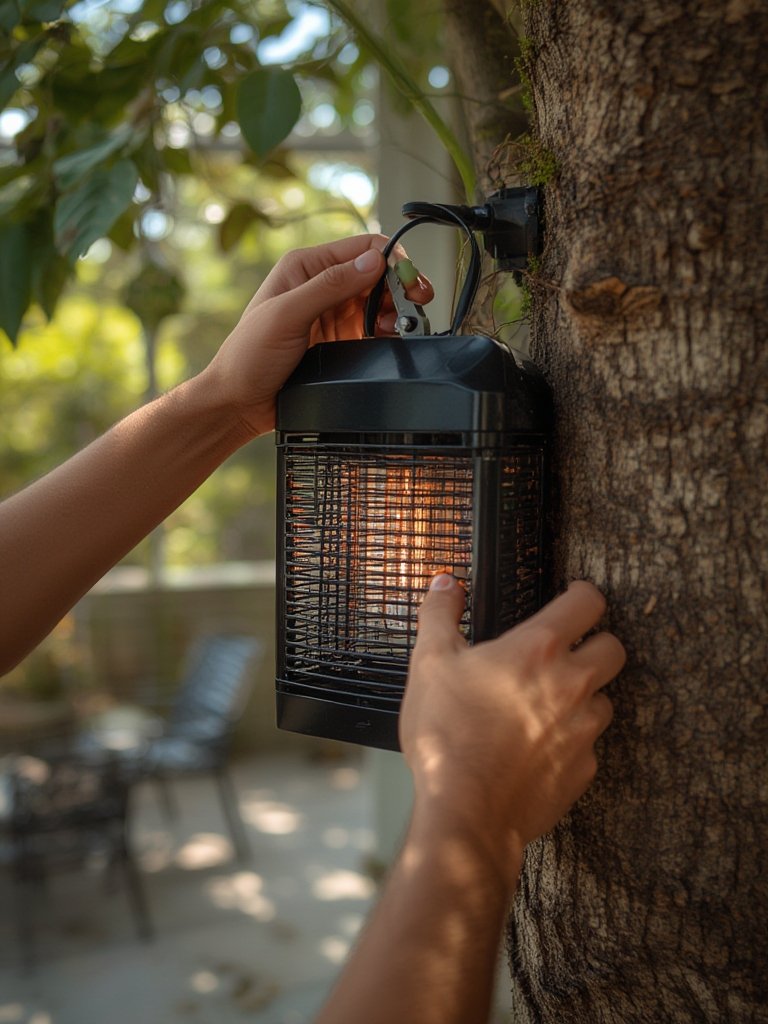
Hang your zapper 5-7 feet above ground, clear of obstructions, and at least 20 feet away from tables, chairs, or doors. -
Clean and Maintain Regularly:
Unplug before cleaning. Brush away bug debris weekly to prevent buildup and keep performance consistent. -
Don’t Skip Companions:
If mosquitoes are your main problem, use zappers as a supplement with repellents, mosquito traps, or physical barriers for actual protection.
Looking for more practical home upgrades? You might also like these guides on kid and pet friendly rugs or booster beads vs fabric softener for low-maintenance living.
Advanced Analysis and Common Pitfalls
Most shoppers don’t realize the biggest bug zapper limitations—let’s break them down:
- Limited Mosquito Effectiveness: Scientific studies prove that despite bold marketing, only a tiny fraction of bugs killed are actually mosquitoes. Most victims are harmless—and sometimes beneficial—insects, like moths and beetles [source].
- Power and Wavelength Specs Often Not Shared: Very few brands reveal their UV wavelength (ideally 365 nm) or lamp power. There’s little accessible data on which settings attract which bugs, leaving you to buy on faith, not evidence.
- Noise Annoyances: Some zappers quietly “pop” bugs out of existence, but many buzz loudly—especially when failing to kill on the first jolt. User reviews are split.
- Corded vs. Rechargeable: Wired models are more consistent, but lack portability. Rechargeable lanterns are handy for camping, yet battery life data is sparse. The rare solar zapper still needs hours of sunlight for a full charge.
- Safety for Kids and Pets: A poorly shielded or toppled zapper can create a shock risk, especially for curious children or animals.
- Placement Is Tricky: To prevent accidentally attracting more insects toward you, zappers must be mounted far enough from activity—and sometimes, this “safe” distance means it no longer protects the patio itself.
- Competing Methods May Work Better: For mosquito-prone areas, products like spatial repellents, fans, or physical barriers provide more reliable relief.
| Feature | Premium Zapper ($$–$$$) | Budget Zapper ($) |
|---|---|---|
| Coverage Area | Up to 1.5 acres | Under 1/2 acre |
| Power/Voltage | Higher voltage (e.g., 5,500V), faster kill | Lower voltage, variable performance |
| Durability & Weatherproofing | Robust casing, rain resistance | Basic build, limited outdoor use |
| Energy Efficiency | LED bulbs, solar options | Standard bulbs, no solar |
| No. of Targeted Insects | All flying insects, still few mosquitoes | Primarily non-target insects |
| Noise | Quieter kill with advanced grid | Louder, sometimes inconsistent |
| Average Price (2024) | Data not explicit, but ~$50–$100+ for top units | $15–$35 |
If slip resistance is important to your home upgrades, don’t miss these ideas for a non-slip rug or a non-slip bath mat for your high-traffic areas.
Conclusion: Should You Buy a Bug Zapper?
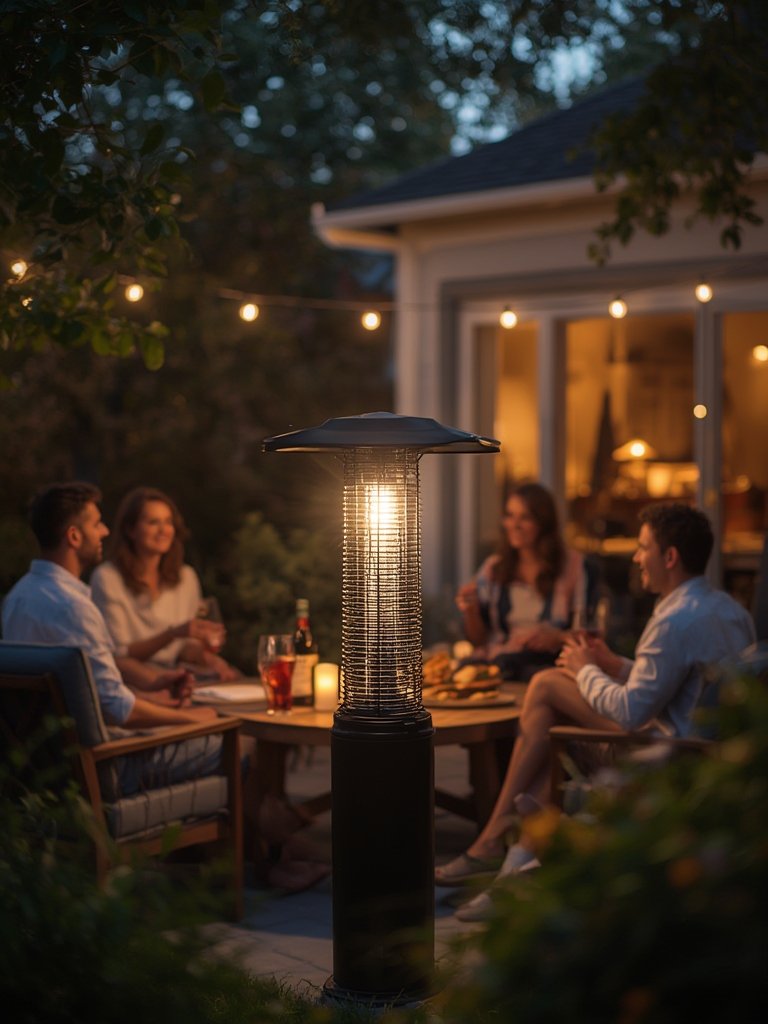
Bug zappers sell in huge volumes and offer some satisfaction for general insect control, but their actual effect on biting mosquitoes is very limited. If you choose a bug zapper, focus on safe placement, correct coverage, and realistic expectations—consider complementing your setup with other defenses.
If you’re looking for reliable, chemical-free solutions for outdoor gathering spaces, a bug zapper may be one part of a bigger plan. Want more proven upgrades to your home? Try energy efficiency upgrades or stylish booster beads for laundry next.
Ready to improve your backyard comfort? Take what you’ve learned about the bug zapper, weigh the pros and cons, and choose the model and method that fits your needs.
Bug Zapper FAQ
Do bug zappers really kill mosquitoes?
Scientific studies show that bug zappers kill very few mosquitoes—just 0.13 percent of bugs zapped are biting flies, including mosquitoes. Most insects killed are non-target species like moths and beetles.
How far should I place a bug zapper from where I sit?
For best effectiveness and to avoid attracting bugs toward you, mount your bug zapper at least 20 to 30 feet from seating or dining areas—ideally 5 to 7 feet off the ground.
Are bug zappers safe for use around pets and children?
Most outdoor zappers have protective grills, but caution is still warranted. Mount the zapper out of reach and choose a model with sturdy, tamper-resistant housing to minimize risk of accidental shock.
Do solar-powered or rechargeable bug zappers work as well as plug-in models?
Solar and rechargeable bug zappers are convenient but can be less consistent for extended use, especially if battery life is limited. Plug-in units tend to provide more reliable long-term performance.
What is the best alternative if bug zappers aren’t working for mosquitoes?
Use a combination of mosquito traps, fans, citronella candles, repellents, and physical barriers to keep mosquitoes at bay. Bug zappers are best used to reduce overall flying insect presence, not as a primary mosquito defense.