

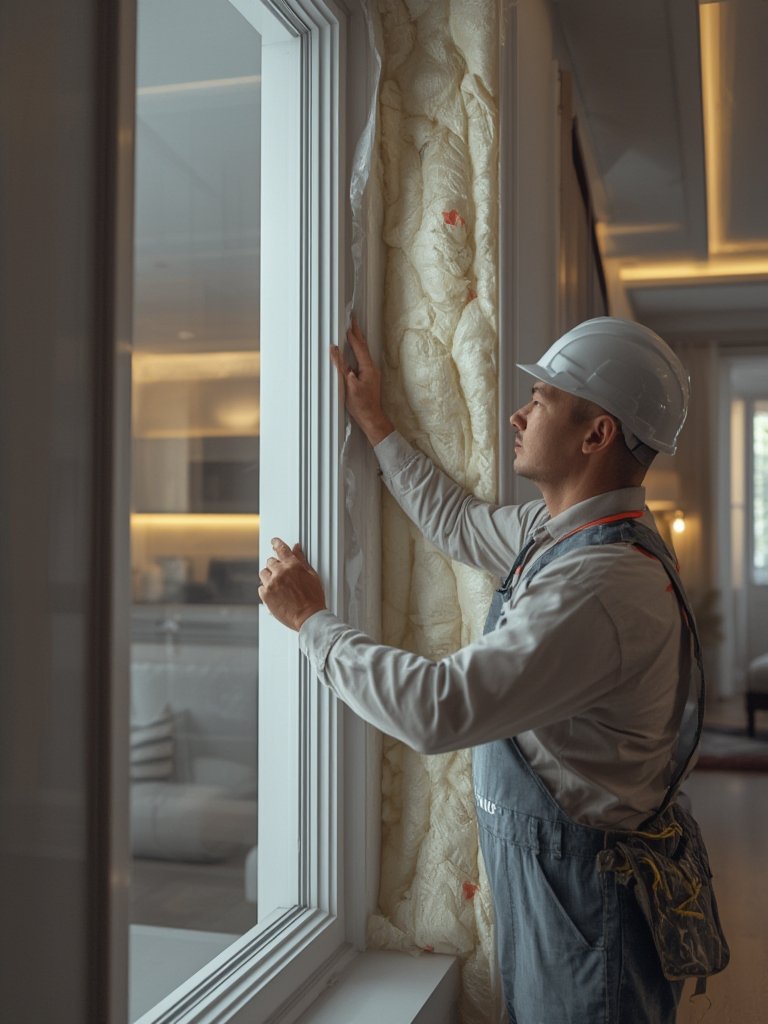
Energy efficiency upgrades are one of the fastest, most reliable ways to cut your utility bills and add value to your home—even in 2024’s volatile housing and energy markets.
Key Takeaways
- Energy efficiency upgrades, such as solar panels and high-performance insulation, deliver significant long-term savings and boost property value.
- Federal and state incentives make upgrades more affordable, but planning and choosing the right improvements is crucial.
- Homeowners should watch for common pitfalls, including unexpected upfront costs and unrealistic savings estimates.
- What Are Energy Efficiency Upgrades and Why Invest?
- Step-by-Step Guide to Planning Energy Efficiency Upgrades
- Advanced Analysis & Common Pitfalls
- Conclusion
- Frequently Asked Questions
What Are Energy Efficiency Upgrades and Why Invest?
Energy efficiency upgrades include any improvement or retrofit in your home that reduces wasted energy. Popular examples include adding attic insulation, installing ENERGY STAR appliances, replacing old windows, or adding solar panels. Today, builders also use advanced designs, like right-sized HVAC and smart thermostats, to cut waste and optimize comfort.

Investing in these upgrades is about more than comfort. On average, homes with a top-tier Home Energy Rating System (HERS) score save about $1,100 a year on energy compared to standard homes, according to a recent analysis. Solar panel installations now have an unprecedented return, both in reduced utility bills and increased home value—often boosting resale price by $15,000 to $20,000. Meanwhile, federal incentives and rebates slash upfront costs for families across the United States.
The bottom line: well-chosen energy efficiency upgrades can lower your cost of ownership, provide long-term peace of mind, and help you build equity even as energy prices go up. Explore how to make the smartest choices for your property in the detail below.
Want to see how energy upgrades benefit modern homes? Review this breakdown at HOMESTYLEDAILY.
Step-by-Step Guide to Planning Energy Efficiency Upgrades
Upgrading your home’s energy performance pays off, but success depends on how you plan and prioritize each step. Follow this process to achieve meaningful—and measurable—improvements:
- Start with an energy audit or Home Energy Score. Find weak spots in insulation, leaky windows, or inefficient equipment. Many states now offer rebates if you use a Home Energy Score, whether or not you have detailed utility data.
- Prioritize improvements by impact and cost. Focus on insulation, air sealing, and weatherization for immediate returns. For example, upgrading attic insulation can significantly reduce heating and cooling loss.
- Tackle mechanical upgrades next. Replacing an old gas furnace with a heat pump, or switching your boiler for a high-efficiency model, can offer long-term payback—especially if paired with smart thermostats.
- Consider solar panels and advanced automation. Thanks to the extended 30 percent tax credit through 2032, solar panel economics have never looked stronger (details).
- Use rebates, tax credits, and local incentives. Research what’s available in your area by checking this DOE resource or your state’s energy office. You might find rebates up to $8,800 thanks to the Inflation Reduction Act.
- Choose experienced contractors. Ask about their experience with energy efficiency and confirm they’re certified to install the upgrades you want.
- Track your bills and your home’s comfort levels. Follow up to make sure your upgrades are working, and keep all paperwork for future incentives or home appraisals.

Ready to dive deeper? Review practical strategies at HOMESTYLEDAILY’s tips for energy upgrades.
Advanced Analysis & Common Pitfalls
Even the best-planned energy efficiency project can go sideways. Here are common barriers to watch out for—plus how to sidestep them:
- Overestimating savings: Some manufacturers advertise aggressive savings that rarely match real-world results. Make sure your energy audit is based on your home’s real conditions—not idealized models.
- Underestimating costs: While incentives are generous, supply chain hiccups and labor shortages can still boost upfront prices, especially for HVAC, window, or solar upgrades.
- Installation quality matters: Badly installed insulation or solar panels will not deliver full value. Ask for evidence of contractor certifications (like BPI or NABCEP) and check recent work.
- Unreported maintenance: Some smart thermostats and advanced monitoring systems look easy but may need ongoing software updates or professional recalibration to keep saving energy.
- Missed paperwork: To claim tax credits and rebates, you often need contractor signoffs, itemized invoices, and before/after documentation.
Here’s a practical comparison of potential return and payback time for popular upgrades, based on 2024 U.S. market statistics:
| Upgrade | Avg. Upfront Cost (2024) | Annual Utility Savings | Typical ROI/Payback | Home Value Impact | Major Incentives Available |
|---|---|---|---|---|---|
| Attic Insulation | $1,500 – $3,000 | $300 – $500 | 4-8 years | Moderate | Local rebates, utility rebates |
| Smart Thermostat | $150 – $300 | $70 – $135 | 1-2 years | Minimal resale | Utility rebate |
| Window Replacement | $10,000 – $25,000 | $150 – $500 | 20+ years | High (aesthetics + comfort) | Some state/federal credits |
| Solar Panel System | $18,000 – $28,000 (before credits) | $1,100 – $1,400 | 9-14 years | $15,000 – $20,000 increase | 30% federal credit, state rebates |
| High-Efficiency HVAC | $6,500 – $12,000 | $300 – $800 | 6-13 years | Moderate | Federal and local rebates |
Some upgrades are neglected or misunderstood. For example, few homeowners realize a DIY attic insulation project might not qualify for rebates, or that poor HVAC sizing can erase expected efficiencies and even damage equipment over time.
Looking for more on tricky upgrades? Check out how to avoid common home energy mistakes.

To see a breakdown of national energy savings, ROI, and new program benefits, explore the 2024 Energy Efficiency ROI report or this utility efficiency investment analysis.
Conclusion
Despite some upfront costs and planning, energy efficiency upgrades remain one of the best investments for modern homeowners. With record federal incentives, double-digit ROI for solar, and proven long-term bill savings, the right upgrades can future-proof your property.
Ready to start saving—and improving your quality of life? Research the latest walkthroughs on energy efficiency upgrades, talk with local contractors, and put your questions into action!
Take the next step: Discover which energy efficiency upgrades are best for your home. Start by comparing your options, then apply for all available rebates and incentives.
Frequently Asked Questions
How much do energy efficiency upgrades typically cost?
The cost varies. Simple upgrades like smart thermostats may cost under $300, while major improvements such as solar panels or window replacements can run $10,000 to $25,000 before credits. Always check if rebates or credits apply to cut costs.
Do solar panels really increase home value?
Yes. Most 2024 market data shows solar panels can raise home value by $15,000 to $20,000—even before accounting for energy savings. This is verified by recent national studies and real estate analyses.
How long does it take for energy upgrades to pay for themselves?
Payback periods depend on the upgrade. Smart thermostats may pay off in 1–2 years. Solar panels usually have a payback in 9–14 years, while window replacements can take much longer. Bundling upgrades can often speed up ROI thanks to combined incentives.
Which upgrades qualify for the best rebates in 2024?
The main incentives include the 30 percent federal tax credit for solar panels, and up to $8,800 in state rebates for home energy improvements. Many regions also offer rebates for insulation, smart controls, or heat pumps. Always check local and federal resources.
What’s the biggest mistake homeowners make with energy upgrades?
Not getting a professional energy audit first. This leads to mis-prioritizing upgrades or missing out on key rebates. Always start with an expert assessment before you spend on improvements.