

Fluted glass cabinet design is surging in popularity, redefining both luxury and practicality for modern interiors. Whether you’re upgrading a kitchen or maximizing space in a city apartment, these distinctive ribbed glass cabinets balance style, privacy, and light in ways few materials achieve. Here’s exactly what you need to know before making the leap.
Key Takeaways
- Fluted glass cabinets blend privacy with natural light, masking clutter without losing brightness.
- They’re ideal for compact or urban homes, trending globally for both style and energy efficiency.
- Few real pain points reported, but careful selection and installation boost long-term durability.
- What Is a Fluted Glass Cabinet and Why Use One?
- Step-by-Step Guide to Selecting and Installing a Fluted Glass Cabinet
- Advanced Analysis & Common Pitfalls
- Conclusion
- FAQ
What Is a Fluted Glass Cabinet and Why Use One?
Fluted glass cabinets feature vertically ribbed, textured panels rather than flat or clear glass. The grooved surface breaks up reflections, offers privacy by diffusing sightlines, and allows ambient light to pass through. This makes them highly sought after in 2024 for kitchens, living rooms, and even commercial spaces.
Unlike clear glass cabinets that showcase every item, fluted glass softens the look of stored objects, reducing visual clutter without blocking light. This balance is why market reports show global demand rising sharply—especially among urban homeowners, architects, and luxury renovators seeking tactile minimalism and better energy performance. According to Grand View Research, the market could reach USD 7.32 billion by 2033, supported by growth in both Asia Pacific and North America.
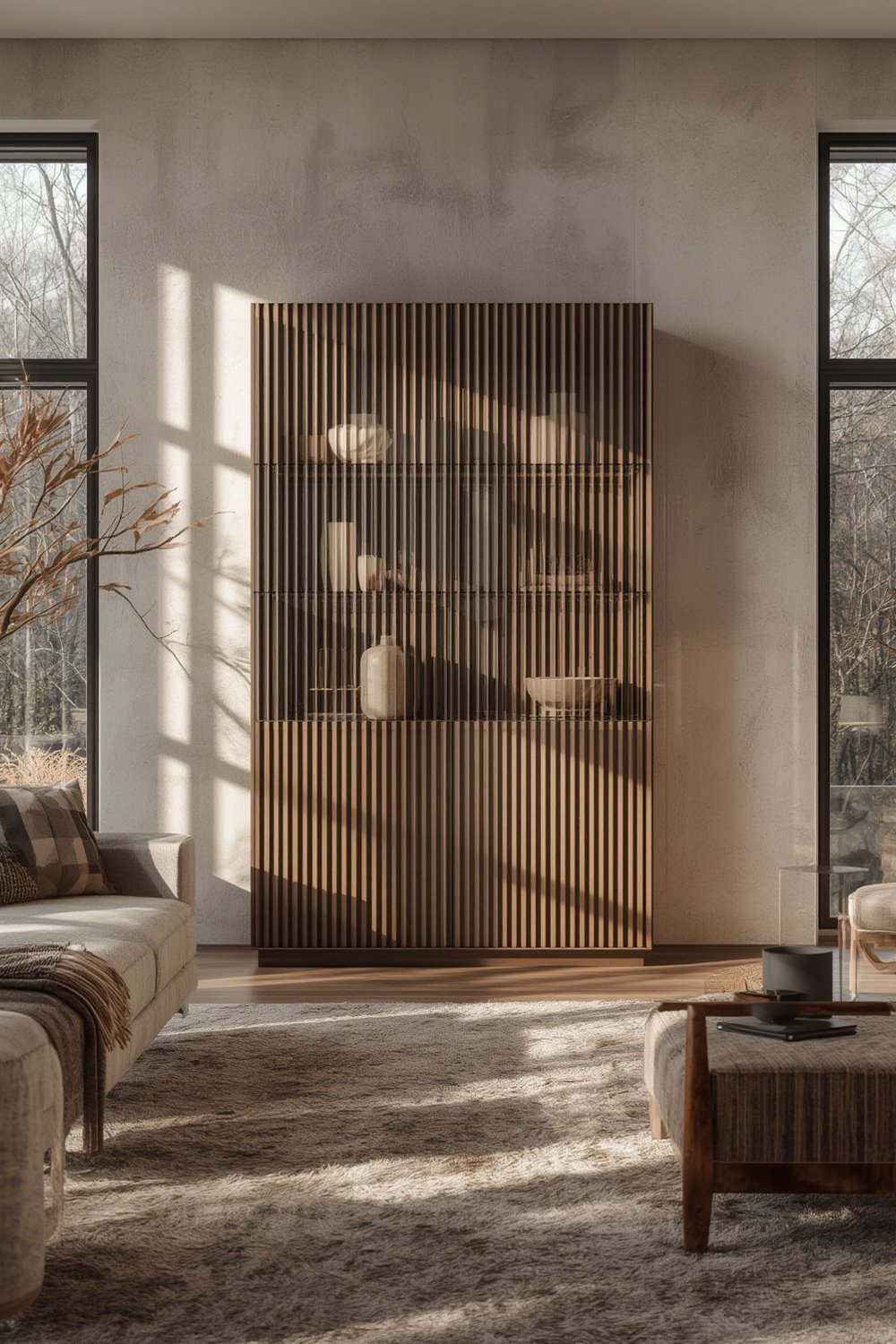
For small apartments, the impact is even greater. Fluted glass panels create openness where space is tight, letting light travel from room to room while keeping everyday messes from view. Whether used in sideboards, room partitions, or wardrobe doors, they offer a clever fix for cramped, dim layouts. Their rise in popularity is also tied to the demand for energy efficiency and sustainable materials, with some panels now produced using recycled glass and self-cleaning coatings.
If you want an aesthetic that’s current and functional, the fluted glass cabinet is a smart option—especially as brands like IKEA and bespoke luxury makers adapt their inventory for this trend. For anyone working on broader energy efficiency upgrades, fluted glass can play a surprising supporting role.
Step-by-Step Guide to Selecting and Installing a Fluted Glass Cabinet
-
Assess Your Space and Lighting Needs
Pinpoint where you’re losing space or light. In small kitchens, consider upper cabinets with fluted glass. For open-plan living, partitions with fluted panels maximize illumination and privacy.
-
Select the Right Glass Thickness and Pattern
Ask vendors about customizable thickness—thicker panels improve durability and can even enhance energy efficiency in sun-exposed rooms. The Double Roller Method, dominating 38% of production, enables robust, solar-compatible fluted glass.
-
Consider Advanced Coatings
Opt for tempered or laminated fluted glass with self-cleaning coatings or anti-fingerprint coatings. This lowers long-term maintenance, especially in busy commercial kitchens or high-traffic zones.
-
Check Regional Inventory
If you’re buying in the Asia Pacific or a major metro, stock and design choices can vary seasonally due to high demand and urbanization. Plan ahead to avoid delays or out-of-stock frustrations.
-
Professional vs. DIY Installation
Contact reputable cabinetmakers or local renovation pros. While swapping standard doors for fluted panels is common, true custom integration maximizes aesthetic and fit—especially if you’re after seamless transitions for storage, bar cabinets, or sideboards.
-
Pair with Practical Hardware
Opt for easy-to-clean handles—like those covered in guides for fridge door handle covers—to keep fingerprints and smudges in check.
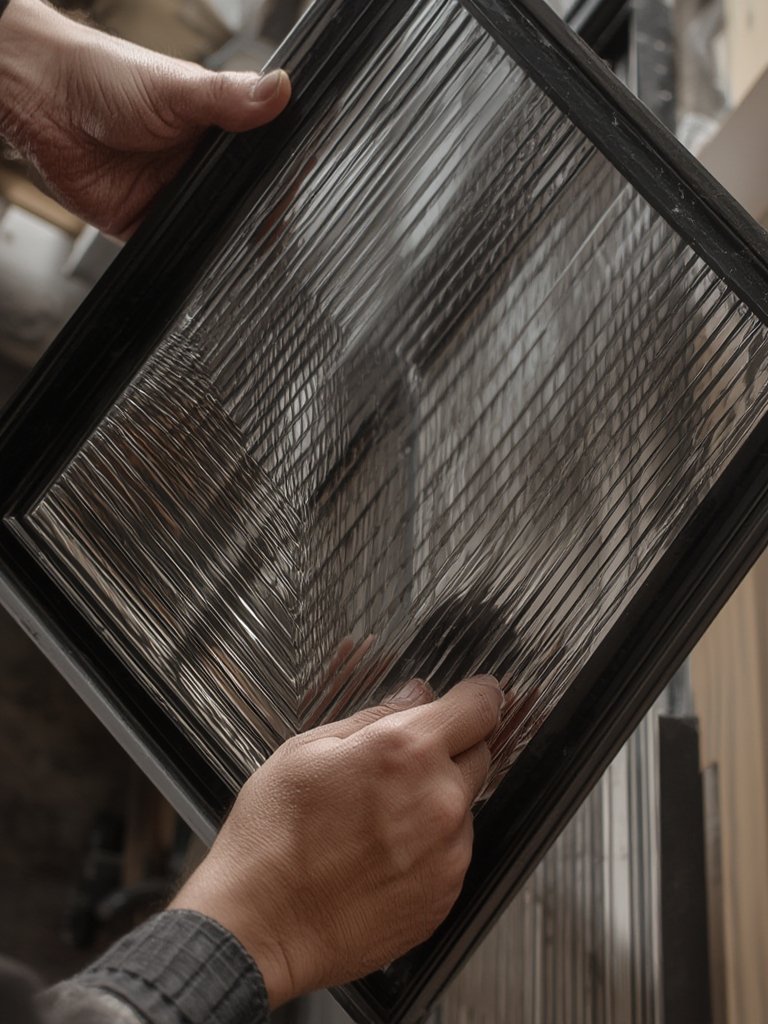
While many competitor guides overlook the importance of thickness and coatings, these factors are crucial for durability and function—especially for energy savings in sunlit areas or easy upkeep in family homes. For inspiration on similar space-saving trends, see our guide on the boneless couch, another urban favorite.
Advanced Analysis & Common Pitfalls
Most reports show broad satisfaction with fluted glass cabinets, but a few realistic issues deserve attention:
- Stock Availability: The rapid rise in demand—especially during design cycles (notably in summer)—can mean sold-out popular sizes or finishes. Planning installation in advance is smart, especially in fast-growing areas like the Asia Pacific or U.S. luxury real estate markets. (source)
- Installation Quality: Fluted glass panels require careful mounting to protect the ribbed surface. Amateur mistakes (improper sealing, loose fittings) can compromise durability or appearance.
- Cleaning Realities: While self-cleaning coatings help, fingerprints and kitchen grease still find their way onto glass. Grooves help hide dust but may need periodic detailing. (For extreme spill risks, also browse our guide on spillproof rugs.)
- Cost Variables: With no published price guides, expect variation—luxury brands, special patterns, and thick, tempered options cost more. Materials, hardware, and custom work can increase costs, but mass-market upgrades via IKEA or similar lines can offer affordable alternatives.
- Style vs. Utility: Fluted glass works best when chosen for specific goals: privacy, increased light, or aesthetic texture. Used in cluttered or under-lit spaces without intention, it may look disjointed rather than elegant.
| Feature | Fluted Glass Cabinet | Clear Glass Cabinet | Solid Cabinet |
|---|---|---|---|
| Light Transmission | High, softly diffused | Very high, direct | None |
| Privacy/Clutter Masking | Strong | Poor (fully visible) | Excellent |
| Space Optimization | Excellent for small spaces | Visually expands, but exposes mess | Can feel closed in |
| Maintenance | Easy, especially with modern coatings | Fingerprints/showcase dust | Low maintenance |
| Cost Range | Varies (luxury to budget IKEA) | Usually lower | Lowest (unless premium wood) |
Technical analysis finds little difference between “reeded” and “fluted” glass—both use similar manufacturing, typically with the Double Roller Method for those soft, vertical grooves that create the unique appearance (source).
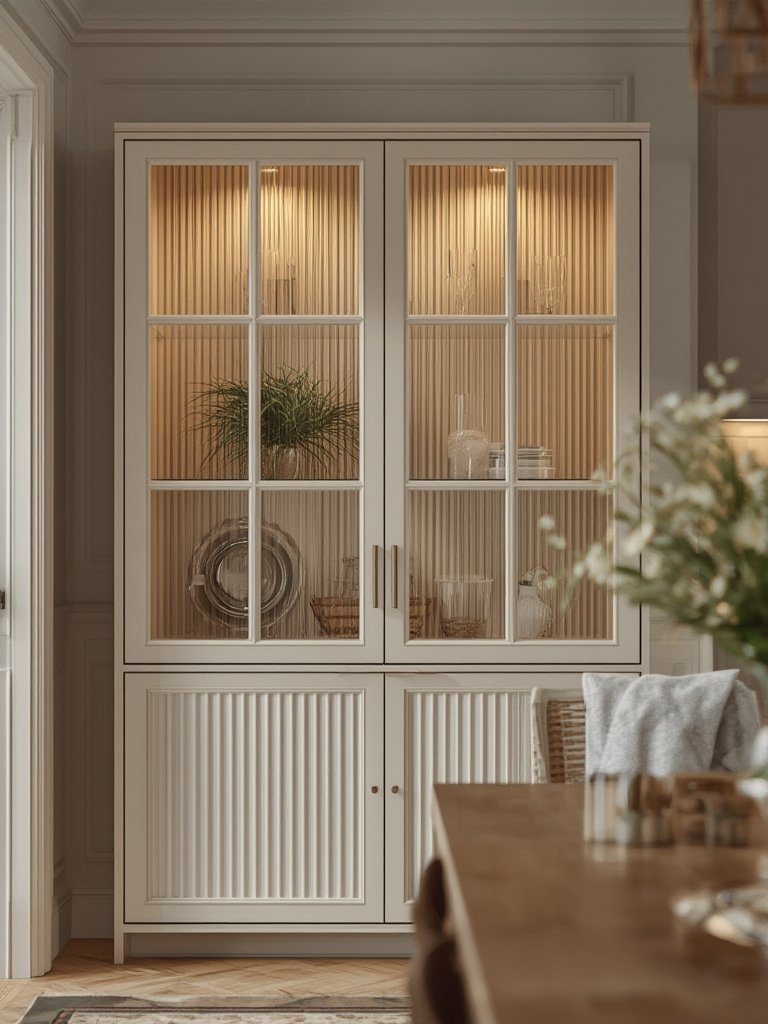
For more on transforming small urban spaces, see actionable ideas in our boucle bed frame guide—tactile finishes continue their growth across every room.
Installation questions? Quality craftsmanship matters. If you’re tackling other upgrades, such as crown molding installation, aim to coordinate design details for a seamless and high-end finish.
Conclusion
Fluted glass cabinets balance visual appeal, privacy, and natural light, making them one of the most versatile interior upgrades in 2024. Choose the right glass thickness, coatings, and installation method for your needs—especially in high-traffic or compact spaces. As demand grows among urban homeowners and designers seeking energy efficiency, expect more options and innovations ahead. Ready to elevate your home? Explore the possibilities with a fluted glass cabinet—your rooms will look and feel brighter, more open, and effortlessly modern. Start planning your upgrade today.
FAQ
What’s the difference between fluted and reeded glass cabinets?
Practically none for household use—both terms describe vertically ribbed, textured glass panels. Manufacturing, performance, and appearance are nearly identical.
Is a fluted glass cabinet easy to clean?
With new self-cleaning and anti-fingerprint coatings, maintenance is usually straightforward. Dust or streaks in grooves are less visible than on clear glass, but occasional wipedowns keep panels bright.
Do fluted glass cabinets work for small apartments?
Yes. They increase natural light while masking clutter—making rooms feel open but tidy. Vertical grooves add depth and help optimize tight spaces.
Why are prices so variable?
Costs range based on panel thickness, type (tempered/laminated), custom patterns, coatings, and brand (luxury vs. IKEA). Installation complexity also influences the final price.
Can I upgrade existing cabinets to fluted glass myself?
Direct step-by-step DIY guides are rare, but swapping standard cabinet doors for custom fluted glass panels is doable via a local glass shop—especially with popular furniture like IKEA’s.