

Foodscaping is quickly becoming the go-to method for turning ordinary yards into productive, beautiful spaces that provide healthy food for your family. Homeowners are blending edible plants with ornamentals to create landscapes that are both eye-catching and practical, all while saving on grocery bills and meeting concerns about food quality. Here is a step-by-step, realistic guide to help you succeed with foodscaping in any yard.
Key Takeaways
- Foodscaping transforms lawns and borders into productive edible gardens, merging aesthetics with food production.
- The trend is rising fast—over 71% of Americans plan to grow food at home in 2025, with a focus on saving money and increasing food security (source).
- Success depends on design strategy, plant selection, and tackling practical challenges like weeding and neighborhood rules.
- What Is Foodscaping and Why Should You Try It?
- Step-by-Step Guide: How to Start Foodscaping
- Advanced Analysis & Common Pitfalls in Foodscaping
- Conclusion: Should You Try Foodscaping?
- FAQ: Foodscaping Made Simple
What Is Foodscaping and Why Should You Try It?
Foodscaping is the integration of edible plants—such as fruits, vegetables, and herbs—into your residential landscape for both beauty and harvest. Unlike a traditional vegetable plot hidden in the backyard, foodscaping brings edibles to the forefront, weaving them alongside flowers, shrubs, and ornamental grasses for a unified design that serves more than just visual appeal.
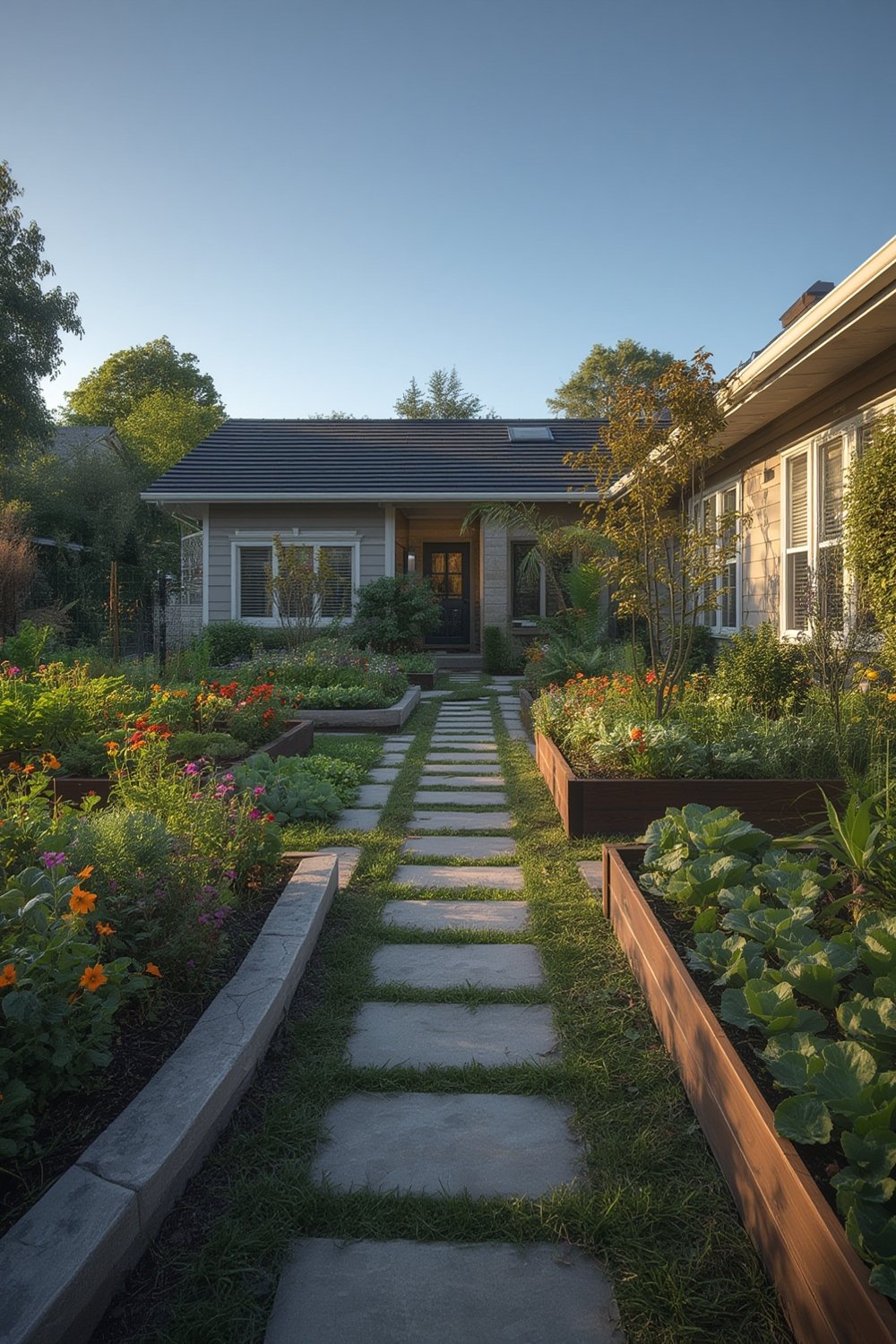
There has been a sharp uptick in foodscaping since 2020, driven by rising grocery prices, growing concerns about food safety, and the desire for more sustainable, pollinator-friendly landscapes. Gardening statistics show that 55% of American households (over 71 million) are gardening in 2024, with a striking 71% intending to grow their own food next year (source; source). Designers and homeowners are moving away from lawns and sterile plantings to embrace productive beauty—combining edimentals (edible ornamentals) like blueberries, garlic, or edible flowers in the front or back yard.
Foodscaping is a practical response to both modern food challenges and the need for more sustainable landscapes, similar in philosophy to clover lawn approaches that reduce water and input needs while supporting pollinators.
Step-by-Step Guide: How to Start Foodscaping
Ready to get started? Follow these actionable steps to create an edible landscape that is tailored to your location, taste preferences, and resources.
Step 1: Assess Your Site
Walk your property and identify sunny, well-drained spots. Most fruiting vegetables and herbs need at least 6 hours of direct sun. Consider microclimates, foot traffic patterns, watering access, and visibility.
Step 2: Start Small With Edges and Containers
Begin by converting the edge of existing beds, walkways, or driveways. Leafy greens and herbs thrive here and are easy to maintain and harvest. Containers can also be staged at entries and patios for immediate productivity and style.
Step 3: Select High-Impact Edibles (Edimentals)
Favor edimentals: plants that are both attractive and edible. Top choices include garlic, lettuce, basil, arugula, chives, blueberries, and dwarf fruit trees. These provide steady harvests with strong visual appeal. Expert designers note that blueberries often outperform boxwoods as four-season “shrubbery.” (source)
Step 4: Design for Layers and Look
Interplant taller crops (like tomatoes or fruit trees) with shorter annuals, flowers, or groundcovers. Alternate textures, leaf shapes, and colors (such as red lettuce or purple basil) for maximum beauty. This style echoes planting design principles from gravel garden ideas—blending utility, color, and low maintenance.
Step 5: Use the Right Infrastructure
If building new beds, raised beds work well. Average home gardens are now 350 square feet, and raised beds remain the most popular format (47% of modern gardens), followed by in-ground and containers (source).
Fruit trees and shrubs should be sited where they have room to mature and where they won’t shade key annual beds. Seek out compact or dwarf varieties for tight spaces and front yard borders.
Step 6: Mulch, Water, and Maintain
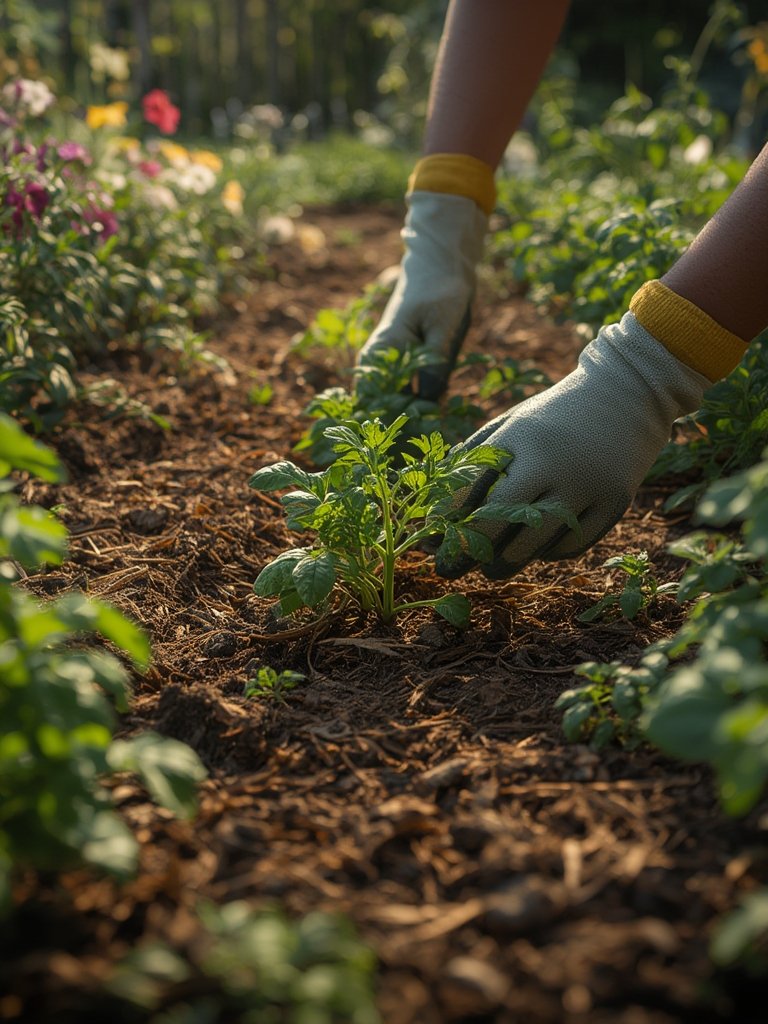
Mulching new beds and established plantings reduces weeding (the most-hated gardening chore), keeps moisture even, and boosts root health. Favor compost and natural mulch over chemical fertilizers. Edibles need regular water, especially while establishing; drip systems or soaker hoses work best.
Growing organically supports pollinators and reduces pests by boosting garden biodiversity—see the strategy used in foodscaping to tap into methods that require no more maintenance than purely ornamental beds (source).
Step 7: Monitor and Adjust
After your first season, review which plants thrived and looked great versus any that flopped. Keep experimenting! Try new crops or swap in plants that are both edible and ornamental. If production is your main goal, start adding vertical gardening systems—see our vertical gardening systems guide for maximized yields in small spaces.
Advanced Analysis & Common Pitfalls in Foodscaping
While foodscaping looks effortless in photos, real-world results often come with challenges. Understanding these before you start—and learning from other gardeners—puts you ahead of the curve.
Common Pitfalls
- Weed Management Fatigue: Edibles often leave more open soil than dense ornamentals, so weeding can quickly become a sore point. Mulch and thick groundcovers help, but vigilance is needed—many cite weeding as their top gardening complaint (source).
- Pest Pressure: Mixed plantings can reduce pest outbreaks, but some crops attract more bugs than shrubs or flowers. Growing a wider variety creates resilience but requires monitoring for problems that ornamental-only beds rarely face. Integrated pest management and biodiversity are your best defense—see tips in our comprehensive pest control guide for safe, modern methods.
- Space Planning Errors: Overplanting, poor spacing, or using large fruit trees in small yards can shade out other plants and disrupt visual balance. Measure mature plant sizes before installing perennials or trees.
- Neighborhood and HOA Rules: Some areas restrict “vegetable gardens” in front yards or limit tree types. Work around this by choosing edimentals that resemble ornamentals and avoid tall cages or obvious crops at the curb.
| Common Problem | Foodscaping Solution | Traditional Garden Reality |
|---|---|---|
| Weeds Take Over | Thick organic mulch, tight planting schemes, and border edges with groundcovers | Constant weeding required; bare soil common |
| Fruit Trees Outgrow Space | Choose dwarf or columnar fruit varieties and prune annually | Trees often planted without spacing plan; shading issues arise |
| HOA or Neighbor Objections | Use edimentals that mimic ornamentals; avoid unsightly supports front of house | Vegetable patches sometimes forced out of sight or removed |
| Boring Appearance | Mix edible flowers and colored leaf crops for visual appeal | Traditional veggie beds seen as utilitarian, not beautiful |
| Upkeep Overwhelm | Start with edges; automate watering (energy efficiency upgrades can include smart irrigation controllers) | Hand watering or high-maintenance turf dominates labor |
Cost Realities
Creating a basic foodscape is affordable, but costs add up with infrastructure and larger trees. The average investment is $750 for 350 square feet, not including premium fruit trees or edible shrubs (source). Dwarf fruit trees can cost $50-$100 each, raised beds $50-$300 apiece, and perennial edibles from $5 to $25 per plant. Plan for ongoing inputs like mulch, compost, and organic pest control. For budget-friendly low-maintenance solutions, see our guides for easy-clean home textiles and robotic lawn mowers—which, while not edible, keep the rest of your landscape simple and showcase your new food beds.
Conclusion: Should You Try Foodscaping?
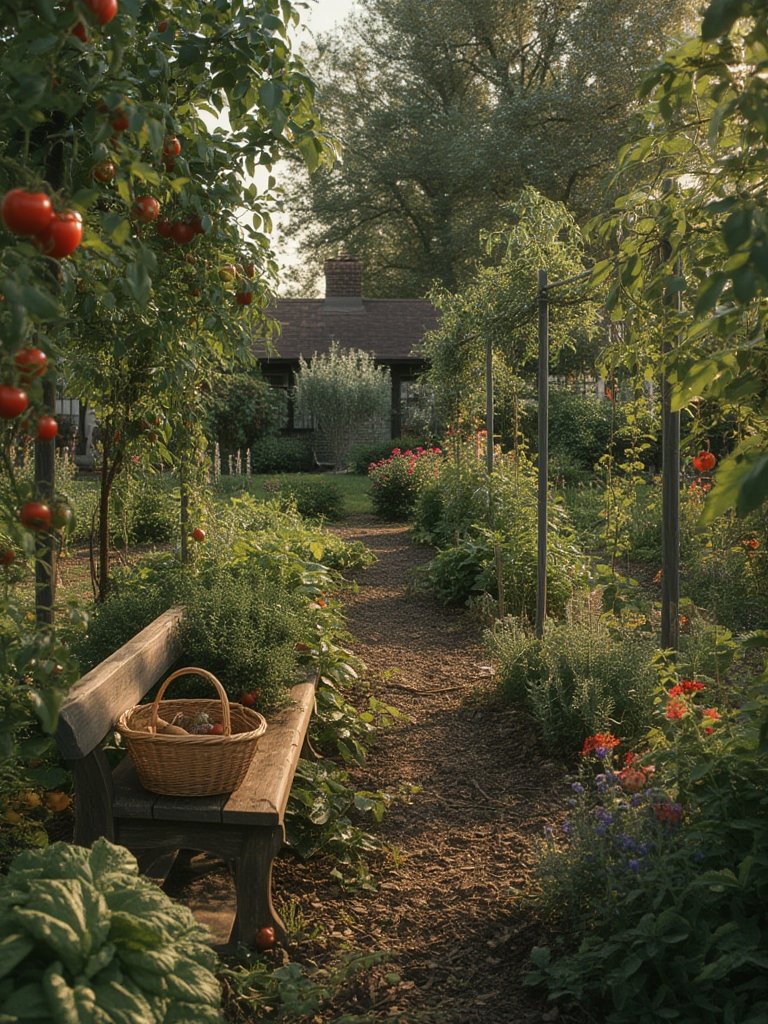
Foodscaping is one of the most practical ways to increase home value, enhance beauty, and cut grocery costs—all by bringing edibles out into full view. The trend is growing, supported by millions of gardeners, designers, and families seeking healthier, more sustainable yards. With a smart plan, attractive plant selection, and steady maintenance, foodscaping can give back year after year. Start small, learn from challenges, and enjoy both the process and the harvest. For modern landscapes that do more, foodscaping is a future-proof approach every homeowner should consider.
Ready to start your foodscaping journey? Choose your favorite edge crop or berry bush and plant this weekend—then explore our no till gardening guide or vertical gardening tips for next-level yields.
FAQ: Foodscaping Made Simple
Is foodscaping only for large yards?
No. Foodscaping works for any property size—from small patios or containers to large suburban lots. Border plantings, vertical systems, and container gardens make foodscaping very flexible.
Can I foodscape in an HOA or neighborhood with rules?
Yes, if you focus on edible plants that look ornamental, such as blueberries, dwarf fruit trees, or edible flowers. Avoid obvious vegetable supports up front, and check your neighborhood covenants before planting.
What plants give the best mix of beauty and harvest?
Edimentals such as garlic, basil, lettuces, chives, and blueberries offer color, texture, and food. Tomatoes and peppers add season-long production but look best when staked neatly or interplanted with flowers.
How much maintenance does foodscaping require?
Foodscaping is not no-maintenance, but when planted densely and mulched, it requires only moderate effort. Weeding, watering, seasonal pest checks, and occasional pruning are the main jobs.
What’s the easiest entry point for first-timers?
Edge planting: try herbs or compact greens along existing bed borders for fast rewards and easy harvesting.