

Homesteading for beginners is not simply a hobby—it’s the decision to overhaul how you produce food, use resources, and manage your land for greater self-reliance. Whether you’re in the suburbs, countryside, or a city backyard, the path seems simple—until it isn’t. Here’s what you must know before you start, including startup costs, common pitfalls, and hard-won strategies to avoid costly mistakes.
Key Takeaways
- Starting a homestead requires more upfront investment and planning than most beginner guides claim.
- Most real-world failures happen because of underestimated costs, missing infrastructure, and going “too big” too soon.
- Self-sufficiency is possible, but only with discipline, strategic investment, and a realistic understanding of ongoing costs.
- Understanding Homesteading for Beginners
- How to Start Homesteading: Step-by-Step for Beginners
- Reality Check: Pitfalls, Costs & What Most Guides Miss
- Conclusion
- FAQ
Understanding Homesteading for Beginners
Homesteading for beginners means using your property—no matter the size—to grow your own food, care for small livestock, and minimize dependence on grocery stores and utility companies. The goal is not only to save money but to build skills, resilience, and a lifestyle that’s less fragile in tough times. Unlike popular “off-grid” fantasies, modern homesteading includes everything from urban raised beds and chickens to rural acreage with orchards, gardens, and small livestock operations.
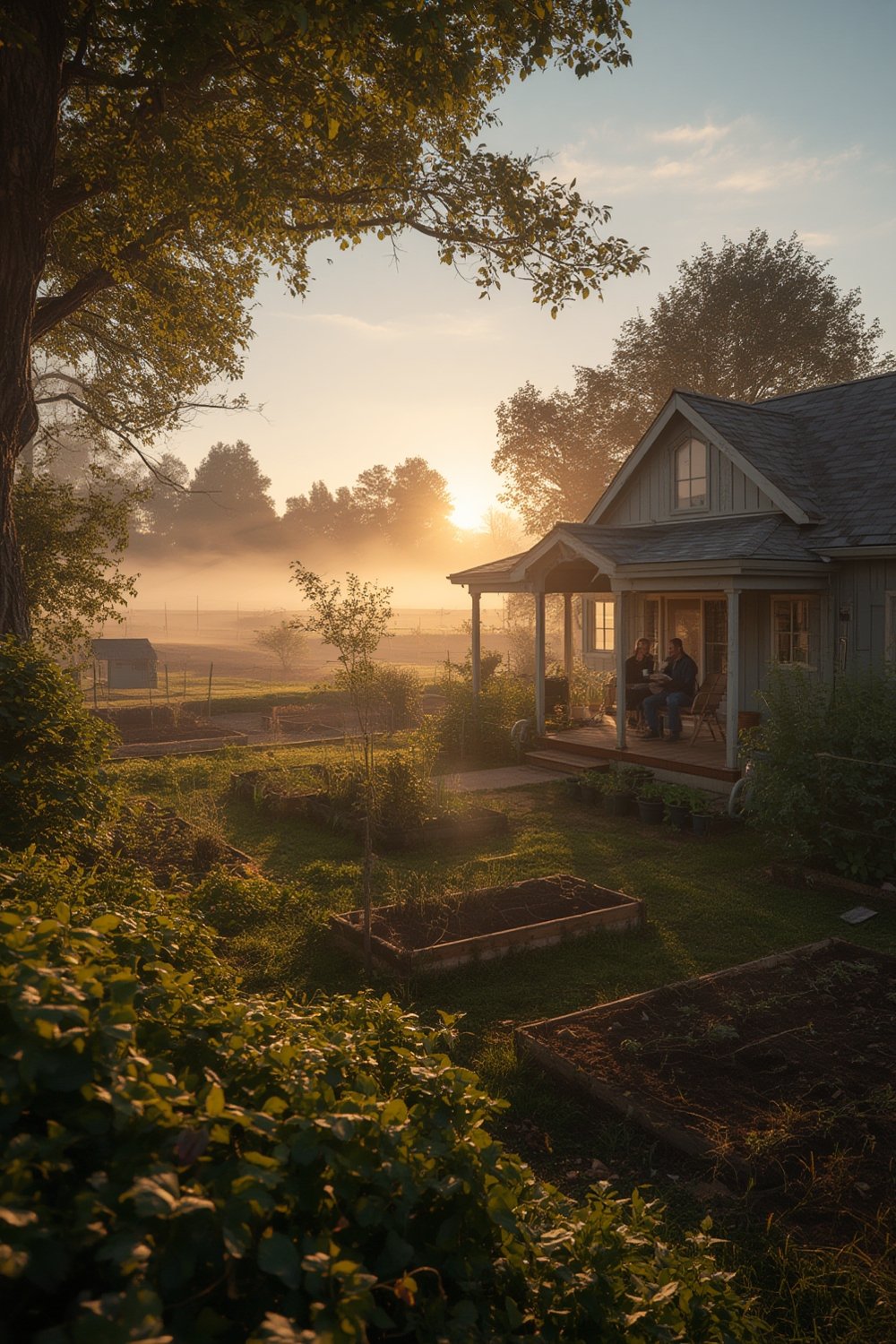
The big benefit: control over what you eat, reduction in waste, and increased emergency resilience. However, the challenges start with costs, time, and authorities that may restrict what you can do with your land—even your own backyard.
How to Start Homesteading: Step-by-Step for Beginners
- Assess Your Property & Local Laws
Before you dig or build, survey your land at different times of day. Note drainage, sun, water access, and zoning restrictions on farming or animals. If you’re urban, check if backyard chickens or bees are allowed. If rural, prepare for permits—especially septic, well, and driveway. Skipping this step can mean expensive mistakes.
Source - Decide What to Tackle First—Never Everything at Once
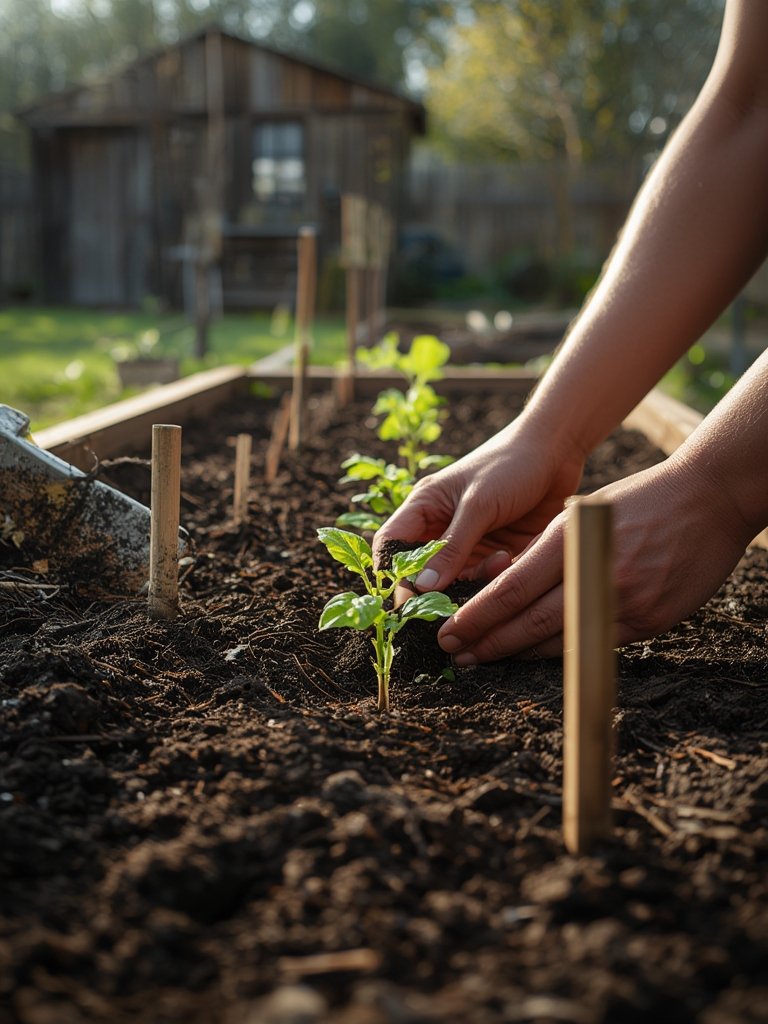
Start small: trial garden beds, 4-6 chickens, a few berry bushes, or a single fruit tree. Trying to set up an entire “mini-farm” in your first year is the fastest way to be overwhelmed. - Budget Realistically: Upfront and Ongoing Costs
For urban or small backyard: expect $8,000–$12,000 in first-year investment for equipment and to cover household operating expenses while your homestead ramps up. For rural acreage or upgrades, the real cost is often $30,000–$70,000+.
Details here - Invest in Core Infrastructure—Water, Utilities, Storage
Do not skip: basic site prep, water line/trench, storage shed, and—if growing to sell—post-harvest storage (e.g., a walk-in cooler with CoolBot). These enable every other success. - Track Everything (Expenses, Inputs, Results)
Every cost, harvest, and setback must be logged. Successful homesteaders know exactly how much every tomato or egg cost them, so they know where to cut or expand next season.
Proof: Real first-year budgets - Preserve & Store the Harvest
Aim to preserve at least 250–300 jars per year from the garden to “see you through” winter, using canning, root cellars, or freezers. - Plan Your Growth Slowly
Expand only once the initial system works, is financially manageable, and you have the time buffer for new projects.
- Need a low-effort way to boost indoor yields for year-round greens? Try full spectrum grow lights.
- Reduce garden labor and increase soil health with no till gardening methods.
- Integrate fruit trees and food-producing beds into your landscape for a subtle, HOA-friendly approach—see tips in our foodscaping design guide.
- Want a manageable starting point for renters or very small properties? Check out these micro gardening ideas.
Reality Check: Pitfalls, Costs & What Most Guides Miss
Homesteading is often romanticized, but the real challenge is financial survival in the first year. Here’s what mainstream advice gets wrong—and where most beginners run into trouble.
| Aspect | Optimistic Belief | Reality (Sourced Examples) |
|---|---|---|
| Startup Costs | “You can start for under $1,000 with scrap wood and free seeds.” | $8,000–$12,000 for a basic backyard setup, including equipment and expense buffer. Rural operations may need $30,000–$70,000+ for land, septic, and utilities. See detailed breakdown. |
| Time Commitment | “Homesteading is a relaxing lifestyle; pick your own pace.” | It’s a second (full-time) job the first year for most, especially if tracking expenses, managing animals, and preserving food for winter. |
| Profitability | “With the right crops, you’ll live off the land and sell the extra for profit.” | Even top urban farmers (see Curtis Stone) didn’t break even until after 90 days, and only with high-efficiency tools and $7,000 in living buffer. The majority drain savings their first year. |
| Regulatory Hurdles | “You can keep animals or plant anywhere you want.” | Most municipalities restrict chickens, livestock, or home food sales. Septic and site permits (e.g., $860 for septic) can stall your entire build. |
| Pest Management | “You can manage pests by hand or with homemade repellents.” | Yields are lost every year to pests, critters, and weather, even for pros. For persistent pests, consider reviewing rat elimination methods and quick mosquito reduction tactics. |
| Scaling Up | “Expand as you wish, the more the better.” | Start small and scale only after one system works. Overexpansion is the number one reason for burnout and financial stress. |
- Do not buy equipment piecemeal. Plan for a tiller or broadfork, broadfork, basic hand tools and a walk-in cooler (if you plan to sell) from the jump. This upfront investment often pays for itself within a single season.
- Site infrastructure (water, utilities, fencing) is not negotiable. If you are off-grid, costs can triple for power and water access in year one.
- Always keep $4,000–$6,000 in cash reserves for operating expenses—this is as important as equipment.
“Free” land is rarely free: budget at least $0–$5,000 per year for land clearing, sod removal, compost, water lines, and fencing. Be wary of properties that need substantial site prep.
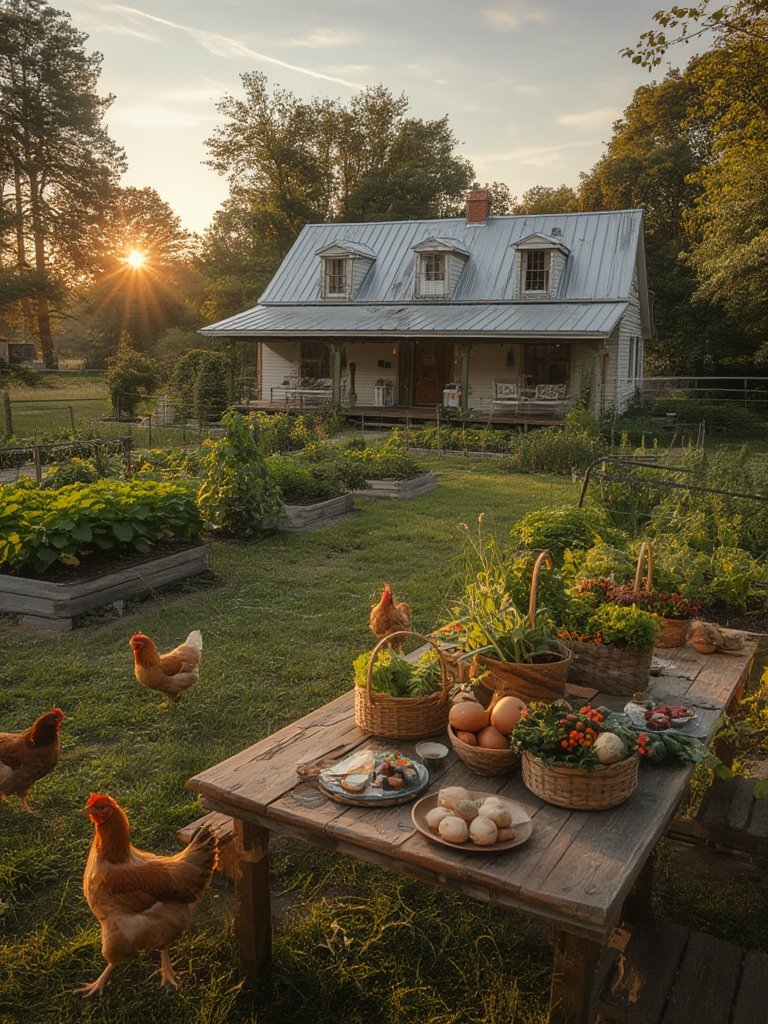
Finally, beware of guides that present “starting with chickens” or “planting trees” as their first step. The correct order is always: water/utilities, equipment, garden/field prep, then animals—never the reverse.
Conclusion
Homesteading for beginners promises freedom and food security, but only if approached with discipline and realism. Start small, budget for real-world costs, invest in infrastructure, and never underestimate your time and cash buffer. Track every input, avoid common pitfalls, and your homestead can move from money drain to self-sufficiency over time. Take what you’ve learned here—then act. Your first harvest, batch of eggs, or jar of pickles will taste better than anything you’ve ever bought.
Ready to reclaim your food, security, and independence? Start planning your own journey into homesteading for beginners today.
FAQ
How much land do I need to start homesteading as a beginner?
You can start with as little as a backyard (1/10 acre) for gardening and chickens. Larger projects with livestock or orchards need one acre or more. Even micro-gardening works in small spaces. Prioritize access to water and sunlight over raw acreage.
Is homesteading actually cheaper than buying groceries?
Not at first. Expect to invest $8,000–$12,000 in year one for a modest backyard setup. Over several years, if you preserve food and produce your own eggs or meat, costs will even out and can save money—especially in times of inflation.
What’s the most common mistake for beginner homesteaders?
Trying to do too much at once. Many start too big, buying more animals and planting more than they can handle. Start small, track your results, and expand only when each system runs smoothly.
What equipment is non-negotiable for starting homesteading?
Essential tools include a tiller or broadfork, wheel hoe, basic hand tools, and irrigation supplies. If you want to preserve food for sale or storage, a walk-in cooler is vital. For urban setups, consider grow lights. For pest-prone areas, set up fencing and pest traps immediately.
How can I homestead if I live in a city or have limited outdoor space?
Embrace container gardens, vertical gardening systems, or indoor growing with full spectrum grow lights. Chickens and bees are sometimes allowed, but always check local laws. See vertical gardening tips and micro gardening strategies to maximize small spaces.