

Ice melt salt spreader technology has evolved rapidly, delivering safer, more efficient, and eco-friendly de-icing for driveways and sidewalks. Yet, many homeowners still struggle with residue, plant damage, and pet safety. Here’s what you need to know—and what most guides skip—about picking, using, and maintaining the best ice melt salt spreader for reliable winter traction.
Key Takeaways
- Walk-behind ice melt salt spreaders offer greater control and efficiency, with GPS-smart tech now cutting waste by up to 10%.
- Maintenance, eco-friendly product choice, and correct application are critical to prevent damage to pets, plants, and concrete.
- Upgrading to corrosion-resistant, modular spreaders reduces long-term costs and ensures reliable service throughout winter.
- What is an Ice Melt Salt Spreader and Why Use One?
- How to Use an Ice Melt Salt Spreader: Step-by-Step
- Advanced Analysis & Common Pitfalls
- Conclusion
- Frequently Asked Questions
What is an Ice Melt Salt Spreader and Why Use One?
An ice melt salt spreader evenly distributes de-icer materials—like rock salt, calcium chloride, or eco-friendly blends—across driveways and sidewalks to prevent slip hazards during winter. These spreaders range from simple handheld units to advanced walk-behind and vehicle-mounted models with GPS-guided precision.
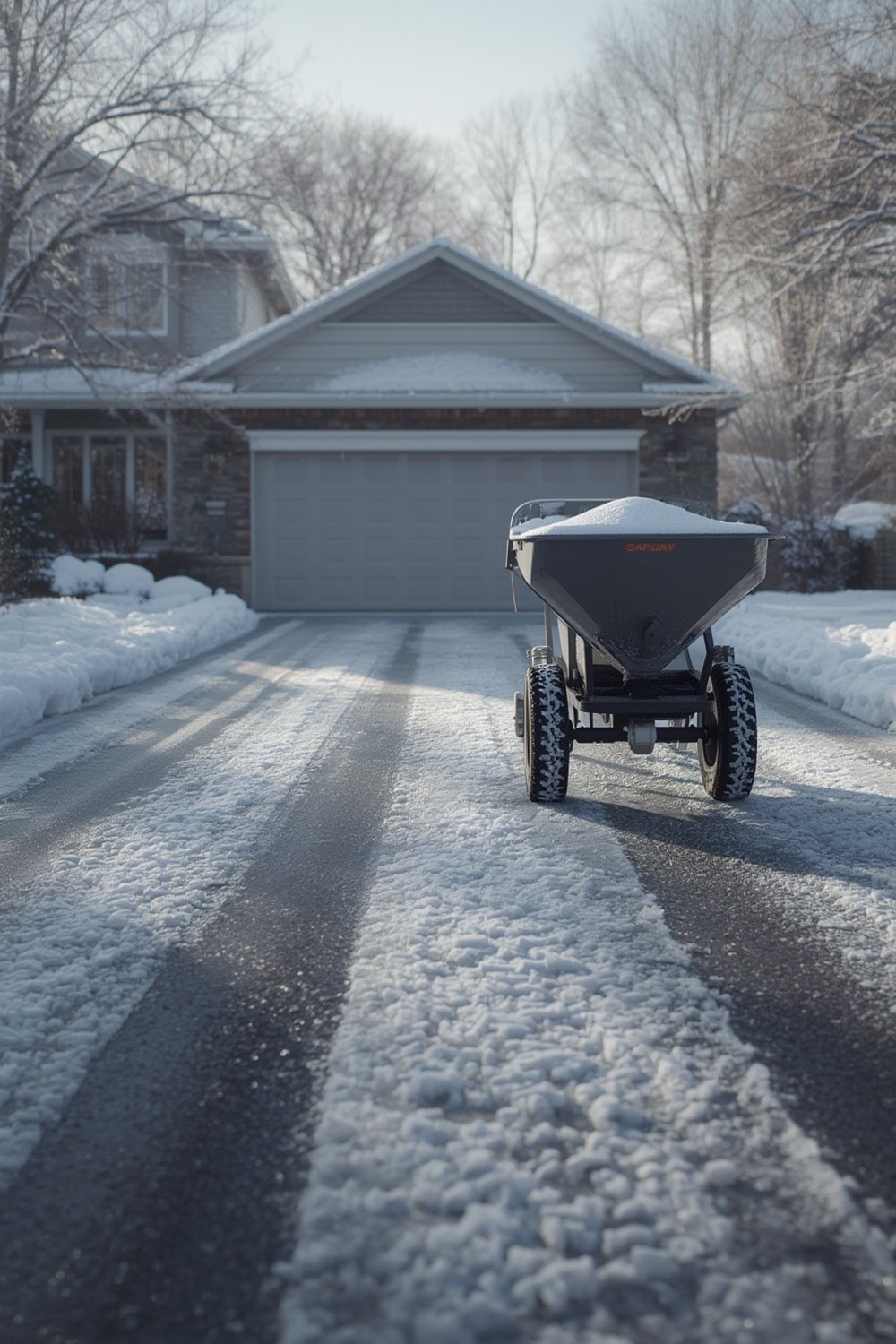
The global market for ice melt salt spreaders saw a value of USD 1.28 billion in 2024 and is growing steadily, sparked by rising safety requirements and tougher environmental regulations (source). For homeowners, modern walk-behind models sold in the US—over 60 million units annually—offer adjustable spread patterns and are often usable for other lawn care tasks outside winter.
Compared to hand application, spreaders improve efficiency, prevent waste, and help meet new chloride runoff rules now being enforced in many regions. With new tech like GPS-smart controls, the risk of over-application and costly runoff fines is dropping.
How to Use an Ice Melt Salt Spreader: Step-by-Step
- Choose the right spreader type. For most homes, a walk-behind spreader with adjustable flow is best. Look for corrosion-resistant parts and larger wheels for snow.
- Pick an ice melt product that matches your needs. Calcium chloride works fast in extreme cold, but can irritate pets and damage vegetation. Urea and magnesium chloride are safer for pets and plants, but less effective in below-freezing temps (source).
- Read all manufacturer and safety guidelines for both spreader and ice melt before starting.
- Clear snow before spreading. Ice melt works best on thin layers, not deep snow. Use a snow blower or shovel for thick accumulation. (See: modern snow blower guide)
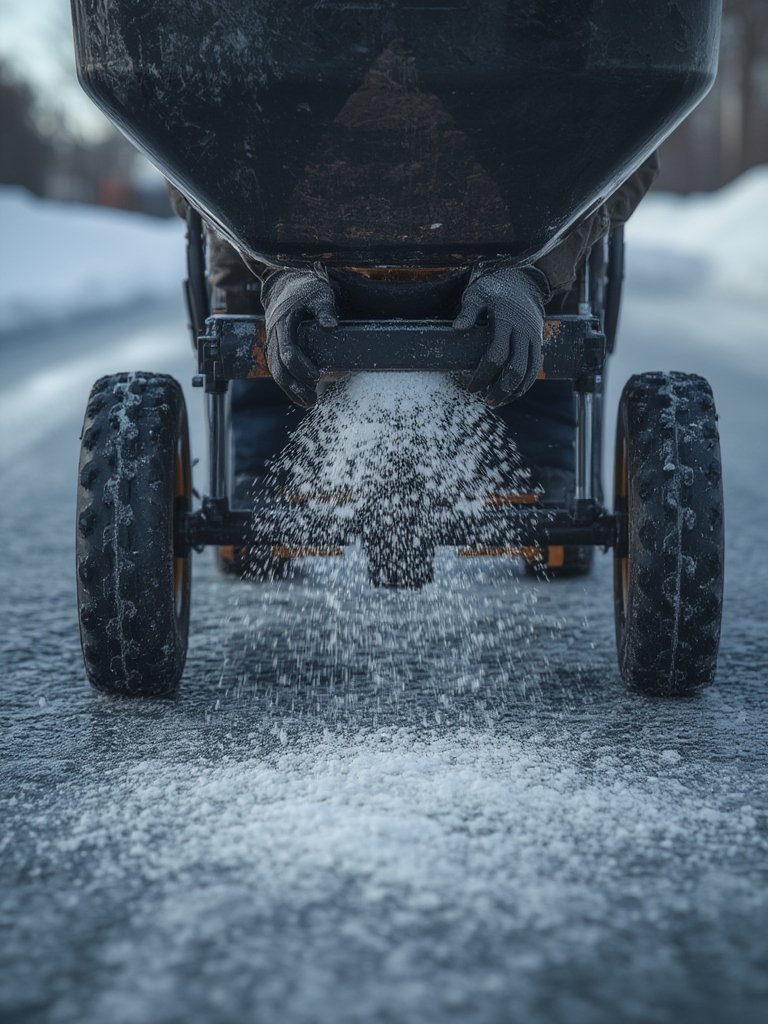
- Fill the hopper outdoors. Wear gloves—many de-icers can irritate skin.
- Set your spreader’s flow rate. Start on the lowest effective setting to avoid excess product on vegetation and hardscape.
- Walk at a steady pace. Overlap slightly on each pass to ensure even coverage, but don’t double back on areas already treated.
- Store any unused de-icer in a dry, sealed container away from pets and children.
- Rinse spreader thoroughly after use. Salt residue corrodes metal parts—see maintenance tips below to keep your spreader season-ready.
For efficiency tips elsewhere in your home (like insulation or smart night lights), check out upgrades for energy efficiency and the smart night light buying guide.
Advanced Analysis & Common Pitfalls
Despite new features, several overlooked factors can compromise de-icing efforts:
- Ignoring spreader maintenance: Salt and chemicals corrode metal parts. Without regular cleaning, even stainless steel units wear out. Disassemble after each season; rinse thoroughly, dry, and lubricate moving parts before storage.
- Wrong product for the conditions: Pet-safe (urea-based) melts are safest but barely work under 25°F. Calcium chloride works well in deep freeze but can scorch lawns and irritate pets (source).
- Over-application: Heavy-handed spreading not only wastes money but increases risk of concrete scaling, runoff fines, and damage to adjacent gardens. GPS-enabled spreaders can prevent this and lower salt use by 10% (source).
- Underestimating regulations: Many communities limit chloride application (max 250 mg/L runoff in the US), making old habits potentially illegal.
- Choosing the wrong spreader for the job: Manual or small broadcast models are fine for steps and patios, but too slow for large driveways. Modular, walk-behind spreaders speed up the process and can be quickly adapted for different materials, much like the flexibility found in machine washable rugs or non-slip bath mats.
Material Comparison Table:
| Product | Melting Speed | Temperature Effectiveness | Concrete/Vegetation Impact |
|---|---|---|---|
| Calcium Chloride | Fast | -25°F (-32°C) | High (irritation, potential damage) |
| Pet-Safe (Urea) | Slow | >25°F (-4°C) | Low (fertilizer-like) |
| Rock Salt (NaCl) | Moderate | 20°F (-6°C) | Moderate-High (runoff restrictions) |
For driveways and sidewalks exposed to regular salt use, consider a resilient siding installation or even a washable non-slip rug for inside entry areas to minimize outside residue.
Cost and Tech Pitfalls (2024 Take):
Many skip annual calibration or select non-weather-resistant models, leading to premature wear and wasted material. Electric and modular designs offer zero emissions and multi-season use but, though efficient, can demand upfront investment. Yet, for commercial applications, these are often offset by longer lifespan and lower per-use cost (source).
Conclusion
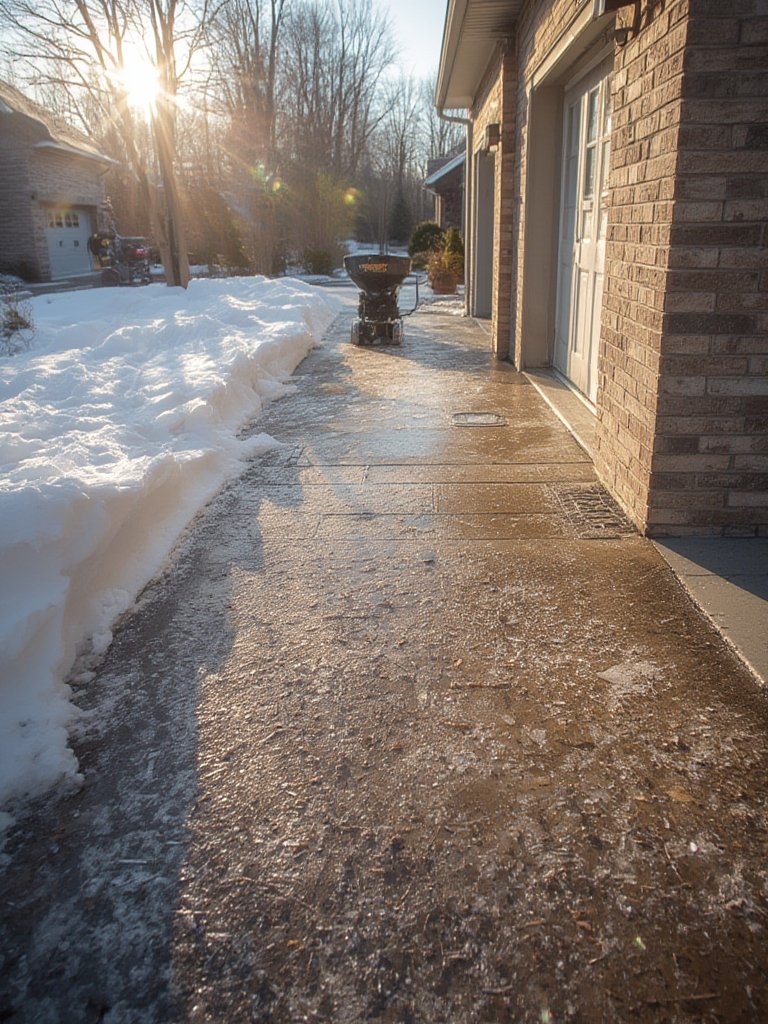
Choosing and maintaining the right ice melt salt spreader pays off in safer, cleaner, and more environmentally responsible winter maintenance. New models—especially walk-behind spreaders with GPS—cut costs, reduce environmental harm, and last longer when cared for. Always select an ice melt suitable for your pets and regional regulations, calibrate your spreader, clean after use, and store in a dry place. For further home upgrades, explore fence installation cost-cutting and other bathroom remodeling company tips.
Stay ahead of the winter freeze—review your equipment, optimize your ice melt salt spreader setup, and protect your home and family today.
Frequently Asked Questions
Are ice melt salt spreaders safe for pets?
Spreader safety depends on the ice melt product used. Urea and magnesium chloride are considered safer for pets than calcium or potassium chloride. Always check labeling and keep pets away from freshly treated areas until surfaces are dry or swept clean.
Can I use my ice melt salt spreader for fertilizer or other products?
Many walk-behind spreaders are designed for multi-season use, so you can spread fertilizer or even granular lime in spring and summer. Be sure to thoroughly clean the hopper and moving parts between uses to prevent cross-contamination.
How do I keep my spreader from rusting?
Immediately after each use, rinse the spreader with warm water to remove residual salt or chemicals. Dry fully and apply a light lubricant to moving parts. Store indoors or cover tightly to keep out humidity.
What is the most eco-friendly ice melt option for residential driveways?
Magnesium chloride and urea-based melts offer lower environmental hazards. They are less likely to harm plants or pets, but they work best in moderate cold and may be less effective than calcium chloride during severe freezes.
Is it worth upgrading to a smart or GPS-enabled salt spreader?
If you have a large driveway or manage multiple properties, the efficiency gains from GPS or smart spreaders can pay off quickly by reducing salt usage and ensuring a more even, legal application pattern.