

Insulated tumbler sales are booming as more people look for portable drinkware that actually keeps hot coffee warm and iced drinks cold for hours. But not all tumblers are created equal—some leak, lose temperature fast, or require tricky cleaning. Here’s what you should really know before buying your next insulated tumbler.
Key Takeaways
- Stainless steel insulated tumblers dominate sales due to superior temperature retention, durability, and eco-friendliness (source).
- Top models keep drinks cold for up to 24 hours and hot for over 6 hours, but actual user experience may vary.
- Easy cleaning, leakproof lids, and BPA-free materials set the best insulated tumblers apart—but not all deliver on every promise.
- What is an Insulated Tumbler? (The Core Concept)
- How to Choose and Use an Insulated Tumbler (Step-by-Step Guide)
- Advanced Analysis & Common Pitfalls
- Conclusion: Picking the Best Insulated Tumbler
- FAQ: Insulated Tumbler Questions Answered
What is an Insulated Tumbler? (The Core Concept)
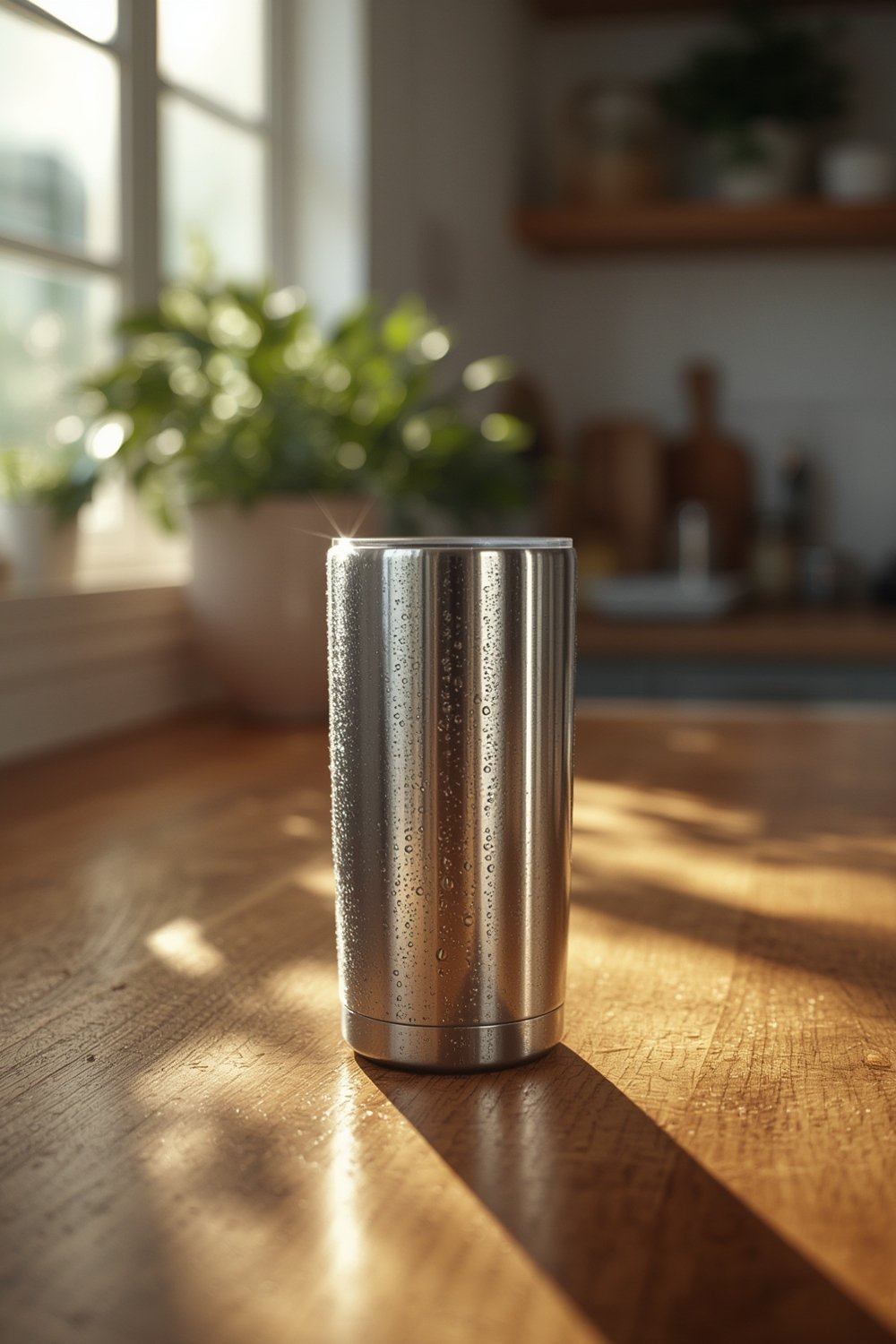
An insulated tumbler is a portable cup designed with vacuum or double-wall insulation to keep beverages hot or cold for extended periods. The main goal is to prevent heat transfer, ensuring your drink stays at your preferred temperature throughout the day. Most modern models, especially those made from stainless steel, use advanced insulation combined with secure lids to maximize performance and convenience. Demand has surged due to eco-conscious consumers seeking reusable, BPA-free options and the rising popularity of personalization.
How to Choose and Use an Insulated Tumbler (Step-by-Step Guide)
Step 1: Prioritize Material and Insulation
Choose vacuum-insulated stainless steel tumblers for maximum heat and cold retention. They dominate the market (58% revenue share by 2025) for good reason—outperforming plastic and glass in keeping drinks at the right temperature and resisting dents or corrosion (source).
Step 2: Check Capacity and Lid Design
Select a size (8-25oz/250-750ml are most popular) that fits cupholders and your hydration needs. Inspect the lid’s seal and mechanism—flip-tops, sliders, and screw-on lids each have pros and cons. Some include integrated straws or sip openings, but not all are leakproof.
Step 3: Look for BPA-Free and Eco-Friendly Features
Confirm the tumbler is labeled BPA-free and made with food-safe materials. Stainless steel and double powder-coating signal good durability and sustainability, which are major buying factors for many households.
Step 4: Evaluate Cleaning and Maintenance Ease
Wide-mouth tumblers are easier to clean, especially if you add ice or use thick drinks. Double-check if “dishwasher safe” applies to both the cup and the lid/straw—many brands claim it for the tumbler but handwash for the lid. Residual odors and stains are less common with stainless steel, though not impossible if left unwashed.
Step 5: Test Real-World Performance
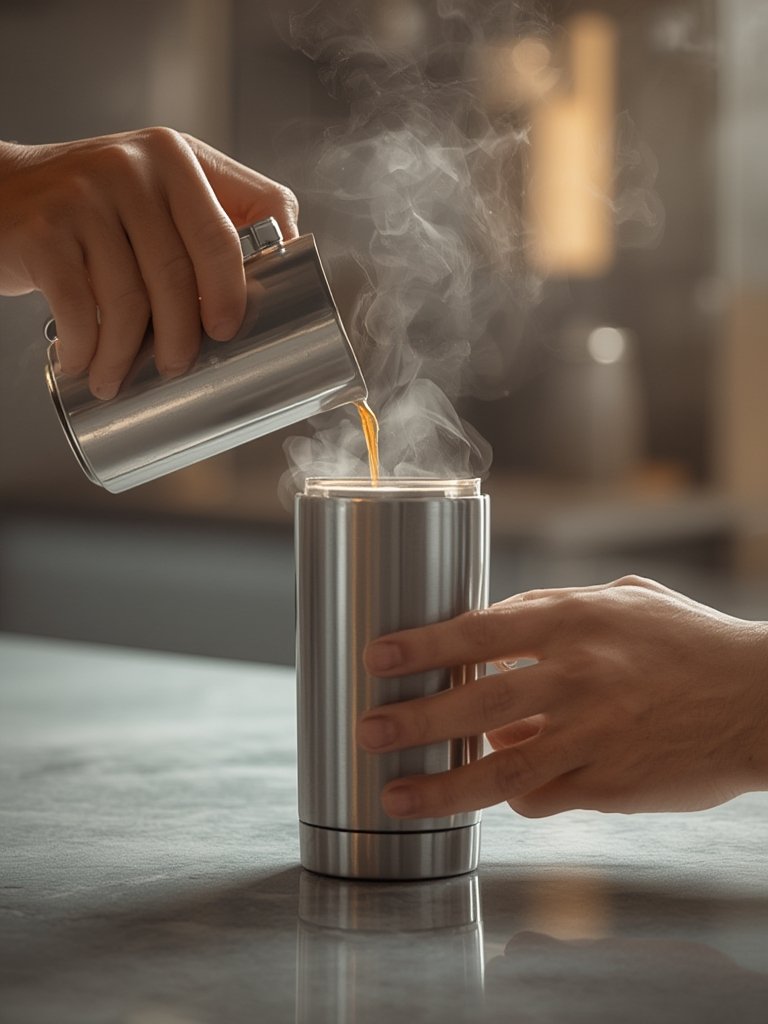
Many brands promise “24 hours cold, 6 hours hot,” but actual results can vary due to lid integrity and ambient conditions. Run a simple test with ice water or hot coffee to confirm if your new tumbler meets your expectations.
Advanced Analysis & Common Pitfalls
Features to Watch & Problems Buyers Report
- Leakproof claims are not always reliable: There’s limited third-party data or real-world testing of how well leakproof lids prevent leaks in backpacks or laptop bags.
- Generic “dishwasher safe” labeling: Many tumblers advertise dishwasher compatibility, but the small lid parts or straws often require handwashing to prevent mold or degrade seals.
- Lid and Straw Compatibility: Not all cup shapes or lids fit aftermarket straws, and replacement parts can be tough to source if a seal ring is lost or a slider breaks.
- Cleaning Challenges: Hard-to-reach areas under slide lids and inside straws can harbor odors or buildup, especially for smoothies or coffee.
- BPA-Free ≠ Always Food-Grade: Some no-name brands claim “BPA-free” but may not provide full safety certifications or trusted testing.
- Price Doesn’t Guarantee Durability: With no clear link between price and real-world performance, a higher cost sometimes just buys brand name or aesthetics.
- Personalization & Coatings: While double powder-coating enhances grip and appearance, it can chip with rough use. The coating, however, is valued by busy families for easier handling—see also our guide to kid and pet friendly rugs for more long-lasting home solutions.
| Feature | Stainless Steel | Plastic | Glass |
|---|---|---|---|
| Temperature Retention | Up to 24hr cold, 6hr hot | Up to 6hr cold, 2hr hot | Poor |
| Durability | Very High | Low–Moderate | Low (fragile) |
| Dishwasher Safe | Depends on brand; lids may not be | Usually yes, but stains easy | Mostly yes |
| BPA-free, Food Grade | Yes, if certified (check label) |
Sometimes | Yes |
| Leakproof Lids | Sometimes (best with screw/top seals) | Varies | Rare |
For anyone outfitting an entire kitchen or home for easier cleaning and durability, explore options like a machine washable rug or microfiber bed sheet for a similar hassle-free experience.
Insulated tumblers now include ergonomic options for anyone with grip or hand strength concerns—see our related guide on ergonomic mugs for extra comfort at home or work.
Conclusion: Picking the Best Insulated Tumbler
The right insulated tumbler lets you enjoy a steaming hot latte on your commute or sip ice-cold water after a workout—all day long. Focus on stainless steel, high-quality lids, BPA-free materials, and easy-clean features for the best performance. Don’t just trust marketing—test your tumbler for leaks and thermal retention at home, and clean it thoroughly to prevent odors or residue. With careful selection, your new insulated tumbler can be a practical, eco-friendly upgrade that saves you money and waste over time. For more ideas on energy efficiency and durable home upgrades, check out our proven guide to energy efficiency upgrades.
Ready to make the switch? Compare features, read user reviews, and try out the cleaning tips above—then enjoy your favorite drinks at the perfect temperature, wherever life takes you.
FAQ: Insulated Tumbler Questions Answered
How long do insulated tumblers really keep drinks hot or cold?
Most high-quality double-wall vacuum insulated tumblers keep drinks cold for up to 24 hours and hot for over 6 hours, depending on the lid and environment. Real-life results may be a bit shorter if the lid is opened frequently or if you’re outside in extreme temperatures (source).
Can insulated tumblers go in the dishwasher?
Some stainless steel tumblers are labeled “dishwasher safe,” but often, only the cup body is reliably cleaned this way. Lids, seals, and straws can break down or collect grime more easily if washed in the dishwasher and may require hand-cleaning for longevity.
Do higher-priced insulated tumblers perform better?
Not always. There’s no consistent link between price and thermal performance or leakproofing. Check user reviews and real-world tests rather than relying solely on the brand or cost.
How can I prevent lingering odors in my tumbler?
Wash your tumbler (including lid and straw) thoroughly after every use, especially after milk or smoothies. For stubborn odors, let it soak with warm water and baking soda or vinegar, then rinse well before use.
Are all insulated tumblers truly leakproof?
No. Leakproof claims vary widely and depend on lid design and seal quality. Always test with water before carrying your tumbler in a bag, and handle with care to prevent damage to the lid or seals over time.