

Micro gardening has become the go-to solution for city dwellers who want to grow their own food, herbs, or flowers—even without a backyard. With urban spaces shrinking and more people living in apartments than ever, this method is changing how we think about home gardening.
Key Takeaways
- Micro gardening is exploding in popularity among urban residents, especially younger generations eager to grow food in small spaces.
- Common challenges include poor lighting, limited space, and finding the right containers or setups for successful results indoors or on balconies.
- The right equipment, simple layouts, and plant choices make it possible to garden successfully—even if you only have a windowsill.
- 1. What Is Micro Gardening and Why Does It Matter?
- 2. Step-by-Step Guide: How to Start a Micro Garden Anywhere
- 3. Advanced Analysis & Common Pitfalls in Micro Gardening
- 4. Conclusion
- 5. FAQ
What Is Micro Gardening and Why Does It Matter?
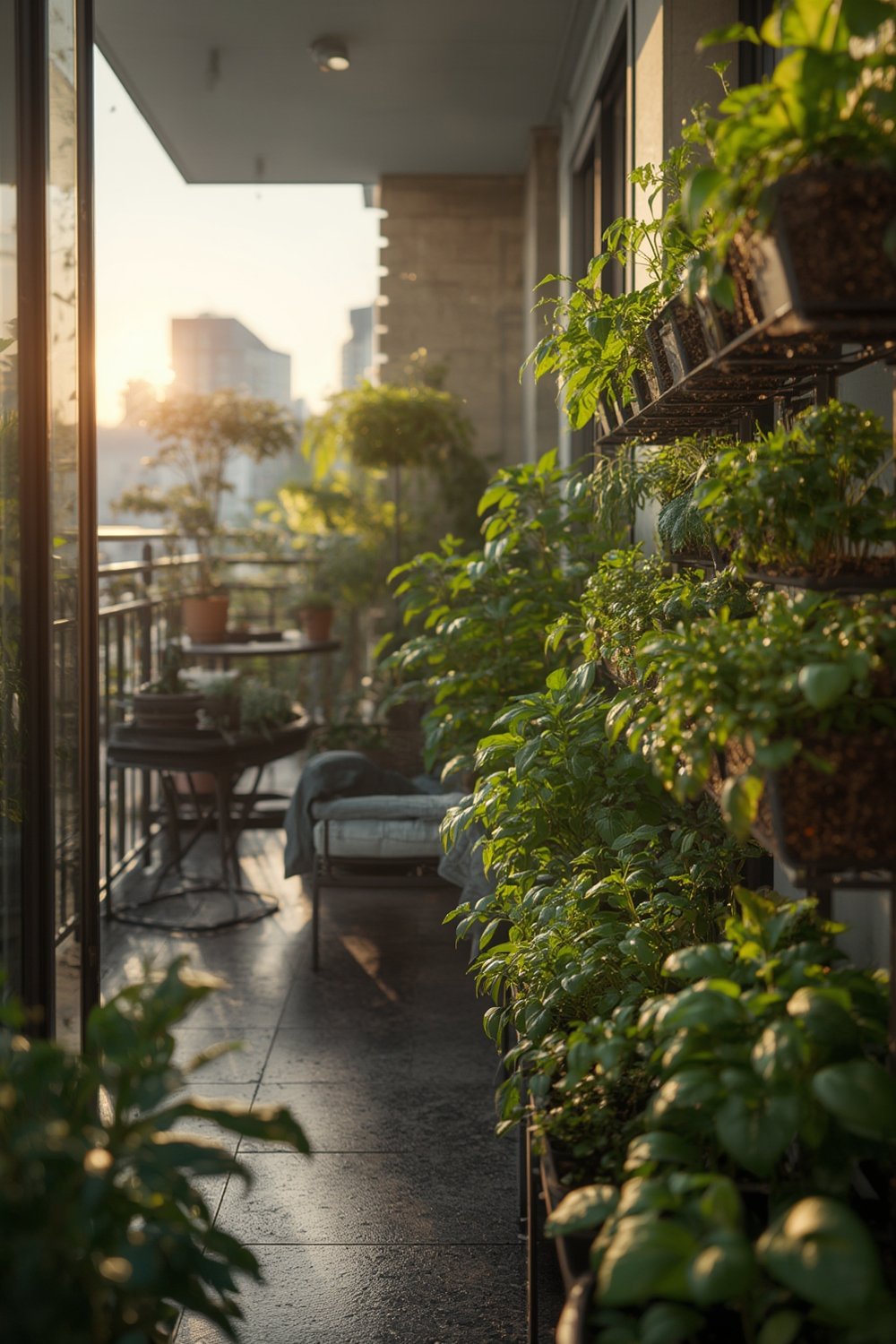
Micro gardening means growing edible or ornamental plants in very small, efficient spaces—think window sills, apartment balconies, tiny patios, or even tabletops. It’s about maximizing productivity from the smallest spots, using containers, vertical planters, or even hanging baskets. In 2024, micro gardening is booming. Over 71 million American households garden, and most of the 18 million new gardeners since COVID live in urban homes or apartments. Millennials are leading this wave, prioritizing fresh, affordable food and an eco-friendlier lifestyle—even if their only outdoor area is a single balcony rail. Community gardens now flourish in dense cities, and the microgreens market has risen over 12 percent, reflecting demand for windowsill edible greens and nutrition-packed sprouts.
This popularity is driven by rising urban rents, shrinking outdoor spaces, and a collective desire to reconnect with food sourcing—even on a small scale. Recent data suggests 69.7% of new or younger gardeners (especially those aged 19 to 41) will expand their micro gardens or invest more time this year. Smart layouts and plant selection have made the practice accessible to almost anyone.
Step-by-Step Guide: How to Start a Micro Garden Anywhere
- Choose Your Space: Measure available spots—window ledges, sunny corners, balconies, or even unused shelves. Lighting is key, so note sunlight hours or consider a grow light for shaded areas.
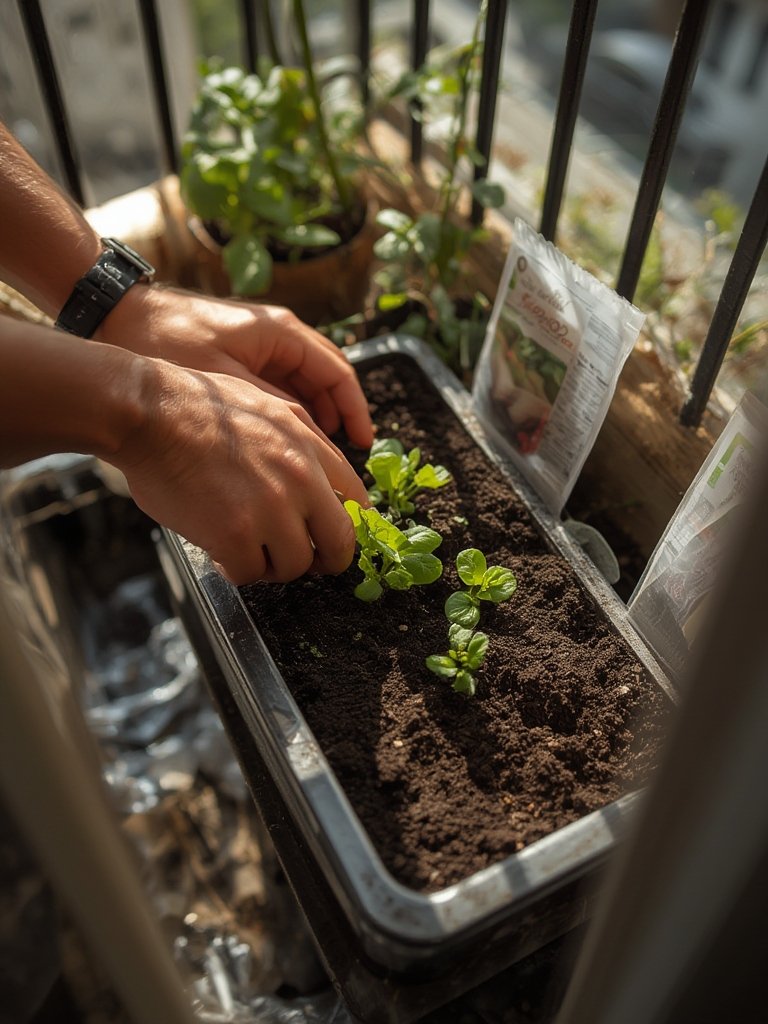
- Select Containers: Use window boxes, food-safe buckets, hanging pockets, or repurpose items like drawers. self-watering planters and vertical stacking towers maximize results in very tight quarters.
- Use the Right Soil: Compact, high-quality potting mix beats garden soil, especially indoors, for drainage and fewer pests. Consider adding worm castings for extra nutrients.
- Pick Resilient Plants: Fast-growing microgreens (like broccoli or radish), cherry tomatoes, compact lettuces, herbs (basil, chives), and dwarf peppers thrive in containers. Flowers like nasturtium and marigold also work in tiny pots.
- Set Up a Watering Routine: Small pots dry out quickly. Drip kits or water globes can automate the process and save hassle.
- Monitor, Adjust, Repeat: Watch for poor growth, pests, or soil issues. Move containers to chase sun, and swap out plants that fail.
Want to take it further? For renters and apartment dwellers, vertical gardening systems and modular stacking shelves are game-changers. Learn more about maximizing vertical space for food and flowers with our vertical gardening systems guide. If you want compost without the smell or mess, vermicomposting bins fit under the sink and turn food waste into premium fertilizer—ideal for micro setups.
Finally, remember that not every plant will thrive in every micro setting. Tomatoes, for instance, can work on a sunny balcony but flop indoors unless supported by strong grow lights. Always observe and adapt—and don’t hesitate to swap underperformers for new varieties each season.
Advanced Analysis & Common Pitfalls in Micro Gardening
Many new micro gardeners hit frustrating roadblocks. Success rates in ultra-small spaces depend on choosing the right setup and plants—but also knowing exactly what could go wrong. Here’s what to expect:
| Challenge | Description | Actionable Solution |
|---|---|---|
| Lighting | Many apartments have limited direct sunlight. Poor lighting leads to leggy, weak plants. | Supplement with full spectrum grow lights; rotate plants to chase sun spots. |
| Space Limits | Even balcony or window boxes fill up fast. Overcrowding causes poor airflow and disease. | Use tiered stands, vertical planters, or modular kits. Focus on high-yield, compact crops. |
| Watering & Drainage | Small containers dry out quickly or get waterlogged, stressing roots. | Install self-watering planters. Add pebbles or stones at the base for drainage. Water little but often. |
| Pest Problems | Indoors: gnats, aphids, or fungus. Outdoors: mites, birds, neighborhood pets. | Sticky traps, neem oil; consider a bug zapper for balconies. Check often for early signs. |
| Soil Quality | Cheap or reused soil can harbor disease and lack nutrients. | Refresh mix each season. Use worm castings or quality compost from vermicomposting. Avoid garden soil indoors. |
| Cost Surprises | Pots, soil, and tools add up, especially for quality brands. | Repurpose containers (drawers, buckets, baskets). Watch for local plant swaps or freecycling. Budget upfront for ongoing soil & plant costs. |
| Yield Disappointment | Some crops underperform in confined spaces (e.g., full-sized carrots or corn). | Stick with proven winners: microgreens, baby lettuces, herbs, compact tomatoes, and peppers. Mix in edible flowers for variety. |
Crucially, while most new gardeners report high satisfaction rates—over 83 percent according to recent studies—cost, limited yields, and initial setup problems frustrate many. The average U.S. garden is 600 square feet; micro gardens may be 1/20th that size, demanding extra efficiency.
While product satisfaction with planters and kits is high, half of new microgreens businesses fail in year one, often due to underestimating startup effort, pests, or lighting needs. This highlights the importance of learning curve and realistic expectations for apartment gardeners. For more ways to boost indoor plant success, see our deep dive on full spectrum grow lights.
Conclusion
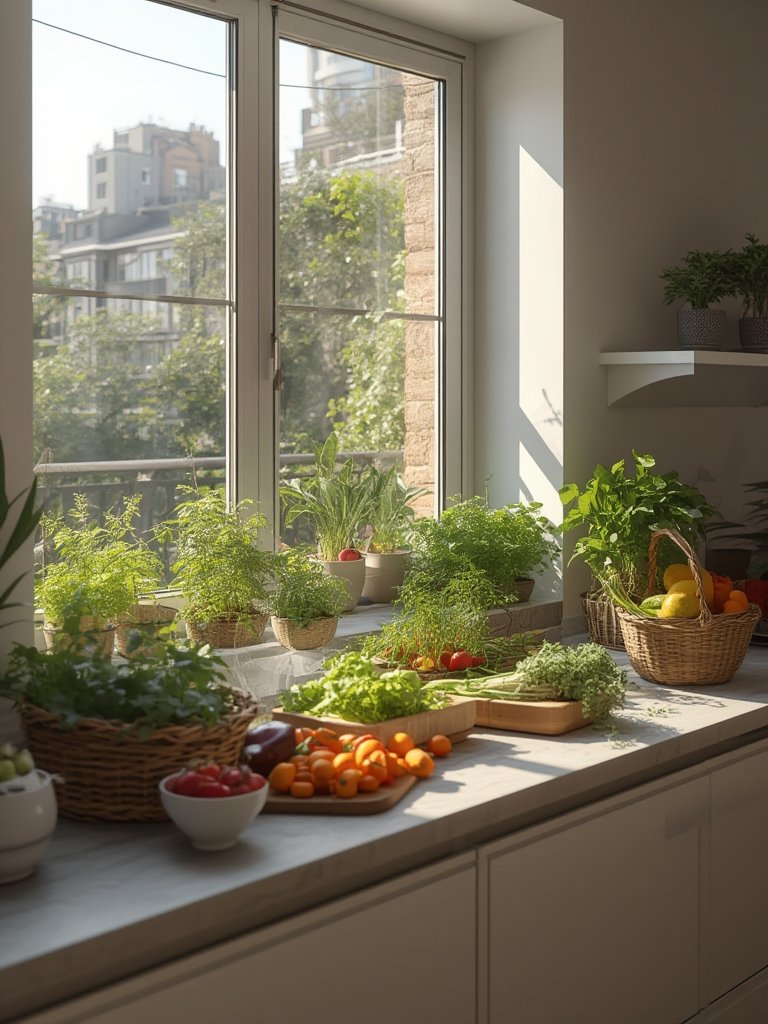
Micro gardening offers a realistic way for apartment and city dwellers to enjoy fresh food, flowers, and the satisfaction of growing, even with the tiniest outdoor or indoor space. The most successful micro gardeners select the right plants, optimize sunlight, and use clever layouts, such as vertical systems or container stacking. While initial costs and some trial-and-error are unavoidable, most find the process rewarding and scalable over time.
Ready to start your own micro gardening adventure? Measure your space, pick just three easy starter plants, and begin experimenting this weekend. Share your results, tweak your setup, and enjoy the rewards—one pot at a time.
Want to reduce watering worries in your micro garden? Explore ways to integrate energy-saving solutions and smarter home products in our guides on energy efficiency upgrades. For those who want an ultra-low-maintenance floor to pair with your plant collection, see washable rug solutions perfect for high-traffic, garden-friendly homes.
FAQ
Can I do micro gardening with absolutely no sunlight?
It’s possible using full spectrum LED grow lights. Relying only on artificial light works for microgreens, some herbs, and leafy crops, but flowering or fruiting plants usually need real sun for best results.
What’s the best soil for micro gardening indoors?
A fluffy, peat/coconut-based potting mix with added perlite or vermiculite works best. Avoid garden soil, which compacts and may bring in pests. Consider adding worm castings for extra nutrition.
Which plants are easiest for total beginners?
Try microgreens (like broccoli and radish), herbs (basil, chives, mint), and baby salad greens. Cherry tomatoes and dwarf peppers are rewarding for those with more sun, especially on balconies.
Is there a low-cost way to start with almost no investment?
Yes. Use recycled containers (takeout trays, yogurt cups), collect seeds from store-bought veggies, and look for soil at free plant swaps. Start small and scale up as you gain confidence.
How can I control gnats or other indoor pests in a micro garden?
Let soil dry out between waterings, add sticky traps, or use a little food-grade diatomaceous earth. Healthy drainage and avoiding cheap soil also help reduce pest outbreaks.