

Snow blower adoption is changing fast, with new battery and electric options competing against gas-powered classics, especially for driveway owners. If you’re considering an upgrade—or buying your first machine—here’s what’s new, what to expect, and how to avoid the most common mistakes with today’s modern snow blowers.
Key Takeaways
- The snow blower market is shifting toward efficient cordless and electric models, with battery tech now matching small gas units for driveways.
- Ongoing maintenance costs are lowest for electric and battery snow blowers; gas units still lead for deep, heavy snow but require more upkeep.
- Most reviews lack detailed user feedback or verified specs—choosing based on your driveway length, snow type, and budget is crucial.
- Understanding Modern Snow Blowers: Types and Trends
- How to Choose and Use the Right Snow Blower for Your Driveway
- Advanced Analysis: Pitfalls, Specs, and What Still Needs Improvement
- Conclusion
- Frequently Asked Questions
Understanding Modern Snow Blowers: Types and Trends
In 2024, snow blower technology is moving quickly. Homeowners now see cordless and electric models gaining ground on gas-powered machines, thanks to better lithium-ion batteries, greener operation, and simpler maintenance. Global market value hit $12.23 billion this year, with the electric segment alone reaching $300 million. Market experts predict this will double by 2033, reflecting a clear shift toward quieter, low-emission snow clearing (source, source).
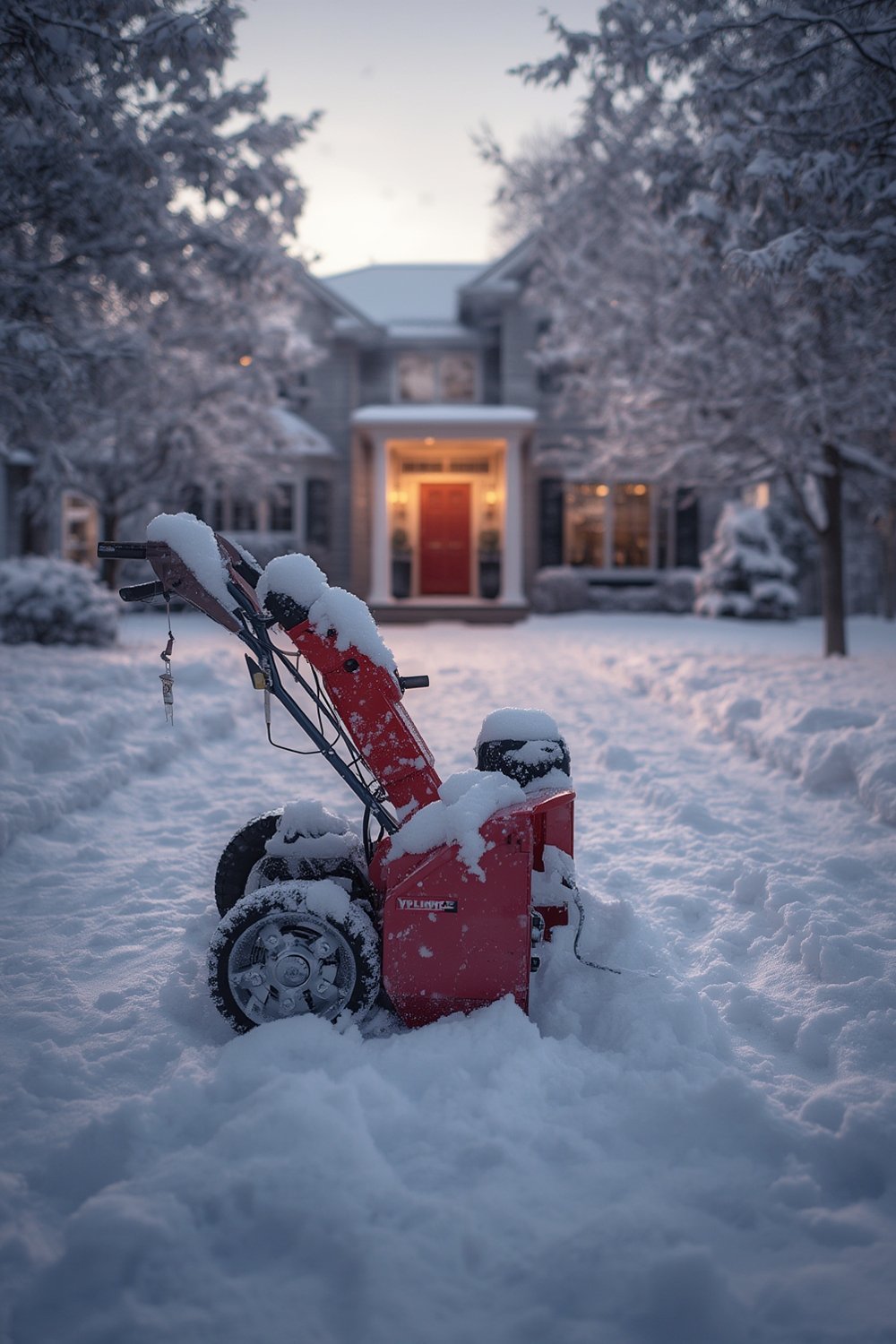
Even in the U.S., where gas-powered units have long dominated, many buyers are now opting for electric or cordless snow blowers. Advances in battery power mean these newer models can handle typical driveway jobs, even competing with small gas models in terms of clearing width and runtime. However, gas blowers still maintain the edge for heavy, wet snow or especially long driveways (source).
There’s limited public data separating single-stage from two-stage model sales. Both categories are available in electric and gas-powered versions. Most homeowners with smaller or mid-sized driveways use single-stage units, while two-stage snow blowers are favored for larger areas and heavier snowfall. Cordless, battery-powered editions are expanding in residential use, addressing a long-standing need for less noise, no fuel smells, and reduced upkeep.
How to Choose and Use the Right Snow Blower for Your Driveway
Making the right snow blower choice requires looking at your driveway length, snowfall patterns, and power needs. Here’s a tested, stepwise process:
- Measure Your Driveway. Width and length matter—a 24-inch clearing width is common for moderate driveways (for example, the Ariens AMP 24 Sno-Thro offers this spec), but smaller spaces may only need an 18-inch width.
- Assess Typical Snowfall. If you routinely face heavy, wet snow or drifts over 8 inches, a two-stage gas or powerful battery machine is a safer bet. Light, dry snowfalls? Single-stage electric units will manage fine.
- Compare Fuel Types. Cordless models are winning converts for quiet, low-hassle operation with no fumes or cords (source). If you want the most run time or have tough, prolonged clearing jobs ahead, you may still need gas power.
- Review Maintenance and Operating Costs. Gas snow blowers need oil, spark plugs, annual tune-ups, and frequent adjustments. Battery and corded options are mostly “plug and play,” trimmed down to basic cleaning and occasional lubrication, as detailed by market experts (source).
- Check Warranty and Parts Support. Look for units from major brands with good coverage and widely available wear parts. Battery packs should be hot-swappable and easily replaced if you opt electric cordless.
- Test for Maneuverability. Visit local dealers or hardware stores and try different units (weight and ergonomics can vary a lot, and specs are rarely listed in reviews). Ease-of-use is key for long or steep driveways, especially if you have physical limitations.
- Upgrade for Extras. Heated handles, LED lights, and drift cutters are useful upgrades for frequent or late-night clearing jobs. Want to take your household’s winter efficiency up a notch? Consider energy efficiency upgrades for your garage to improve comfort and save money all winter long.
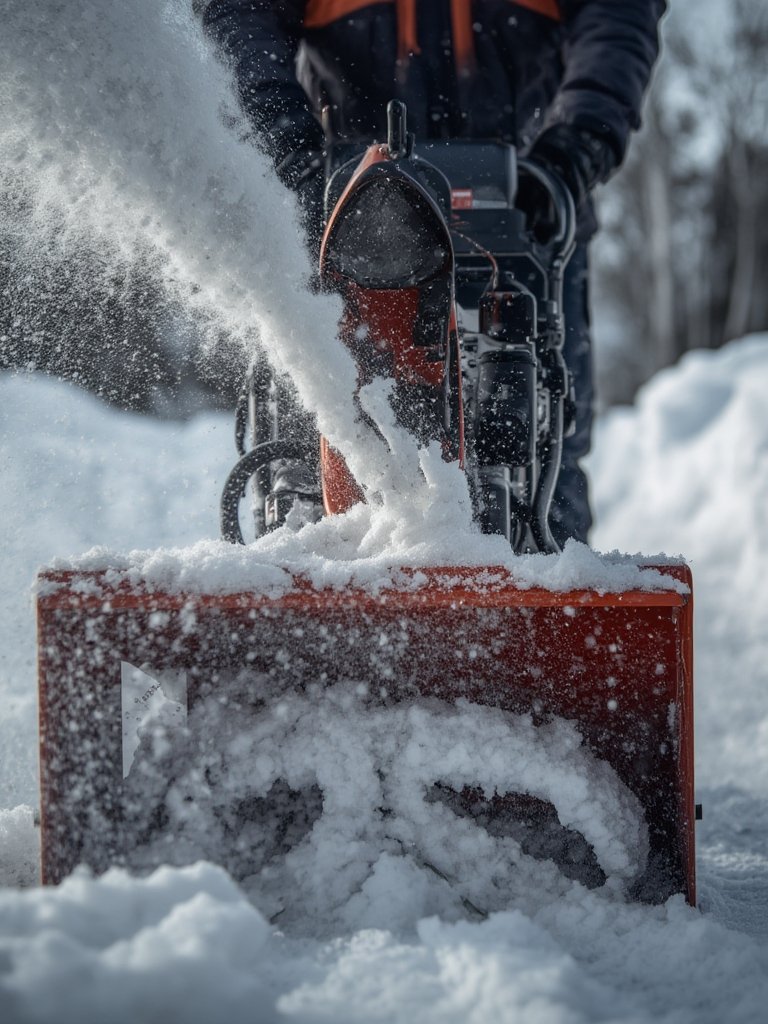
Still deciding between two-stage and single-stage? For a side-by-side comparison on home upgrades like this, check out our expert remodeling guides—the process is very similar: estimate your needs, budget, and ongoing upkeep before choosing your model.
Advanced Analysis: Pitfalls, Specs, and What Still Needs Improvement
Even as battery and electric snow blowers improve, there are limitations and common issues that buyers need to factor in. Here’s a breakdown of what you can expect—and what gaps remain:
| Feature | Cordless/Battery | Electric (Corded) | Gas |
|---|---|---|---|
| Initial Purchase Cost | Moderate to High | Low to Moderate | Moderate to High |
| Ongoing Maintenance | Very Low | Very Low | High (fuel, oil, tune-ups) |
| Typical Clearing Width | 18-24 in* | 16-20 in† | 20-30 in+ |
| Max Run Time (per session) | 30–50 min (1-2 batteries) | Unlimited (as long as plugged in) | Unlimited (refuel as needed) |
| Replacement Parts Availability | Good (major brands) | Good | Excellent (widest inventory) |
*Ariens AMP 24 Sno-Thro as example — 24 inch; †Most corded electrics are smaller
Common pitfalls and realistic problems:
- Limited user reviews: There’s a lack of verified, independent user feedback for the newest battery-powered models, meaning reliability and real-world longevity are hard to judge ahead of time.
- Battery model downsides: Even the best cordless snow blowers may struggle in deep, wet snow or if your driveway is extra long—the need to recharge (or swap batteries) can interrupt big jobs.
- Specs not standardized: Manufacturers rarely publish comparable clearing widths, weights, or run times side by side, making it hard to match blower to driveway size with confidence.
- Replacement batteries are costly: Extra packs are often expensive—check prices up front before committing to a cordless lineup.
- Gas models require technical upkeep: Spark plugs, oil, carburetors, and starter problems are real pain points, especially for users wanting hassle-free operation. However, for the heaviest snows, gas remains king.
- Want easy cleaning for your home after winter boots track in salt and slush? See our guide on washable, spillproof rugs for low-maintenance living.
Other subtopics that current top-ranking snow blower articles miss include:
- Detailed market breakdown of single-stage versus two-stage snow blower ownership among homeowners with driveways.
- Side-by-side cost and performance specs directly tied to different driveway sizes and typical snow conditions.
- Comprehensive aggregation of verified customer complaints, especially for newer cordless units, which remains absent even in recent research (source).
Conclusion
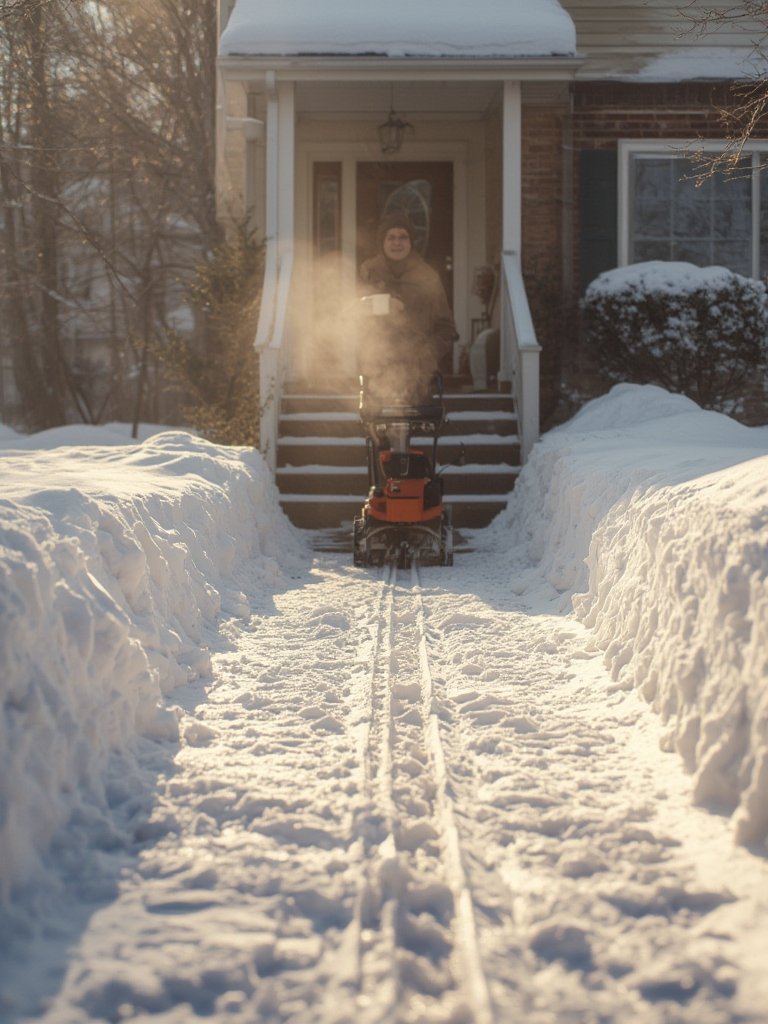
Modern snow blower technology offers more choices than ever—but there’s no true “one size fits all.” Battery and electric machines now rival gas snow blowers for typical driveways, with lower maintenance and easier operation, though heavy, wet snowfall may still require gas power for best results. A smart purchase starts by matching your actual driveway size and winter needs, comparing main specs and ongoing costs, and checking on user support and replacement parts. For related home upgrades that can make every season easier, see our dedicated guides on residential siding installation and non-slip rug options.
Ready for less shoveling and fewer hassles? Compare the latest models and features, leverage your buying power, and stop dreading snow days. Find your next snow blower with confidence by following the checklist above.
Frequently Asked Questions
Which type of snow blower is best for a typical suburban driveway?
For most suburban driveways, a single-stage cordless or corded electric snow blower works well. If you get frequent heavy snowfall, consider a two-stage (either advanced battery or gas-powered) model for better performance.
How much maintenance does a battery-powered or electric snow blower require?
Maintenance is minimal: just clean after use, check for obstructions, and occasionally lubricate moving parts. No oil changes or spark plug replacements are needed like on gas models.
Will a cordless snow blower work for wet, heavy snow?
Some top battery models can handle wet snow on moderate driveways. In deep or very heavy conditions, gas-powered machines still have more consistent clearing power.
How do I make my snow blower last longer?
Follow the manufacturer’s cleaning, storage, and lubrication guidelines. For battery models, store batteries indoors and charge according to instructions to prolong their lifespan.
Are replacement batteries expensive for cordless snow blowers?
Yes. Replacement batteries are often a major cost, sometimes a third of the machine’s price. Always check battery prices and availability before deciding on a cordless model.
—