

Mosquito trap technology has advanced rapidly, making it easier than ever to take control of backyard biting—but knowing which device to trust, and how to use it effectively, still trips up most homeowners.
Key Takeaways
- Leading mosquito traps can cut biting populations by up to 90 percent, but placement and maintenance directly impact success.
- Some traps, if set incorrectly, may attract more mosquitoes without capturing them efficiently—real-world performance varies widely.
- Pick the right technology for your yard size, budget, and mosquito species for best results; not every trap is “one size fits all.”
- What Is a Mosquito Trap and Why Use One?
- How to Choose and Set Up a Mosquito Trap: Step-by-Step
- Advanced Analysis and Common Pitfalls to Avoid
- Conclusion
- FAQ
What Is a Mosquito Trap and Why Use One?
Mosquito traps are outdoor devices designed to attract, capture, and reduce populations of biting mosquitoes without relying on mass spraying of chemicals. By mimicking human scent, releasing carbon dioxide, or using light and fan suction, traps target specific mosquito species—often those that carry diseases—and prevent them from breeding near your home.
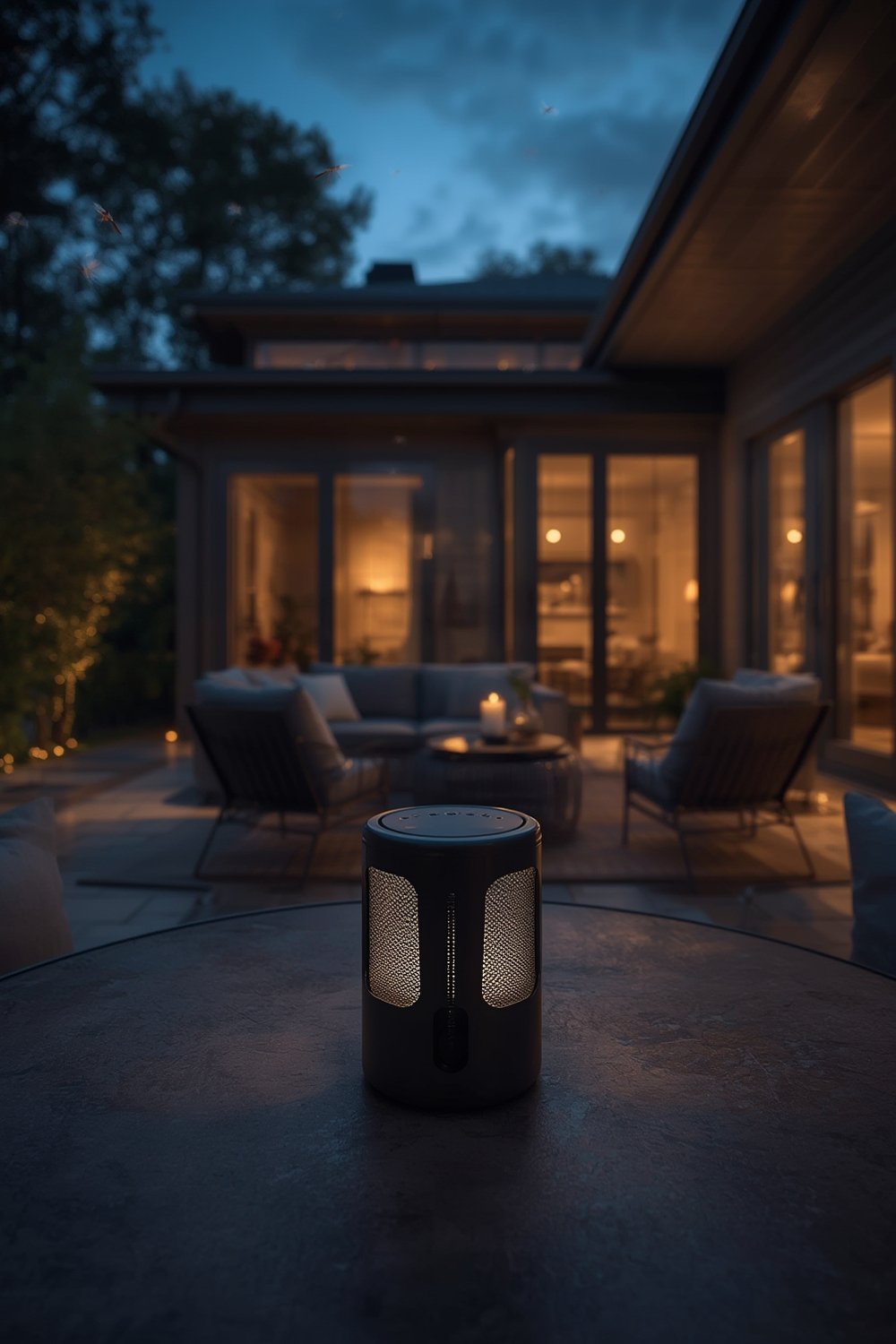
Those living in mosquito-prone areas know: sprays and candles work briefly, but biting always returns. According to scientific studies, mass-trapping with fan suction and attractants (like BG-Sentinel or AGO traps) can reduce Ae. aegypti mosquito populations by 53 to 91 percent over 7 to 12 months, especially when traps are carefully maintained and well placed (see research).
Modern consumer traps now cover large areas: for example, models like DynaTrap DT2030SR can protect up to an entire acre. Water-based and chemical-free options, such as Inzecto and Biogents, claim simple maintenance and strong results—if you do your homework. Choosing the right trap type and understanding its limitations is critical for successful mosquito control.
How to Choose and Set Up a Mosquito Trap: Step-by-Step
-
Match the Trap Type to Your Needs
- For species-specific targeting (like yellow fever mosquitoes), consider fan suction models with attractant lures—these are the most validated for population and disease reduction (source).
- For large yards (0.5 to 1 acre), DynaTrap or propane/CO2 traps cover a wide area without chemicals—note that propane types may need regular refills.
- If you need low-maintenance and pet-safety, water-based solutions like Inzecto or insecticide-free attractant traps (Biogents) are best. These require only water checks and last up to three months at a time (details).
-
Calculate How Many Traps You Need
- Most manufacturers specify coverage: Biogents/BG-Sentinel, up to 2,000 sq ft per unit; Inzecto, 1,500 sq ft per trap; DynaTrap one-acre versions cover the largest footprint.
- Overestimate slightly for shaded or cluttered yards. Read the manual and consider using two or more devices for especially bad infestations or high mosquito activity.
-
Pick the Best Placement
- Place traps where mosquitoes cluster: shaded, moist, or wind-protected sites between standing water and your outdoor living area.
- Avoid placing traps right near people or seating, as incorrect placement may attract mosquitoes closer to you rather than away.
- Monitor and adjust position based on wind direction, season changes, and observed mosquito patterns.
-
Set Up and Maintain the Trap
- Install according to manufacturer directions to ensure upright operation (especially important for water-based models like Inzecto).
- For fan or UV traps (DynaTrap, Biogents), make sure the unit has clear airflow, empty catch trays regularly, and check for dead bugs or debris that may affect performance.
- Log placement and count weekly catches to track effectiveness—sticky cards or catch bins provide easy monitoring.
-
Monitor for Results and Risks
- Evaluate not just kill count, but also biting reduction in target zones. If you notice more mosquitoes after installing a trap, readjust placement or try a different technology.
- Review your maintenance routine monthly. Check product reviews for updated user tips on reliability, like Aspectek zapper noise or refill frequency issues.

Looking for more ways to boost comfort outdoors? Check our practical strategies for bug zapper effectiveness as a supplement to mosquito traps.
Advanced Analysis and Common Pitfalls to Avoid
While a quality mosquito trap can slash pest numbers, several pitfalls routinely frustrate homeowners and professionals alike. Here’s what the latest research and review data reveal.
Most Common Real-World Problems:
- Trap Misplacement: Placing a trap too close to seating or wind-exposed areas can pull more mosquitoes into living spaces rather than away. Windy spots can dramatically reduce trap effectiveness.
- Technology Mismatch: Not all traps work on every mosquito species—CO2 and fan suction models may excel against some vectors like Ae. aegypti, but barely dent populations of nuisance Culex or Anopheles species (see analysis).
- Maintenance Lapses: Failing to check water levels, clean catch baskets, or replace attractants means traps underperform and may even become mosquito breeding sites.
- Attraction Backfire: Research shows that poorly placed traps can attract more mosquitoes into a yard than are caught—sometimes worsening local biting (read the science).
- Noise/Power Frustrations: Zapper traps like Aspectek may be noisy and require constant electrical power, limiting placement flexibility. Some chemical lures add ongoing expense or odors not suitable for sensitive families.
Comparison Table: Trap Technologies at a Glance
| Technology | Efficacy | Safety | Maintenance |
|---|---|---|---|
| BG-Sentinel/AGO (Fan suction + attractants) |
53-91% female reduction (study) | Insecticide-free versions safe for most homes | Sticky collection & placement checks—critical for results |
| DynaTrap (UV + CO2 + fan suction) |
0.5 to 1 acre coverage; strong for general outdoors | Non-toxic, weather-resistant | Occasional cleaning; no refills required |
| Inzecto (Visual, water-based) |
Protects 1,500 sq ft per trap up to 3 months | Pet/kid safe | Check water every few weeks; upright placement |
| Zappers (UV/electric grid) |
Effective at night on many flying pests, but not mosquito-specific | Non-toxic, may become noisy | Replace bulbs, clean debris frequently |
| Propane/CO2 | High for some mosquitoes, low for others | Additional caution for fuel storage | Ongoing propane/CO2 refills |
Additional Insights and Internal Resources:
- Trap effectiveness often depends on pairing traps with other upgrades such as energy efficiency upgrades that reduce window gaps.
- Preventative maintenance, just like with high-traffic non-slip rugs and weatherproof exterior features, preserves investment and performance over time.
- Placement can be as important as technology—similar to fence installation for physical barriers, right setup protects your actual living area.
- Pair with washable, kid and pet friendly rugs and traffic zone upgrades to complete your backyard transformation.
- Use a combination of traps and practical solutions reviewed for fast home comfort, such as lasting laundry boosters that minimize indoor attractants.
Conclusion
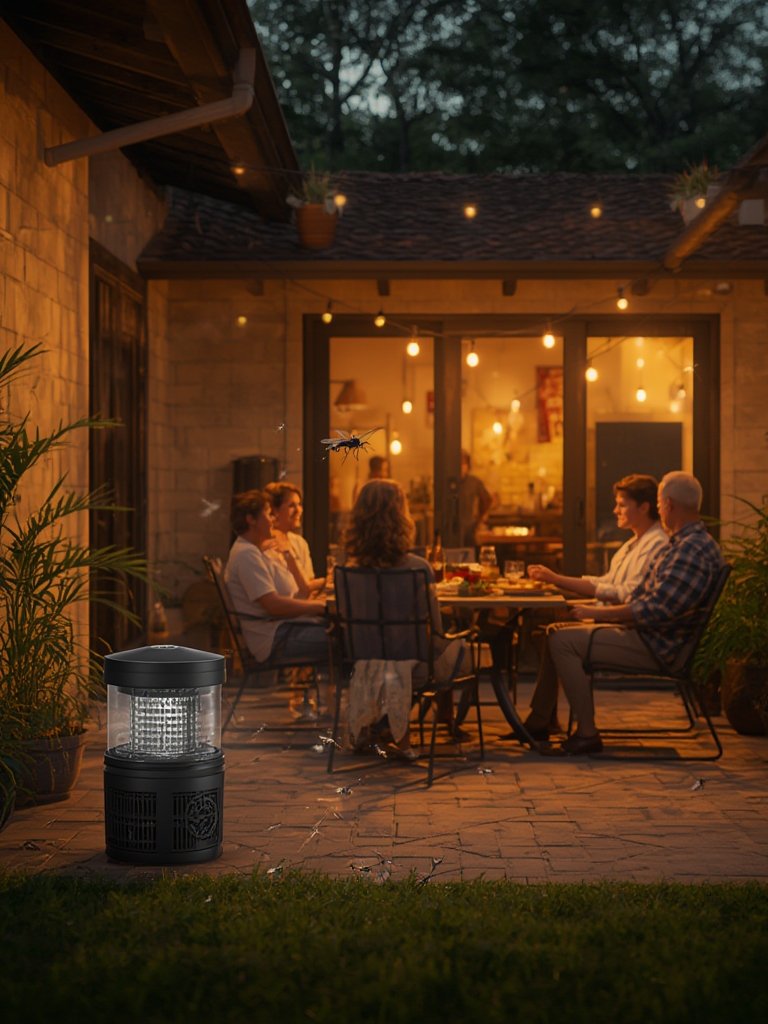
Mosquito traps have become indispensable for effective mosquito management at home, delivering up to 90 percent reductions in high-risk species when used correctly. Yet, success depends on choosing the right model, smart placement, and regular upkeep. If you want the best results, understand the limitations discussed here and remember: every mosquito trap requires active monitoring for peak performance. Ready to reclaim your yard? Start by picking a trap style that actually matches your needs, and don’t ignore maintenance—your summer comfort depends on it.
FAQ
How often should I clean or refill my mosquito trap?
Most water-based and UV/fan traps should be checked every 2-4 weeks. Inzecto needs water refilled every few months. Debris or full catch trays should be emptied regularly for best results.
Can mosquito traps increase mosquito problems if used incorrectly?
Yes. Incorrect trap placement or neglecting maintenance can draw more mosquitoes without capturing them, actually making biting worse. Always follow placement and maintenance tips carefully.
Are mosquito traps safe for kids, pets, and wildlife?
Most modern traps (like Biogents and Inzecto) are chemical and insecticide free and considered safe for use around families and pets. Double-check each model for your specific needs.
Which trap technology works best for large, open yards?
DynaTrap and similar UV/CO2 trap models generally offer the largest area coverage (up to one acre) and low maintenance for expansive outdoor spaces.
Do I still need repellents or sprays if I use a mosquito trap?
Traps reduce populations over time, but during peak season supplemental repellents or permethrin sprays may still be needed for 100% personal protection—especially if high-risk disease vectors are present.