

Native plant landscaping is reshaping residential landscapes across the United States. Homeowners and builders are swapping turf grass for plantings that thrive naturally, use less water, attract pollinators, and require less maintenance. Here’s exactly what you need to know to get started—without the hype.
Key Takeaways
- Native plant landscaping adoption is rising nationwide, with a clear focus on sustainability, biodiversity, and supporting pollinators.
- While the benefits are strong, do not expect zero maintenance—real-world issues include finding regionally native plants and adjusting to a less-manicured aesthetic.
- There are few detailed public guides on state-specific sourcing, combinations, or cost breakdowns, so plan for some DIY research and experimentation.
- What Is Native Plant Landscaping and Why It Matters
- Step-by-Step: Switch to Native Plant Landscaping
- Advanced Analysis & Common Pitfalls
- Conclusion
- FAQ
What Is Native Plant Landscaping and Why It Matters
Native plant landscaping means designing or renovating your yard using plants that are indigenous to your region, rather than imported or ornamental varieties. These plants have evolved within your local ecosystem for centuries. Because of this, they’re naturally adapted to the climate, soil, rainfall, and wildlife—they can often thrive with minimal intervention.
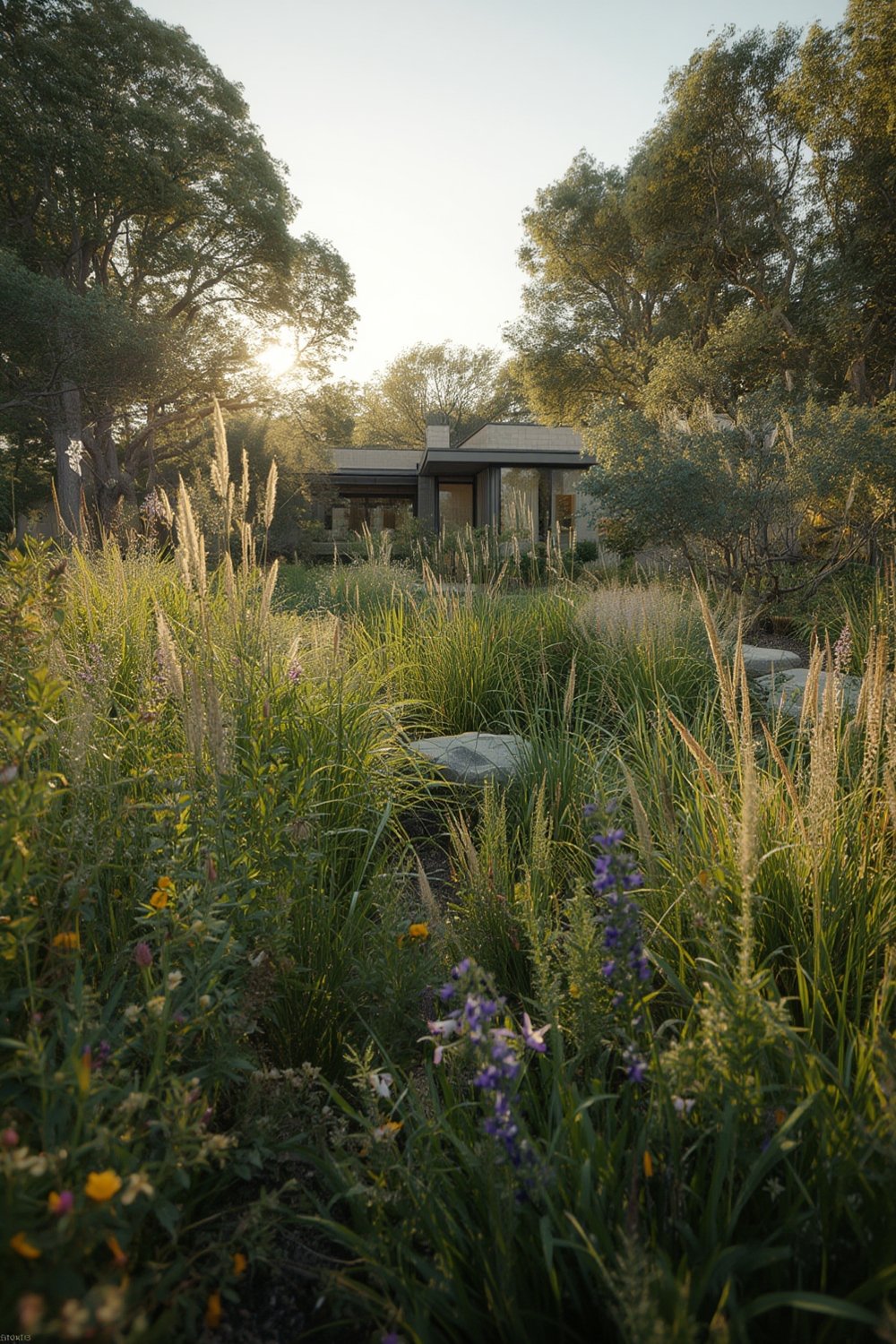
The movement is exploding in 2024, led by eco-conscious consumers. According to the National Wildlife Federation’s 2024 Gardening Survey, 17% of U.S. adults are buying regionally native plants, and over one in ten are converting lawns to native habitats. Homeowners cite advantages including:
- Significantly less watering and chemical use compared to traditional grass lawns (source).
- Improved support for butterflies, bees, and other pollinators, who rely on specific native species to survive.
- A shift toward more natural, less manicured beauty—moving away from resource-intensive “perfect” turf.
Despite the buzz, real challenges exist. Sourcing true native plants isn’t as easy as picking up annuals at the big-box store, and early stages of the transformation may look “messy” to neighbors used to turf. Still, the net effect is clear: native landscaping is rapidly (and realistically) establishing itself as the next frontier in sustainable home improvement and curb appeal.
Step-by-Step: Switch to Native Plant Landscaping
- Assess your site and region. Start by identifying your USDA hardiness zone, soil type, sun/shade patterns, and drainage. This ensures your plant choices will thrive.
- Set realistic goals. Decide if you want to fully replace turf or start with a no-mow border, wildlife/pollinator patch, or privacy screen. Small changes are easier if you have an HOA or cautious neighbors. For inspiration on “lawn alternatives,” explore our clover lawn guide.
- Research native species for your location. Consult local extension offices or regional plant societies, as few comprehensive state-by-state plant lists exist online (source). In central Pennsylvania, for example, strong performers include bee balm, prairie dropseed, butterfly weed, and Joe Pye weed.
- Source reputable native plants and seeds. Community plant swaps, native plant nurseries, and botanical gardens with sales are often your best bet. Ask for plants grown from regional ecotypes—not cultivars bred for showy flowers.
- Remove existing turf and invasives. Solarization (covering with tarps), sheet mulching (layers of cardboard and mulch), or overseeding can slowly eliminate grass. Avoid tilling if you want to preserve beneficial soil organisms—see our no-till gardening guide for methods.
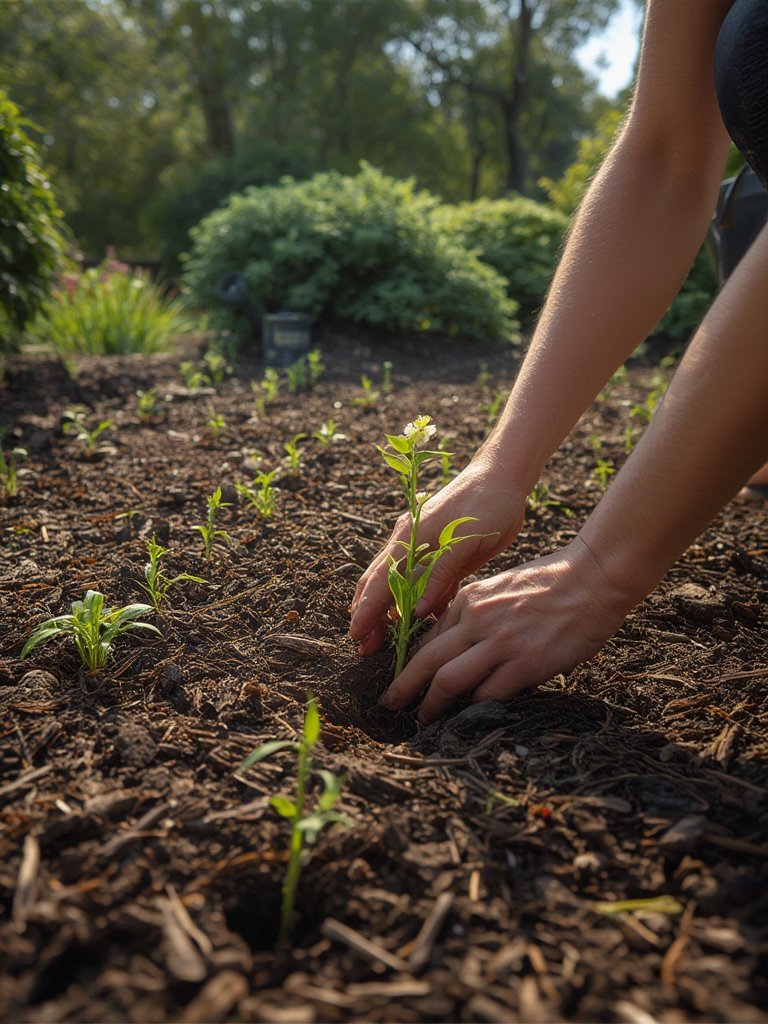
- Install your native plants in dense groups. Planting in masses mimics natural meadows and crowds out weeds. Arrange by mature height, sun requirements, and functions (e.g., privacy at the edge, lower bloomers at the front). Water during the first season to establish roots.
- Mulch, water, and monitor the first year. Expect more maintenance (watering, weeding) during establishment, then taper off. In year two and beyond, most native gardens need extremely little intervention.
- Maintain and enjoy the ecosystem. Resist the urge to “clean up” every fallen leaf or seed stalk; these provide habitat for overwintering pollinators and birds.
For detailed planning that supports pollinators, read our full pollinator garden design guide. Want a functional, edible twist? Try our foodscaping step-by-step guide to integrate fruit, herbs, and vegetables among your native beds.
Seeking the ultimate no-fuss or pet-friendly garden alongside natives? Don’t miss our guides on gravel garden ideas for drought conditions, and pet-friendly landscapes.
Advanced Analysis & Common Pitfalls
Going native isn’t as effortless as some articles claim. Here’s where homeowners most often hit trouble, based on the latest 2024 findings:
- Plant availability is truly limited. Major nurseries stock few true natives, and regional or “seed-grown” options sell out quickly. Expect to hunt and waitlists; costs also vary sharply.
- Initial maintenance is not zero. Your native beds need hand-weeding and regular watering for the first full growing season, sometimes two, before they become self-sustaining.
- Aesthetic shift is real. Many neighbors perceive new native beds—especially those in “naturalistic” style—as messy or unkempt, at least until plants mature and design edges are clear (source).
- Detailed plant layouts and cost benchmarks are missing in public guides. Most resources list species but not quantity, plot sizes, or installed cost. You will likely need to estimate by square footage and adjust through trial and error.
- “No mow” groundcover solutions are elusive for cold climates. Published guides don’t yet offer Zone 5-proof native groundcovers or cost/survival data. If you seek a full “no mow” alternative, see our clover lawn guide for the most reliable, beginner-friendly option.
| Factor | Traditional Lawn | Native Plant Landscape |
|---|---|---|
| Water Use | High | 50% less (after establishment) Source |
| Mowing Required | Weekly in growing season | None or minimal once established |
| Fertilizers/Chemicals | Seasonal applications required | Rarely needed (after first year) |
| Biodiversity | Low (mostly monoculture grass) | High—supports pollinators/wildlife |
| Initial Cost | Lower (if seeding sod); higher ongoing cost | Higher upfront (plant purchase), lower ongoing |
| Public Perception | “Tidy,” HOA-friendly | Can be seen as “messy”; design helps |
For more practical context, our energy efficiency upgrades guide explains how native landscapes are part of a holistic approach to reducing resource waste.
Conclusion
Native plant landscaping is not a quick-fix trend—it’s a proven, science-backed strategy to build resilient, low-maintenance, and pollinator-supporting outdoor spaces. Expect an up-front learning curve and investment, but ongoing costs and maintenance drop over time. Tap into local expertise, experiment with plant combinations, and design your garden to reflect both ecological function and your own sense of beauty. Ready to start? Assess your yard today and plan your switch to native plant landscaping for 2024—your ecosystem, water bill, and local pollinators will thank you.
FAQ
How much does it cost to install a native plant landscape?
Costs vary widely by region, plant size, and whether you DIY or hire out. Expect roughly $5–$20 per plant for containers, or less if starting from seed. Sourcing region-specific plants may cost more and take time due to limited local supply.
Are native plant gardens really low maintenance?
Once established (usually after 1-2 seasons), native gardens need little watering or mowing. However, you must weed and water regularly in the first year. Some plant selections may reseed or spread more than expected, so ongoing observation is smart.
Can I use native plants if I live in an HOA community?
Many HOAs still favor lawn-like appearances, but you can often design “blended” front beds or choose tidy, clumping natives. Clear edges and paths can maintain a cared-for look. Check HOA rules and start small to gauge neighbor response.
What if I can’t find my local native plants at big chain stores?
Shop regional nurseries, arboretums, plant swaps, or ask local Master Gardeners for sources. Many communities now run annual native plant sales—these are often the best places to get truly adapted species rather than generic cultivars.
Will native plant landscaping attract pests or unwanted wildlife?
While native plantings increase overall biodiversity (including bees and butterflies), there’s little evidence of increased pests. Most homeowners report more birds and fewer lawn problems, but always choose site-appropriate plants for best balance.