

Organic modern kitchen design is rapidly becoming the top choice for homeowners who want natural warmth, calming simplicity, and practical durability in their most-used space. Unlike sterile minimalism or heavy rustic looks, the organic modern kitchen balances sleek lines with eco-friendly materials and natural textures. If you want a kitchen that feels inviting without sacrificing function, this approach deserves your attention.
Key Takeaways
- Organic modern kitchens feature natural wood, honed stone, and eco-conscious choices designed for well-being and longevity.
- Challenges include sourcing sustainable materials, balancing aesthetics with maintenance, and avoiding cost overruns.
- Strategic choices in finishes, furniture, and lighting deliver the warmth and calm that define the organic modern kitchen—without going over budget.
- What Is an Organic Modern Kitchen and Why Now?
- How to Achieve an Organic Modern Kitchen: Step-by-Step Guide
- Advanced Analysis & Common Pitfalls
- Conclusion
- FAQ
What Is an Organic Modern Kitchen and Why Now?
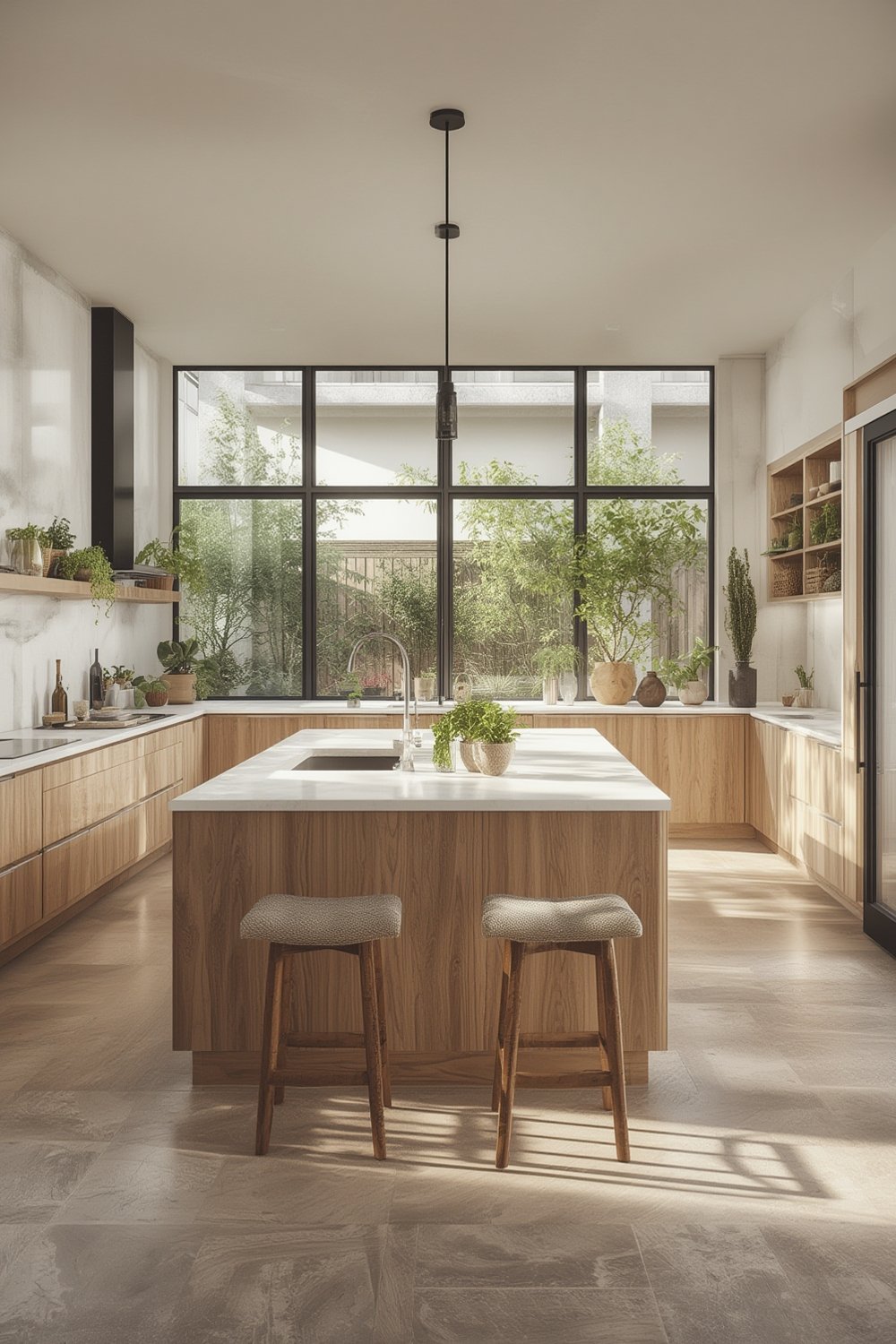
The organic modern kitchen blends crisp, unfussy silhouettes with plenty of natural materials like wood, stone, and fiber. This style has exploded as people want kitchens that connect with the outdoors and foster well-being. According to the NKBA 2024 Kitchen Trends Report, over 70% of professionals say clients now prefer nature-inspired elements—think pale white oak cabinetry, honed matte stone, and spaces that flow directly into gardens or patios. Demand for painted finishes is falling, replaced by the rise of light, visible woodgrain and matte surfaces that soothe the senses. The trend has accelerated over the last five years, with a major shift from white and gray schemes toward warmer tones and sustainable choices driven by wellness and biophilic design (source).
How to Achieve an Organic Modern Kitchen: Step-by-Step Guide
Transforming a standard kitchen into an organic modern kitchen involves a careful sequence of material choices, layout adjustments, and finish selections. Here’s a practical roadmap:
- Evaluate your space. Identify which elements (cabinets, counters, flooring) can be replaced, refinished, or upgraded versus untouched.
- Choose natural wood for cabinetry. Opt for white oak, walnut, bamboo, birch, or alder. Light finishes with minimal staining highlight the grain. For the most eco-friendly choices, look for FSC-certified or reclaimed wood.
- Pick authentic stone surfaces. Install honed or matte-finish natural stone for counters or backsplashes—marble, soapstone, and quartzite are top picks.
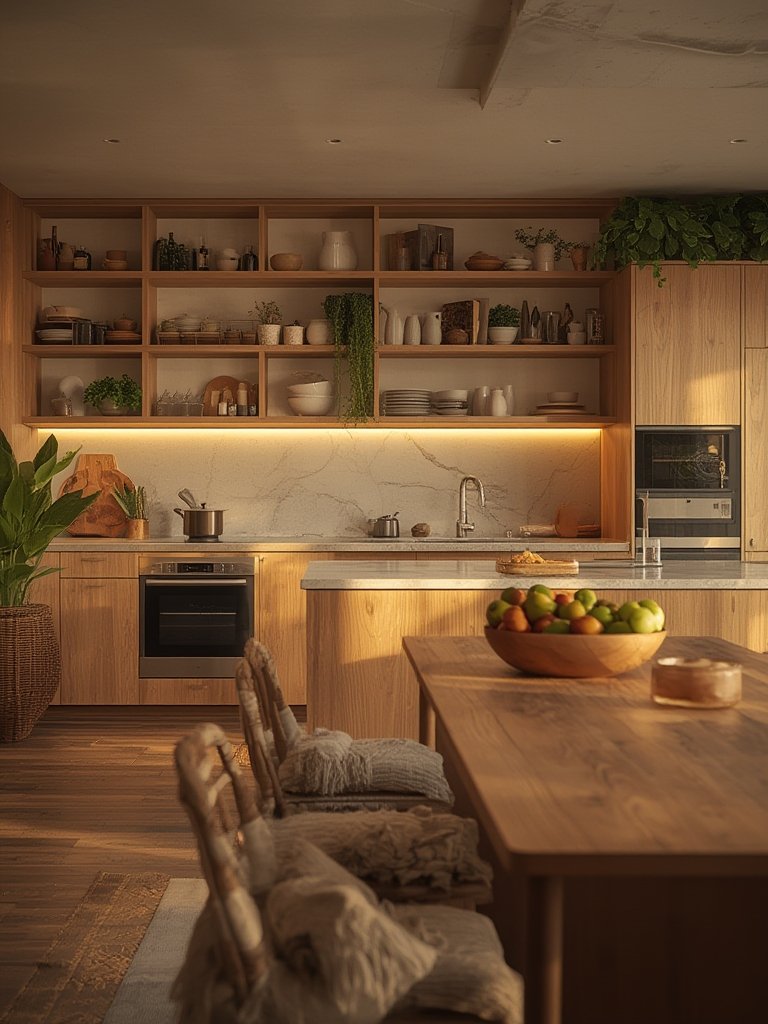
- Embrace texture. Fluted or reeded cabinet panels, as predicted by 25% of designers (source), and woven pendant lights or stools add visual character.
- Adopt a warm, neutral palette. Layer whites, taupes, beiges, and soft earth tones. Skip high-gloss and bright colors—organic modern works best with tone-on-tone warmth.
- Connect kitchen to outdoors. Consider adding larger windows or sliding doors. Use materials and plants that visually extend into a garden or patio.
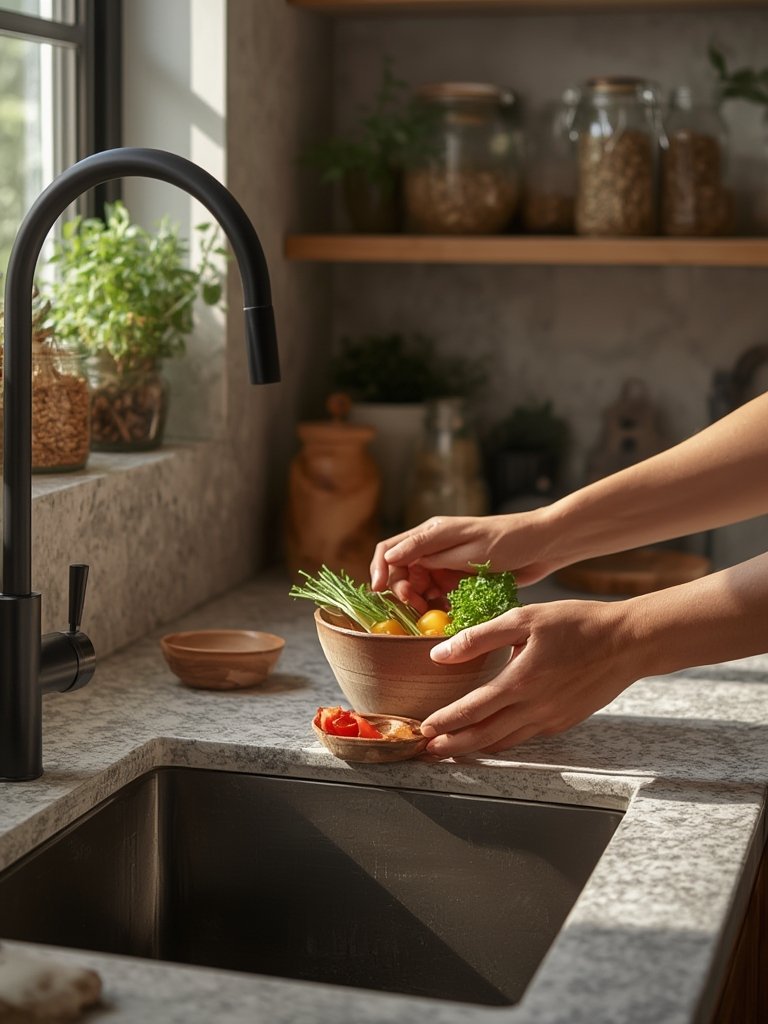
- Use minimalist, functional fixtures. Select hardware in matte black, brushed brass, or soft bronze. Keep forms sleek but avoid harsh edges. Light fixtures can be sculptural but should use natural materials.
- Invest in sustainable accents. Pick up woven fiber rugs (see kid and pet friendly rug options), recycled bar stools, or upcycled wood for shelves and islands.
Don’t overlook layout—open kitchens with an island that doubles as a dining space are favored by 57% of designers (NKBA). If possible, remove upper cabinets along outside walls to bring in more light and accentuate natural finishes. Smart, low-maintenance upgrades like a machine washable rug or a machine washable rug can enhance function without sacrificing style.
Advanced Analysis & Common Pitfalls
While an organic modern kitchen feels serene and looks simple, pulling it off requires attention to several real-world challenges:
- Sustainable Sourcing: Popular woods like white oak are slow-growing and in high demand. Consider faster-growing (and often more affordable) alternatives like birch or alder, but pay attention to grain quality and staining challenges.
- Maintaining Aesthetic Integrity: Exposing natural grain and stone draws attention to blemishes and daily wear. Matte finishes show smudges and water rings faster than glossy painted cabinets.
- Cost Factors: While no direct price comparison is available for 2024, organic modern kitchens tend to involve higher upfront costs versus traditional shaker cabinets/engineered stone—especially if opting for FSC-certified, reclaimed wood, or premium stone surfaces (source).
- Balance Between Rustic and Refined: Too many textured elements can feel busy or rustic rather than calm and elegant. Too few and the kitchen loses its organic touch.
| Feature | Organic Modern | Traditional Modern |
|---|---|---|
| Cabinet Material | White oak, walnut, bamboo, birch, alder (often FSC/reclaimed) | Shaker style, painted MDF or engineered wood |
| Countertop Material | Honed or matte-finish natural stone (marble, soapstone, quartzite) | Polished engineered stone, quartz |
| Eco-Friendly Certifications | FSC, reclaimed, low-VOC | Rare, optional |
| Maintenance | Medium (grain/stone is visible, may reveal wear) | Lower (paint hides marks, but chips may show) |
| Furniture & Fixtures | Fluted/reeded wood, woven fibers, warm metals | Smooth surfaces, chrome/steel, less texture |
Be realistic about ongoing care: natural stone (especially honed surfaces) requires regular sealing and can etch or stain if spills aren’t quickly wiped. Open shelves and light woodgrain fronts look stunning, but they do show grime and fingerprints faster. Fluted panels can trap dust more than flat fronts. In busy homes with kids or pets, low-maintenance surfaces—like a machine washable rug or slip-resistant kitchen mat (see non-slip rug)—can be a practical upgrade.
Conclusion
Warm, authentic, and inviting—an organic modern kitchen harmonizes natural beauty with low-key daily functionality. This is not just a fleeting trend: reports and sales signals show that the organic modern kitchen is here to stay (NAR). Whether you’re planning a full remodel or small updates, smart swaps in cabinetry, stone, and décor can dramatically transform your kitchen into a space that feels calm, current, and personal. Don’t let maintenance or sourcing worries hold you back—use the right product picks and practical design strategies to get that organic modern kitchen you’ll love for years. Ready to take the next step? Start by evaluating which natural upgrades fit your budget, or discover more actionable home improvement ideas in our energy efficiency upgrades guide.
FAQ
What wood is best for organic modern kitchen cabinets?
White oak and walnut are top choices for their subtle grain and timeless appeal. Bamboo, birch, and alder are good, sustainable alternatives with a light, natural look.
How can I make an organic modern kitchen pet-friendly?
Use durable, washable rugs (kid and pet friendly rug) and choose easy-clean, matte-finish cabinets. Opt for hardware and fixtures that don’t show smudges or scratches.
Is it more expensive to build an organic modern kitchen?
Generally, yes. Premium woods, real stone, and eco-certified materials often cost more than engineered alternatives or painted finishes. If budget is tight, focus on updating just the main island or a single bank of cabinets.
Are organic modern kitchens hard to maintain?
Matte stone may require regular sealing, and light woodgrain can show smudges. However, choosing appropriate finishes and incorporating easy-care textiles can minimize extra effort.
Can I include modern appliances in an organic modern kitchen?
Absolutely. Integrated, panel-ready appliances in neutral finishes blend seamlessly. Smart gadgets like a smart cutting board can enhance convenience without sacrificing style.