

Pet feeder for weight loss is drawing interest among cat and dog owners who want to manage their animals’ health more easily, with scientific research finally backing its benefits. Automated feeding systems promise portion control, schedule consistency, and potential reductions in obesity—but design flaws and missing features still hold some pets (and their owners) back.
Key Takeaways
- Latest studies show smart feeders can improve weight outcomes in multi-pet homes, especially for cats, but dog-specific data is lacking.
- Major technical drawbacks include limited fine calibration, power reliability, and lack of direct calorie counting.
- Successful use depends on pairing feeders with proven weight management strategies and monitoring.
The Core Concept
Automated pet feeders for weight loss offer precise meal control, automatic scheduling, and can help owners prevent overfeeding. Scientific evidence from 2023-2024 shows their real-world impact: for instance, an overweight cat study found that using a smart feeder with individualized, portioned meals resulted in 83.2% of cats reaching an ideal body condition, compared to just 40% and 0% in groups with fewer meals or standard bowls. These feeders are especially promising in homes with multiple pets, where sneaky eating and competition make manual bowl feeding unreliable.
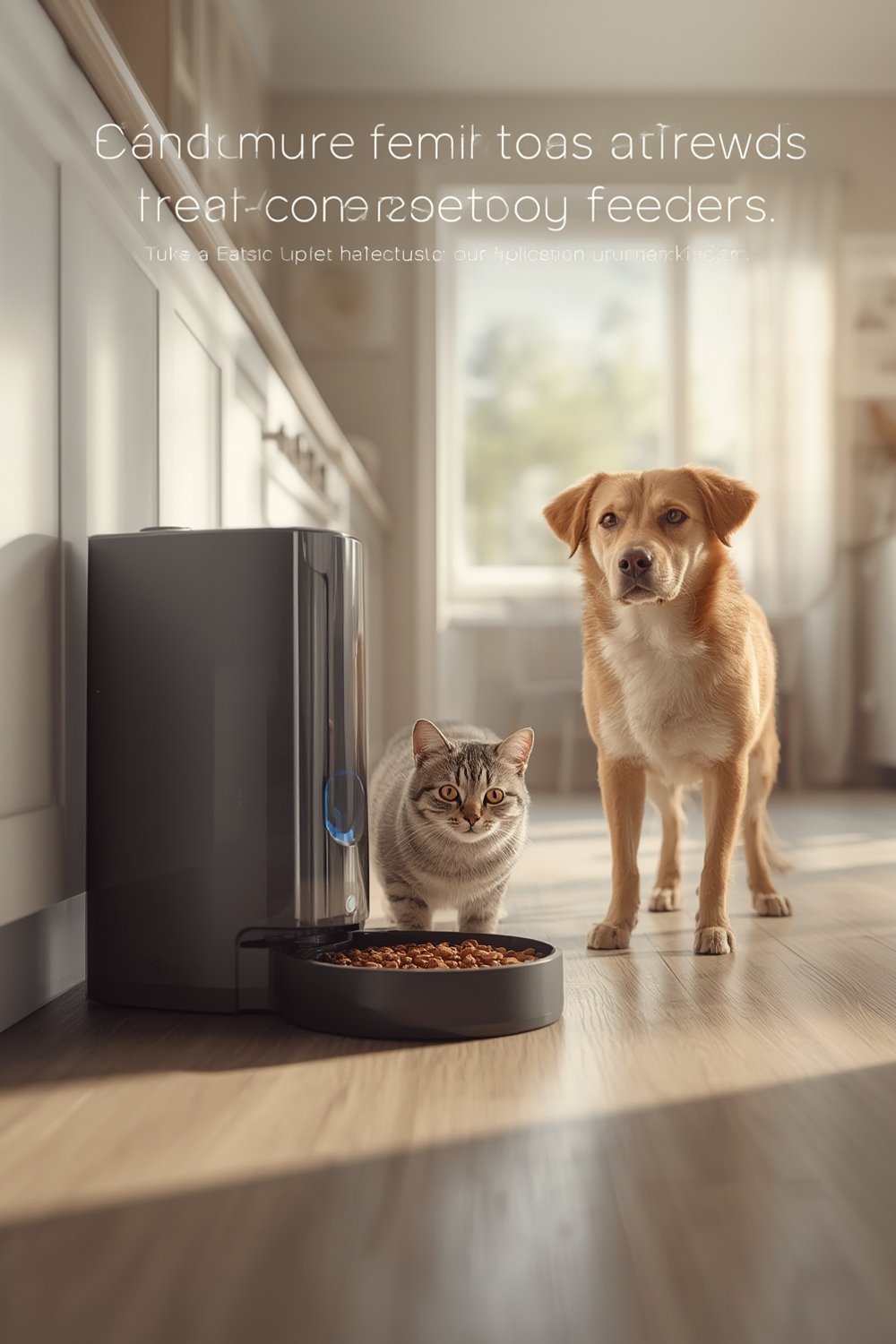
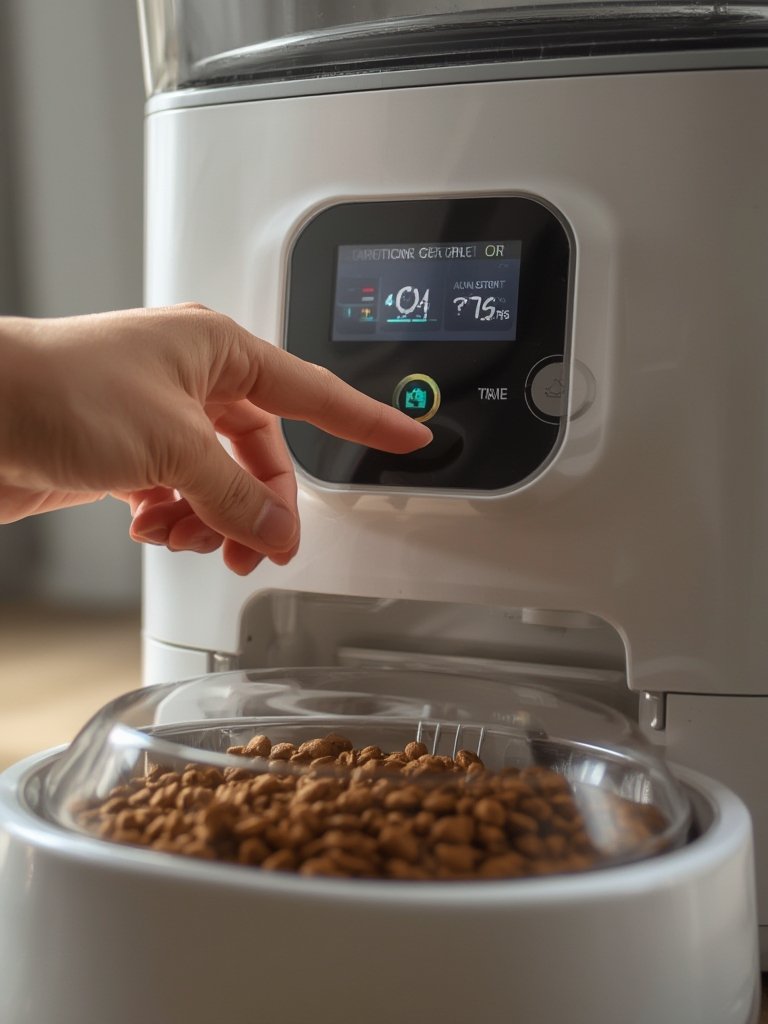
Most smart feeders measure portions, offer multi-meal scheduling, and some connect to apps for basic monitoring. While true calorie-based programming is not standard yet, incremental control (for example, dispensing 1/8 cup at a time) helps guide pets toward their target weight when used alongside veterinary advice.
Obesity in pets doubles the risk of chronic illness and shortens life expectancy. Regular bowls make it easy to lose track of portions, leading to overfeeding without realizing it. Pet feeders for weight loss help solve that specific problem by acting as a gatekeeper. If you already have other smart home devices—like an automatic cat feeder with WiFi or Alexa-enabled gadgets—you’ll likely appreciate how connected feeders can fit into that workflow.
Step-by-Step Guide
Follow this action plan to maximize success with a pet feeder for weight loss.
- Consult your veterinarian for a safe weight-loss goal. Most vets recommend a gradual plan, calculating your pet’s ideal weight and suggesting an initial daily calorie allowance. For cats, use recent formulas (like targeting a body condition score of 4–6 out of 9), as noted in the latest cat weight loss study.
- Research feeder options for reliability and portion accuracy. Look for models with redundant power (battery backup), rigid food dispensers, and positive reviews on portion consistency. Consider connectivity—if you prefer monitoring from an app, check compatibility as discussed in resources like smart dog feeder Alexa and WiFi cat feeder guides.
- Set up the feeder, confirming its increments match your pet food’s calories per unit. Since many devices only allow 1/8 cup adjustments (about 37 kcal for standard cat food), you may need to slightly round up or down to hit the target calories as closely as possible.
- Split daily food into 2-6 small meals. This mirrors the research-proven method for multi-cat homes: the group eating six meals per day had far higher rates of achieving an ideal condition. Spreading out meals also blunts hunger and reduces food-seeking behaviors. Want further time-automation tips? See related solutions like smart night lights for your feeding area to avoid stress for pets at night.
- Monitor for feeding errors, technical malfunctions, and power failures. Most negative reviews stem from feeders jamming, drifting portions, or failing after a power outage. Some feeders will only function on household power—battery features can help maintain consistency and avoid missed meals.
- Track your pet’s progress. Log weekly weight, changes in food-seeking behaviors, and how easy/hard you find using the feeder. In the latest cat study, owners found automated feeding much simpler and observed fewer pets begging for food, boosting success.
- Adjust as needed and practice patience. Weight loss is rarely linear. Small plateaus are normal. Reach out to your vet or a reputable online pet resource if you hit problems or have trouble adjusting increments to meet calorie goals.
Advanced Analysis & Common Pitfalls
Despite promising research, many users encounter difficulties or make errors that can undermine their pet’s weight loss. Here are the main pitfalls, based on findings from the scientific literature and industry analysis:
| Pitfall | Level of Impact | How to Address |
|---|---|---|
| Imprecise portion increments (minimum 1/8 cup) | Moderate to High | Double-check against a kitchen scale, manually adjust daily totals as needed. |
| Feeder jams or mechanical failures | High | Perform regular maintenance and cleaning. Choose models with strong reliability records. |
| Power outages affecting feeding schedule | High | Opt for feeders with battery backup; test before relying on unit long-term. |
| No direct calorie input; only portion size control | Moderate | Check food packaging for kcal/cup and calculate portions in advance. |
| No integration with vet/diet apps for monitoring | Low to Moderate | Use manual logging or synchronize with third-party apps when available. |
| Pet food theft by multiple animals (“power eaters”) | High for multi-pet homes | Buy RFID or microchip-activated feeders to prevent unauthorized snacking. |
| User frustration with difficult programming or lack of notifications | Moderate | Prefer feeders with mobile app connectivity and clear interface. |
Most current feeders lack direct calorie input. They rely on measuring volume (cups, grams) rather than integrating food-specific calorie data, so owners must match feed increments to pet food brands themselves.
Technical reliability remains a recurring headache: jams, battery/infrastructure failures, and drift in the dispenser’s portions create headaches for many users. Inconsistent portions or meal skips disrupt meal plans and risk sabotaging weight loss.
Want to simplify cleaning and reduce feeder jams from oily kibbles? Explore broader kitchen upgrades like a smart cutting board for prepping fresh meals, or a kid and pet friendly rug under your feeding area for quick cleanup.
Conclusion
Automated feeders make weight management more feasible for busy owners and multi-pet households. They don’t replace veterinary advice, but with the right precautions and realistic expectations, they’re proven to help more pets achieve healthy weight, especially cats. Remember, most units do not use true calorie-based algorithms, so you’ll need to double-check your food’s calorie counts and monitor results. Regular validation ensures your chosen pet feeder for weight loss delivers on its promise. For pet owners who value precision and peace of mind, upgrading your feeder can finally put you and your pet on the path to a longer, healthier life.
Curious about savings elsewhere at home? Read about energy efficiency upgrades or browse top-rated robot vacuums for pet hair to make life simpler, cleaner, and healthier for both you and your pets!
FAQ Section
Can automatic feeders directly control calorie intake?
No, most current feeders only let you set the portion size (by volume), not calories. You’ll need to match the volume dispensed to your pet food’s calorie density.
Is a pet feeder for weight loss safe for all pets?
Gradual weight loss with portion control is generally safe, but always consult your veterinarian for a custom plan. Some medical conditions require different strategies.
How often should I weigh my pet during a weight loss program?
Weekly weigh-ins are recommended. Small, regular changes let you adjust the feeder settings as needed without drastic shifts.
What should I do if my feeder jams or malfunctions?
Most jams are caused by oily or irregular-shaped kibble. Clean the device regularly and don’t overfill. Backup meals (or manual feeding) may be needed if faults persist.
Are there feeders that link to veterinary or diet-tracking apps?
Few current models integrate directly. Manual logging is still needed for most veterinary monitoring. Look for future releases with app/API connectivity for seamless tracking.