

Key Takeaways
- The global pine wood furniture market is valued at $25 billion in 2024, with demand strongest in eco-friendly, modern homes.
- Solid, reclaimed, and engineered pine all have unique advantages and issues—make sure you know the difference before buying.
- Simple updates, like paint or hardware swaps, can transform dated pine furniture into a contemporary highlight.
- What Is Pine Furniture and Why Is It So Popular?
- How to Shop, Refresh, or Modernise Pine Furniture: Step-by-Step
- Advanced Analysis & Common Pitfalls
- Conclusion
- FAQ
What Is Pine Furniture and Why Is It So Popular?
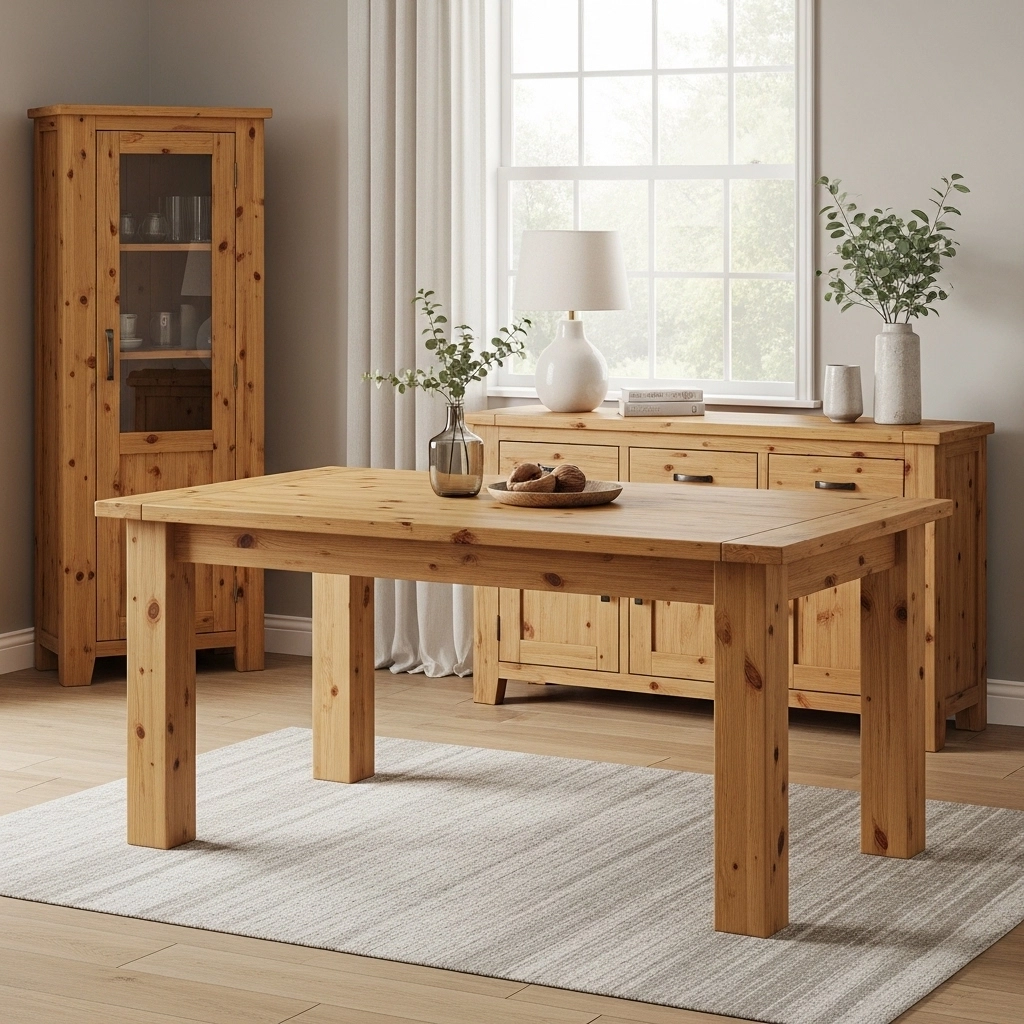
Pine furniture includes any home furnishings made from pine wood, whether new, reclaimed, or engineered. The versatility and renewable nature of pine make it a core material for everything from dining tables to sideboards, beds, and rustic cabinets. Pine is less expensive than oak or walnut, lighter to handle, and easy to paint or restyle.
Recent market research shows pine wood furniture is having a resurgence, especially with the increased interest in eco-friendly options. The global market is worth about $25 billion in 2024 and expected to climb 4.5% annually through 2033. Europe and North America (notably the US) are leading the trend, driven by demand for sustainable, renewable furniture that works in both rustic and modern settings.
In the UK and Europe, pine is especially prized for its lower environmental footprint and ability to be sourced from FSC-certified forests.
How to Shop, Refresh, or Modernise Pine Furniture: Step-by-Step
- Decide which type of pine works for your needs:
- Solid pine—Traditional, sturdy, can be refinished, dents and scratches more easily.
- Reclaimed pine—Aged look, more sustainable, more character, but check for hidden damage and woodworm.
- Engineered pine—Budget-friendly, stable, but sometimes lacks the rich grain of solid wood.
- Inspect for Quality:
- Check for tight joinery, well-sealed surfaces, and smooth drawer or door action.
- Avoid items with rough knots, deep splits, or a sticky lacquer finish.
- Ask about sustainability certifications if you care about eco credentials.
- Refresh or Modernise Existing Pine Furniture:
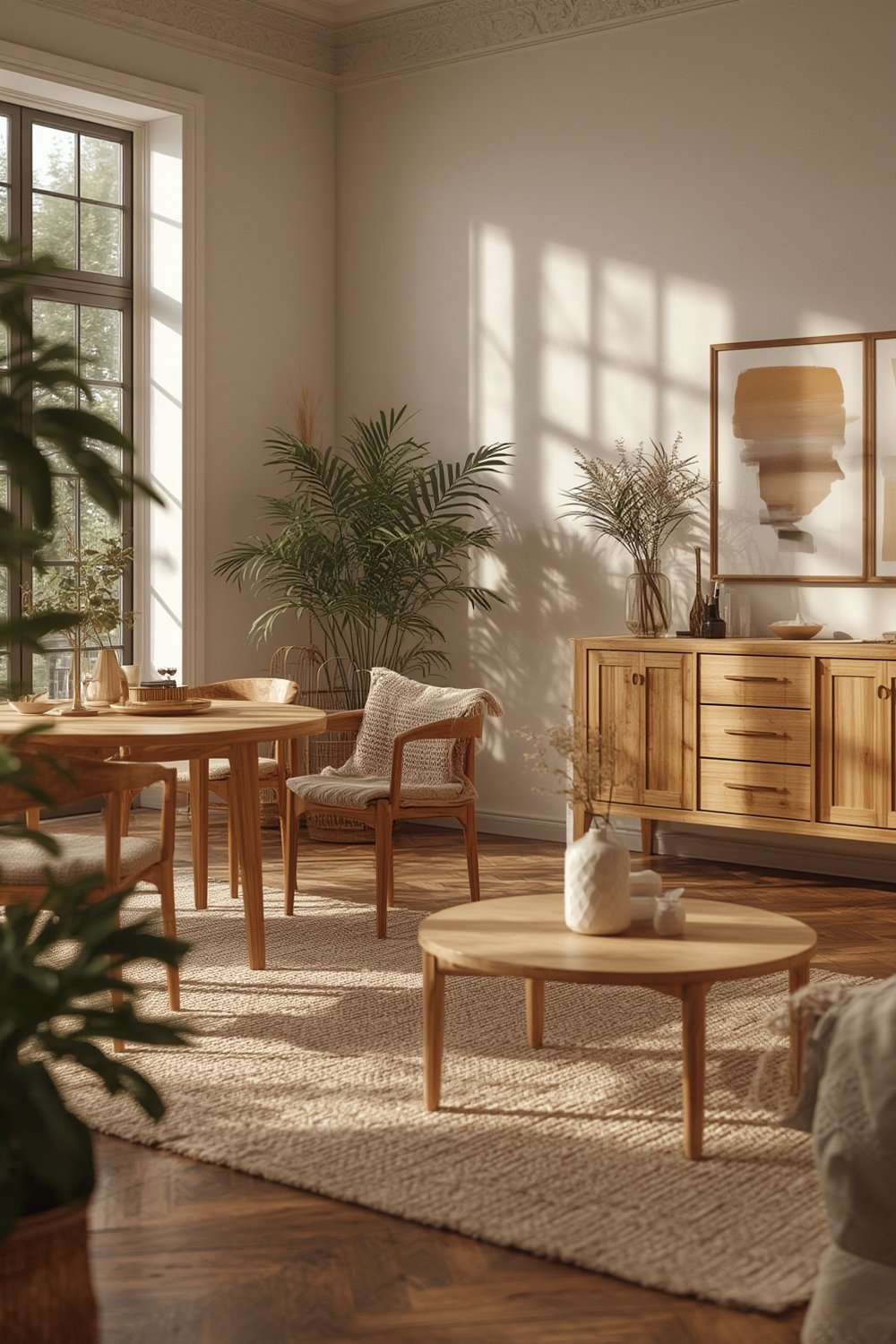
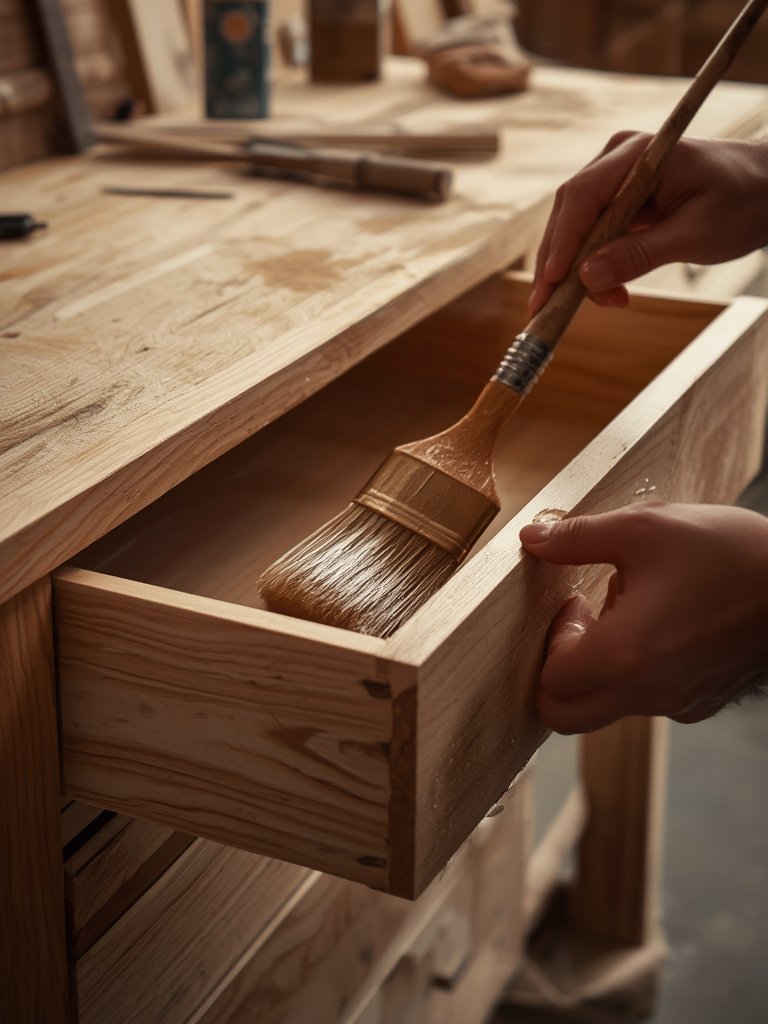
- Light sand and paint with muted, matte colours for a modern look.
- Swap dated knobs with sleek hardware—see how quick a refresh can transform your space.
- Add a contrasting material (like a marble tray or brass legs) for a custom touch.
- If cleaning, use a pH-neutral soap and finish with natural wax.
- Be Real About Drawbacks:
- Modern engineered pine is water-resistant, but solid and reclaimed pine absorb spills faster—use coasters.
- Pine softwood means dings are common. If you want heirloom durability, choose responsibly harvested hardwoods instead.
- Check for toxicity and emissions if buying painted or engineered furniture—look for third-party standards like GREENGUARD or FSC.
For extra home improvement inspiration, check out proven guides on transforming your space with crown molding or making targeted energy efficiency upgrades. Both pair beautifully with warm, natural pine accents.
If you’re refreshing a kid or pet-friendly space, combine your pine with an easy-clean washable rug or non-slip runner for hardwood to protect surfaces and modernize the look.
Advanced Analysis & Common Pitfalls
Pine furniture has come a long way, but not every piece or approach suits every home or taste. Here’s what to look out for, according to recent research and user experience:
| Type | Pros | Cons | Best Use |
|---|---|---|---|
| Solid Pine | Natural grain, easy to repair, can sand/refinish | Prone to scratches, water marks, yellowing | Dining tables, bookcases, beds (with low moisture risk) |
| Reclaimed Pine | Sustainable, characterful, unique patina | Hidden flaws likely, possible past pest damage | Coffee tables, accent cabinets, farmhouse kitchens |
| Engineered Pine | Stable, affordable, less prone to warping | Lower “real wood” feel, harder to repair deep dents | Storage units, wardrobes, shelving |
- Pitfall 1: Mismatching Style—Large, chunky pine furniture can date a room unless softened with modern paint, hardware, or placement. Always preview with mood boards or digital mockups.
- Pitfall 2: Finish Failure—Pine absorbs stains unevenly. Prime or seal before painting or staining. Always test on an offcut.
- Pitfall 3: Quality Shortcuts—Engineered pine can be great for built-ins but is easily damaged by overloading. Know your weight limits before buying shelving or sideboards.
- Pitfall 4: Misleading “Sustainability” Claims—Ask for proof of FSC or PEFC certification to ensure you’re not buying greenwashed product. Review independently sourced reports, such as this Europe pine wood market study or this in-depth review for further insights.
- Pitfall 5: Skipping Surface Prep—Old varnish and wax can block new paint or stain. Always strip or scuff-sand before applying finishes.
Conclusion
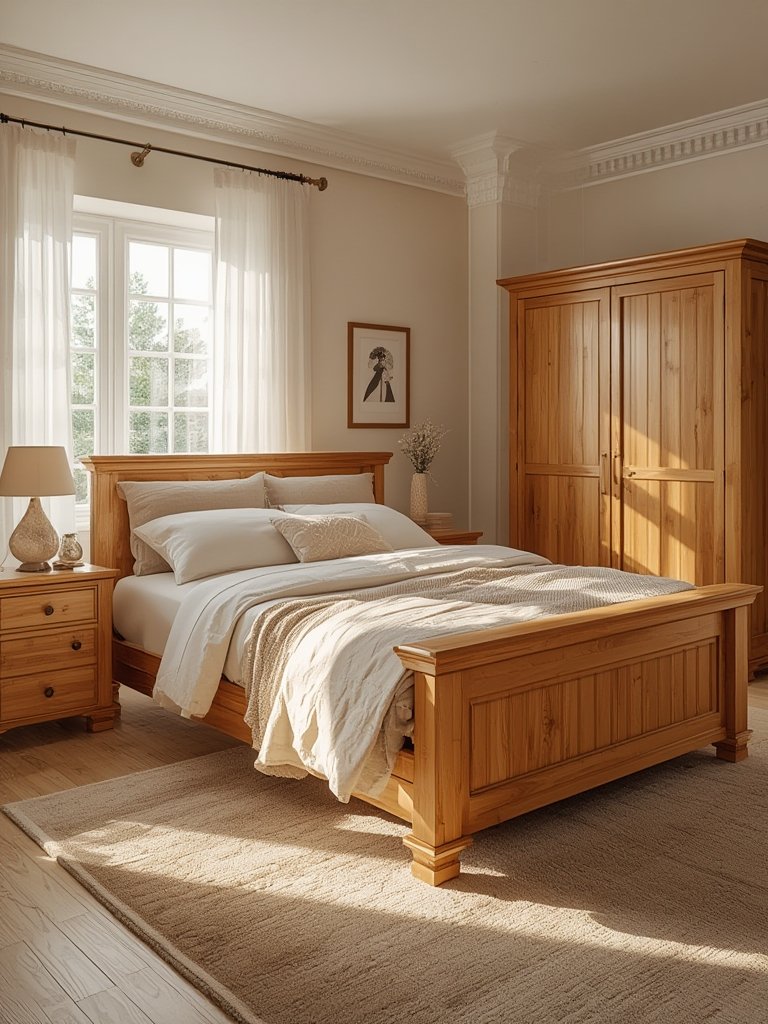
Pine furniture is still a standout choice for homes prioritizing style, warmth, and sustainability. With thoughtful shopping and simple upgrades, it can look fresh and stay functional for many years. Whether you’re planning a full renovation or a simple update, understanding your options with pine furniture pays off—both for your home’s look and for the environment. Ready to upgrade your space? Explore more home transformation guides or compare your bedroom refresh options for a full room makeover.
FAQ
Is pine furniture still in style for contemporary homes?
Yes, especially when mixed with modern accents like matte finishes or contrasting hardware. Pine’s natural grain works in both rustic and minimalist settings.
What is the main downside to pine furniture?
Pine is a softwood, so it’s more prone to dings and scratches than hardwoods. Protective finishes and gentle care help minimise damage.
How can I modernize old pine furniture without major work?
Try painting it a muted color, swapping out handles, or adding new legs. Simple styling shifts can completely change the look.
Is reclaimed pine better for sustainability?
Reclaimed pine gives new life to old materials, lowering the demand for new lumber. Look for sellers who can verify the reclaimed source.
Can I use pine furniture in high-traffic family rooms?
Yes, but use protective wax or oil and add soft, washable rugs to prevent excess wear. Pine furniture pairs well with machine-washable rugs for easy maintenance.