

Residential siding installation can change everything about your home’s exterior—your curb appeal, comfort, and even what you pay for heating and cooling. But if you’re planning a siding project in 2024, market trends, material choices, cost breakdowns, and “hidden” pitfalls all matter. Here’s a no-nonsense, step-by-step guide to getting siding right from day one.
Key Takeaways
- Vinyl siding dominates the US market, but other materials like structural panels and brick hold significant shares. Trends show strong growth powered by renovation and energy efficiency needs.
- Homeowners often run into project delays, unclear contractor communication, and installation surprises—yet few articles address these specific pain points.
- DIYers and those hiring a pro need to understand every phase: preparation, material selection, step-by-step install, and what can go wrong for a truly successful residential siding installation.
- What is Residential Siding Installation, and Why Does it Matter?
- Step-by-Step Guide to Perfect Siding Installation
- Advanced Analysis & Common Pitfalls in Siding Projects
- Conclusion
- Frequently Asked Questions
What is Residential Siding Installation, and Why Does it Matter?
Residential siding installation is the process of cladding your house’s exterior walls with protective and decorative panels or boards. The right siding shields the home from weather, improves insulation, resists pests and mold, and upgrades your property’s look and value. In 2024, homeowners have to choose between vinyl, structural panels like OSB, fiber cement, brick, wood, or metal—each with pros, cons, and big differences in ROI, durability, and cost.
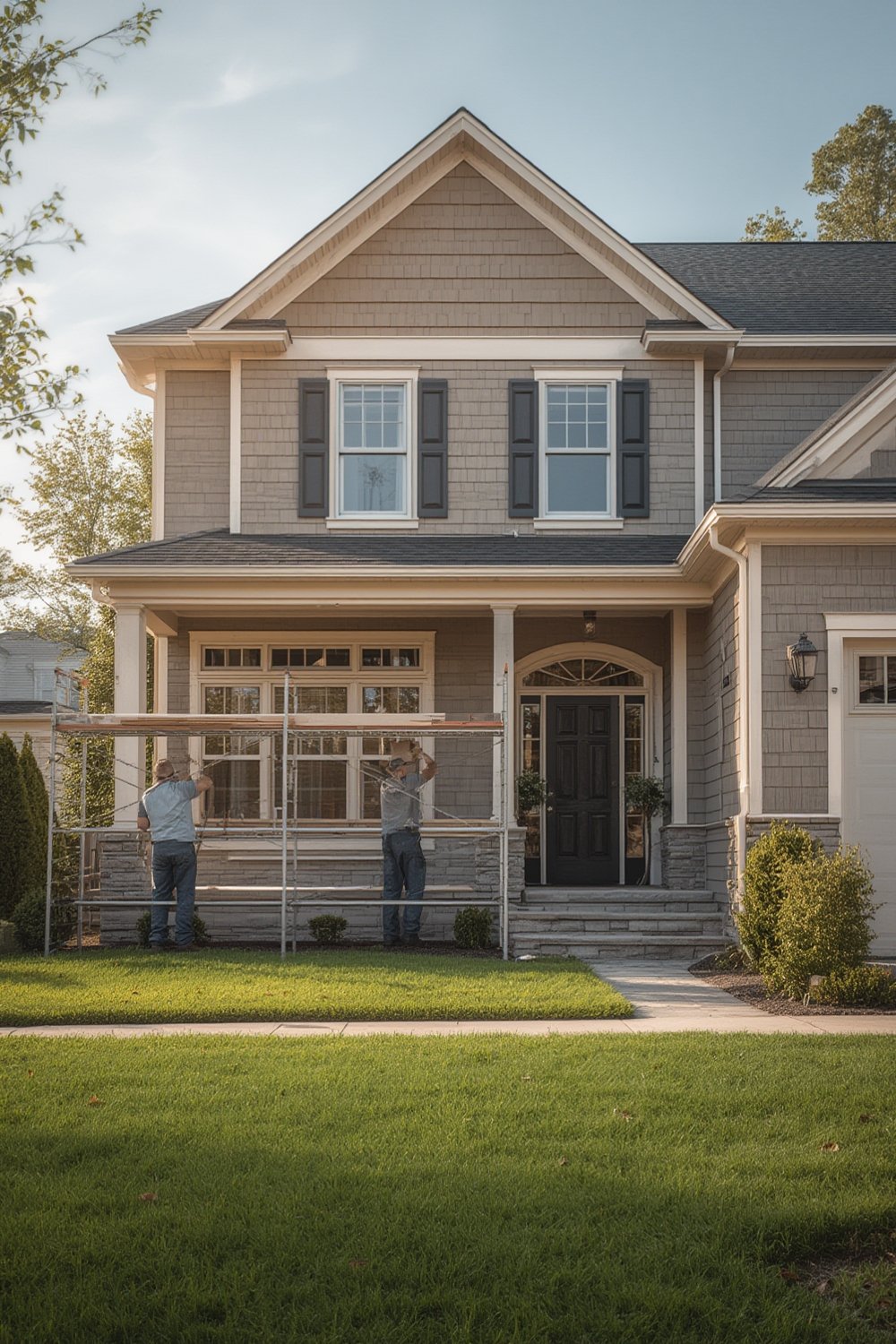
The latest data shows the US residential siding market now tops $18.7 billion, expected to reach $32 billion by 2035 at a 5.0% CAGR. Vinyl leads with a 36.7% market share and about a third of all new US homes clad in it (DataM Intelligence). Homeowners love vinyl’s low up-front cost, energy-saving potential, and easy maintenance. In contrast, alternatives like brick and wood offer unique looks but may require more care or higher up-front investment. Most sources concur: strong demand is driven by renovation and replacement projects, customization, and increasing awareness of energy efficiency (Freedonia Group).
Beyond aesthetics, the right siding ensures your home resists the elements, keeps energy bills manageable, and appeals to future buyers. For more comprehensive tips on related home upgrades, see our guide on energy efficiency upgrades.
Step-by-Step Guide to Perfect Siding Installation
Whether you’re tackling siding as a DIY project or hiring a contractor, following a methodical, step-by-step plan is crucial. Here’s how to ensure a flawless finish—and avoid the classic mistakes that cause headaches, leaks, or regrets down the road:
- Prep Surface & Remove Old Siding
- Inspect for mold, rot, warped sheathing—fix before new siding goes up.
- Remove all old nails and debris.
- Install house wrap or vapor barrier to protect from moisture.
- Check & Flash Openings
- Flash around windows, doors, and foundation with waterproof tape and metal flashing.
- Take your time; bad flashing is a major source of future leaks.
- Layout & First Panel Install
- Snap a level chalk line to establish your starter row and first course. Mistakes here stay visible forever.
- Start at a less visible wall to practice (garage or side wall if possible).
- Main Siding Application
- Work from the bottom up, overlapping panels as required by the manufacturer.
- Fasten with corrosion-resistant nails—not screws—leaving a tiny gap for siding expansion.
- Don’t drive nails all the way; panels must “float” and flex with temperature swings.
- Trims, J-channels, and Soffits
- Carefully install all trim and finishing strips before moving to the next wall for a watertight seal.
- For fiber cement, use special saw blades and sealed fasteners to prevent chipping and water damage.
- Seal Gaps & Clean Up
- Use high-grade exterior sealant at every transition.
- Double check all flashings and panel overlaps.
- Clean the jobsite to prevent trip hazards and future water traps.
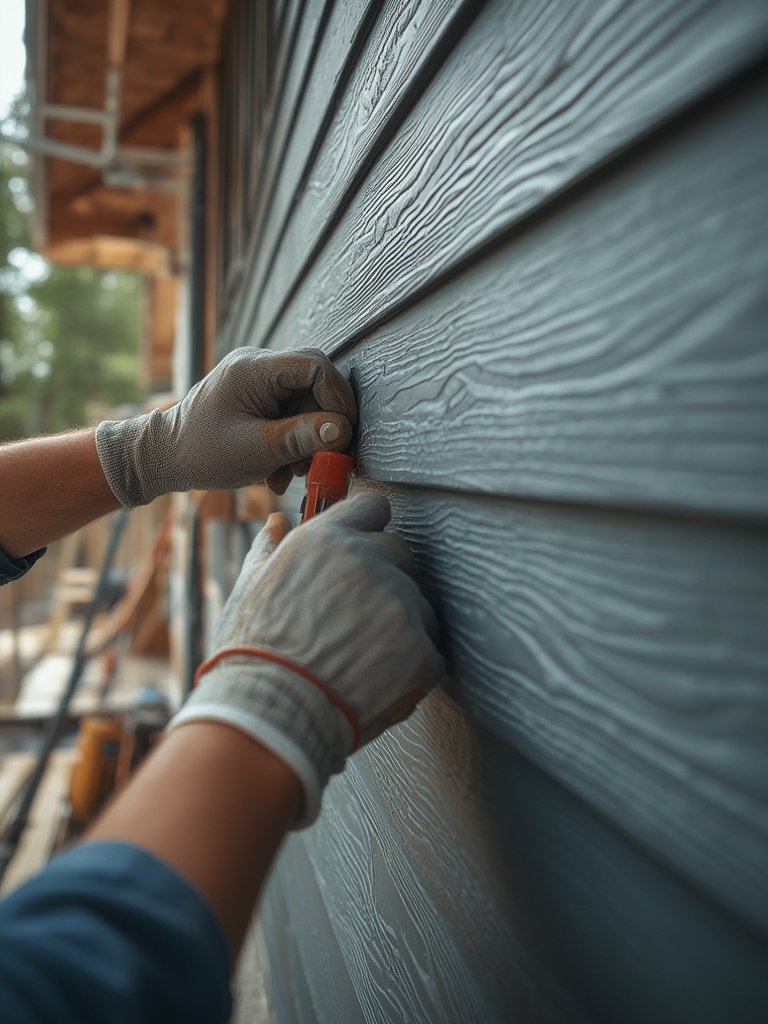
Required Tools: Utility knife, fine-tooth circular saw (or blade appropriate for your chosen material), hammer, siding unlock tool, chalk line, level, hammer tacker, drill, shears (for metal), safety goggles and gloves.
Working with vinyl, fiber cement, or engineered wood has unique tips:
- For vinyl, keep panels loose enough to “float” to avoid buckling on hot days.
- For fiber cement, always predrill near board ends—this stops splitting.
- Engineered wood usually needs factory touch-up paint for end-cuts and nailing lines to prevent swelling.
If you need professional help with detailed moldings or transition trims—like those between siding and soffit—our in-depth guide on crown molding installation covers expert tips for flawless detail work and trusted contractors “near me.”
Advanced Analysis & Common Pitfalls in Siding Projects
Most online guides miss practical issues you’re likely to face. Here’s what a deep dive into the siding market and user reports reveals—plus realistic expectations from start to finish:
Top 5 Siding Installation Pitfalls & How to Avoid Them
| Pitfall | What Happens | How to Avoid |
|---|---|---|
| Poor Preparation | Water leaks or rot under new siding, requiring expensive redo later. | Inspect and repair sheathing, frame, and flashing before installing. |
| Improper Leveling | Wavy panels, misaligned edges visible from the street. | Use a laser or long level, double-check chalk lines—don’t eyeball it. |
| Underestimating Project Scope | Running out of materials, time, or energy; half-finished walls. | Order 10% extra material for waste; allocate 2–3 days longer than initial estimate. |
| Skipping Expansion Gaps | Vinyl or engineered panels buckle, warp, or pop loose with temperature swings. | Follow manufacturer gap and nailing guidelines exactly—never skip. |
| Poor Contractor Communication | Surprise costs, missed deadlines, warranty confusion, and disappointment. | Request everything in writing (scope, price, timeline, warranty). Check recent reviews. |
Siding Material Trends in 2024: Who’s Choosing What, and Why?
- Vinyl: 36.7% market share in the US (DataM Intelligence). Most popular for its mix of affordability, energy efficiency, and minimal upkeep.
- Structural Panels (OSB, Engineered Wood): 27.9% share. Fast installs and good protection, but some regions worry about moisture issues and swelling.
- Brick, Hardboard, and Wood: Offer unmatched character, but installation time, skill, and cost are higher. Brick claims 17.2%, hardboard 13.2%.
- Other Options: Aluminum, western red cedar, and others account for small but passionate segments due to aesthetics and regional preferences.
Residential Siding Cost: What’s Missing in Online Estimates?
Market reports cite an $18.7B US market in 2024, growing at 5%. However, few resources offer side-by-side cost breakdowns by material or region. Always get at least three quotes—and clarify what’s included, from tear-off to insulation, trim, caulk, and haul-away. Labor pricing fluctuates regionally, so learn your ZIP code’s range before committing. For other home upgrade budgeting guides, check our best picks for bathroom remodeling companies.
ROI, Maintenance & Lifespan—Real Differences by Material
- Vinyl: 20–40 year lifespan; lowest maintenance and high ROI for curb appeal. Energy efficiency upgrades with insulated vinyl cost more up front but pay back over time (see our energy savings guide).
- Fiber Cement: 30+ years with periodic painting, resists fire and termites, up-front costs are higher than vinyl but lower than brick.
- Wood & Engineered Wood: 15–30 years with diligent sealing and touch-up. Highest on maintenance but strong on appearance for certain homes.
- Metal: 40–70 years if properly coated—rare but increasingly chosen in modern builds for ultra-low upkeep.
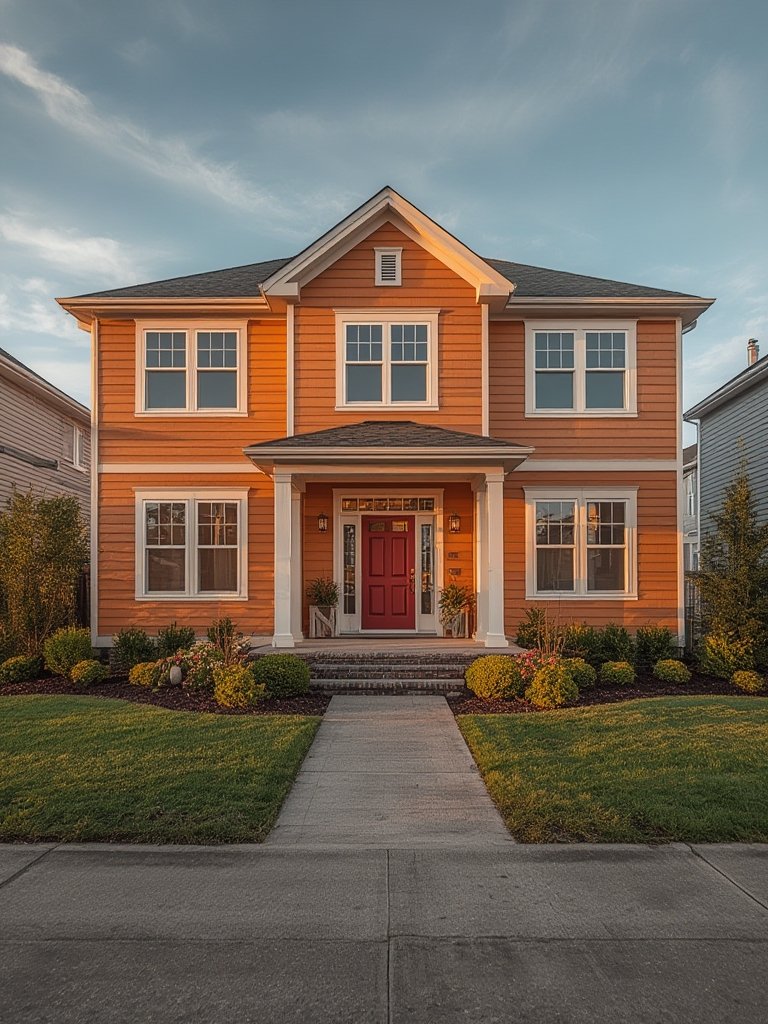
Beyond Siding: Don’t Neglect Other Low-Maintenance Solutions
If you value minimal upkeep throughout your home, don’t miss our top recommendations for kid and pet friendly rugs and long-lasting scent boosters to extend cleanliness and comfort indoors as well.
Conclusion
Successful residential siding installation starts with understanding today’s market, picking the material that fits your budget, climate, and needs, and following a proven, step-by-step process—plus anticipating pitfalls most guides skip. When in doubt, get multiple quotes, check real homeowner reviews, and never skip detailed preparation. Ready to transform your home’s curb appeal and protection? Start planning your siding project today—and see how smart choices now can pay off for decades.
Frequently Asked Questions
How long does residential siding installation take?
For an average 2,000 sq ft house, professional installation of vinyl siding takes about 1 to 2 weeks from start to finish. DIY installs may take up to 3 weeks, depending on weather and skill level.
What is the best siding material for energy efficiency?
Insulated vinyl siding and fiber cement are top choices for energy efficiency. Both options, when combined with a sealed house wrap, provide a significant reduction in heating and cooling loss.
What are common mistakes to avoid during siding installation?
Common mistakes include improper wall prep, failing to leave expansion gaps, cutting panels unevenly, and not following the manufacturer’s fastening instructions. These can lead to warping, leaks, or early failure.
Do I need a permit for siding installation?
In most municipalities, yes—a building permit is required for replacing or installing siding. Always check with your local building department before starting the project.
How do I maintain my new siding?
Vinyl or metal siding: inspect annually and wash with soap and water. Fiber cement and wood require regular caulking and periodic painting or sealing to extend their lifespan.