

Robotic lawn mower adoption is transforming how homeowners and professionals tackle lawn maintenance—delivering hands-off mowing, time savings, and smarter landscapes without the hassle of weekly chores.
Key Takeaways
- Robotic lawn mowers are set to nearly double their global market value by 2036, fueled by automation, labor shortages, and smart technology integration.
- Major growth comes from North America and emerging markets, but users report confusion around setup, boundary wire, and slope performance.
- Advanced models offer wire-free navigation and smart mowing features, but product-level testing and user review data remain limited.
The Core Concept
Robotic lawn mowers are autonomous machines designed to keep your grass trimmed with minimal human intervention. They operate on battery power, smart navigation, and, increasingly, GPS and AI systems. Early adopters include homeowners who want to avoid weekend mowing and commercial operators managing large green spaces more efficiently.
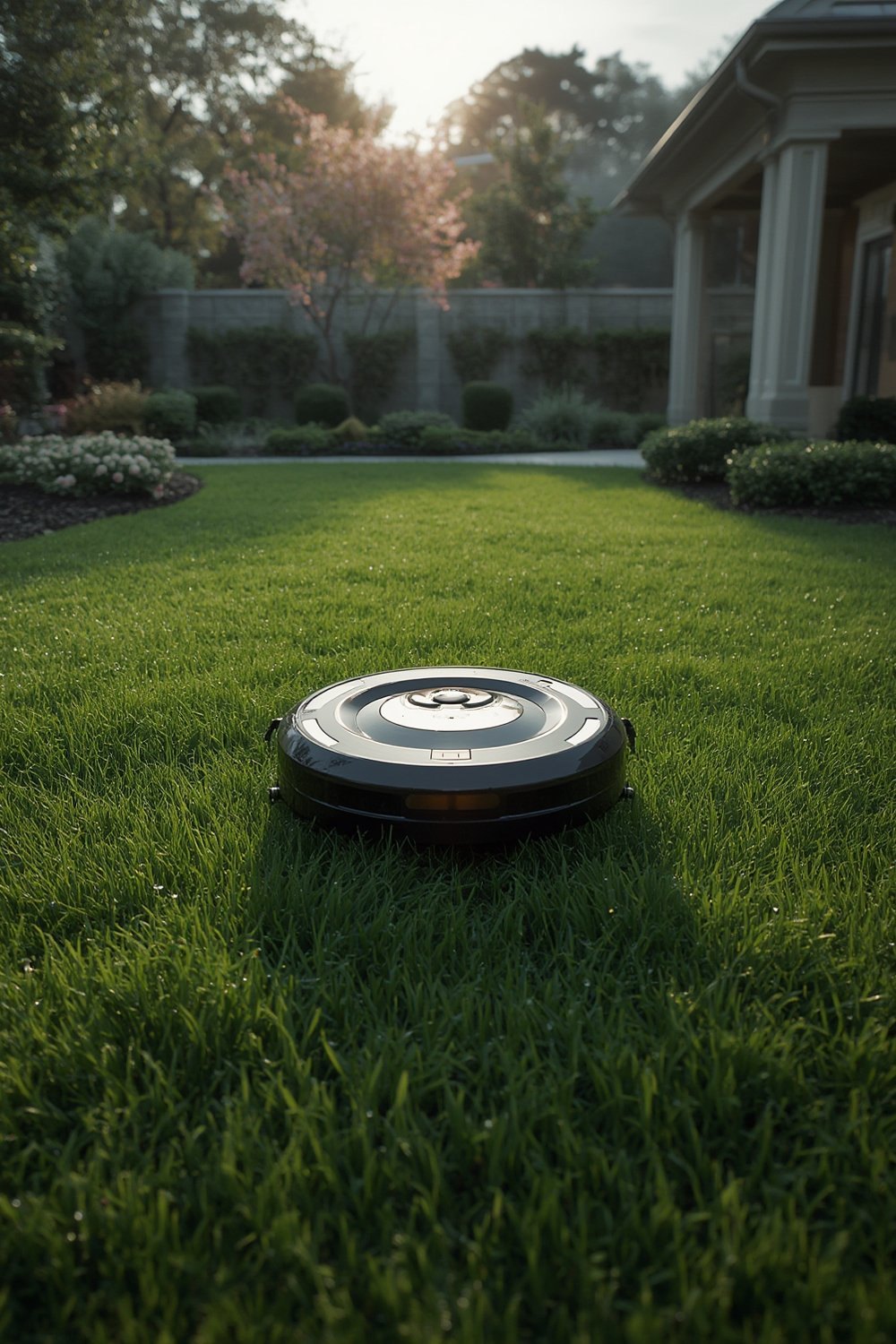
Why do robotic lawn mowers matter now? With a global market worth $3.4–3.5 billion in 2025 and annual growth projected near 7.3%–7.5%, automation is covering more ground than ever [source]. Labor shortages, environmental demands, and the push for smart home integration are making robotic mowers the default upgrade for many residential and commercial landscapes. Market leaders like Husqvarna, Bosch, Honda, and Segway are pushing the tech further with AI navigation, wire-free boundaries, and mobile connectivity.
If you value convenience over tradition, want to avoid recurring labor costs, or manage large turf areas, robotic mowers provide a proven, scalable solution. For those exploring eco-friendlier landscaping, pairing a robotic mower with a clover lawn can reduce fertilizer, watering, and mowing even further.
Step-by-Step Guide
Ready to automate your lawn care? Here’s how to choose, install, and optimize a robotic lawn mower for your property:
- Assess Your Lawn Size and Slope: Measure your turf area (in acres or square meters) and note any steep slopes or barriers. Small lawns (up to 0.4 acres) see the most adoption, but dedicated models serve medium and large plots as well. Not all mowers handle hills equally well—be realistic about what your property needs.
- Pick the Right Model: For basic lawns, entry-level models with limited smart features may suffice. If you have pets, complex borders, or thick grass, invest in models with GPS navigation, AI-based object avoidance, or wire-free operation, like those offered by the latest from Segway Navimow and Husqvarna Automower.
- Prepare for Installation: Traditional robotic mowers require you to lay a physical boundary wire. Plan your perimeter, accounting for garden beds, driveways, or play spaces. If you opt for a wire-free model, ensure your WiFi or GPS reception is reliable across your yard.
- Install the charging dock: Pick a level, accessible spot near power. The mower will return here for automatic charging. Keep the area clear for smooth docking, especially if you get heavy rain or falling leaves.
- Set Up the Boundaries: Lay or map boundaries according to instructions. For wire-free units, use the manufacturer app or on-mower controls to create digital zones. Test for full coverage—missed corners are a common issue.
- Customize Schedules and Preferences: Use built-in controls or the companion app to set mowing times, height, and zones. Avoid scheduling during kids’ playtime, heavy rain, or overnight (to protect wildlife like hedgehogs).
- Monitor and Maintain: Check blades weekly, remove stuck debris, and clear the charging area. Clean sensors and wheels; inspect for software updates which often add features or bug fixes.
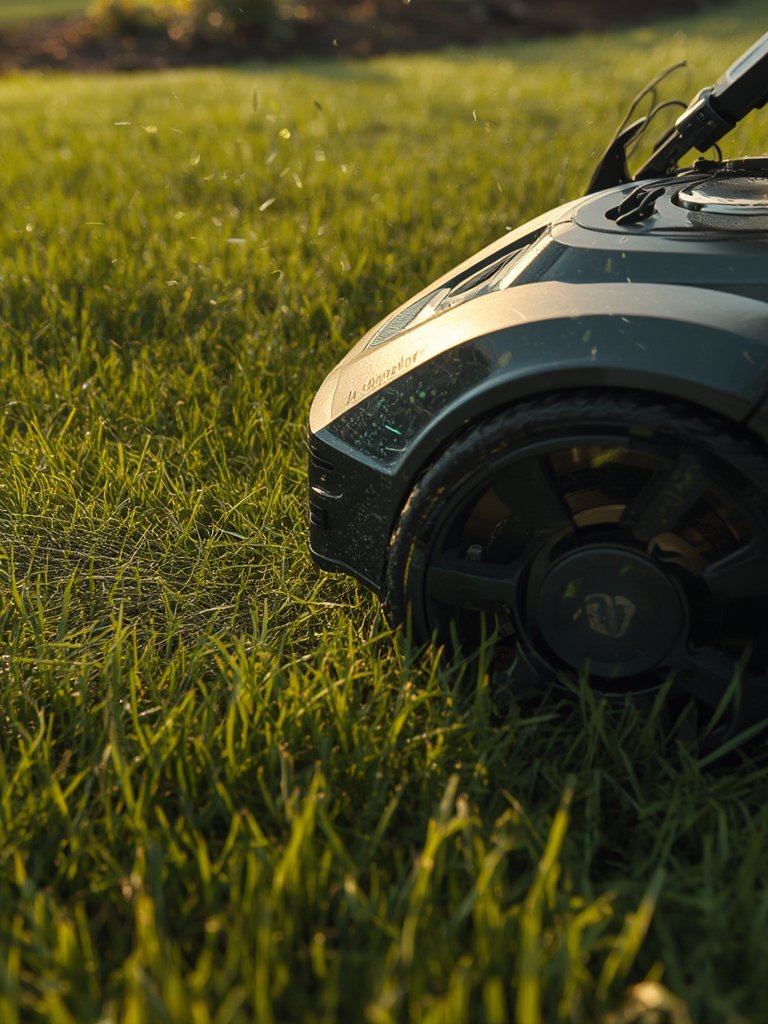
Extra tip: If your mower struggles with zone edges or garden paths, try using a non-slip rug runner to better define separation, or boost traction in muddy transition areas.
Interested in other low-hassle outdoor upgrades? Review our guides on gravel garden ideas for drought-tolerant landscaping, or ice melt spreaders for year-round maintenance savings.
Advanced Analysis & Common Pitfalls
The promise of hands-off mowing draws many buyers in, but real-world use reveals some clear pitfalls and user complaints—especially with initial setup and tech limitations.
| Issue | What to Expect | How to Mitigate |
|---|---|---|
| Boundary Wire Hassles | Laying and troubleshooting wire is tedious, may be damaged by pets, wildlife, or gardening tools. | Opt for GPS or wire-free models where possible, use cable pegs, and avoid high-traffic edges. |
| Poor Slope Performance | Many models slip or stall above 15–25% gradients. Wet or uneven turf compounds issues. | Choose mowers rated for steeper inclines, and mow high-risk areas manually if needed. |
| Missed Spots & Edge Issues | Standard mowers may leave tufts around obstacles or along borders, due to turning radius or mapping errors. | Use app-based “edge mode” if available, or supplement with periodic manual edging. |
| Complex Setup/UI | Initial app pairing, mapping, and maintenance may confuse new users (especially seniors). | Follow video tutorials, seek out units with simple controls, or hire professional installers. |
| Battery & Maintenance Costs | Battery replacements and blade wear are recurring expenses; not always listed by retailers. | Add anticipated wear items into ROI calculations before purchase. Choose brands with strong part supply (Husqvarna, Bosch, etc.). |
| Wildlife & Pet Safety | Night operation can harm small animals; open blades may risk pet paws or toys left outside. | Mow only during daylight and always clear the area of pets or playthings before runs. |
Keep in mind: while battery-powered robotic lawn mowers now hold 85% of the market [source], independent product testing for 2026 models is not widely published. It’s best to ask real owners about reliability, battery degradation, and navigation glitches, or to seek detailed video reviews where available.
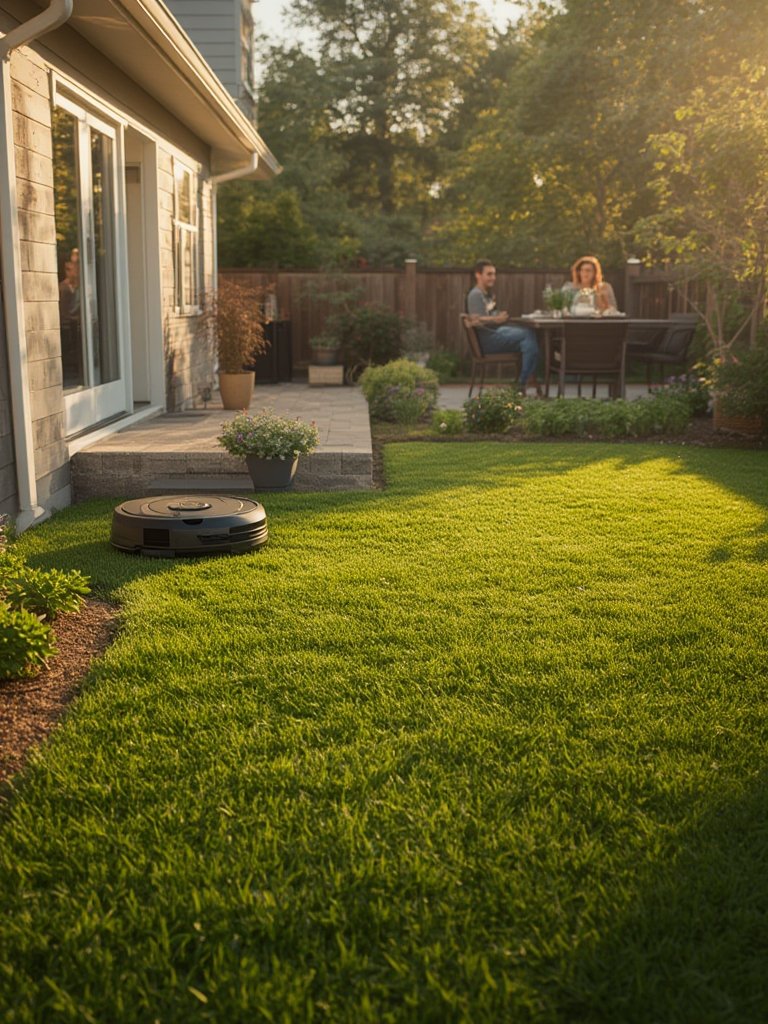
On cost: Market data confirms rapid growth in small lawn adoption (up to 0.4 acres) due to affordability and easier setup—but current research still lacks detailed price, warranty, or long-term satisfaction data for each size class. Many users question if the premium is justified for large, complex properties, or if manual mowing remains more sensible in those cases. If you want the least maintenance, focus on wire-free designs and opt-in installation services for the best results.
Conclusion
Robotic lawn mowers offer a genuine path to a low-effort, tidy yard and have become a mainstream tech upgrade worldwide. Market growth is undeniable, especially in North America and fast-urbanizing regions. However, users should be realistic about installation complexity, occasional missed patches, and ongoing costs tied to blades and batteries. As product testing and user review transparency improve, it’ll get even easier to find the perfect fit for your needs.
Ready to skip your next mow? Research your options, weigh installation demands, and see if a robotic lawn mower can truly deliver the hands-off lawn care you want—or consider blending this tech with energy efficiency upgrades for an even smarter home!
FAQ
How much does a robotic lawn mower cost, including installation?
Pricing varies widely, from $600–$1,500+ for DIY-friendly models for small lawns, up to $3,000 or more for high-end, wire-free commercial units. Professional installation—especially for boundary wire—usually adds $300–$700. Budget for routine blade and battery replacements too.
Do robotic lawn mowers work well on slopes or bumpy lawns?
Performance on slopes is highly model-dependent. Many basic models struggle on gradients above 25%. Advanced units (Husqvarna, Segway) can tackle steeper terrain, but wet grass or rough patches can still present trouble. Always check the slope rating and test before committing.
How do wire-free robotic mowers know where to mow?
Wire-free units use GPS, RTK, or computer vision to map boundaries. Setup involves using an app to walk the border or dropping “beacons” at property edges. Accuracy is improving rapidly, but connectivity dead zones may still cause missed patches.
Are robotic mowers safe around kids and pets?
They use multiple safety sensors and cuts stop if lifted or flipped, but spinning blades and unexpected starts mean children and pets shouldn’t play near active mowers. Supervise your yard and schedule mowing during quiet hours.
What regular maintenance is required?
Check and clean blades weekly, clear grass from wheels/sensors, and perform occasional software updates. Replace blades as they dull; batteries typically last 2–4 years, depending on use and model.