

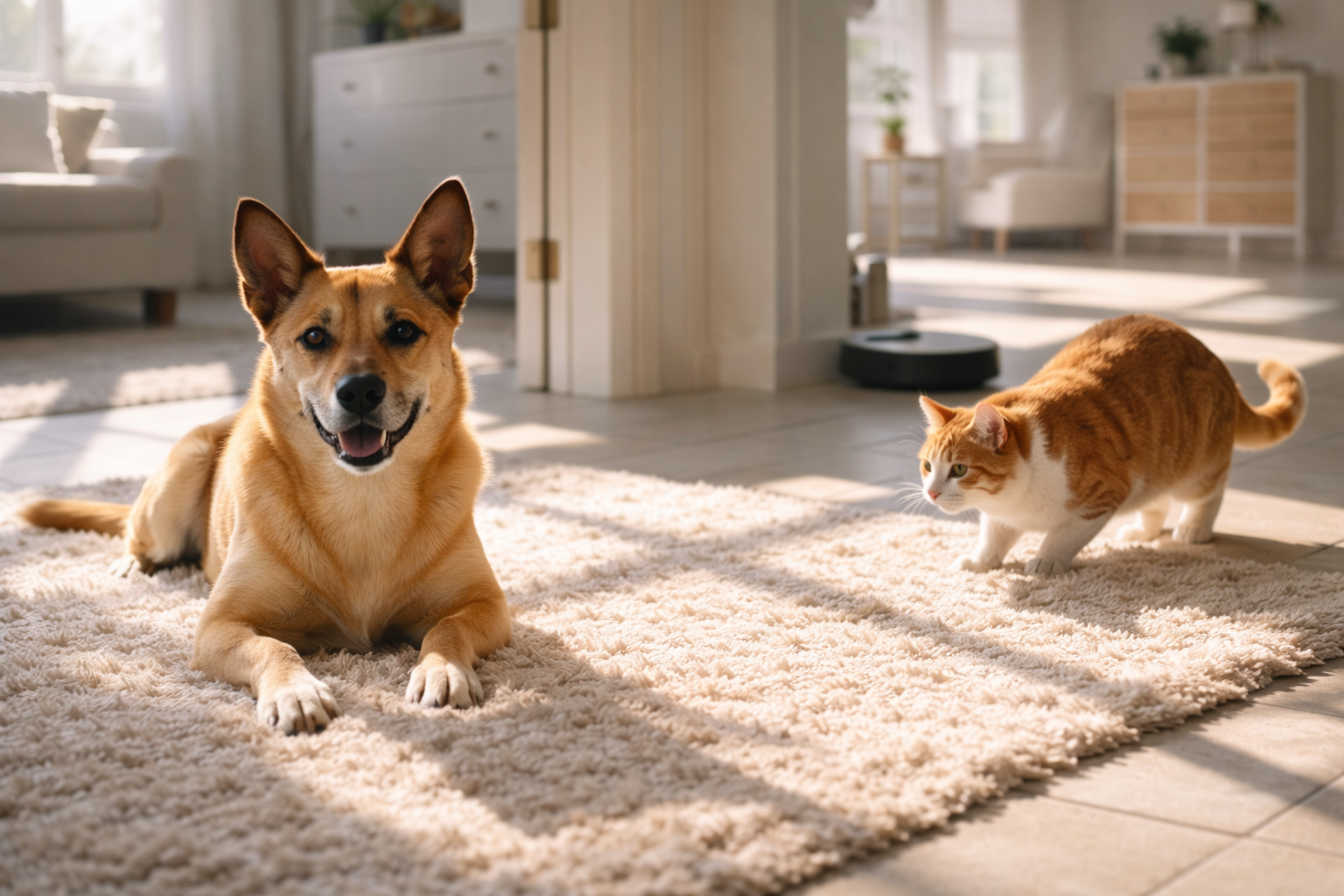
Robot vacuum for pet hair no tangle is now one of the most searched home upgrades by pet owners who want hands-off cleaning without spending weekends untangling hair from brush rollers. If you’re tired of battling clogs or the daily buildup from shedding pets, you want realistic advice—not empty promises or marketing fluff.
Key Takeaways
- Anti-tangle robot vacuums are rapidly growing in demand and adoption, especially among homes with pets, saving hours on brush maintenance.
- Many models promise “no tangle” operation, but there’s limited independent testing of their performance and durability with long or fine pet hair.
- Choosing the right robot vacuum for pet hair no tangle means balancing features like tangle-resistant brushes, HEPA filtration, and automated self-emptying with real-world results.
- The Core Concept: Why Do You Need a Robot Vacuum for Pet Hair No Tangle?
- Step-by-Step Guide: How to Choose and Use a No Tangle Pet Hair Robot Vacuum
- Advanced Analysis & Common Pitfalls
- Conclusion
- FAQ Section
The Core Concept: Why Do You Need a Robot Vacuum for Pet Hair No Tangle?
Traditional robot vacuums struggle with pet hair build-up, especially with breeds that shed heavily or have long hair. Brush rollers tangle easily, causing poor cleaning performance and frequent manual cleaning. Low-maintenance, anti-tangle robot vacuums are designed with specialized brush rolls, advanced suction, and self-cleaning systems to solve these hardships for pet owners. Market growth in 2024 shows the global smart pet hair vacuum robot segment was valued at USD 1.19 billion, fueled by pet-specific innovations like tangle-resistant brushes and HEPA filters (source).
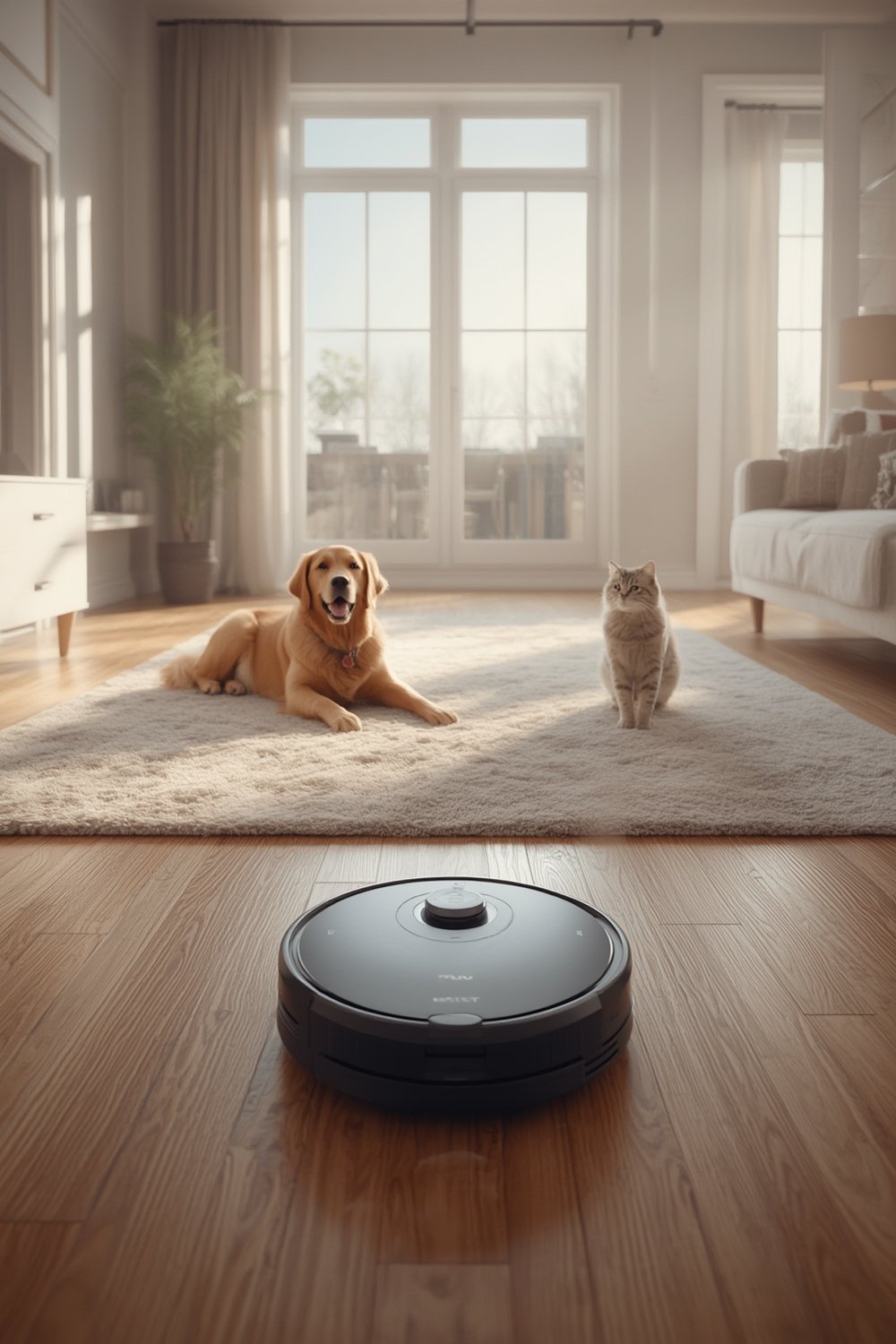
For homes with pets, especially the 66–70% of US households with at least one, a robot vacuum for pet hair no tangle means less hair winding, cleaner floors, and fewer allergy triggers. It also delivers more consistent cleaning results without interruption from tangled debris or hair jams. The technology is especially helpful if you have busy routines or mobility challenges.
Recent models go a step further by adding AI navigation, self-emptying dustbins, and even mopping functions, making it easier than ever to keep pet-friendly interiors clean. But real-world effectiveness—and not just flashy features—should guide your purchase.
Step-by-Step Guide: How to Choose and Use a No Tangle Pet Hair Robot Vacuum
To maximize your investment in a robot vacuum for pet hair no tangle, use this realistic, actionable approach:
- Identify Your Real Pain Points: Make a list of your current vacuum headaches—hair tangling, poor pickup on area rugs, pet dander build-up, or constant manual cleaning. If you’re also dealing with rug stains or spills, consider a kid and pet friendly rug for easier maintenance in tandem with your new vacuum.
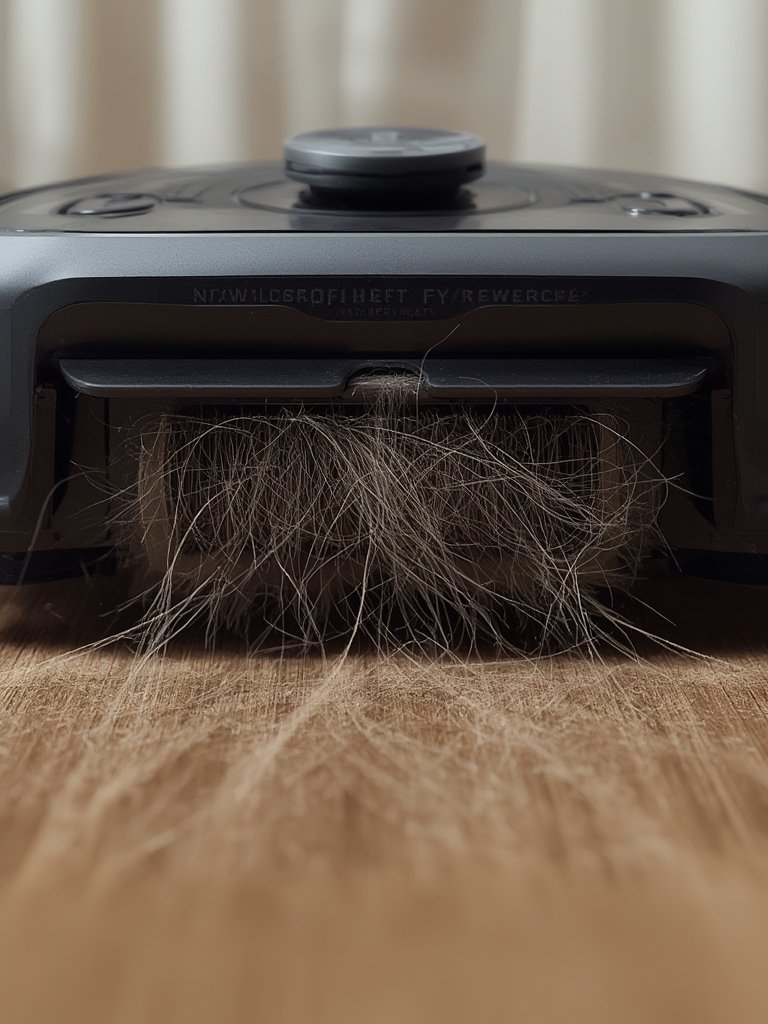
- Require tangle-resistant brushes: Focus on models that advertise silicone, bristle-free, or special comb designs. These brushes reduce hair winding—look for detailed images or videos from real owners. Don’t just trust brand claims; dig for independent reviews.
- Compare Suction Power and HEPA filtration: Pet hair and dander require higher suction and a good HEPA filter. Advanced models filter fine dust and allergens (which is as important as tangle prevention for allergy sufferers).
- Check the Dustbin System: self-emptying dustbins reduce user interaction by up to 90%, which is a true time-saver. Otherwise, consider a model with a large, easy-to-clean dustbin.
- Demand Clear Real-World Results: Most brands lack independent lab testing across different pet hair types. Compare user videos and long-term reviews for insights on durability and clog resistance—especially from pet owners with long-haired breeds.
- Factor in Maintenance Cost and Longevity: Pet-specific and anti-tangle models may cost more up front, but you’ll spend less time on hands-and-knees cleaning out hair jams. Unfortunately, reliable two-year cost comparison data is still missing from the market (source).
- Don’t Overlook Practical Extras: Features like AI navigation, mopping, and pet dropping avoidance (to prevent messy surprises) add value but can make the robot more complex.
Advanced users may also want to compare models that feature robot vacuum-mop combos, especially if you need regular mopping for pet footprints or spills. For more options targeting deep-cleaning with less manual effort, explore robot vacuums with roller mop tech for pet-prone spaces.
Routine maintenance is still required: even the best “no tangle” robot vacuums need monthly brush checks, filter cleaning, and software updates. Schedule these on your calendar to keep performance high and extend the life of your device.
Advanced Analysis & Common Pitfalls
There are real-world downsides and traps pet owners face—even with premium robot vacuums for pet hair no tangle. Here’s what most buying guides skip over:
- Lack of Independent Testing: Nearly all robot vacuums boast anti-tangle designs, but there is virtually no independent laboratory-testing or standardized side-by-side benchmarks across models. Results may vary dramatically with long dog hair versus fine cat fur (source).
- Maintenance Is Lower, Not Zero: Even with advanced brushes, expect some hair buildup near axles or wheels. Models with auto-empty stations help, but you’ll still need to clear hidden tangles monthly.
- Upfront and Long-Term Costs: Anti-tangle and mopping robots cost more initially. While self-emptying and less maintenance help, there’s not enough data to confirm they’re less expensive or more reliable over two or more years (source).
- Missing Features in Budget Models: Lower-priced vacuums may skip crucial functions like dust compression, AI debris recognition, or avoidance of pet droppings—especially vital for multi-pet homes.
- Compatibility Problems: Some anti-tangle vacuums have trouble on high-pile carpets or thick transition strips. If your house has frequent thresholds, consider a threshold climbing robot vacuum to prevent stuck robots.
| Feature | Standard Robot Vacuum | Pet Hair Specific Model | Advanced Anti-Tangle/Mop Combo |
|---|---|---|---|
| Tangle-Resistant Brush | No | Yes | Yes (Enhanced/Auto-cleaning) |
| HEPA Filtration | Basic/Optional | Yes | Advanced |
| Self-Emptying Bin | Rare | Common | Standard |
| AI Navigation/Sensors | Basic | Optional | Standard/Upgradable |
| Suction Power | Standard | High | Maximum |
| Mopping Function | Rare | Optional | Yes (Advanced) |
| Durability (Reported) | 2–3 years | 2–4 years | Unknown (Limited Data) |
| Required Maintenance | Frequent Manual | Monthly | Minimal/Automated |
| Average Price (2024) | $150–$300 | $300–$600 | $600–$1,000+ |
Keep in mind: If you value energy savings across home upgrades, see our practical guide to energy efficiency upgrades—some smart robot vacuums even optimize power use.
The next wave of innovation, including hands-off mop pad swapping and improved AI dirt detection, will likely increase performance but also complexity and cost. For reference, you can compare this trend with emerging features in mop swapping robot vacuum systems—which help handle homes with both pets and kids.
Finally, users with mixed flooring or thick carpets may find some robot vacuums get stuck or leave areas uncleaned. For homes needing advanced navigation under furniture, take a peek at slim LiDAR robot vacuums that enhance reach without hair tangling beneath.
Conclusion
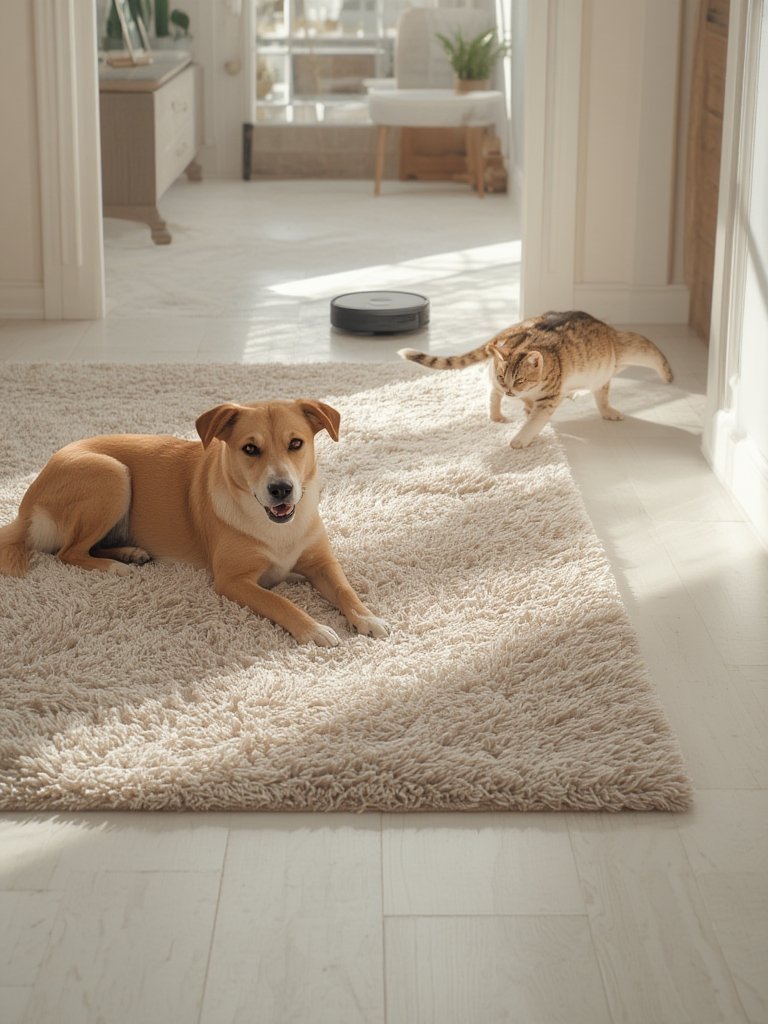
The age of the robot vacuum for pet hair no tangle has finally arrived, offering relief for busy pet owners who want cleaner floors and less brush maintenance. While anti-tangle models deliver real benefits, most lack rigorous third-party testing or proven ultra-long-term durability, especially with mopping functions and new AI features. For best results, match your chosen robot’s features to your lifestyle and household layout.
Ready to transform your cleaning routine? Shop for a robot vacuum for pet hair no tangle that fits your pet type, floor plan, and maintenance expectations—and enjoy more time with your furry family, not your vacuum. Have more questions or a specific challenge? Check out the FAQs below.
FAQ Section
Will a robot vacuum for pet hair no tangle work for homes with multiple pets?
Yes, advanced anti-tangle models are designed for multiple pets, but performance varies with hair length and shedding amount. For best results, choose a vacuum with enhanced suction, self-cleaning brushes, and a HEPA filter.
Do these vacuums really never tangle?
While anti-tangle designs greatly reduce hair winding, no machine is completely immune. Monthly brush inspection is still necessary, especially in homes with long-haired dogs or cats.
How often should I clean the filter and brushes?
Even on premium models, clean the filter and check/clear brushes at least monthly. For heavy shedders, every two weeks is ideal. Keeping up with this routine ensures maximum suction and longevity.
Are robot vacuums safe for allergy sufferers?
Many anti-tangle pet models feature HEPA filters that trap fine pet dander and allergens. Regular use can help reduce airborne particles, but empty bins outside and wash hands afterward for best results.
What if my robot vacuum gets stuck on thresholds or transitions?
Look for models specifically marketed as “threshold climbing” or “anti-jam.” Some recent releases include features to traverse transition strips and door tracks without getting stuck.