

Roller mop robot vacuum technology is transforming home cleaning, but the pros and cons aren’t always obvious to buyers. If you want the truth about how these robots perform—on sticky messes, daily dirt, and long-term upkeep—this guide cuts through the clutter with real test data and hands-on advice.
Key Takeaways
- Roller mop robot vacuums excel at handling stuck-on grease and sticky messes, but require more maintenance than spinning pad models.
- Upfront cost and weekly cleaning are typical trade-offs for stronger floor-washing performance and self-cleaning docks.
- Edge cleaning and carpet-avoidance are often over-promised—users should set realistic expectations before purchase.
- What Makes Roller Mop Robot Vacuums Different?
- How to Choose and Use a Roller Mop Robot Vacuum
- Real-World Issues, Pitfalls, and Honest Comparisons
- Conclusion
- Frequently Asked Questions
What Makes Roller Mop Robot Vacuums Different?
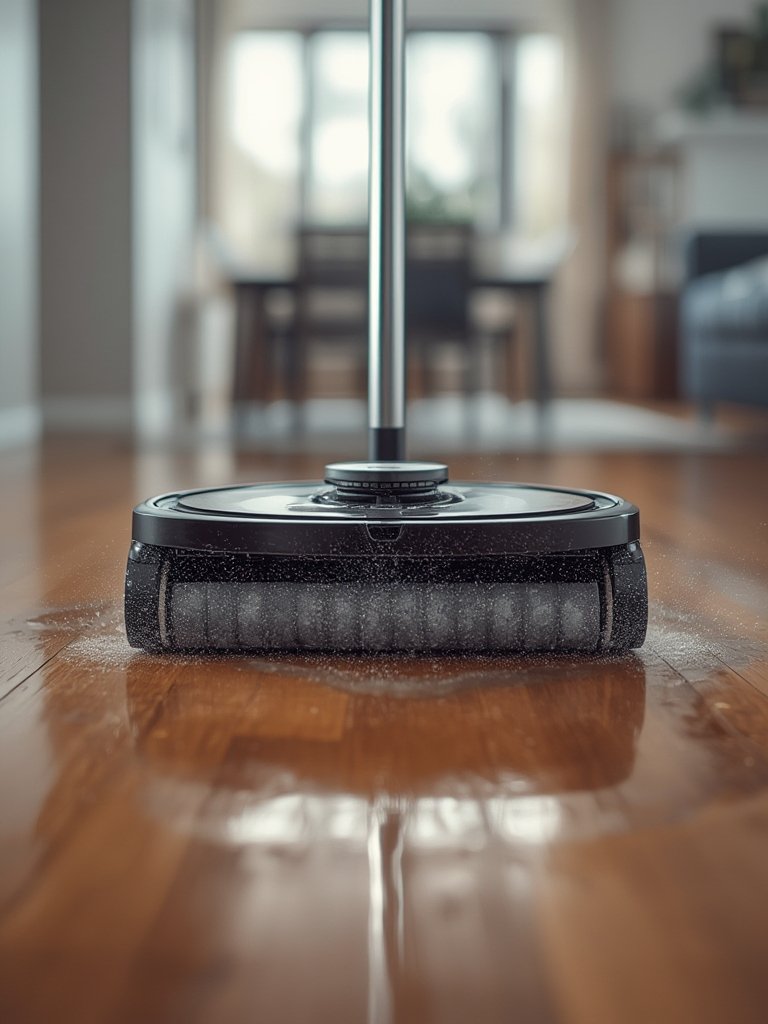
Roller mop robot vacuums are not just another floor-cleaning gadget. Unlike traditional dual spinning pad systems, roller mops use a long, cylindrical roller that scrubs the floor while applying clean water and collecting dirty water on every pass. This approach helps them outperform spinning pads on sticky, dried, and greasy messes—like tracked-in mud, soda, or kitchen spills—without requiring as many manual pre-soak passes.
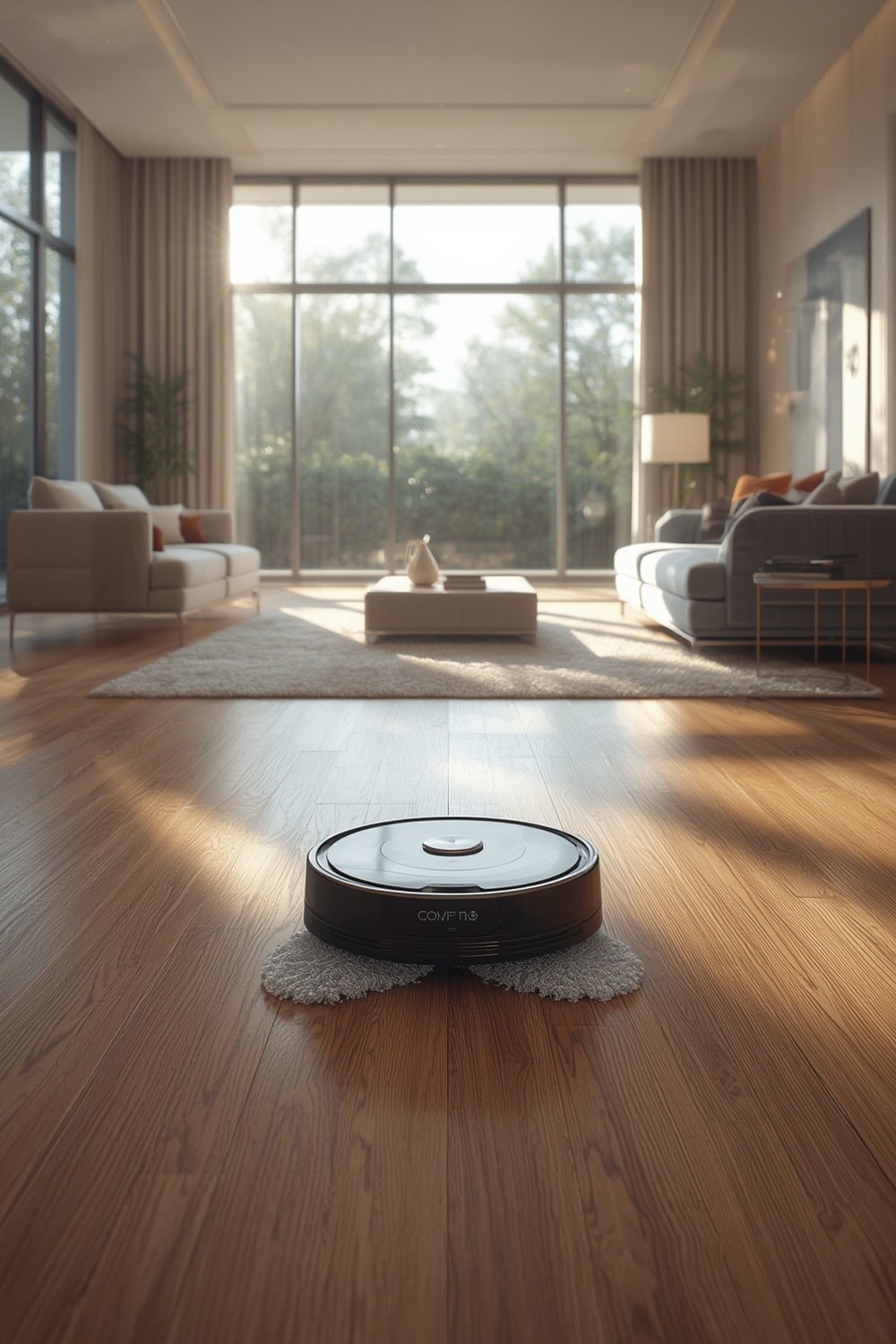
Independent testing, such as done by Vacuum Wars, found that roller mop systems usually score just above spinning pads in stain removal, although the gap is small (33 vs. 32 points)—so the difference in real homes can be subtle. Still, the benefit is clear: roller mops tend to need fewer passes to remove stuck-on kitchen grime, and the self-cleaning docks mean you rarely touch dirty pads.
Their continuous delivery of fresh water and suction of dirty water minimizes cross-contamination—something especially valued by allergy sufferers or parents with messy toddlers. However, the mechanism is bulkier, which impacts how well they reach under furniture and into corners.
If you want a full overview of advanced cleaning tech and time-saving home upgrades, check out these guides on energy efficiency upgrades and microfiber bed sheets for homes that stay cleaner, longer with less effort.
How to Choose and Use a Roller Mop Robot Vacuum
Adopting a roller mop robot vacuum isn’t just about pressing “Start”—you need to choose wisely, set it up for your flooring, and learn the right cleaning and maintenance habits for smooth results.
- Step 1: Pick the right model for your space.
If you have mostly hard floors and lots of sticky food messes, a roller mop robot—like the Dreame Aqua 10 Roller or MOVA Z60 Roller—may be worth the higher price. But if you have lots of low sofas or require regular edge cleaning, spinning pad models may be easier. - Step 2: Prepare the cleaning zone.
Remove small objects, and block off carpeted areas if your model’s carpet-avoidance zones aren’t 100% reliable. Double-check the robot’s app settings to customize “no-mop” regions, especially if you own high-pile carpet or delicate rugs. - Step 3: Perform initial run and mapping.
Place the dock in a central, open spot near a power outlet. Fill the clean water tank and (if your model supports it) add floor-safe cleaning solution. Run mapping mode in the app before the first cleaning cycle. For more consistent routes, pick a roller mop model with good tracking—even if proprietary mapping details are sparse. - Step 4: Weekly maintenance is mandatory.
Empty dirty water tanks, clean rollers thoroughly, and inspect the dock’s cleaning area. If you neglect these steps, expect hair tangles or funky odors to develop much faster than with spinning pads. According to multiple reviews and analyses, maintenance intervals are shorter and more hands-on than many buyers expect. - Step 5: Monitor edge/corner cleaning gaps.
The roller’s cylinder simply can’t hug baseboards or fit sharp corners well. Periodically, run a classic mop or handheld vacuum in these spots. If edge coverage matters a lot for your space, see the top robot vacuum mop combos that blend pad and roller tech.
- Step 6: Track long-term costs and refill schedules.
Roller mop robot vacuums need clean water, maybe a special cleaning solution, and regular replacement of debris filters and rollers. Unlike spinning pads—which are rinsed every 4–6 weeks—rollers require weekly cleaning. Factor this in when calculating the true cost of ownership. - Step 7: Protect your carpets.
Some models use sensors or app mapping to avoid carpets during mopping, but results vary. If you have valuable rugs or diverse carpet heights, be proactive with exclusion zones and monitor for moisture transfer. For more on carpet and home protection, explore solutions like non-slip rug pads and fridge door handle covers for hygiene in other high-traffic areas.
Real-World Issues, Pitfalls, and Honest Comparisons
No robot vacuum is perfect—and roller mop models come with their own blend of strengths and drawbacks, especially as they grow more popular in 2024. Here’s a realistic breakdown, backed by cited testing and reviews.
| Feature | Roller Mop Robot Vacuum | Spinning Pad Robot Vacuum |
|---|---|---|
| Stain & Sticky Mess Removal | Excellent—removes kitchen grease/dried-on stains faster, fewer passes needed (source) | Good, but may need multiple passes or pre-soaking (source) |
| Edge and Corner Cleaning | Weak—roller shape can’t reach wall edges or corners well | Better—rotating pads let the unit hug baseboards and reach corners |
| Maintenance Frequency | Weekly: must clean roller, tank, and dock often (source) | Every 4–6 weeks: pads rinsed or replaced, lighter labor |
| Self-cleaning Function | Roller is rinsed, dirty water sucked into tank after each session | Some spinning pad models self-clean, but cross-contamination risk remains |
| Bulk & Height | Taller, less able to fit under low furniture | Flatter, reaches under most sofas/beds |
| Price | Premium—higher up front and replacement part cost | Less expensive, pads are cheaper to replace |
| Tech Specs Transparency | Roller RPM/pressure data often undisclosed by brands | Spinning pad RPM sometimes listed, but pressure/material rarely detailed |
| Noise Level | Moderate—water flow sounds, roller whir | Higher—spinning pads at high RPM can be louder |
Common pitfalls buyers report (and most guides underemphasize) include:
- Maintenance labor: The fancy “self-cleaning dock” does not mean zero effort. Weekly deep cleanings are mandatory to prevent mildew and hair tangles.
- Edge/corner cleanliness: Expect to do spot-mopping manually, because rollers are not edge-optimized.
- Lack of granular mapping controls: Many brands hint at proprietary tracking or mapping, but few release real tech specs or visual maps, leaving carpet-protection and repeat coverage somewhat uncertain.
- Value proposition: Pads are usually cheaper to maintain but may require more manual pre-cleaning for tough messes.
- No trustworthy performance ratings: Brands rarely publish real efficiency scores, hygiene benchmarks, or RPM/pressure data—making model comparisons tricky.
For buyers prioritizing overall home hygiene, check complementary upgrades such as a non-slip bath mat or upgrading to a spill-resistant ergonomic mug for kitchen and bath areas. These pair well with a truly automated cleaning stack.
Conclusion
The new generation of roller mop robot vacuum models are unmatched for cleaning the toughest sticky messes and keeping floors sanitized. But the up-front investment and the need for weekly maintenance work mean they’re not set-and-forget. If you want a system that’s hands-off on cleaning days but doesn’t mind a little dock care, roller mop robot vacuums offer next-level performance for busy households.
Ready to upgrade your floor care and attack sticky messes head-on? Choose a roller mop robot vacuum that fits your space, cleaning habits, and budget—then set realistic expectations for maintenance and edge coverage. Got questions or want to compare floor-cleaning tech in detail? Explore full reviews and smart home tips on our site.
Frequently Asked Questions
Do roller mop robot vacuums work on all types of flooring?
Roller mop robots are designed for sealed hard floors like tile, vinyl, laminate, and hardwood. Avoid use on real wood with open grain, unsealed surfaces, or specialty flooring without checking your manufacturer’s guidelines. Always block off carpeted or area rug zones.
What kind of maintenance do roller mop robot vacuums need?
Weekly cleaning is essential. You’ll need to rinse the roller, empty the dirty water tank, clean debris filters, and occasionally wash the dock tray. Failure to do so can quickly lead to odors, reduced cleaning efficiency, or even mold buildup.
Are roller mop robots better than spinning pad robots for sticky messes?
Yes, on average. Real-world tests show roller mops excel at removing dried, greasy, or sticky residue with fewer passes, thanks to their high-pressure scrubbing and fresh water application. However, the difference is subtle (33 vs. 32 points out of 35 in some datasets), and both systems perform similarly on day-to-day light messes.
How well do roller mop robots clean edges and corners?
Not well. The roller’s shape can’t reach baseboards and corners as effectively as smaller spinning pads. Be prepared to manually clean edges or supplement with another vacuum or mop.
What are some overlooked disadvantages of choosing a roller mop robot vacuum?
These include a larger, taller body (less furniture clearance), higher long-term part costs, and weekly hands-on cleaning. Mapping and carpet-avoidance features are sometimes inconsistent, especially with thick or dark carpets.