

Smart dog feeder Alexa devices are changing how pet owners manage feeding by combining hands-free voice control, automated schedules, and customizable portions for healthier, less stressful routines. If you want to know how Alexa-compatible smart dog feeders work, real-world pros and cons, and step-by-step setup strategies, this guide covers exactly what matters—no hype, just facts.
Key Takeaways
- Smart dog feeders with Alexa offer truly hands-free feeding, but require consistent Wi-Fi connectivity and come with some technical caveats.
- Setup is straightforward if you follow best practices for device pairing, app permissions, and voice command customizations.
- Common issues include app glitches, power reliability concerns, and security gaps—be realistic about these before buying.
- What Is a Smart Dog Feeder Alexa? (Core Concept)
- How to Set Up and Use a Smart Dog Feeder With Alexa
- Advanced Analysis & Common Pitfalls
- Conclusion
- FAQ
What Is a Smart Dog Feeder Alexa? (Core Concept)
A smart dog feeder Alexa is an automatic dog food dispenser that connects to your Wi-Fi and works with Amazon Alexa voice commands. Instead of using manual buttons or a mobile app exclusively, you can say things like, “Alexa, feed my dog 1 cup,” schedule regular mealtimes, or check meal history—all without touching the device. This approach offers true automation for busy or mobility-limited owners and is ideal for multi-pet homes or anyone wanting precise nutrition control.
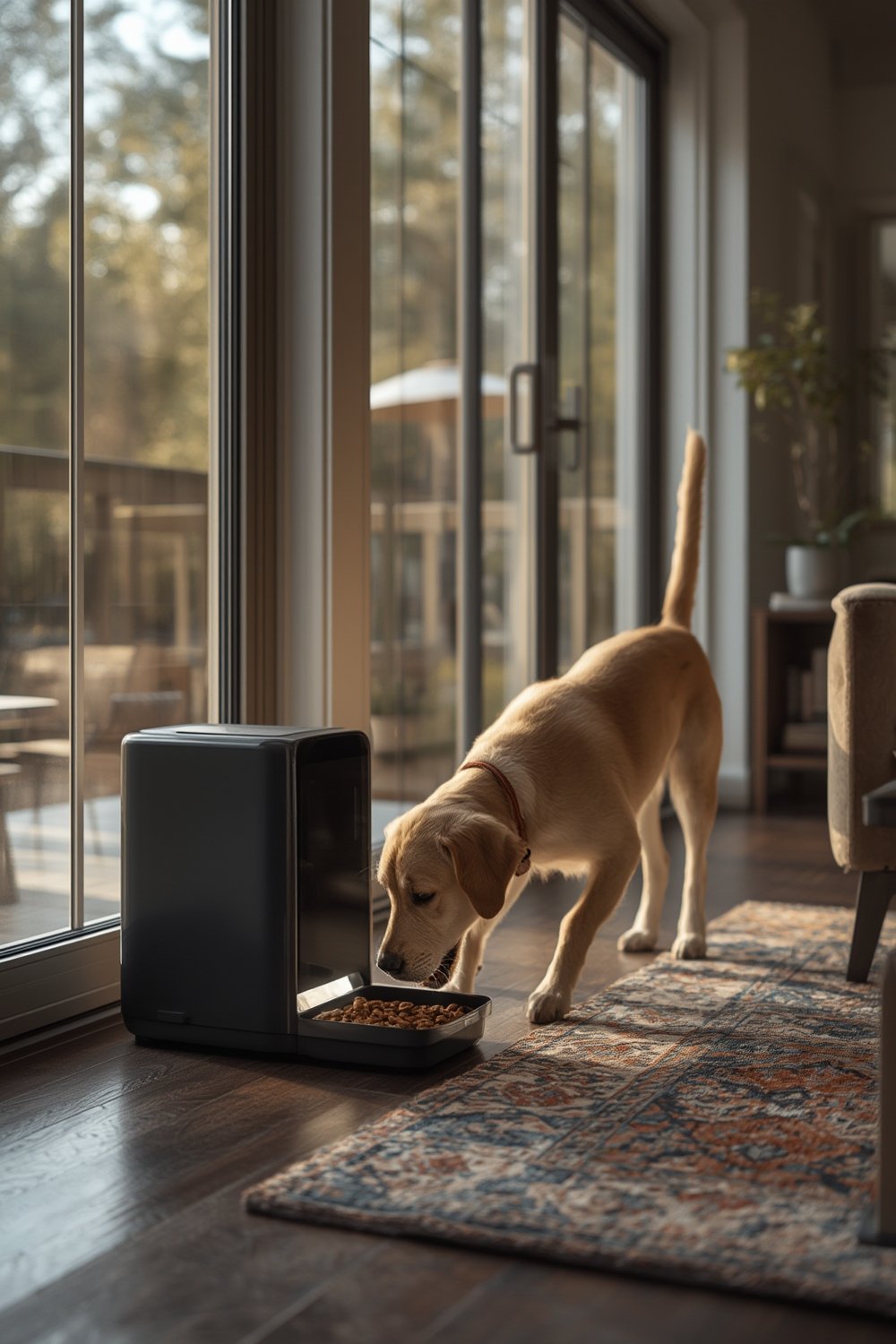
Interest has surged since 2023: over 40% of new feeder models now include Alexa or Google Assistant compatibility, and 68% of US pet owners consider feeding automation a key priority source, source. Advanced units offer features like weight tracking, video monitoring, and even AI-based diet recommendations. For those prioritizing convenience, portion accuracy, or hands-off care, voice-activated smart feeders are quickly becoming the standard in modern pet ownership.
How to Set Up and Use a Smart Dog Feeder With Alexa
Getting the most from a smart dog feeder Alexa requires a careful setup. Here’s how to achieve smooth, voice-controlled automation in any home:
- Choose a compatible feeder. Not all smart dog feeders support Alexa out of the box. Select a model that advertises “Works with Alexa” and double-check for regular firmware updates. Leading brands include PetSafe, Petnet Inc., and Arf Pets.
- Position the feeder near Wi-Fi. Place the unit within strong Wi-Fi range and away from metal, walls, or active electronics that could cause interference. A stable connection is essential for Alexa integration.
- Install the manufacturer app. Download the app (e.g., PetSafe Smart Feed) and create a secure account. Grant all necessary network permissions and, if available, enable “remote monitoring” and notifications.
- Link with Alexa. In the Alexa app, search for the correct “Skill” (usually the feeder’s brand). Enable the skill and log in with your feeder account details. Try a basic test command like, “Alexa, ask [Brand] to feed the dog.”
- Customize feeding routines. Use the app or Alexa routines to set meal times, adjust portion sizes, and turn on voice responses. For multi-dog homes, label feeder profiles for clarity.
- Monitor performance. Watch for missed meals, app errors, or Wi-Fi drops—feeders often include diagnostic logs to help you quickly spot issues.
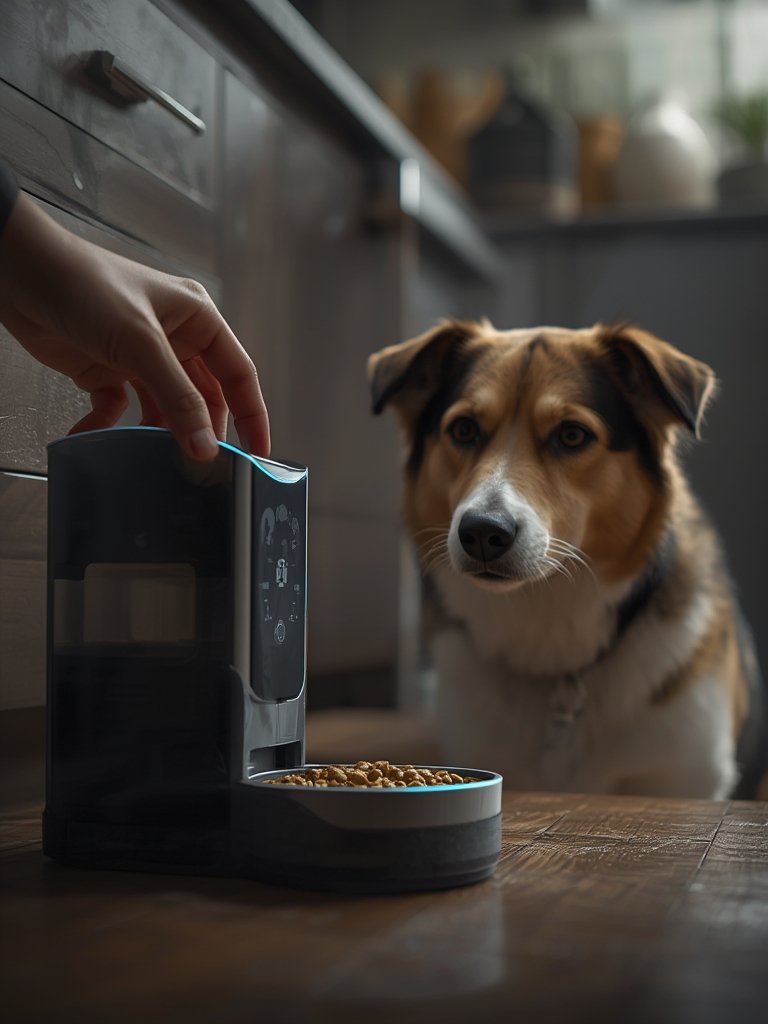
Looking for tips on making your home smarter overall? Explore related guides like Energy efficiency upgrades and why Wi-Fi positioning and backup power matter for automation reliability.
Advanced Analysis & Common Pitfalls
While voice-activated dog feeders add real convenience, they also come with caveats. Here’s a realistic look at user problems, technical failings, and what to expect after setup.
Common Pitfalls and Troubleshooting
- Connectivity Issues: About 30% of new owners face Wi-Fi drops or app glitches, which can interrupt feeding schedules or stop Alexa from communicating source. Smart feeder Alexa integration is only as good as your home network.
- Power Outages: If your feeder loses power or Wi-Fi, voice control and automated routines stop. Some models have limited battery backup—verify before buying.
- Data Security Uncertainty: Current research provides no details on data encryption, privacy standards, or specific Alexa skill vulnerabilities for smart feeders. Always review the manufacturer’s privacy policy and secure your Wi-Fi (WPA3 if possible).
- Setup Confusion: Learning to pair Alexa, set permissions, and use correct voice commands can frustrate users. Manufacturer support and online forums may be your best resources for model-specific troubleshooting.
- Subscription or Feature Lock-In: Some feeders limit remote monitoring or video storage unless you pay for a premium plan. These details aren’t always clear at purchase—ask before committing.
Comparison Table: Top Features Across Leading Smart Dog Feeder Brands (2024)
| Brand | Alexa Compatible | Portion Control | Camera/Monitor | Battery Backup | AI Diet Support | Approx. Price |
|---|---|---|---|---|---|---|
| PetSafe | Yes | Yes | No | Yes | No | $180-$270 |
| Petnet Inc. | Yes | Yes | Yes | No | Yes | $200-$260 |
| Arf Pets | Partial (Selected Models) | Yes | No | Yes | No | $145-$200 |
| Roffie | No | Yes | No | No | No | $90-$140 |
For in-depth smart home gear troubleshooting, see our guides on WiFi-enabled cat feeders and the best way to optimize device setup in busy households. Multi-pet home? Rug mess or allergy-prone? Combining a kid and pet friendly rug with secure auto-feeding creates a healthier, cleaner environment for everyone.
Untapped Problems: Security, Integration Limits, and Price Surprises
- No Published Security Standards: Unlike other smart gadgets, current feeders rarely disclose how user data is encrypted or if Alexa commands are shielded from third parties. Cautious buyers should treat all pet camera/microphone-enabled feeders as potentially exposed devices.
- Compatibility Gaps: Exact router, bandwidth, and latency compatibility data are usually missing from product listings. Homes with mesh Wi-Fi or older routers may need extra setup steps for stable Alexa integration.
- Unexpected Fees: Monitoring or video feed storage may require subscriptions not always listed at checkout. Always clarify costs for full feature access.
- Dependency on Eco-System: Devices can become obsolete or lose key functions if manufacturer support or cloud service is discontinued. Choose brands with long-term support records.
Before making a final decision, weigh the cost of premium feeders (many models exceed $250 source) against your real automation needs and backup plans. See our smart night light guide for lessons in home automation trade-offs and network stability tips.
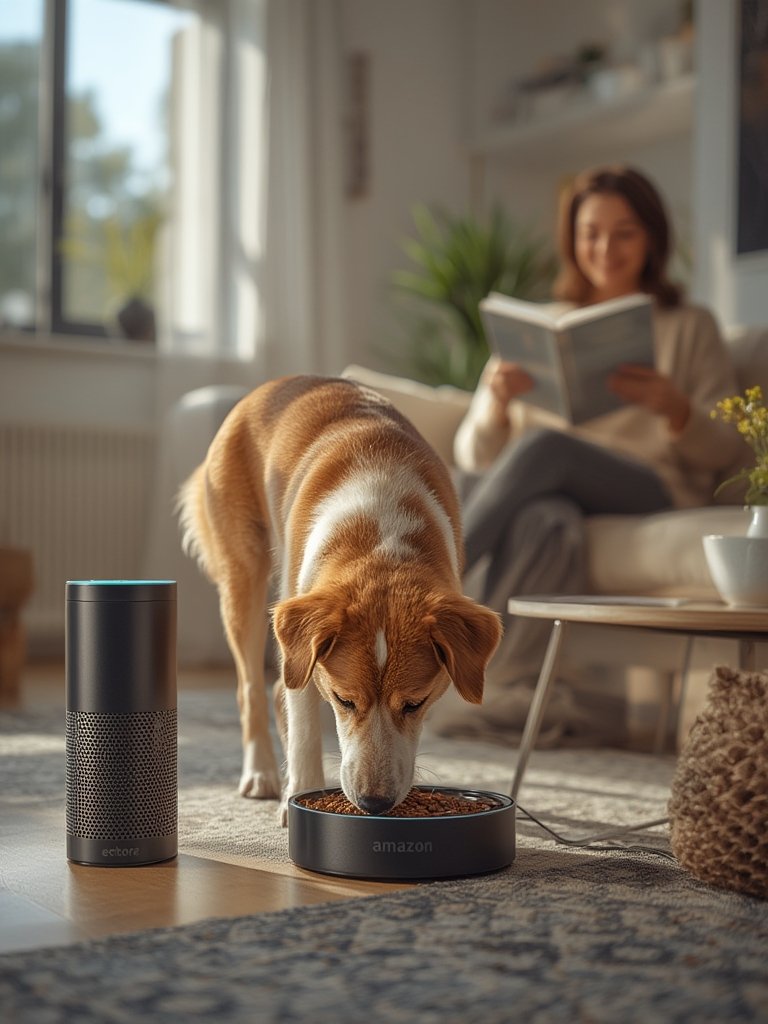
If you’re investigating the full ecosystem, don’t ignore privacy risks. For reference, our GPS dog fence analysis gives more best practices on minimizing exposure across connected pet tech.
Conclusion
A smart dog feeder Alexa setup can make daily pet care much easier—but only if you understand the connectivity, compatibility, and security realities. With stable Wi-Fi, careful device selection, and planned setup, you’ll get reliable, hands-free feeding, custom portions, and powerful automation features. The best models offer true peace of mind, but every buyer should weigh the tech frustrations, hidden costs, and privacy tradeoffs. Ready to modernize your pet’s daily routine? Start by choosing the right smart dog feeder Alexa system and follow the setup process above step by step.
Need smarter cleaning as well? See our robot vacuum-mop combo and WiFi cat feeder guides for more time-saving, hands-off home tech.
FAQ
Can I control a smart dog feeder with Alexa if I’m not at home?
Yes, as long as your feeder is connected to your home Wi-Fi and your Alexa app, you can issue voice commands remotely or trigger feeding schedules from your phone anywhere you’re online.
What happens if my Wi-Fi or power goes out?
If connection or electricity is lost, voice control and automated schedules stop. Many models have limited internal battery backup. Always test offline behavior to avoid missed meals.
Are smart dog feeders Alexa secure for my data and privacy?
No detailed security standards or encryption protocols are published for these devices. Use strong Wi-Fi security (WPA2 or WPA3) and review manufacturer privacy policies before purchase. Avoid connecting pet cameras in sensitive areas.
Do I need to pay a subscription for all features?
Some smart feeders offer basic Alexa control for free, but remote monitoring, video history, or advanced diet features may require a paid plan. Confirm what’s included before you buy.
Which brands offer the most reliable Alexa integration?
Leading brands with proven Alexa skills include PetSafe and Petnet Inc. Look for models with frequent firmware updates, robust support, and a clear Alexa compatibility badge on the box.
—