

Smart night light technology has become a practical upgrade for homes, promising safety, convenience, and energy savings with a tap or a motion. But do these devices truly deliver? Here’s the direct, realistic look at what you need to know before investing in a smart night light.
Key Takeaways
- Smart night lights offer hands-free safety, modern controls, and can reduce energy waste, but many lack key features like advanced security integration and verified energy efficiency.
- User reviews highlight hidden issues: unreliable charging components, false triggers, and inconsistent motion detection.
- Choosing the right model comes down to understanding pitfalls, hidden costs, and avoiding safety oversights, especially in homes with children.
- What Is a Smart Night Light, and Why Consider One?
- Step-by-Step Guide: Choosing and Installing a Smart Night Light
- Advanced Analysis & Common Pitfalls
- Conclusion
- FAQ
What Is a Smart Night Light, and Why Consider One?
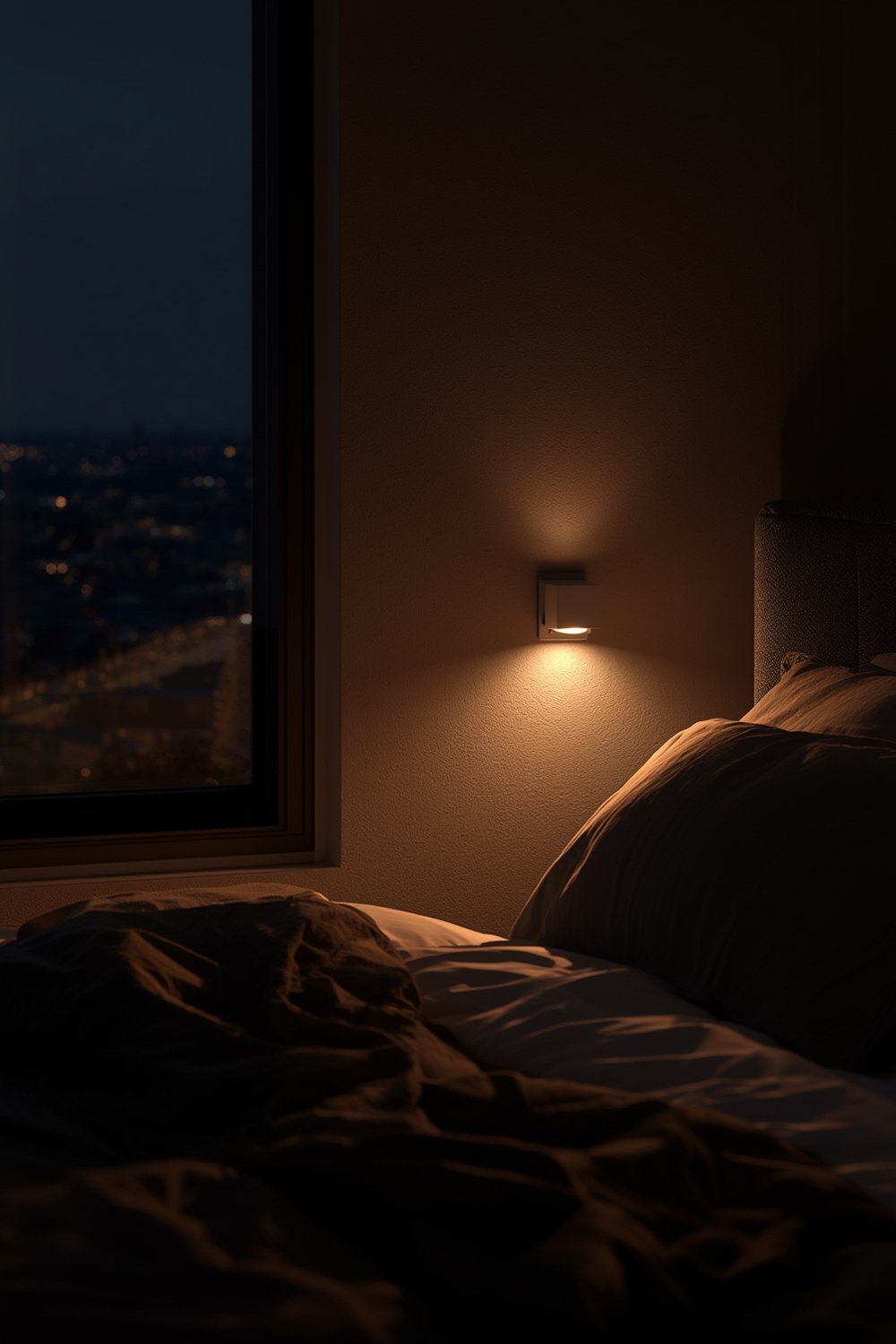
A smart night light is more than just a traditional plug-in bulb. These lighting devices combine motion or ambient light sensors with modern controls like timers, app integration, or variable brightness. The main draws are safer nighttime navigation, hands-free activation, and targeted energy savings. Recent models for hallways and stairs even promise responsive motion sensors and app-based controls for additional convenience.
While many families see them as a must-have for child bedrooms, staircases, or shared spaces, a deeper look reveals most top guides miss critical differentiators: few address true security system compatibility, detailed energy savings, or child-safe features. This leaves many buyers guessing at real-world reliability and long-term value.
On the plus side, even basic models like Fulighture or GE Coverlite offer simple motion-activation, which can prevent slips and stubbed toes during late-night trips. The most advanced options (such as WiFi-enabled or rechargeable smart night lights) add flexibility and app controls, though they sometimes introduce their own quirks and risks.
Smart night lights fit into any thorough approach to energy efficiency upgrades, letting you cut waste where old night lights once burned all night.
Step-by-Step Guide: Choosing and Installing a Smart Night Light
Making the jump to a smart night light is straightforward, but choosing the right option – then installing it for maximum benefit – requires a focus on your unique needs, not just flashy features.
- Pick the Right Type.
- Plug-in models: Offer “set and forget” convenience for outlets near stairs, hallways, or bathrooms, but rarely include app control or rechargeable batteries.
- Rechargeable units: Avoid constant plug use; best for spot lighting or for places without outlets, though real-world battery life varies and may be underwhelming (no industry average exists for 2024).
- App-controlled smart night lights: Promise scheduling or remote control but are rare and often unreviewed for security and privacy risks.
- Focus on Motion Sensor Quality.
- Look for models independently tested for accuracy. Consumer Reports named Lightbiz 6PCS Step Light the brightest, but motion accuracy was not detailed. User benchmarks on YouTube show basic floodlight bulbs triggering reliably on staircases.
- Pay attention to sensor range (3–5 meters is common), timer duration after activation, and the ability to disable the motion sensor if false triggers are frequent.
- Plan Installation Around Traffic & Safety.
- For stairs and hallways, place lights so sensors cover the most walked paths and all steps, not just the entry or top step.
- If the product is for a child’s room or low wall, look for rounded, cool-touch plastic. Most current guides don’t highlight this (more below).
- Check for Security, Energy, and Child-Safety Features.
- If you want integration with home security, check device specs—not just product titles. Many brands do not support advanced integration or encryption.
- Request wattage or power draw before buying for an honest look at real savings, especially if you are invested in broad energy efficiency upgrades.
- For child safety, choose tamper-proof units with no exposed screws or hot charging plates.
- Anticipate Hidden Costs.
- Bargain rechargeable models can suffer battery failure (smell burnt, even smoking) and may require total replacement (real user reports).
- Plug-in models may run for years but be sure your outlets deliver stable voltage to avoid premature component failure.
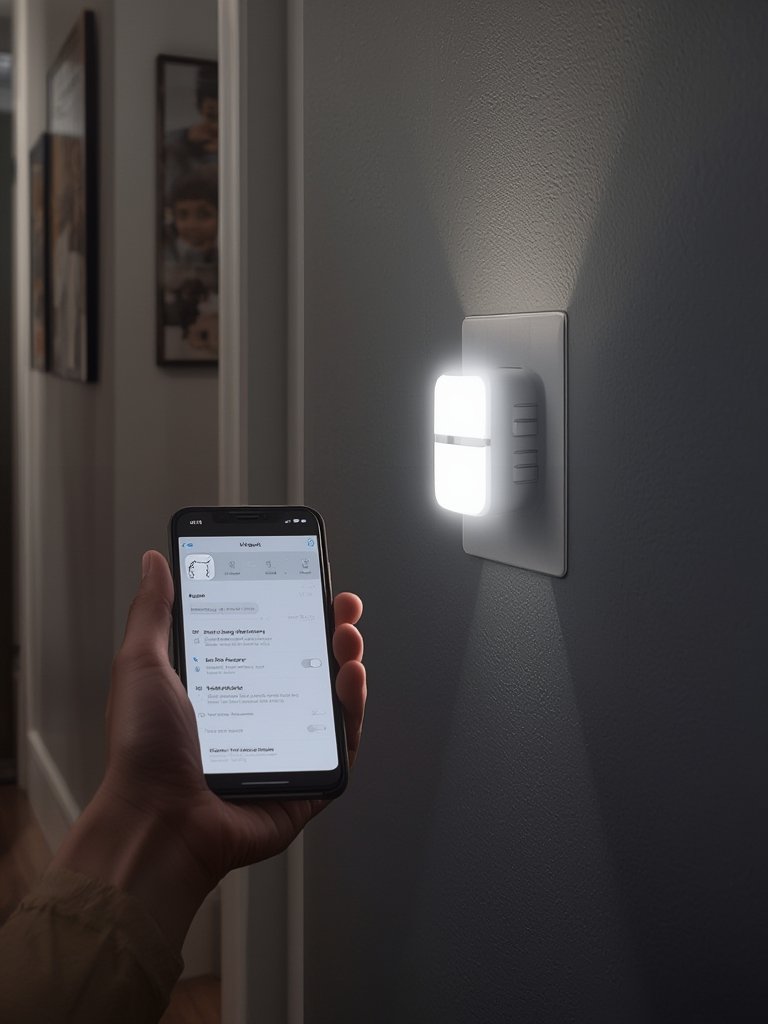
- Install and Test the Night Light.
- Plug in or mount the unit, consulting the manual. Walk the likely path to test the sensor from multiple angles. Try different ambient light conditions to ensure correct activation—even in overcast daylight, many models can misfire or fail to deactivate.
- If your home has pets or kids, observe for accidental triggers in their regular play or movement areas.
- Periodic Maintenance.
- Recharge or replace batteries as needed. Inspect for excess heat or odd smells regularly (especially with rechargeable models) to prevent safety hazards.
- Clean lenses occasionally to remove dust that can block sensors or soften light.
Many homeowners also add non-slip solutions (like non-slip rugs) near night lights to further minimize nighttime hazards, especially on hardwood floors.
Advanced Analysis & Common Pitfalls
Beneath the marketing pitch, several deep issues deserve honest attention before installing—or recommending—a smart night light system. Here’s what stands out, according to user reports and independent reviews.
- Sensor Problems: False triggers are common, especially in plug-in models that fail to detect changing daylight (see benchmarks). Sensors sometimes turn on during cloudy days and then cut off erratically.
- Unreliable Charging Circuits: Some rechargeable units burn out prematurely or smell burnt during charging. This poses safety risks and requires immediate unplugging and replacement.
- False Promises on Brightness: Consumer Reports found major brightness differences between models—Lightbiz 6PCS Step Light hit over 321 lux, but others may feel too dim or glaring for bedrooms. Very few reviews provide actual lux or lumen numbers.
- Neglected Features: Security integration, verified energy efficiency stats, and child safety are usually glossed over—don’t expect app-based models to integrate with your home security system or report real power draw.
If you have kids or older relatives at home, also check for non-slip bath mats and floor covers for comprehensive nighttime safety.
| Feature | Plug-In Night Light | Rechargeable Night Light | App-Controlled/WiFi Night Light |
|---|---|---|---|
| Price Range* | Low ($5–$20, no app control) | Low to mid ($5–$15 per unit) | Rare; pricing often unclear |
| Motion Sensor Quality | Moderate; may trigger falsely in daylight | Varies; battery fade may impair detection | Unverified; limited options tested |
| Energy Efficiency Data | Rarely published | Not reported | Not reported |
| Child Safety | Unaddressed | Unaddressed | Unaddressed |
| Security Integration | No (motion only) | No | Very rare |
| Common Pitfalls | Sensor false triggers, inconsistent light | Battery/charging failures, overheating | Security/privacy unknowns |
*Based on typical listings and user reviews; no verified app-controlled pricing found.
Homeowners focused on ease of cleaning sometimes pair smart night lights with a kid and pet friendly rug—especially in bedrooms or playrooms prone to mess and late-night accidents.
Conclusion
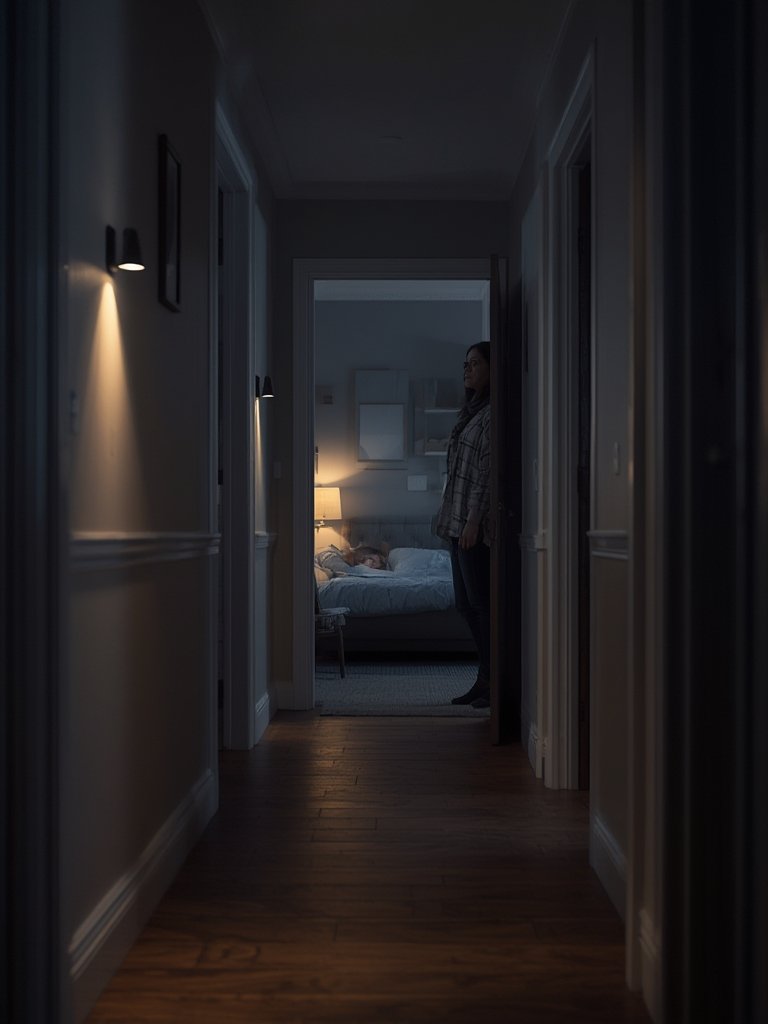
Smart night lights deliver safety, energy savings, and modern control—when chosen and placed with care. Unfortunately, most guides overlook critical details on energy efficiency, security, and child safety. Before you buy, weigh long-term pitfalls like unreliable sensors and potential charging hazards. To get the best value, go beyond the ad copy and prioritize real user reviews and independent tests. Invest in a smart night light that truly fits your needs, and revisit sensor placement once installed to ensure it works for every member of your household.
Ready to boost your nightly safety while saving energy? Start exploring trusted options and check compatibility with your home—and don’t overlook paired upgrades like non-slip rugs for added peace of mind.
FAQ
Do smart night lights really reduce energy bills?
Yes, but only if they use efficient LEDs and have functioning motion or ambient light sensors. However, specific wattage reduction and cost-per-use info is almost never published, making it tough to guarantee exact savings. For broader savings, see our energy efficiency upgrades guide.
Are rechargeable smart night lights safe for kids’ bedrooms?
Many models work well, but user reviews cite overheating and rare burning smells in low-cost rechargeable units. Choose models with cool-touch plastic and no exposed charging contacts. For extra safety, inspect for damage regularly and avoid unbranded versions.
Can a smart night light integrate with my home security system?
Most do not. Despite the “smart” label, nearly all models today only offer basic motion detection, not true home security integration or notifications. Always confirm with the manufacturer’s specs before purchase.
How long will rechargeable models last before needing a new battery?
No trusted data is available for 2024. Some units may last months on a charge, others weeks. Battery degradation and potential failure (burning, smoking) are risks, especially with unbranded or low-cost models.
What’s the best place to install a smart night light for stairs?
Place the light where the sensor’s field covers as many steps as possible, ideally near the first or last step you’ll use. Test by walking the stairway at night. Consider adding a non-slip bath mat runner at landings for added safety.
—