

Threshold climbing robot vacuum technology has changed dramatically in 2024, making it easier to tackle high sills, thick rugs, and challenging room dividers. If you need a robovac that can handle real-world obstacles, understanding which designs work—and which pitfalls to avoid—is critical for a smooth cleaning experience.
Key Takeaways
- Most standard robot vacuums reliably cross thresholds up to 20 mm, but premium models now handle 30–50 mm in ideal conditions.
- Square-edged tracks, stacked obstacles, and approach angle are major factors in real-world performance—spec claims often overstate what’s practical without ramps or prep.
- Simple upgrades—like installing ramps or choosing a model with advanced wheel suspension—can make all the difference for homes with tough transitions.
- What Is a Threshold Climbing Robot Vacuum and Why Does It Matter?
- How to Optimize a Threshold Climbing Robot Vacuum—Step-by-Step
- Advanced Analysis: What Actually Works (& Common Pitfalls)
- Conclusion
- FAQ
What Is a Threshold Climbing Robot Vacuum and Why Does It Matter?
A threshold climbing robot vacuum is a robotic cleaner designed specifically to cross raised transitions, such as room dividers, balcony lips, or sliding door tracks that separate rooms or flooring types. These upgraded models address one of the most frustrating limitations of earlier robovacs: stopping dead at anything higher than a pencil.
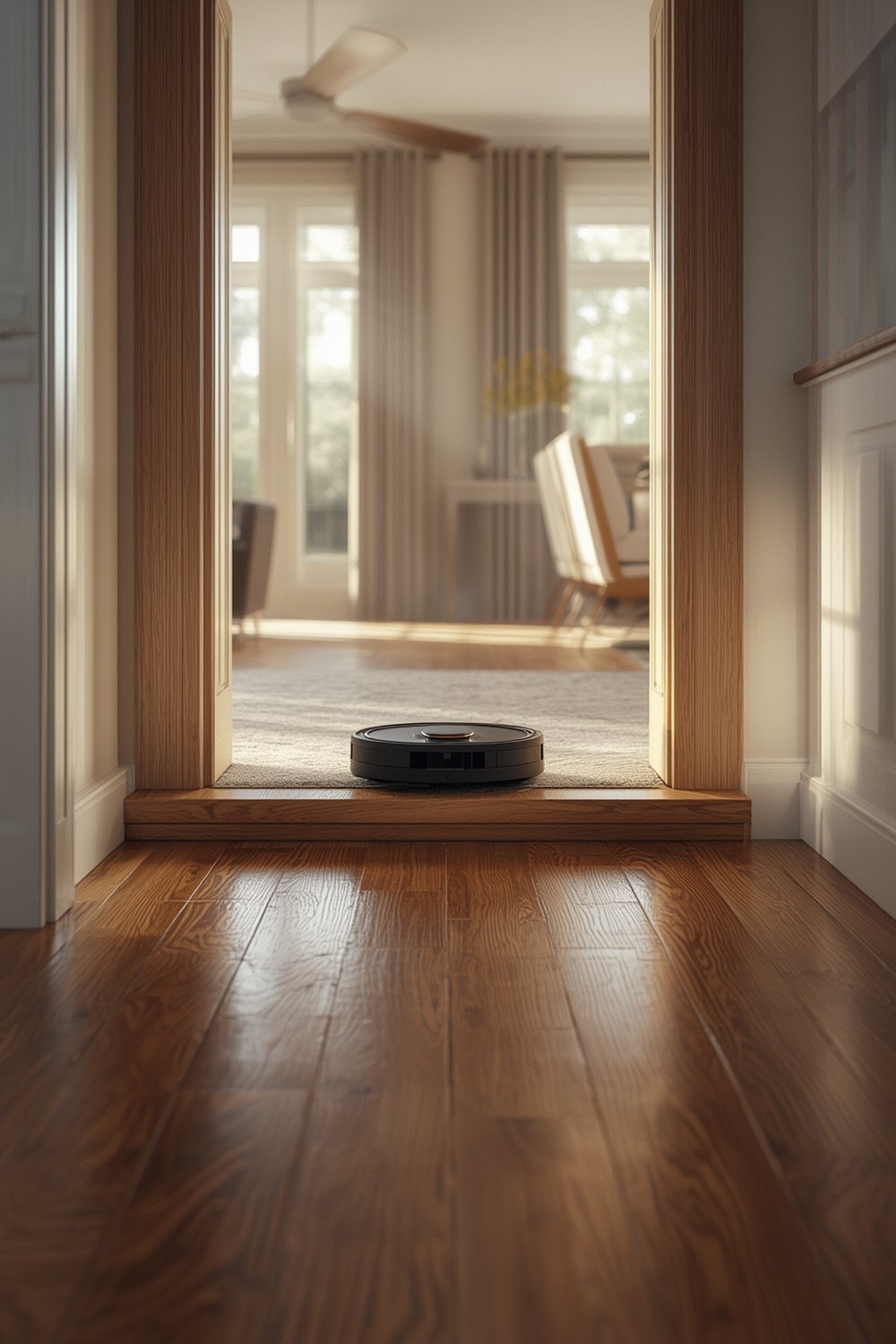
Why does this matter? Typical homes have a mix of floor types—tile to carpet, wood to thick rugs, or rooms separated by metal or wood strips. While many mainstream vacuums (like Roomba or Roborock S-series) can handle low transitions, they struggle with obstacles taller than 0.8 in (20 mm). If you have older doors, tall rails, or apartments with pronounced sills, a regular robot vacuum will get stuck, avoid entire rooms, or require constant rescue.
According to independent tests and brand research, the newest high-end models now cross 30–50 mm obstacles—such as the MOVA Z60 Ultra or Dreame Aqua10 Ultra Roller—nearly double the old limit. However, not every robot is up to the challenge and specs don’t always match real-world performance. Sill height, edge profile, surface friction, and even how straight the robot approaches the threshold all impact results.
Whether you’re trying to keep a busy family room, balcony, or multi-surface hallway clean, choosing a robot that can consistently cross your thresholds—without manual help—saves time, reduces frustration, and keeps your floor care close to fully automated.
How to Optimize a Threshold Climbing Robot Vacuum—Step-by-Step
If you want your robot vacuum to handle tough thresholds and uneven transitions reliably, follow these actionable steps built on 2024’s latest research and brand documentation.
- Identify and Measure Every Problem Threshold
- Use a ruler to measure the height of each threshold, room divider, door track, and rug edge. Focus especially on bathroom thresholds and sliding doors, which are regularly above 20 mm (0.8 in).
- Note if edges are square, beveled, or have deep channels—these profiles matter more than just height.
- Match Robot Vacuum Specs to Your Obstacle Heights
- For thresholds ≤20 mm: Most modern robots work, but stick to flagship Roomba, Roborock Q Revo Curv, or Ecovacs DEEBOT T-series for extra margin.
- For thresholds 21–30 mm: Only advanced models like Roborock Q Revo Curv, Dreame’s high-end rollers, or Narwal Flow routinely pass.
- For 31–51 mm (extreme): Limit options to MOVA Z60 Ultra, Dreame Aqua10 Ultra Roller, or Ecovacs X11 OMNI. Always check independent test results—Vacuum Wars’ real-world tests are a gold standard.
- Consider Wheel Design and Chassis
- Seek robots with articulated suspensions, high-clearance wheels, and explicit “lifting” features. Narwal Flow, Ecovacs X11 OMNI, and Dreame X40 Ultra have adaptive mechanisms for stairs and sills.
- For standard homes, flagship Roborock Q-series or premium DEEBOT models work—if you’re on thick rugs, Dreame’s roller mop design is often better (see deep-dive here).
- Prep and Test Your Transitions
- Before first use, clear debris and vacuum the threshold area. Run the robot and watch for teetering, false “cliff” errors, or the robot giving up at an angle.
- If it gets stuck, observe the exact angle and track which profile (ridge, groove, narrow edge) causes issues.
- Add Low-Profile Ramps or Edge Extensions
- If your threshold is just over spec, add pre-made plastic/rubber ramps on either side. Hardware stores and online retailers increasingly offer robot vacuum threshold ramps in multiple widths and styles.
- Many robot vacuum brands now recommend these accessories directly in their guides, as noted in the Narwal blog and Ecovacs knowledge base.
- Leverage App “No-Go” and Zone Tools
- For uncrossable thresholds (balcony lips, stair landings), mark no-go zones in the app. Good robots let you split the map by room or floor, ensuring no risky attempts.
- Plan for Long-Term Durability
- If your robot climbs 30 mm+ every day, inspect wheels and body for wear every few months. If you use ramps, alignment and bumper stress is much lower, reducing maintenance costs.
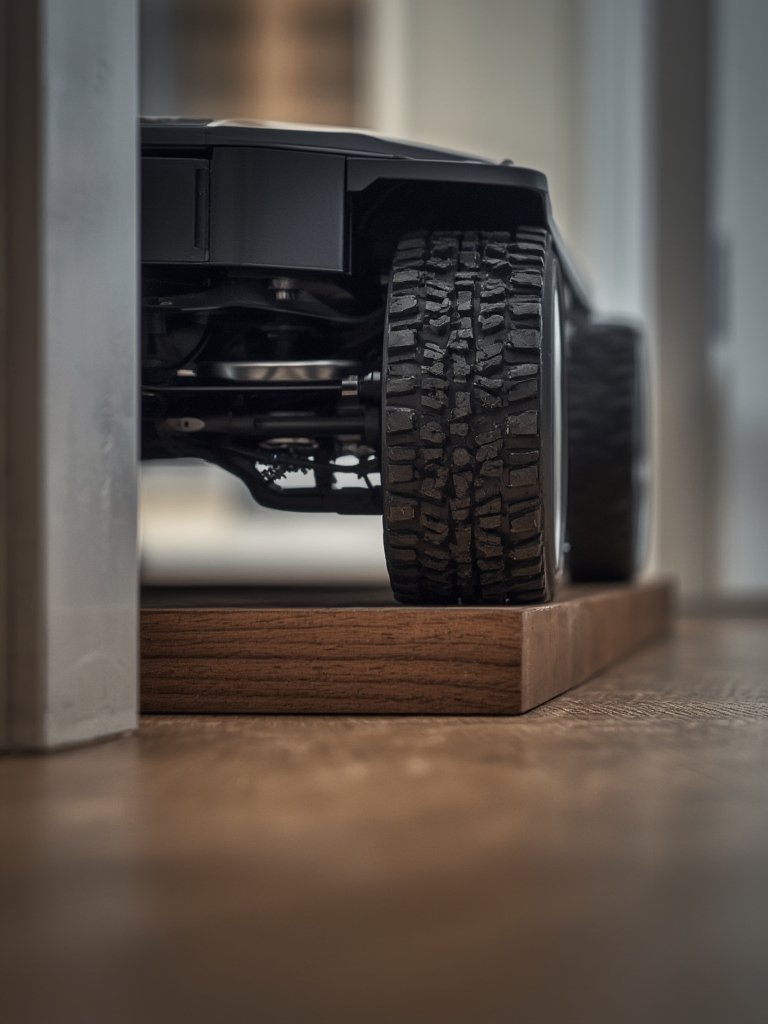
Lastly, always check regional availability if you’re outside North America, Europe, or East Asia. Top “threshold specialist” designs—like MOVA or advanced Dreame models—are sometimes released in China first, with delayed rollouts elsewhere.
For home upgrades tied to transitions and durability, see our related resources on non-slip rugs and energy efficiency upgrades to make cleaning and floor care even easier.
Advanced Analysis: What Actually Works (& Common Pitfalls)
Even if you buy the best threshold climbing robot vacuum available, you’ll likely run into some of these issues. Knowing them helps you set realistic expectations and avoid unnecessary headaches.
| Brand / Model | Tested Max Climb (mm) | Notable Limits |
|---|---|---|
| iRobot Roomba (all) | 16–20 | Fails above 20 mm. Angle-sensitive. Not for balcony lips or double-step rooms. |
| Roborock Q Revo Curv | 25–30 | 28 mm+ sometimes works but may wedge or teeter. Fails at 41 mm. |
| Ecovacs X11 OMNI Cyclone | 40 (in-lab) | Real homes: reduced effectiveness on soft carpet or fragile trim. |
| Narwal Flow | 40 | Struggles on narrow or slippery ridges; up-to spec assumes ideal surface. |
| MOVA Z60 Ultra | 51 | Peak lab performer; results drop if encountering back-to-back obstacles or non-rigid barriers. |
| Dreame Aqua10 Ultra Roller | 44 | Best on double-rug rooms and layered transitions; published tests don’t verify all door track types. |
- Real use tip: If you have solid thresholds but the robot hesitates, try guiding it to hit the obstacle head-on. Approach angle can be the difference between passing and getting stuck; some users solve transition issues by repositioning furniture to force a straight run-up.
See also: best washable rugs for robovac-friendly floors.
Below are the most common issues owners report, even with high-spec models:
- Teetering or belly-grounding: Robot climbs partially, loses wheel traction, and stalls on square-edged tracks or dividers.
- False wall detection: Robot identifies the threshold as a drop or dangerous obstacle and refuses to cross (especially on shiny or metallic edges).
- Worn thresholds or fragile trim: Aggressive climbing can scuff paint or chip wooden strips—especially as cleaning cycles add up over months.
- Stacked or complex transitions: Two obstacles in a row (like a door track plus rug) can trap even high-spec vacuums unless both are within tested limits.
- Marketing vs real world: Many robots rated for 40 mm only achieve those numbers with perfect test blocks. Real thresholds with grooves or slopes can lower that by 10–15%.
- Manual rescues: If your robot gets stuck mid-threshold, mapping systems may “split” your home into disconnected zones, requiring you to reposition the robot for every cleaning session.
On the technology side, look for robots with adaptive software that detects the difference between cliffs and climbable thresholds. High-end models now use onboard cameras or structured light to better align before climbing. Still, physical ramps remain the most reliable upgrade for stubborn or extra-tall sills—especially in historic or multi-level homes.
Want to preserve the beauty of your home while upgrading to a threshold-capable robovac? Consider low-profile, flush-mounted room dividers or custom trim installations that won’t impede cleaning, especially if you’re remodeling.
Conclusion
Today’s best threshold climbing robot vacuum models bridge the gap between rooms, floor types, and even rolling onto thick rugs without manual help. But the practical upper limit for most homes is about 20 to 30 mm—unless you invest in emerging premium designs tested up to 40–50 mm. Always combine good hardware with simple home upgrades like ramps or beveled tracks for reliable whole-home coverage.
Choose wisely, measure carefully, and you’ll get the convenience and floor-to-floor freedom the threshold climbing robot vacuum promises. Ready to upgrade? Check fit for your thresholds and make your home robovac-friendly today.
For more cleaning tips, see our guides on top robot vacuum mop combos and non-slip bath mats for a safer, cleaner space.
FAQ
Can any robot vacuum cross a 1-inch (25 mm) threshold reliably?
Most mainstream robot vacuums cannot reliably cross a 1-inch (25 mm) threshold. Only select advanced models—like Roborock Q Revo Curv, Ecovacs X11 OMNI, or MOVA Z60 Ultra—have the wheel size and suspension needed to tackle this height in ideal conditions. Always check independent lab results and subtract 3–5 mm as a safety buffer.
What are the best workarounds for doorsills or balcony rails above 20 mm?
The most effective workarounds include installing low-profile ramps on both sides of the threshold, replacing tall dividers with beveled or flush strips, or marking the area as a no-go zone in your robot’s app. Some users also orient the robot for a head-on approach, which improves climb success.
Do high-threshold robot vacuums cause damage to wood or painted door strips?
Yes, repeated climbing over fragile or painted thresholds can lead to scuffing or chipping over time, especially if the robot uses high-torque wheel action. Use ramps or protective tape to minimize wear if you have valuable or easily marked transitions.
How can I find out the real-world threshold limit for a specific robot vacuum model?
Check independent review labs (like Vacuum Wars), search for YouTube demonstrations, or consult brand resources with actual testing photos. Manufacturer specs can be optimistic—always look for real test videos or charts with visual proof.
Are robot vacuums with lifting chassis available in North America and Europe?
Yes, but availability is still most robust in East Asia (China, Japan, South Korea), with select launches in North America and Europe. MOVA, Dreame, and Narwal Flow lines are among those offering lifting chassis or advanced suspension, but new releases may not arrive in the US/EU until several months after Asian launch.